

Revitalizing History: A Comprehensive Guide to Maximizing Energy Efficiency in Your Older Home
There’s an undeniable allure to an older home, isn’t there? That creaky floorboard that tells a story, the unique architectural details you just don’t see in modern builds, maybe even a secret nook or cranny. They carry a certain gravitas, a connection to the past, and that’s truly special. But let’s be honest, living in one often means grappling with something less charming: those stubborn energy inefficiencies. You know, the ones that send your utility bills soaring higher than a kite in a hurricane, and frankly, contribute to a bigger carbon footprint than we’d all like.
Good news though, you don’t have to choose between historical charm and modern efficiency. With some thoughtful, strategic upgrades, you absolutely can enhance your home’s energy performance while safeguarding its irreplaceable character. Think of it as a deep energy retrofit for your beloved vintage abode – a journey, really, to make it not just livable, but truly sustainable for decades to come. And it’s more straightforward than you might think, especially when you approach it step-by-step. Let’s dive in.
Successful low-energy building design hinges on careful planning. Focus360 Energy can help.
1. Kick Things Off with a Comprehensive Energy Audit: Your Home’s Health Check
Before you even think about swinging a hammer or signing a check for new windows, you simply must understand your home’s energy personality. Where exactly is it bleeding warmth in winter, or letting in that oppressive summer heat? Without this crucial first step, you’re essentially throwing darts blindfolded. This is where a professional energy audit becomes your absolute best friend, offering a meticulously detailed blueprint of your home’s energy strengths and, more importantly, its weaknesses.
What Does an Audit Really Involve?
It’s far more than just someone walking around with a clipboard. A proper energy audit, often conducted by a Building Performance Institute (BPI) certified professional, uses specialized tools and expertise to pinpoint hidden culprits. They’ll typically perform a blower door test, which depressurizes your house to dramatically exaggerate air leaks, making them easier to locate. Imagine the auditor walking around with a smoke pencil, watching the tiny wisps get sucked right out of cracks you never knew existed around outlets, window frames, or attic hatches. It’s truly eye-opening.
Thermal imaging cameras are another incredibly powerful tool. These devices literally ‘see’ heat, revealing cold spots in walls where insulation might be missing or compromised, or showing you exactly where conditioned air is escaping. Furthermore, they’ll meticulously inspect your insulation levels, HVAC system, water heater, and even your appliances, looking for tell-tale signs of inefficiency. This assessment, my friend, isn’t just a suggestion; it’s the fundamental roadmap for your entire renovation journey, ensuring every dollar you invest is spent wisely, tackling the biggest energy hogs first. You’ll be surprised what they uncover, honestly, things you’d never spot yourself.
2. Fortify Your Foundation: Upgrading Insulation and Sealing Leaks
If your home’s energy efficiency has a backbone, it’s undoubtedly proper insulation. In older homes, insulation might be non-existent in places, woefully inadequate, or simply deteriorated over time, turning to dust or becoming a rodent playground. Think about it: without a proper thermal envelope, you’re constantly fighting an uphill battle against the elements, essentially heating or cooling the great outdoors.
Where to Focus Your Insulation Efforts
Enhancing insulation in the attic is usually the highest-impact, lowest-cost upgrade you can make. Heat naturally rises, so a poorly insulated attic is like leaving a giant window open all winter. Adding a thick layer of blown-in cellulose or fiberglass, or installing rigid foam boards, can make a world of difference. But don’t stop there. Walls, especially if they’re completely uninsulated (common in many pre-1950s homes), are prime candidates. This can be tricky, often requiring blowing insulation into existing wall cavities, a job best left to the pros.
Then there’s your crawl space or basement rim joists—these are often overlooked but incredibly leaky areas where the foundation meets the house frame. Sealing and insulating these can dramatically reduce drafts and cold floors. For older homes, it’s also crucial to consider the type of insulation. While spray foam offers excellent sealing and R-value, its impermeability can sometimes trap moisture in older, breathable wall assemblies, so a knowledgeable contractor is absolutely essential here.
The Art of Air Sealing: Plugging the Gaps
Insulation is vital, but air sealing is its inseparable twin. You can have the thickest insulation in the world, but if air is whistling through gaps around windows, doors, electrical outlets, plumbing penetrations, or your foundation, you’re still losing vast amounts of energy. Imagine trying to keep a leaky boat afloat by just adding more water; it just doesn’t work! Sealing these often-invisible leaks is remarkably effective.
Weatherstripping around doors and operable windows, combined with a good quality caulk for fixed joints and exterior cracks, creates a much tighter envelope. Don’t forget those often-forgotten spots: where pipes or wires penetrate exterior walls, recessed light fixtures in the ceiling, or even the junction of your baseboards and floor. Taking the time to methodically go through your home, feeling for drafts on a windy day, can unveil countless opportunities to seal up those pesky leaks. This isn’t just about saving money, it’s about creating a significantly more comfortable and consistent indoor temperature, truly transforming the feel of your home.
3. Clear Views, Tighter Envelope: Replacing Windows with Energy-Efficient Models
Ah, windows. In older homes, those beautiful, often original, single-pane windows are notorious for being thermal sieves. They’re like big, welcoming open arms for both heat and cold, allowing energy to rush in or out with alarming ease. Upgrading these can make a monumental difference to your home’s energy performance and overall comfort, though it’s often one of the more significant investments.
The Wonderful World of Modern Windows
When considering new windows, you’ll be looking at double or even triple-pane units. These boast multiple layers of glass separated by an inert gas like argon or krypton, which significantly slows heat transfer. Then there are the low-emissivity (Low-E) coatings. These microscopic, transparent metallic layers are applied to the glass to reflect infrared light, keeping heat inside in winter and outside in summer, without noticeably affecting the amount of visible light entering your home. It’s pretty clever technology, honestly.
Key metrics to look for on new windows include the U-factor (how well a window prevents heat from escaping, lower is better) and the Solar Heat Gain Coefficient (SHGC), which measures how much solar radiation passes through, a lower number is better in hot climates, while a higher one might be desirable for passive heating in colder regions.
Preserving Character: Alternatives to Full Replacement
Now, I get it. Replacing original windows in a historic home can feel a bit sacrilegious, and sometimes, it’s not even allowed due to preservation guidelines. But fear not! There are excellent alternatives.
High-quality storm windows, either interior or exterior, can dramatically improve thermal performance without altering the aesthetic of your primary windows. Interior storm windows, for instance, are often virtually invisible and provide an additional layer of insulation and air sealing. You might also consider applying clear, energy-saving window films. While not as effective as new windows or storms, they can provide a noticeable boost by reflecting solar heat in summer and retaining warmth in winter, all for a fraction of the cost. Ultimately, balancing efficiency with historical integrity is a fine art, but one that’s certainly achievable.
4. Smart Climate Control: Install a Programmable or Smart Thermostat
Managing your home’s temperature effectively is one of the quickest, easiest ways to start seeing energy savings. Gone are the days of manually adjusting a clunky dial. Programmable and smart thermostats have revolutionized how we interact with our heating and cooling systems, putting control and efficiency right at your fingertips.
Programmable vs. Smart: What’s the Difference?
A programmable thermostat allows you to set specific heating and cooling schedules that align with your lifestyle. For example, you can program it to lower the heat while you’re at work and kick it back on just before you arrive home. This simple act of ‘set it and forget it’ can reduce energy use significantly because you’re not paying to heat or cool an empty house.
Smart thermostats, however, take this concept a giant leap further. These aren’t just timers; they’re learning machines. Many models can ‘learn’ your daily habits and preferences over time, automatically adjusting temperatures to optimize both comfort and efficiency. They often integrate with your phone, allowing you to control your home’s climate from anywhere in the world. Features like geofencing can even detect when you’re leaving or approaching home, adjusting the temperature accordingly. Some can even connect with external weather forecasts, preemptively adjusting your system for upcoming heatwaves or cold snaps. It’s pretty amazing, really, the level of sophistication they offer. Many also provide detailed energy reports, giving you insights into your consumption patterns, which can be incredibly empowering when you’re trying to cut down. Plus, they look sleek and modern, a nice touch in any home.
5. Bright Ideas: Upgrade to Energy-Efficient Lighting
It might seem like a small thing, but lighting accounts for a surprisingly significant portion of residential energy consumption. In an older home, you might still have a plethora of incandescent bulbs, which, while offering that warm, familiar glow, are terribly inefficient, basically converting most of their energy into heat rather than light.
LEDs and CFLs: The Modern Illumination
Replacing those old energy guzzlers with LED (Light Emitting Diode) or CFL (Compact Fluorescent Lamp) bulbs is one of the simplest, most impactful energy-efficient upgrades you can make. LEDs, in particular, are the undisputed champions of efficiency, using up to 75% less energy than incandescents and lasting an astonishing 25 times longer. Imagine not having to change a bulb in your ceiling fixture for over a decade!
When choosing LEDs, consider not just the wattage (which indicates brightness, typically measured in lumens now) but also the color temperature (CCT). This is measured in Kelvins (K) and determines whether the light appears warm and yellowish (2700K-3000K, like traditional incandescents) or cool and bluish (5000K+, akin to daylight). Getting the right color temperature for each room can drastically affect its ambiance. Beyond the bulbs themselves, consider integrating smart lighting systems that allow for dimming, scheduling, and even occupancy sensing, further reducing energy waste. And, don’t forget to take advantage of natural light whenever possible; open those curtains and blinds during the day, it’s free!
6. Powering Down: Invest in Energy-Efficient Appliances
Your kitchen and laundry room can be major energy consumption hubs. Older appliances, while often built like tanks, tend to be significantly less energy-efficient than their modern counterparts. If you’re still sporting a refrigerator from the ’90s, you’re likely spending far more on electricity than you need to.
The ENERGY STAR Advantage
When it’s time to replace an appliance, whether it’s a refrigerator, dishwasher, washing machine, or even a water heater, make it a non-negotiable to opt for ENERGY STAR-rated models. This blue label isn’t just a marketing gimmick; it signifies that the product meets strict, independently verified energy efficiency guidelines set by the U.S. Environmental Protection Agency.
ENERGY STAR appliances often incorporate advanced technologies, like improved insulation in refrigerators, efficient water usage in dishwashers, or heat pump technology in clothes dryers and water heaters, that dramatically reduce energy and water consumption. For instance, a new ENERGY STAR refrigerator might use less than half the energy of a model from 15 years ago. This investment isn’t just about reducing your energy bills; it’s a direct contribution to lessening your home’s overall carbon footprint. And hey, nobody wants to feel like they’re still in the dark ages when it comes to technology, right? Also, simple habits, like running full loads in the dishwasher and washing machine, and air-drying clothes when you can, amplify these savings even further.
7. Breathing Easy: Enhancing Ventilation for Improved Air Quality
Proper ventilation often gets overlooked in the energy efficiency conversation, yet it’s absolutely crucial for both indoor air quality and overall home performance. Older homes, with their sometimes naturally ‘leaky’ construction, might seem to have adequate ventilation, but this often means uncontrolled drafts and significant energy loss, rather than healthy air exchange.
Beyond the Basic Exhaust Fan
While installing powerful exhaust fans in kitchens and bathrooms is a great start—essential for whisking away moisture, cooking odors, and pollutants—true energy-efficient ventilation goes deeper. Modern homes, especially those that have been well-sealed, actually need controlled mechanical ventilation to ensure a fresh air supply without sacrificing energy.
This is where Heat Recovery Ventilators (HRVs) and Energy Recovery Ventilators (ERVs) come into play. These systems continuously exhaust stale indoor air and bring in fresh outdoor air, but here’s the clever part: they transfer most of the heat (and sometimes moisture, in the case of ERVs) from the outgoing air to the incoming fresh air. This means you get excellent indoor air quality without a significant energy penalty for conditioning that new air.
Good ventilation prevents moisture buildup, which can lead to mold and mildew issues, particularly prevalent in older homes with damp basements or crawl spaces. It also helps manage indoor pollutants from cleaning products, building materials, and even pets. Additionally, making sure your HVAC system’s air filters are regularly changed (look for MERV 8 or higher for good filtration) improves the air you breathe and the efficiency of your system. A healthy home is a happy home, and often a more energy-efficient one too!
8. Harnessing Nature’s Power: Considering Renewable Energy Solutions
For those ready to take a truly significant leap towards sustainability, exploring renewable energy options is the ultimate move. While the initial investment can feel substantial, these systems offer long-term financial savings and dramatically reduce your reliance on fossil fuels, making your home a beacon of environmental responsibility.
Solar Panels: Capturing the Sun’s Bounty
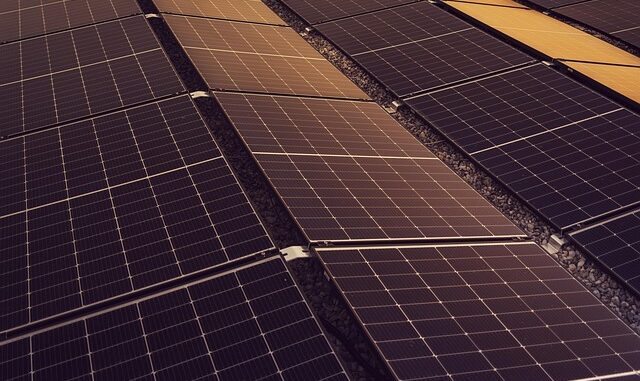
Solar photovoltaic (PV) panels are probably the first thing that springs to mind, and for good reason. Installing a solar array on your roof or property allows you to generate your own clean electricity. Modern solar technology is incredibly efficient and durable, often coming with warranties spanning 25 years or more.
Think about the pride you’d feel knowing your home runs on sunshine! Beyond just generating power, consider integrating battery storage, which allows you to store excess electricity for use during cloudy days or at night, providing greater energy independence and resilience during power outages. Solar hot water heaters, which use the sun’s energy to heat your domestic water supply, are another excellent option, often with a faster payback period than PV panels.
Geothermal and Beyond
Beyond solar, geothermal heat pumps are gaining traction. These systems tap into the stable underground temperature to provide highly efficient heating and cooling. While requiring significant upfront excavation, they offer incredibly low operating costs and a remarkably consistent indoor climate.
It’s important to remember that financial incentives, such as federal tax credits, state rebates, and local programs like net metering (where your utility credits you for excess energy your solar panels produce), can significantly offset the installation costs. Do your homework; a quick search for ‘renewable energy incentives [your state/city]’ will usually turn up a treasure trove of information. Imagine the feeling of getting that monthly energy bill and seeing ‘credit’ instead of a charge; it’s a beautiful thing.
9. Foundation of Power: Upgrade Electrical Panels and Wiring
Here’s a step that might not immediately scream ‘energy efficiency,’ but trust me, it’s foundational, especially in an older home. Many historic houses simply weren’t built with the electrical demands of our modern lives in mind. They often have outdated electrical panels, insufficient amperage, and sometimes even dangerous wiring types like knob and tube or aluminum wiring.
Safety First, Then Efficiency
Upgrading your electrical panel and wiring isn’t just about safety, though that’s paramount. A modern, properly sized electrical system ensures that your home can safely and efficiently handle the load from all your new, energy-efficient appliances, smart home devices, and potential future additions like an electric vehicle charger or a heat pump. An overloaded, aging electrical system can not only pose fire hazards but also lead to inefficient power delivery, tripping breakers, and in some cases, even slightly higher energy waste as components struggle to cope.
An experienced electrician will assess your current system, recommend necessary upgrades (like replacing a 60-amp fuse box with a 200-amp circuit breaker panel), and ensure all wiring meets current safety codes. They’ll also install modern safety devices like Arc Fault Circuit Interrupters (AFCIs) and Ground Fault Circuit Interrupters (GFCIs) which protect against common electrical hazards. This critical infrastructure upgrade creates a robust, safe backbone for all your other energy-efficient improvements, ensuring they operate optimally and reliably. Don’t skimp on this one; it’s genuinely an investment in your home’s future and your family’s safety. It’s like building a supercar on a chassis from the 1920s; eventually, something’s gotta give, right?
10. The Connected Home: Implementing Smart Home Technology
Finally, once you’ve addressed the foundational elements of your older home’s energy performance, it’s time to supercharge it with smart home technology. This isn’t just about convenience (though it’s certainly convenient!); it’s about giving you unparalleled control and insights into your energy consumption, pushing your efficiency efforts to new heights.
Beyond Thermostats and Lights
We’ve already touched on smart thermostats and lighting, which are excellent starting points. But the ecosystem extends much further. Imagine smart plugs that allow you to monitor and control the energy usage of individual appliances, letting you easily switch off ‘vampire’ loads that silently drain power even when turned off. Automated shading systems can intelligently open and close blinds based on the sun’s position and interior temperature, optimizing natural light and minimizing unwanted solar heat gain.
Smart energy monitors can provide real-time data on your entire home’s electricity consumption, breaking it down by appliance or circuit. This level of granular insight is incredibly empowering, helping you identify energy hogs and adjust your habits accordingly. Some systems even integrate smart vents that can dynamically direct conditioned air to specific rooms, providing zone control without needing a multi-zone HVAC system.
Choosing between a centralized smart home hub (like Apple HomeKit, Google Home, or Amazon Alexa) or a more fragmented, device-specific approach will depend on your comfort level with technology and your desired level of integration. The beauty of these systems is their scalability; you can start small and expand as your needs and budget allow. By integrating these technologies, you not only make your home more comfortable and responsive but also create a dynamic, self-optimizing energy management system that continuously seeks out opportunities for savings. It’s a bit like having a silent, diligent energy butler, always looking out for you.
Bringing It All Together
Transforming an older home into an energy-efficient haven is a journey, not a sprint. Each step outlined above builds upon the last, creating a holistic approach to sustainability and comfort. By systematically tackling these areas, you won’t just enjoy significantly reduced utility bills; you’ll also contribute positively to the environment, enhance your home’s value, and create a living space that’s healthier and more comfortable for years to come. It’s about celebrating the past while thoughtfully building for the future. You’ve got this!
References
- Mind, Body and Soul. (2024). Maximizing Energy Efficiency in Older Homes. (wp.nyu.edu)
- Thomas Edison Electric. (2024). Energy Efficient Upgrades for Older Homes. (thomasedisonelectric.com)
- ENERGY STAR. (2024). Home Energy Improvements. (energystar.gov)
- World Economic Forum. (2024). How deep retrofitting buildings can mitigate climate change. (weforum.org)
- Time. (2024). How AI Is Making Buildings More Energy-Efficient. (time.com)
- Reuters. (2023). Why a circular built environment makes economic and environmental sense. (reuters.com)
- Time. (2020). The Empire State Building’s Green Retrofit Was a Success. Will Other Buildings Follow Suit? (time.com)
- Wikipedia. (2024). Deep energy retrofit. (en.wikipedia.org)
- Our Old House. (2023). 10 Home Improvements That Will Increase Your Energy Efficiency. (ouroldhouse.com)
- Homebuilding. (2024). How much does insulation cost? What to budget for when trying to improve your home’s energy efficiency. (homebuilding.co.uk)
- Kiplinger. (2024). 18 Ways to Cut Your Energy Bill. (kiplinger.com)
- Associated Press. (2024). A climate-friendly home starts with an energy assessment. Here’s how my 100-year-old house did. (apnews.com)
Be the first to comment