

Navigating the Planning Permission Maze: A Pro’s Guide to Seamless Approvals
Embarking on a building project, whether it’s a minor extension or a significant new build, can feel like you’re stepping into a sprawling, sometimes bewildering maze. The planning application process, with its jargon, procedures, and waiting periods, often seems designed to test your patience and resolve. But here’s the thing: it doesn’t have to be a nightmare. With the right strategy, a dash of foresight, and a genuinely collaborative spirit, you can navigate this labyrinth far more smoothly than you might imagine. In fact, many successful applicants often tell me it became a surprisingly insightful journey, not just a bureaucratic hurdle.
I’ve seen countless projects, from ambitious basement conversions in bustling urban areas to serene country house renovations, sail through the planning process because the project owners understood one fundamental truth: planning isn’t just about rules, it’s about relationships, clarity, and thoughtful preparation. Forget the horror stories for a moment, let’s chart a course for your success. Here are the core pillars, deeply explored, that will guide you through getting those all-important planning permissions.
Successful low-energy building design hinges on careful planning. Focus360 Energy can help.
1. Kickstart with Clarity: The Power of Pre-Application Advice
Imagine you’re about to embark on a cross-country road trip, but you haven’t checked the maps, the weather forecast, or even if your car’s got enough fuel. Sounds a bit reckless, doesn’t it? Yet, many folks dive headfirst into a planning application without first seeking pre-application advice from their local planning authority. This, I can tell you from experience, is often a missed opportunity, a shortcut that actually leads to longer journeys.
What is Pre-Application Advice?
Think of pre-application advice as your initial consultation with the planning experts before you commit significant resources. It’s an informal, often paid-for service that allows you to present your embryonic ideas, your sketches, your ‘what if’ scenarios, directly to the very people who will eventually assess your formal application. You get to discuss your proposal, often face-to-face or via a detailed written response, and receive early feedback on its feasibility, potential stumbling blocks, and alignment with local and national planning policies.
Local authorities charge for this service because it takes their officers’ time and expertise. The fees vary wildly, from a few hundred pounds for a simple householder extension to several thousands for larger, more complex commercial or residential schemes. But honestly, it’s often an investment that pays dividends, saving you far more in the long run.
Why it’s Absolutely Crucial for Your Project
Why bother with this extra step and expense? Well, consider the alternative. You spend weeks, perhaps months, and a substantial sum of money with your architect meticulously drawing up detailed plans, only to submit them and receive an outright rejection. That’s not just a setback; it’s a financial drain and a soul-crushing experience. Pre-application advice helps you sidestep that emotional and monetary pain.
- Risk Mitigation: It’s your earliest warning system. Planners can flag fundamental issues right away – ‘This land’s in a conservation area, you can’t build that high,’ or ‘Your proposed material palette clashes with our design guides.’ Catching these early allows for design adjustments before they become costly revisions.
- Understanding Local Nuances: Every council has its own quirks, its own emphasis areas, and its unique interpretation of the National Planning Policy Framework (NPPF). What flies in one borough might be a non-starter in another. Pre-app helps you understand these local nuances, whether it’s a particular preference for brickwork, concerns about overlooking in a specific street, or a strong push for sustainable design in new developments.
- Time and Resource Savings: Imagine drawing up three different design schemes before knowing which one has the best chance. Pre-app helps you narrow down the options, focusing your architectural team’s efforts on a viable path. This translates directly into less money spent on abortive design work and a quicker route to a successful application.
- Building a Rapport: It’s often your first interaction with the planning department. Being proactive and seeking advice demonstrates a professional approach and a willingness to engage, laying a positive foundation for when your formal application eventually lands on an officer’s desk.
Making the Most of Your Pre-Application
To really capitalise on this service, you need to be prepared. This isn’t just a casual chat over coffee. Bring as much detail as you can: site plans, concept sketches, proposed uses, even precedent images of what you envision. Articulate your project’s goals clearly. Don’t be afraid to ask direct questions, like ‘What are the three biggest challenges you foresee with this scheme?’ or ‘Are there any specific policies I need to pay extra attention to?’
I once worked with a client who wanted to build a rather contemporary extension on a historic cottage. We used the pre-application service and the officer immediately highlighted concerns about the contrast with the existing heritage asset. Without that early feedback, we would have submitted a beautiful, but ultimately unapprovable, design. Instead, we tweaked the materials, softened some lines, and ultimately secured permission for a scheme that still felt modern but respected its context. It’s all about proactive engagement, isn’t it?
2. Collaborate, Don’t Confront: Your Planning Officer as a Partner
It’s easy, when you’re deeply invested in your dream project, to view your planning officer as an obstacle, a gatekeeper standing between you and your vision. I’ve seen it happen countless times; frustrated applicants seeing them as the ‘enemy.’ But let me tell you, that’s a surefire way to make the process more difficult for everyone involved. Instead, successful applicants understand that building a positive, collaborative relationship with your planning officer is not just helpful, it’s invaluable.
Understanding the Planning Officer’s Role
Your planning officer isn’t there to arbitrarily say ‘no.’ Their job is complex: they interpret planning policy, balance competing interests (your aspirations, neighbour concerns, council objectives), and make recommendations that align with the public interest and the statutory framework. They’re often juggling a heavy caseload, facing tight deadlines, and are accountable for their decisions. They’re trying to find a solution, a way forward, within a set of rules. Seeing them as a partner in finding that solution changes everything.
Cultivating a Productive Relationship
How do you foster this partnership? It boils down to a few key principles:
- Professionalism and Respect: Always maintain a professional and respectful tone, even if you feel frustrated. Remember, they’re human, and a polite, well-reasoned query will always get a better response than an angry rant.
- Clear and Concise Communication: When you communicate, be clear. If they ask for clarification or additional information, respond promptly and directly. Ambiguity or delays only prolong the process.
- Empathy and Understanding: Try to see things from their perspective. They have policies to uphold, and sometimes, what you want simply doesn’t fit the existing framework. If they suggest changes or request additional information, view it as an opportunity to refine your proposal, not as a personal attack.
- Be Proactive, Not Reactive: Don’t wait for deadlines to pass. If you anticipate a delay in providing requested documents, communicate that early. ‘I’m working on getting that tree survey to you, but the arborist is booked up until next week. I expect it by X date,’ is far better than silence.
Navigating Feedback and Negotiation
When your officer comes back with suggestions for modifications, don’t immediately bristle. This isn’t necessarily a rejection; it’s often a roadmap to approval. They might suggest reducing the height of an extension, altering a material, or repositioning a window to address overlooking concerns. Engage with these suggestions thoughtfully.
Consider what’s negotiable and what’s fundamental to your vision. Can you make a minor compromise on materials to gain approval for the overall footprint? Sometimes, a small tweak can unlock significant progress. It’s a dance, a negotiation, but one where both parties are ideally moving towards a common goal: a successful, compliant development.
I recall a particularly challenging project for a client who wanted to demolish an old garage and build a two-storey ancillary dwelling. The initial feedback from the officer was quite negative, citing concerns about overdevelopment. My client, instead of digging in their heels, scheduled a meeting. They listened intently, asked probing questions about the specific policies being referenced, and then worked with their architect to subtly redesign the second storey, reducing its visual bulk from key vantage points. That openness transformed the officer from an adversary into an advocate, who then supported the revised scheme wholeheartedly.
3. Engage with the Community: Your Neighbours Aren’t Just Observers
It’s easy to think of your planning application as a purely transactional process between you and the council. But that’s a narrow, and often perilous, view. Your neighbours and the wider local community are not passive bystanders; they are significant stakeholders, and their input can profoundly influence the success – or failure – of your application. Ignoring them is like trying to drive with the handbrake on; it just makes everything harder.
Why Community Engagement Matters More Than You Think
Planning applications are public documents, advertised on site and often online. Anyone can comment, and those comments, whether supportive or objecting, carry weight. A wave of objections from neighbours, especially if they raise legitimate planning concerns like overlooking, loss of light, or noise, can significantly delay or even derail an application. Conversely, demonstrable community support can be a powerful asset.
- Pre-empting Objections: By engaging early, you can uncover potential concerns before they become formal objections. A neighbour might worry about shadows on their garden. If you know this, you can adjust your design slightly, or, at the very least, prepare a detailed sun path analysis to show them your proposed extension won’t have the impact they fear.
- Building Goodwill: A polite, open conversation goes a long way. Simply informing your neighbours of your intentions, showing them your plans, and listening to their feedback fosters goodwill. Even if they still have concerns, they’ll likely appreciate being consulted and may be more open to compromise.
- Incorporating Valuable Feedback: Sometimes, neighbours offer genuinely constructive feedback. They might point out a drainage issue you hadn’t considered or suggest an alternative access route that’s actually better for everyone. Don’t dismiss their insights out of hand.
- Positive Council Perception: A planning officer often notes the level and nature of community feedback. If they see you’ve already engaged and addressed many common concerns, it looks far better than if they’re inundated with complaints they feel you should have foreseen.
Practical Steps for Effective Engagement
So, how do you engage effectively without inviting unnecessary conflict?
- Early, Informal Outreach: Before you even submit anything, consider talking to your immediate neighbours. Knock on their doors, explain what you’re planning, perhaps show them some early sketches. Be open and transparent.
- Listen Actively: This isn’t a sales pitch. It’s about listening to their concerns. Repeat back what you’ve heard to show you understand. ‘So, you’re worried about the impact on your light in the mornings, is that right?’
- Be Prepared to Explain and Justify: Have your plans ready to show them. Be able to clearly explain why you’re proposing certain elements. If they raise a concern, explain how you’ve considered it in your design. If you can’t change something, explain why that is.
- Community Meetings (for larger projects): For more significant developments, an informal community meeting or presentation can be really effective. It allows you to address multiple people at once, answer questions, and demonstrate your commitment to a thoughtful design.
- Don’t Promise What You Can’t Deliver: Be realistic. You won’t be able to satisfy everyone completely, and some concerns might not be addressable. However, demonstrating that you’ve genuinely listened and considered their input is paramount.
I remember a project where a client wanted to add a fairly large roof terrace to their city centre apartment. Naturally, this raised immediate red flags with direct neighbours due to privacy concerns. Instead of just submitting, we held an informal drop-in session. We showed detailed 3D models of sightlines, explained the privacy screening we were incorporating, and even committed to a particular planting scheme to soften the visual impact. This proactive approach turned potential objectors into neutral parties, and in some cases, even won us a little support. It’s that demonstration of care, you see, that often makes all the difference.
4. Master the Details: Ensure Comprehensive Documentation
If you’ve ever tried to assemble flat-pack furniture with incomplete instructions, you’ll know the frustration. Now, imagine a planning officer trying to assess a multi-million-pound development with missing plans or shoddy drawings. It’s not just frustrating; it’s a recipe for delays, requests for further information, and potentially, an outright refusal. A well-prepared, comprehensive application isn’t just a nicety; it’s an absolute necessity. It speaks volumes about your professionalism and your commitment to the project.
The ‘Must-Haves’ for Any Application
Beyond the basic application form, there’s a treasure trove of documents your planning officer needs. This isn’t an exhaustive list, but these are the bedrock elements:
- Application Forms: Meticulously filled out, no blanks, accurate contact details.
- Site Location Plan: Clearly showing your site in context, often at 1:1250 or 1:2500 scale, with a red line around your application site and a blue line around any other land you own nearby.
- Block Plan/Site Plan: A detailed plan of the immediate area, showing existing and proposed buildings, access, parking, boundaries, and potentially trees. Usually at 1:100, 1:200, or 1:500.
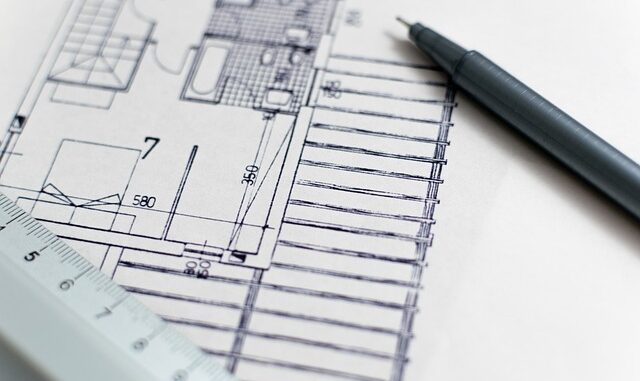
- Existing and Proposed Plans (Floor Plans, Elevations, Sections): These are the heart of your application. They need to be accurate, scaled, and clearly differentiate between existing structures and proposed changes. Every floor plan, every elevation (north, south, east, west), and cross-sections that illustrate key design features and changes in ground level are vital. They paint the picture of what you’re proposing.
- Design and Access Statement (DAS): This is where you explain your design choices. It details the amount of development, its layout, scale, appearance, and landscaping, and critically, access for all users. It’s your narrative, justifying why your proposal is appropriate and compliant with planning policy. For certain applications (e.g., householder extensions), a DAS might not be required, but a good architect will often incorporate elements of it into the drawings or a supporting letter anyway.
The ‘Supporting Cast’ of Documents (often project-specific)
This is where things can get complex, as the requirements depend entirely on your site, the scale of your project, and local conditions. Your architect or planning consultant will guide you, but prepare for any of these:
- Heritage Statement: If you’re working on a listed building or within a conservation area, you’ll need to demonstrate how your proposal preserves or enhances the historic character. This is non-negotiable.
- Arboricultural Impact Assessment (AIA): If there are significant trees on or near your site, especially protected ones, you’ll need an arborist to assess the impact of your development on them and propose mitigation strategies.
- Ecological Surveys: Bat surveys, newt surveys, badger surveys – if your site has potential for protected species, these are essential and can only be carried out at specific times of the year, so plan ahead!
- Flood Risk Assessment (FRA): If your site is in a flood-prone area, an FRA is mandatory to demonstrate how you’ll manage and mitigate flood risks.
- Energy and Sustainability Statements: Increasingly, councils require details on how your project will achieve high standards of energy efficiency and sustainability.
- Contamination Reports: If the land has a history of industrial use, a land contamination report might be needed.
- Photos and Visualisations: High-quality site photos, before-and-after visualisations, or 3D models can be incredibly persuasive, helping officers and the public truly understand your vision.
The Power of Professionalism and Accuracy
The devil really is in the details here. Every drawing should be clear, to scale, labelled correctly, and consistent across all documents. Inconsistencies – say, a window showing up on one elevation but not the floor plan – trigger queries, which trigger delays. Poor quality scans, smudged drawings, or illegible text reflect poorly on the entire submission.
Furthermore, ensure all drawings carry a title, drawing number, scale bar, and date. If plans are revised, each revision should be clearly marked and dated. This meticulousness not only aids the planning officer in their assessment but also demonstrates your commitment to a high-quality project. It really sets a professional tone.
I vividly recall a client who, to save a bit of money, decided to draw up their own plans for a minor extension. They were decent sketches, but they lacked scale, professional detailing, and consistency. The application was immediately deemed invalid and then, after resubmission with some ‘fixes’, spent months in limbo with repeated requests for clarification. Eventually, they engaged an architect, who, within weeks, produced a comprehensive, accurate package that sailed through. It taught them a hard lesson: good documentation is an investment, not an optional extra.
Assembling Your A-Team: The Crucial Role of Professionals
Given the complexity of documentation, it becomes clear that you often need more than just a good architect. You’re building an A-team:
- Architect: Your lead designer, who translates your vision into compliant, buildable plans and often coordinates the entire application process.
- Planning Consultant: Especially for larger, more complex, or contentious projects, a dedicated planning consultant can be invaluable. They specialise in policy interpretation, strategy, and navigating the nuances of the planning system.
- Surveyor: For accurate existing drawings and detailed site information.
- Specialist Consultants: Arborists, ecologists, heritage experts, flood risk assessors – bringing in the right expertise at the right time is paramount. Their reports are often statutory requirements, not just optional extras.
Don’t skimp on this. The cost of engaging competent professionals pales in comparison to the financial and emotional toll of a rejected application or a protracted appeal process. They’re not just drawing lines; they’re navigating policy, mitigating risks, and ultimately, building a robust case for your project’s approval.
5. Master the Art of Patience and Persistence: Staying Informed and Responsive
So, you’ve done all the groundwork. Your pre-application advice was positive, you’ve engaged with your neighbours, your planning officer seems supportive, and your comprehensive application package is finally submitted. Now what? Well, now comes the waiting game, and this is where many people lose their cool, or worse, disengage. The planning process often isn’t a sprint; it’s more like a marathon, sometimes one with unexpected detours. Patience is absolutely paramount, but it needs to be coupled with informed, proactive engagement.
Understanding the Timeline
Council’s have statutory targets for determining applications:
- 8 weeks for ‘minor’ applications (like householder extensions, changes of use for smaller properties).
- 13 weeks for ‘major’ applications (ten or more dwellings, or larger commercial schemes).
- 16 weeks for ‘major’ applications subject to Environmental Impact Assessments.
These are targets, not guarantees. Councils can, and often do, ask for extensions of time, especially if they’re particularly busy, if external consultees (like Highways or Environmental Health) are slow to respond, or if significant issues arise. Don’t be surprised if your application takes longer, even for a relatively straightforward proposal. A recent project of mine for a simple garden office took nearly four months, and that’s not uncommon in some overloaded planning departments.
How to Stay Informed (Without Becoming a Nuisance)
While you’re waiting, you can and should stay informed about your application’s progress. But there’s a fine line between diligent follow-up and becoming a nuisance. Here’s how to strike the right balance:
- Utilise Online Planning Portals: Most councils have excellent online planning portals where you can track your application’s status, view all submitted documents, and see any comments from neighbours or consultees. Check it regularly.
- Be Responsive to Requests for Information (RFIs): If your planning officer contacts you with an RFI, respond promptly and comprehensively. Delays on your part will directly translate to delays in determination. If you need more time to gather information, communicate that immediately.
- Scheduled Follow-ups: Instead of daily calls, agree on a schedule with your planning officer for updates. Perhaps a polite email or call every two to three weeks is appropriate, especially if the statutory period is nearing its end. ‘Just checking in on the progress of application [reference number]. Have you heard back from [X consultee] yet?’ is a perfectly reasonable query.
- Understand What’s Happening Behind the Scenes: During the assessment period, the planning officer is doing a lot. They’re conducting site visits, consulting with various internal departments (Highways, Environmental Health, Trees, Conservation), and often external bodies (e.g., Historic England, National Rivers Authority). All these consultations take time.
Dealing with Delays and Setbacks
Even with the best preparation, delays can happen. Council workloads fluctuate, consultees miss deadlines, or unexpected issues might crop up. The key is how you react. Maintain a positive, problem-solving attitude. If there’s a legitimate reason for a delay, try to understand it. Can you help expedite it? Can you provide additional information that might unblock a specific issue?
If the officer indicates a refusal is likely, engage. Ask for precise reasons. Is there a way to amend the plans to overcome the objection? Sometimes, a minor alteration can turn a refusal into an approval. This is where that collaborative relationship you’ve built really pays off.
After the Decision: What Next?
- Approval with Conditions: Most approvals come with conditions attached. These are legally binding and often relate to materials, landscaping, hours of work, or further surveys needed before construction can start. Read them carefully! You’ll often need to ‘discharge conditions’ by submitting further details to the council, a process that itself requires time and precision.
- Refusal: If your application is refused, don’t despair immediately. Understand the reasons for refusal thoroughly. Can you amend your plans and resubmit? Or is an appeal a viable option? An appeal takes time and can be complex, so it’s a decision to make with your planning consultant or architect.
My own experience building an extension taught me a profound lesson in patience. Our application, seemingly straightforward, got caught in a backlog, and the officer assigned to it went on sick leave for weeks. What should have been an eight-week process stretched to five months! It was frustrating, certainly, but constant polite communication, keeping track of the portal, and understanding the realities of council resources ultimately got us there. Had I been aggressive or pushy, I’m convinced it would have taken even longer.
The Grand Takeaway: Preparation and Partnership
Navigating the planning application process can indeed feel like a significant undertaking, full of twists and turns. But by embracing these key principles – seeking early advice, collaborating with your planning officer, engaging proactively with your community, ensuring faultless documentation, and practicing a mindful patience – you transform a potentially daunting challenge into a manageable, even rewarding, journey.
Remember, your planning application isn’t just about a set of drawings; it’s about building a compelling case for your vision, demonstrating its benefits, and ensuring it fits harmoniously within its context. Thorough preparation and open, professional communication truly are your best allies in achieving a successful outcome. Good luck, and here’s to seeing your project come to life!
Be the first to comment