

Designing Your Dream Eco-Home: A Comprehensive UK Guide to Energy Efficiency
Building or renovating a home in the UK today isn’t just about aesthetics or square footage anymore. It’s truly about designing for the future, embracing sustainability, and creating a living space that feels good for you, your wallet, and the planet. We’re talking about an energy-efficient home, one that’s not only comfortable and beautiful but also significantly reduces its environmental footprint and slashes those ever-present energy bills. With fluctuating energy prices and a growing global focus on climate action, there’s never been a more crucial time to think about how our homes perform. This isn’t just a trend; it’s a fundamental shift in how we approach dwelling, and honestly, it’s pretty exciting.
Crafting an energy-efficient home in the UK means delving deep into thoughtful planning and making genuinely sustainable choices from the ground up. By meticulously focusing on key areas like insulation, materials, and embracing renewable energy technologies, you can absolutely create a living space that delivers on comfort, aesthetics, and eco-friendliness, aligning perfectly with modern living and future-proofing your investment. So, let’s explore how you can make that happen, step-by-step, making informed decisions that will pay dividends for years to come. Because who doesn’t want a cosy, cost-effective home that’s also doing its bit for the environment, right?
Successful low-energy building design hinges on careful planning. Focus360 Energy can help.
Step 1: Prioritise High-Quality Insulation and Air-Tightness
Now, if there’s one single golden rule for an energy-efficient home, it’s this: insulation is king, and its loyal subject is air-tightness. These two concepts work hand-in-hand, forming the impenetrable shield your home desperately needs against the often-unforgiving British weather. Think about it: what’s the point of generating heat if it’s just going to escape through leaky cracks and poorly insulated walls? It’s like trying to fill a bucket with water when it’s full of holes; a futile exercise.
Effective insulation acts as the thermal barrier, drastically minimising heat loss in the colder months, keeping your home wonderfully warm and snug. But it’s not a one-trick pony; it also works wonders in summer, preventing excessive heat gain, ensuring your interiors stay refreshingly cool. This isn’t just about saving money, though that’s a huge bonus, it’s also about transforming your living environment, eliminating those dreaded cold spots, reducing draughts, and creating an overall sense of consistent comfort that makes your home a joy to inhabit.
Understanding the Insulation Landscape: Materials and Methods
When we talk insulation, we’re really talking about a spectrum of materials, each with its own characteristics, benefits, and applications. The goal? To achieve excellent thermal performance, measured by its R-value (thermal resistance) or U-value (overall heat transfer coefficient, where a lower U-value means better insulation).
- Rigid Foam Boards (e.g., PIR, Phenolic): These are fantastic. They offer exceptional thermal performance per inch, meaning you can achieve high insulation levels with less thickness, which is a real plus where space is at a premium. They’re often used for cavity walls, external wall insulation (EWI), or within floors and roofs. Installation needs precision to avoid thermal bridging, but done correctly, they’re incredibly effective.
- Natural Sheep’s Wool: For those leaning towards more natural, breathable solutions, sheep’s wool is a brilliant choice. It’s sustainable, doesn’t require harsh chemicals in its production, and even helps regulate humidity. It’s often used in lofts and timber-frame walls. It feels lovely to work with, too, not like that itchy fibreglass some of us remember from childhood DIY projects!
- Recycled Cellulose: Made from recycled newspaper, this is another eco-champion. It’s usually blown into cavities or lofts, conforming to all those awkward nooks and crannies, creating a seamless thermal blanket. It also offers decent acoustic insulation, which is a nice added benefit, especially in busy areas.
- Spray Foam Systems (e.g., Polyurethane): These are incredible for sealing hard-to-reach areas and creating an almost perfectly airtight envelope. The foam expands on application, filling every gap. However, it requires specialist installation and proper ventilation, as it creates a very dense seal. It’s often used in roofs or tricky wall constructions.
- Mineral Wool (Rock or Glass Fibre): Still a very popular and cost-effective option, particularly for loft insulation, cavity walls, and some floor applications. It’s non-combustible and offers good thermal and acoustic properties, though it can be irritating to handle without proper PPE.
Insulating Every Surface: Where to Focus Your Efforts
It’s not just about picking a material; it’s about applying it strategically to every surface that separates your cosy interior from the wild outdoors:
- Walls: This is often the biggest surface area and thus the biggest potential heat loss culprit. For existing homes, you might look at cavity wall insulation (pumping material into the gap between two leaves of masonry) or external wall insulation (EWI), where insulation boards are fixed to the exterior and rendered over, giving your home a fresh look while dramatically boosting its thermal performance. For new builds, robust cavity insulation or structural insulated panels (SIPs) are standard. Internal wall insulation (IWI) is also an option, though it reduces room size slightly.
- Roofs: Heat rises, right? So a well-insulated roof is absolutely non-negotiable. Whether it’s loft insulation (rolling blankets or blowing loose-fill into the attic floor) or insulating the rafter line for a warm roof design (creating habitable loft space), this makes a massive difference.
- Floors: Often overlooked, particularly if you have suspended timber floors, uninsulated floors can be surprisingly chilly. Insulating beneath floorboards, or laying rigid insulation on a solid concrete slab, makes for much warmer feet and a more efficient heating system.
- Windows and Doors: These are your home’s ‘eyes and mouth’ to the world, and they can be huge thermal weak points. Opting for high-performance double or, even better, triple glazing with low-emissivity (low-E) coatings and argon or krypton gas fills significantly reduces heat transfer. Don’t forget the frames themselves; uPVC, timber, or aluminium with thermal breaks are crucial. And, crucially, draught-proofing around all openings is a low-cost, high-impact action. A little anecdote here: I once visited a beautifully renovated Victorian house with triple glazing, but you could feel a distinct chill around the beautifully restored original front door. Turns out, they’d spent a fortune on the windows but completely neglected the draughts around the door frame. Such a simple fix, yet it made a huge difference to comfort once addressed!
The Crucial Partner: Air-Tightness
Insulation is only half the story. The other, equally vital, half is air-tightness. This refers to how well your building envelope prevents uncontrolled air leakage, those sneaky draughts that carry away your precious heat. We’re not talking about suffocating your home, but rather ensuring that any air movement is controlled and purposeful.
Achieving air-tightness involves meticulously sealing every potential crack, gap, and penetration in the building’s fabric. This means using:
- Vapour barriers and membranes: These are precisely installed layers designed to prevent air and moisture movement through walls, roofs, and floors.
- Airtight tapes and sealants: Used around windows, doors, service penetrations (pipes, wires), and construction joints. Every little gap adds up.
- Careful detailing: Good design and construction practices are paramount, ensuring that different elements of the building join together without creating unintended gaps.
Why is this so important? Well, air leakage can account for a significant percentage of heat loss in a typical home. Imagine a perfectly insulated thermos flask that has its lid slightly ajar. All that lovely hot coffee will cool down quickly, right? Same principle for your house. Modern building standards, like Passivhaus, set incredibly stringent air-tightness targets, often verified by a fan pressure test (or ‘blower door test’) at the end of construction, which measures how much air leaks from the building at a specific pressure difference.
Don’t Forget Controlled Ventilation: The MVHR Solution
Once you’ve made your home wonderfully airtight, you must implement a robust, controlled ventilation strategy. Without it, you risk a build-up of stale air, moisture, and pollutants, leading to condensation, mould, and poor indoor air quality – definitely not what we’re aiming for! This is where Mechanical Ventilation with Heat Recovery (MVHR) systems shine.
An MVHR unit continuously extracts stale, moist air from ‘wet rooms’ (kitchens, bathrooms, utility rooms) and supplies fresh, filtered air to ‘dry rooms’ (bedrooms, living rooms). The genius part? As the outgoing stale air passes through a heat exchanger within the unit, it transfers most of its heat to the incoming fresh air. This means you get a constant supply of fresh air without losing the heat you’ve worked so hard to retain. It’s a game-changer for health, comfort, and energy efficiency, and honestly, I’d say it’s an essential component in any truly high-performance home.
Step 2: Choose Sustainable Building Materials with Intent
When you’re designing or building, every material choice carries a story, a history of its production, transportation, and eventual impact. Opting for eco-friendly building materials isn’t just a nice-to-have; it’s a foundational pillar of sustainable home design, reducing your home’s environmental impact significantly and often, though not always, enhancing its energy efficiency too. It’s about looking beyond the immediate cost and considering the ’embodied carbon’ and ‘life cycle’ of everything you specify.
The Embodied Carbon Conundrum
‘Embodied carbon’ refers to the total greenhouse gas emissions associated with a material from its extraction, through manufacturing, transportation, construction, and eventual disposal. It’s a massive consideration. For instance, traditional concrete and steel, while incredibly robust, have high embodied carbon due to their energy-intensive production processes. So, what are the better alternatives?
Smart Material Choices for a Greener Build
- Recycled Timber and Sustainably Sourced Wood: Timber is a fantastic renewable resource, but not all timber is created equal. Always opt for FSC (Forest Stewardship Council) or PEFC (Programme for the Endorsement of Forest Certification) certified wood, ensuring it comes from responsibly managed forests. Even better, look for reclaimed timber – old floorboards, structural beams, or even furniture pieces given a new life. This reduces the demand for new logging and avoids waste. Timber has natural insulating properties and a low embodied carbon footprint compared to many alternatives. Plus, it just feels warm and inviting.
- Reclaimed Brick and Natural Stone: Imagine the character and history embedded in reclaimed bricks! Using them not only diverts waste from landfills but also avoids the energy-intensive process of manufacturing new bricks. Similarly, locally sourced natural stone can be a beautiful, durable, and low-embodied carbon option. These materials also offer thermal mass, helping to regulate internal temperatures naturally.
- Low-Carbon Concrete: We can’t always avoid concrete, especially for foundations. However, we can make smarter choices. Look for concrete mixes that incorporate GGBS (Ground Granulated Blast-furnace Slag) or fly ash as cement replacements. These are industrial by-products that significantly reduce the concrete’s embodied carbon without compromising strength. It’s a fantastic way to minimise impact where concrete is essential.
- Natural Insulating Materials: As discussed in the insulation section, materials like sheep’s wool, cellulose, cork, and wood fibre are not only effective insulators but also have lower embodied energy and are often biodegradable at the end of their life. Some even sequester carbon during their growth.
- Breathable Paints and Finishes: Move away from VOC (Volatile Organic Compound)-heavy paints and synthetic finishes. Opt for natural paints, lime plasters, and oil finishes. These contribute to better indoor air quality and have a lower environmental impact during production and disposal. Plus, they allow the building fabric to breathe, which is crucial in traditional or retrofitted homes.
- Recycled Materials: Think broadly! Recycled glass countertops, flooring made from recycled plastics or tires, or even structural elements incorporating recycled steel. Every bit helps divert waste from landfills.
The Power of Local Sourcing
This is a simple yet profoundly impactful strategy. Sourcing your materials locally drastically reduces the ‘transportation emissions’ associated with your build. Less fuel burnt means a smaller carbon footprint. Beyond the environmental benefits, it also supports local businesses, strengthens regional economies, and can sometimes lead to materials with a more authentic connection to the local vernacular. Plus, dealing with local suppliers often means better communication and quicker delivery times, which, let’s be honest, can save you a few headaches during the project!
Durability and Longevity: Building for Generations
Sustainable building isn’t just about the initial choices; it’s about the entire lifespan of the home. Selecting highly durable, low-maintenance finishes and materials reduces the need for frequent repairs, replacements, and repainting. A house built to last generations, with materials that age gracefully, inherently reduces its environmental impact over time. Think about how much energy and resources go into replacing something every 10-15 years versus every 50-100 years. It’s a no-brainer, really.
Step 3: Integrate Renewable Energy Sources Seamlessly
Leveraging the power of renewable energy is perhaps the most direct and impactful way to slash your home’s reliance on fossil fuels, reducing both your carbon footprint and your operating costs. The UK’s climate might not always feel like a sun-drenched paradise, but with clever design and the right technologies, we can harness significant amounts of clean energy right from our own homes. The key here is integration. Planning for these systems during the design phase is crucial, ensuring seamless installation, optimal performance, and aesthetic coherence, rather than trying to retrofit them later.
Solar Power: Harnessing the Sun’s Generosity
When most people think renewable energy at home, solar panels usually spring to mind, and for good reason! We have two main types that homeowners should consider:
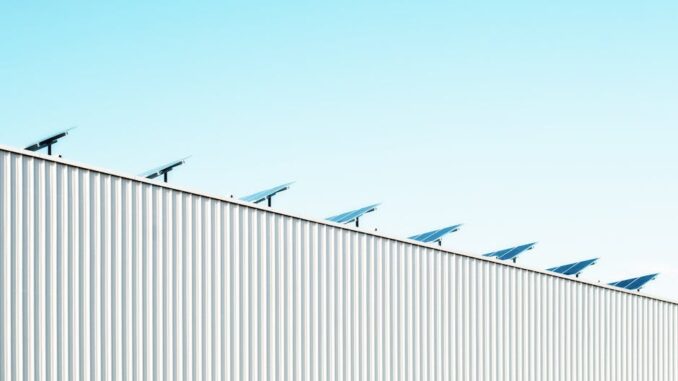
- Solar Photovoltaic (PV) Panels: These are the black or blue panels you see on rooftops, silently converting sunlight directly into electricity. Modern PV technology is incredibly efficient, even on cloudy days, and the cost has plummeted over the last decade, making it a very attractive investment.
- Types: Monocrystalline panels (sleek black, higher efficiency, good for limited roof space) and polycrystalline panels (blue, slightly lower efficiency but often more cost-effective) are the most common. Thin-film panels are less common for residential roofs but offer flexibility.
- Considerations: Roof orientation (south-facing is ideal, but east and west can also be very effective), shading from trees or other buildings, and roof pitch are all important. You’ll also want to consider battery storage to capture excess electricity generated during the day, which you can then use in the evenings or overnight, further reducing your reliance on the grid. Any surplus electricity you still generate can often be sold back to the grid through schemes like the Smart Export Guarantee (SEG), putting a little extra cash in your pocket. Not bad, eh?
- Solar Thermal Systems: Less about electricity and more about direct heat, solar thermal panels use the sun’s energy to heat water, often complementing or even replacing your conventional hot water system for much of the year.
- Types: Flat plate collectors (a simpler, often cheaper option) and evacuated tube collectors (more efficient, especially in colder, cloudier conditions).
- Benefits: They can significantly reduce your gas or electricity consumption for hot water, which is often a substantial portion of a home’s energy use. Imagine taking a hot shower knowing the sun did all the heavy lifting! They integrate beautifully with a well-insulated hot water cylinder.
Heat Pumps: Nature’s Own Heating System
Heat pumps are a bit like reverse refrigerators for your home, incredibly efficient at extracting latent heat from one source and transferring it to another. They don’t generate heat in the traditional sense; they move it, which is why they’re so efficient. They’re quickly becoming the default for sustainable heating in the UK, especially with the phasing out of gas boilers.
- Air-Source Heat Pumps (ASHPs): These units look a bit like air conditioning units and are typically placed outside your home. They extract heat from the ambient air, even when temperatures are well below freezing, and use it to warm your home’s central heating system and hot water.
- COP (Coefficient of Performance): This is a key metric. A COP of 3 means for every 1 unit of electricity used to run the pump, you get 3 units of heat energy. Pretty impressive, right?
- Installation: Requires an outdoor unit, often on a side or rear elevation. Internal space is needed for a hot water cylinder and buffer tank. They pair beautifully with underfloor heating or larger radiators because they operate most efficiently at lower flow temperatures than traditional boilers.
- Ground-Source Heat Pumps (GSHPs): These are the super-efficient, but more capital-intensive, cousins. They harness the stable temperature of the earth a few metres below the surface (around 8-12°C year-round in the UK). This involves installing a network of pipes either in horizontal trenches (if you have enough land) or vertical boreholes (if space is limited).
- Benefits: Even more stable and efficient than ASHPs due to the consistent ground temperature. Lower running costs in the long term.
- Considerations: Significant excavation work is required during installation, making them ideal for new builds or major renovations with ample outdoor space. They also perform best with low-temperature heating systems like underfloor heating.
Other Renewable Options to Consider (Context Dependent)
- Biomass Boilers: These burn sustainably sourced wood pellets, logs, or chips. While not as hands-off as a heat pump, they can be a great option for rural properties with access to fuel and sufficient space for fuel storage. Ensure your fuel source is certified sustainable.
- Micro-Wind Turbines: Far less common for typical residential settings, micro-wind might be an option for very exposed, rural locations where planning permission is feasible and noise isn’t an issue. They require a significant wind resource to be effective.
Ultimately, integrating renewables isn’t just about selecting a technology; it’s about designing your home to work with these systems. Thinking about roof orientation for solar, or space for a heat pump unit and associated hot water cylinders, from the outset will save you a world of pain and ensure your clean energy systems perform at their absolute best.
Step 4: Maximise Natural Light and Thoughtful Glazing
Imagine a home bathed in soft, natural light, where the sun streams in, warming the space and lifting your spirits. This isn’t just a romantic ideal; it’s a fundamental principle of energy-efficient design. Maximising natural light dramatically reduces your reliance on artificial lighting during the day, which, even with efficient LEDs, still consumes energy. Beyond the energy savings, it profoundly enhances indoor comfort, improves mood, and can even boost productivity. It’s about designing a home that feels bright, airy, and connected to the outdoors.
Architectural Elements for Luminous Interiors
- Strategic Window Placement and Sizing: This isn’t random. South-facing windows are your best friends in the UK, capturing maximum warmth and light during the day, especially in winter when the sun is lower in the sky. However, too much south-facing glass without proper shading can lead to overheating in summer. East-facing windows capture lovely morning light, west-facing windows offer afternoon sun, and north-facing windows provide consistent, diffuse light, great for studios or offices where direct glare is undesirable.
- Large Windows and Glazed Doors: Obvious, perhaps, but generously sized windows and glazed patio or bifold doors instantly connect internal spaces with external views and flood rooms with light. Consider full-height windows where privacy allows.
- Skylights and Rooflights: For single-storey extensions, loft conversions, or deeper plan homes, skylights are transformative. They bring light down from above, penetrating deep into the core of the building where wall windows can’t reach. They can also aid natural ventilation through stack effect.
- Open Floor Plans: A more open internal layout allows light from one side of the house to penetrate further, reducing the need for internal doors that block light paths. Reflective surfaces, like light-coloured walls and polished floors, can also help bounce light around a space.
- Clerestory Windows and Light Shelves: These clever architectural features, often placed high on a wall, can bring in light above eye level, providing illumination while maintaining privacy or allowing for furniture placement below. Light shelves are particularly smart, reflecting light deeper into a room and providing shading from direct sun.
Glazing Choices: More Than Just Glass
Not all glass is created equal. The glazing you choose plays a critical role in both light transmission and thermal performance. This is where the magic happens, controlling heat transfer and preventing those chilly spots near windows.
- Low-Emissivity (Low-E) Glass: This is a non-negotiable. Low-E coatings are microscopically thin, transparent layers applied to the glass surface. They reflect heat back into the room during winter and reflect solar radiation away in summer, effectively improving the window’s U-value without significantly reducing light transmission. It’s like having an invisible thermal blanket on your window.
- Argon or Krypton Gas Fills: Instead of just air, the gap between the panes in double or triple glazing is often filled with inert gases like argon or krypton. These gases are denser than air, further reducing heat transfer by convection and conduction, significantly improving the window’s thermal performance.
- Double vs. Triple Glazing: While double glazing is now standard, triple glazing takes energy efficiency to another level. With three panes of glass and two gas-filled cavities, it offers superior insulation, dramatically reducing heat loss and external noise. For a truly high-performance home, especially in colder parts of the UK or for north-facing facades, triple glazing is absolutely worth the investment.
- Frame Materials and Thermal Breaks: The frame itself can be a weak point. Look for frames made from materials with low thermal conductivity (e.g., uPVC, timber) or, for aluminium frames, ensure they incorporate thermal breaks – insulating materials that separate the inner and outer parts of the frame, preventing heat from conducting through the metal.
Controlling Solar Gain: Shading Strategies
While we love the sun, too much of a good thing can lead to overheating, especially in well-insulated, airtight homes. This means clever shading is essential.
- External Shading: This is always the most effective. Overhangs, brise soleil (fixed external louvres), retractable awnings, or even strategically planted deciduous trees (which provide shade in summer but lose their leaves to allow winter sun through) can prevent direct sunlight from hitting the glass, drastically reducing heat gain.
- Internal Shading: Blinds, curtains, and internal shutters offer flexibility, allowing you to control light and privacy. However, they’re less effective at preventing heat gain than external shading, as the heat is already inside the room before they can block it.
By carefully considering both the quantity and quality of light entering your home, you’re not just creating an energy-efficient dwelling; you’re crafting a vibrant, healthy, and psychologically uplifting environment. It’s about making your home feel naturally bright and inviting, reducing your reliance on switches and bulbs, and saving you a bit on your electricity bill while you’re at it.
Step 5: Implement Smart Home Technologies for Optimised Living
In our increasingly connected world, it makes perfect sense that our homes should be smart too, right? Integrating smart home technologies isn’t about futuristic gadgets or showing off; it’s about giving you unparalleled control over your energy consumption, comfort, and security. These systems empower you to monitor, manage, and optimise energy use, often without you even having to lift a finger, leading to significant savings and a more responsive living environment. It’s quite amazing what today’s tech can do.
Intelligent Heating and Cooling Controls
- Programmable and Learning Thermostats: Forget the old rotary dial. Modern smart thermostats, like Nest or Hive, learn your daily routines and preferences, automatically adjusting heating schedules to suit your lifestyle. They can detect when you’re away and turn down the heating, or even pre-warm your home before you arrive back. Many offer zoned heating, allowing you to control temperatures in individual rooms or areas, ensuring you’re only heating the spaces you’re actually using. Why heat the spare bedroom if no one’s in it, eh?
- Occupancy and Motion Sensors: These can be integrated with lighting and heating systems. Lights can automatically switch off when a room is empty, and heating can be adjusted down. In corridors or utility rooms, motion-activated lights are incredibly convenient and energy-efficient, ensuring lights are only on when truly needed.
Real-Time Energy Monitoring and Insights
- Energy Monitoring Dashboards: Many smart home hubs or even smart meters come with apps that provide real-time data on your electricity, gas, and even water consumption. Seeing exactly how much energy your home is using, and which appliances are drawing the most power, can be incredibly insightful. I know someone who discovered their old fridge-freezer was single-handedly responsible for 20% of their electricity bill just by monitoring it for a week! That kind of data drives real behavioural change and helps you pinpoint energy vampires.
- Smart Plugs: These ingenious devices allow you to control individual appliances remotely or put them on schedules. They’re perfect for eliminating ‘standby’ power drain (which can add up to surprisingly large amounts over a year) or for turning off forgotten appliances.
Automated Environmental Control
- Automated Window Shading Systems: Imagine blinds that automatically lower on a hot, sunny afternoon to prevent overheating, or raise themselves in winter mornings to let in passive solar gain. These systems can be integrated with external weather sensors, internal temperature sensors, or simply programmed to follow the sun’s path throughout the day. This is particularly useful for large glazed areas.
- Smart Lighting: Beyond occupancy sensors, smart lighting systems (using LED bulbs, of course) allow for dimming, colour temperature changes, and scheduling, all controlled from your phone or voice assistant. You can create ‘scenes’ for different moods or activities, reducing energy use while enhancing ambiance.
- Smart MVHR Control: Advanced MVHR systems can now be integrated into smart home setups, allowing you to monitor indoor air quality (CO2, humidity, VOCs) and automatically adjust ventilation rates as needed. This ensures optimal air quality without over-ventilating and wasting heat.
Smart home technologies aren’t just about convenience; they’re powerful tools for achieving truly optimal energy efficiency and creating a home that intelligently responds to your needs and the environment. They empower you, the homeowner, with the data and control to make informed decisions and live more sustainably, comfortably, and cost-effectively. It’s less about turning things on and off yourself and more about setting up your home to manage its own energy flow beautifully.
Step 6: Design for Longevity and Adaptability – Building for Tomorrow
True sustainability isn’t just about what you build today; it’s about how that building will perform and evolve over its entire lifespan. Designing for longevity and adaptability means creating a home that can gracefully weather the passage of time, accommodate changing family dynamics, technological advancements, and shifting needs without requiring major, resource-intensive overhauls. It’s about future-proofing your investment and truly embracing circular economy principles in construction. Because let’s face it, our lives rarely stay static, so why should our homes?
Flexible Spaces: Evolving with Your Life
- Open Plan with Potential for Division: While open-plan living is popular, consider how spaces might need to be divided in the future. Could a large living area become two smaller rooms with the addition of a stud wall or sliding partitions? Designing for this flexibility from the outset, perhaps by ensuring windows and services are appropriately placed, makes future changes much easier and less disruptive.
- Multi-functional Rooms: Can a guest bedroom double as a home office? Can a utility room also serve as a craft space? Thinking about how rooms can serve more than one purpose increases the efficiency of your footprint and reduces the need for additional, dedicated spaces. I’ve seen some clever designs where a dining area transforms into a meeting space for a home business with minimal effort.
- Accessible Design: Even if you’re sprightly today, consider designing your home with future accessibility in mind. Think about wider doorways, level thresholds, space for potential future lift installation, or wet rooms. This isn’t just for later life; it can also make a home more inclusive for visitors or temporary situations (e.g., a broken leg).
Modular Design Elements: Building Blocks for the Future
- Prefabricated Components: Using modular or prefabricated elements, where appropriate, can increase construction efficiency and quality. It also means that in the future, if an element needs to be replaced or reconfigured, it might be easier to swap out a standardised component rather than undertake bespoke, messy demolition and rebuild.
- Designed for Disassembly: A truly forward-thinking approach is to design components and connections in such a way that they can be easily disassembled, repaired, or even reused at the end of their life, rather than ending up in landfill. This is a core tenet of the circular economy – keeping materials in use for as long as possible.
Durable, Low-Maintenance Finishes: The Timeless Approach
- Robust Materials: As discussed in the sustainable materials section, choosing durable materials that stand the test of time reduces the need for frequent replacement. Think about materials like natural stone, high-quality timber, robust bricks, and durable metal roofing. These materials might have a higher upfront cost, but their longevity offers significant whole-life cost savings and reduces resource consumption.
- Low-Maintenance Surfaces: Opt for finishes that require minimal cleaning, painting, or repair. For example, solid wood floors might need occasional re-sanding, but they last decades; carpets often need replacing far more frequently. Specifying materials that weather well and don’t require constant chemical treatments or harsh cleaning products is also a win for indoor air quality and maintenance costs.
Future-Proofing Your Infrastructure
- Electric Vehicle (EV) Charging: It’s almost certain that EVs will become the norm. Ensure you have the necessary electrical infrastructure (e.g., a dedicated circuit for a charge point) installed or at least easily installable during the design phase. It’s much cheaper to run the conduit now than to open up walls later.
- High-Bandwidth Cabling: Our need for fast, reliable internet isn’t going away. Install high-quality Cat6 (or even Cat7) ethernet cabling throughout the house, alongside fibre-optic readiness, even if you plan to rely on Wi-Fi initially. Wired connections are always more stable and faster for critical devices.
- Smart Technology Backbone: Ensure your electrical system and network infrastructure can support a comprehensive smart home system, even if you don’t implement everything on day one. Think about conduit for future wiring, and accessible locations for control hubs.
Designing for longevity and adaptability means thinking beyond the immediate project completion date. It’s about creating a home that can gracefully adapt to the inevitable shifts in technology, personal needs, and environmental considerations. This approach not only makes your home more resilient and valuable in the long run but also embodies a profoundly sustainable philosophy, ensuring it remains a comfortable, efficient, and beloved space for generations to come.
Bringing It All Together: Your Energy-Efficient UK Home
So there you have it, a comprehensive look at what goes into designing an energy-efficient home here in the UK. It’s a journey, undoubtedly, one that requires careful consideration, informed choices, and a willingness to embrace new technologies and proven sustainable practices. But the rewards? They’re immense.
We’re talking about a home that’s not just a place to live, but a sanctuary of comfort and well-being, consistently warm in winter and cool in summer, all while operating with a minimal environmental footprint. You’ll enjoy significantly lower energy bills – a welcome relief given today’s economic climate – and contribute positively to our collective fight against climate change. Moreover, an energy-efficient, sustainable home isn’t just good for your conscience; it’s a future-proof asset, highly desirable and valuable in a market increasingly prioritising green credentials.
Remember, whether you’re embarking on a brand-new build or a deep renovation of an existing property, the principles remain the same. Start with the fabric: insulate, insulate, insulate, and make it airtight. Then layer on the sustainable materials, the renewable energy systems, the smart tech, and the flexible design elements. Each step builds upon the last, creating a holistic, high-performance dwelling.
This isn’t just about technical specifications; it’s about making a mindful choice to live better, smarter, and more in harmony with our planet. It’s an investment in your comfort, your finances, and our collective future. And honestly, isn’t that a brilliant place to start building your dream home?
References
- How to Design an Energy-Efficient Home | Maidenhead Planning – Architects Based in Maidenhead (maidenheadplanning.co.uk)
- Sustainable Home Design UK | Eco-Friendly Residential Tips (ecodenconstructions.co.uk)
- 5 Energy-Saving Interior Design Tips For Homes In 2025 | Design Juices (designjuices.co.uk)
- Eco-friendly homes: how to make your home greener by switching energy provider, upcycling and more | The Standard (standard.co.uk)
- Installing cavity wall insulation – an expert guide | Homebuilding (homebuilding.co.uk)
- Passivhaus Trust: UK Passive House Standard (passivhaustrust.org.uk)
- Energy Saving Trust: Independent energy advice (energysavingtrust.org.uk)
- The Green Register: Directory of sustainable building professionals (greenregister.org.uk)
Be the first to comment