

Supercharging Your Building’s Energy Efficiency: A Comprehensive, Step-by-Step Playbook
In our rapidly evolving world, improving the energy efficiency of existing buildings isn’t just a fleeting trend or a ‘nice-to-have’; it’s become an absolute imperative. You see, with energy costs persistently creeping upwards and the escalating, undeniable pressure of climate change, proactive steps to enhance your building’s energy performance are no longer optional. They offer a dual benefit: substantial financial savings for your bottom line and a significantly reduced carbon footprint for the planet. But it’s more than just economics and ecology, isn’t it? It’s also about future-proofing your assets, attracting and retaining tenants who increasingly value sustainability, and quite frankly, creating more comfortable, healthier environments for everyone inside.
Imagine a building, perhaps one you own or manage, silently hemorrhaging money through drafty windows or an ancient, inefficient boiler. It’s a costly problem, and often, an invisible one until you really start looking. This guide is designed to help you not only identify those leaks but also to plug them, transforming your property into a lean, green, energy-saving machine. We’re going to dive deep, much deeper than just the surface-level recommendations, because real change, lasting change, requires a thorough, strategic approach.
Successful low-energy building design hinges on careful planning. Focus360 Energy can help.
Unpacking the UK’s EPB Reforms: What Building Owners Need to Know
Before we jump into the practical ‘how-to,’ it’s crucial to understand the regulatory landscape, especially here in the UK. The government has recently ushered in some rather significant reforms to the Energy Performance of Buildings (EPB) regime. Their primary goal? To arm homeowners, tenants, and commercial property stakeholders with more accurate, transparent information about a building’s energy performance. This isn’t just bureaucratic red tape, mind you. It’s about empowering smarter decisions – whether you’re eyeing an investment, planning a purchase, determining eligibility for various green schemes, or simply tracking progress against those ambitious governmental carbon reduction targets.
So, what exactly do these reforms mean in practice? Let’s break it down:
-
Additional Metrics for a Fuller Picture: Gone are the days when a single, overarching score was deemed sufficient. The new regime introduces a broader set of metrics. Think about it, we’re not just looking at energy consumption in isolation anymore; we’re often considering things like primary energy usage, carbon emissions specific to the building, and sometimes even the building’s operational energy intensity. These provide a much more nuanced understanding of where a building stands, helping you pinpoint areas that need the most attention. It’s like getting a full health check-up, not just a blood pressure reading.
-
Updated Requirements for EPCs and DECs: The familiar Energy Performance Certificates (EPCs) and Display Energy Certificates (DECs) aren’t going anywhere, but the goalposts have certainly shifted. You can expect updated methodologies for assessment, possibly stricter criteria for achieving higher ratings, and potentially, more frequent renewal requirements for certain building types. This means that an EPC you got five years ago, while still valid, might not reflect the full story under today’s more rigorous lens. Building owners absolutely need to be aware of these changes, as compliance directly impacts marketability and, in some cases, your ability to lease or sell a property. I remember one landlord I know, utterly bewildered by a sudden drop in their building’s EPC rating after a reassessment. Turns out, the new metrics highlighted deficiencies they hadn’t even considered before.
-
Improved Data Accessibility: This is a big one for transparency and informed decision-making. The government is working to make energy performance data more readily available, within appropriate privacy safeguards, of course. For you, this means easier access to information on comparable properties, helping you benchmark your building’s performance against others in your sector or region. It fosters a more competitive environment, encouraging everyone to up their game. Imagine being able to see, at a glance, how your office building stacks up against another down the street – it’s a powerful motivator, wouldn’t you agree?
-
Strengthened Quality of Air Conditioning Inspection Reports: This specific focus underscores the often-underestimated energy drain of inefficient AC systems. These reports are now expected to be more robust, providing clearer, more actionable recommendations for improving efficiency. They’ll likely delve deeper into system sizing, control strategies, refrigerant leakage, and maintenance practices. A poor AC system doesn’t just guzzle energy, it can also create uncomfortable indoor environments, leading to complaints and reduced productivity. So, getting these reports right is about both energy and comfort.
These EPB reforms aren’t just about ticking boxes; they represent a fundamental shift towards greater accountability and a more strategic approach to building management. They create both obligations and, importantly, opportunities for those willing to embrace them. Staying ahead of these changes isn’t just smart, it’s essential for long-term property value and operational success.
Practical Strategies to Enhance Energy Efficiency: A Comprehensive Guide
Now, let’s roll up our sleeves and get into the tangible steps. Improving energy efficiency isn’t a one-and-done task; it’s a continuous journey, a bit like maintaining a classic car. It requires diligence, investment, and a keen eye for detail. Here’s a detailed breakdown of the practical strategies you can implement:
1. Conducting Regular Energy Audits: Your Building’s Health Check and Roadmap
Think of an energy audit as a thorough health check for your building. You wouldn’t skip your annual physical, would you? The same logic applies here. This isn’t just about identifying where energy is being wasted; it’s about getting a comprehensive diagnosis that provides a clear, actionable roadmap for improvements. You absolutely can’t make informed investment decisions without knowing your starting point.
Regular audits – I’d suggest at least once a year for larger, more complex buildings, or whenever significant changes occur – ensure your building remains efficient and compliant with EPB standards. But what exactly does an audit entail?
Types of Audits:
- Level 1 (Walk-Through Audit): This is your basic, initial assessment. An energy auditor will perform a quick visual inspection of the building and its major systems (HVAC, lighting, envelope) during a site visit. They’ll review utility bills, interview operational staff, and identify obvious areas of waste. It’s a great starting point for spotting the ‘low-hanging fruit’ – the quick wins that don’t require heavy investment. The report usually provides general recommendations and potential cost savings.
- Level 2 (Standard Energy Audit): This delves much deeper. The auditor will conduct a more detailed analysis of energy consumption patterns, perform calculations for various energy conservation measures (ECMs), and conduct more specific measurements. They might use specialized tools, such as thermal imaging cameras to spot insulation gaps or blower door tests to measure air leakage. The report will typically include a breakdown of costs for implementing each ECM, estimated savings, and simple payback periods. This is where you start getting serious about investment decisions.
- Level 3 (Investment Grade Audit – IGA): For larger, more complex projects, an IGA is the gold standard. This comprehensive audit provides an extremely detailed engineering analysis of potential ECMs, often involving sophisticated modeling software and long-term utility data analysis. The cost estimates and projected savings are very precise, allowing for financing arrangements like energy performance contracts. This is the one you go for when you’re considering a ‘deep energy retrofit’ – a holistic transformation.
What Auditors Look For:
Experienced auditors will employ a variety of techniques. They might use thermal imaging to literally see heat escaping from walls or windows. They’ll conduct air leakage tests to pinpoint drafts. They’ll analyze the efficiency of your HVAC equipment, check lighting levels against recommended standards, and scrutinize operational schedules to ensure systems aren’t running unnecessarily. The goal is to establish a baseline of energy usage and then identify those key opportunities for reduction.
The Benefits are Multifold: Beyond simply identifying waste, an audit helps you prioritize investments, ensuring you put your money where it will have the biggest impact. It establishes critical baselines, allowing you to track progress over time. And perhaps most importantly, it demystifies your building’s energy consumption, turning vague concerns into clear, quantifiable action points. I remember a client who swore their HVAC system was perfectly fine, only for an audit to reveal it was drastically oversized for their needs, cycling on and off constantly and wasting immense amounts of energy. The audit changed their entire renovation plan.
2. Upgrading Insulation: The Silent Energy Saver, Your Building’s Winter Coat
If your building were a person, insulation would be its warmest, coziest winter coat. Proper insulation is absolutely critical for maintaining a comfortable indoor temperature, no matter what the weather’s doing outside, and drastically reducing energy consumption. It’s not just about keeping the heat in during winter; it’s about keeping the heat out in summer. Enhancing insulation in walls, ceilings, floors, and around every window and door can dramatically cut both heating and cooling costs. This really isn’t an area to skimp on, the long-term savings are just too significant.
Types of Insulation & Materials:
- Wall Insulation:
- Cavity Wall Insulation: If your building has a cavity between its inner and outer walls, filling this gap with materials like mineral wool, expanded polystyrene (EPS) beads, or polyurethane foam can be incredibly effective. It’s often a relatively quick and non-disruptive process.
- External Wall Insulation (EWI): This involves adding a layer of insulation to the outside of the building, which is then covered with render or cladding. EWI significantly improves thermal performance and can also refresh a building’s aesthetics, but it’s a more substantial project.
- Internal Wall Insulation (IWI): If EWI isn’t feasible, insulation boards or stud walls filled with material can be added to the inside. This will slightly reduce internal room dimensions but offers substantial thermal benefits.
- Roof/Attic Insulation: This is often the easiest and most cost-effective upgrade. Materials like mineral wool rolls, rigid insulation boards (PIR, EPS), or even spray foam can be used in lofts and attics. A well-insulated roof acts as a crucial barrier against heat loss (and gain).
- Floor Insulation: Insulating floors, especially those over unheated spaces like crawl spaces or basements, prevents significant heat transfer. This can involve rigid boards, mineral wool, or even injecting insulation under floorboards.
- Pipework and Ductwork Insulation: Don’t forget the hidden heroes! Insulating hot water pipes and heating/cooling ducts prevents heat loss before the energy even reaches its destination. It’s a simple, often overlooked step that yields real savings.
When we talk about insulation, terms like R-value (resistance to heat flow) and U-value (rate of heat transfer) are key. A higher R-value means better insulation, while a lower U-value indicates better thermal performance for a whole assembly like a window or wall. Always aim for the best values you can reasonably achieve for your budget and building type.
The Crucial Role of Air Sealing:
Insulation is only half the battle. Air sealing is its indispensable partner. Even the best insulation won’t perform optimally if cold air is whistling through cracks and gaps. Common culprits include: around windows and door frames, electrical outlets, pipe penetrations through walls, attic hatches, and gaps where walls meet floors or ceilings. Using caulking, weatherstripping, and expanding foam to seal these leaks can make a massive difference, reducing drafts and ensuring your heated or cooled air stays where it belongs. I’m convinced the money I spent on sealing around my own drafty old sash windows was one of the best energy investments I’ve ever made. The difference was immediate and palpable, no more shivering near the sofa!
Impact Beyond Energy: Proper insulation also contributes to temperature stability, significantly reducing noise transfer from outside, helping to control moisture buildup, and even contributing to the structural integrity and longevity of building materials. It’s truly a foundational element of an energy-efficient, comfortable building.
3. Installing Energy-Efficient Lighting: Illuminating Your Savings Path
Lighting might seem like a small piece of the energy puzzle, but it can be surprisingly significant, especially in commercial spaces. Making the switch to modern, energy-efficient lighting isn’t just a suggestion; it’s practically a no-brainer. Seriously, by swapping out old incandescent or even older fluorescent tubes for LED (Light Emitting Diode) technology, you can slash your lighting energy use by up to 75%. That’s not a typo, seventy-five percent! It’s a staggering figure, especially when you consider how long they last.
Why LEDs are the MVP of Lighting:
- Massive Energy Savings: As mentioned, they use significantly less electricity than traditional bulbs, generating less heat, which in turn reduces the load on your cooling systems during warmer months. It’s a double win!
- Incredibly Long Lifespan: LEDs last dramatically longer than incandescent bulbs – sometimes 25 to 50 times longer. This means far fewer replacements, saving on maintenance costs and the hassle of frequent re-lamping.
- Versatility: They come in a vast array of colours, brightnesses, and form factors. You can get warm, inviting light or crisp, task-oriented illumination. They’re also instantly on, fully dimmable, and perform well in various temperatures.
- Durability: LEDs are solid-state devices, meaning they don’t have filaments to break, making them much more robust and resistant to vibration.
Beyond the Bulb: Smart Lighting Systems:
While swapping out old bulbs for new LEDs is a fantastic start, the real magic happens when you incorporate smart lighting systems. These aren’t just about convenience; they’re powerful energy managers:
- Occupancy Sensors: Lights automatically turn on when someone enters a room and switch off when it’s empty. Perfect for meeting rooms, restrooms, or storage areas that aren’t constantly occupied.
- Daylight Harvesting: Sensors detect the amount of natural light available and dim or switch off artificial lights accordingly. Why use electricity to light a space that’s already bathed in sunshine?
- Scheduling: Program lights to turn on and off based on building operational hours, ensuring no energy is wasted after hours.
- Integration with BMS: Link your lighting system to your Building Management System for centralized control, advanced analytics, and seamless coordination with other building systems.
Layered Lighting Design & Maintenance:
Consider a layered lighting design that provides different types of light for different purposes – ambient for general illumination, task lighting for specific work areas, and accent lighting to highlight features. This approach optimizes energy use without sacrificing functionality or aesthetics. Also, don’t forget the simple things: regularly cleaning light fixtures ensures maximum light output, and implementing group relamping strategies can minimize labor costs over time.
Many governments and utility companies offer financial incentives or rebates for switching to energy-efficient lighting, so it’s always worth investigating what’s available in your area. This can help offset the initial investment, making the payback period even shorter. It’s an upgrade that truly pays for itself, and often much faster than you might think.
4. Optimizing HVAC Systems: The Building’s Lungs and Thermostat
Your Heating, Ventilation, and Air Conditioning (HVAC) system is arguably the single largest energy consumer in most buildings. Old, poorly maintained, or improperly sized HVAC systems are absolute energy drains, much like trying to run a marathon with leaky lungs. Upgrading to modern, energy-efficient models and implementing smart control strategies can dramatically optimize performance and reduce consumption. But ‘upgrade’ is a broad term, so let’s get specific.
Beyond Simple Upgrades: Strategic Choices:
- Right-Sizing Systems: One of the biggest mistakes is installing an HVAC system that’s either too large or too small. An oversized system will cycle on and off frequently (short-cycling), wasting energy and failing to properly dehumidify. An undersized system will run constantly, struggling to maintain setpoints. Proper sizing, based on a detailed load calculation, is paramount.
- Zonal Control: Instead of heating or cooling an entire building uniformly, implement zonal control. This allows you to manage temperatures independently in different areas, matching comfort needs with occupancy. Why cool an empty wing of an office block?
- Variable Refrigerant Flow (VRF) Systems: These advanced systems can simultaneously provide heating and cooling to different zones, offering incredible flexibility and energy efficiency, particularly in buildings with varying internal loads.
- Heat Pumps: Air source, ground source, and even water source heat pumps are incredibly efficient, especially for heating. They don’t generate heat; they move it, extracting it from the air, ground, or water, even in cold temperatures. This makes them a fantastic, low-carbon alternative to traditional boilers.
The Power of Smart Thermostats & Controls:
Modern smart thermostats and advanced building controls are vital. These aren’t your grandmother’s mercury switches; they’re sophisticated devices that can:
- Learn Occupancy Patterns: Some use predictive algorithms to pre-heat or pre-cool a space based on learned behavior.
- Offer Remote Access: Adjust settings from anywhere, ensuring you’re not cooling an empty office on a bank holiday.
- Integrate with BMS: For larger buildings, a robust Building Management System (BMS) ties all HVAC components into a single, intelligent network, allowing for centralized monitoring, fault detection, and optimization.
Demand-Controlled Ventilation (DCV):
This is a smart way to manage fresh air intake. Instead of bringing in a constant, often excessive, amount of outside air (which then needs to be heated or cooled), DCV systems use CO2 sensors to measure indoor air quality. They then adjust the ventilation rate based on actual occupancy levels. Less fresh air means less energy spent conditioning it, without compromising air quality. It’s a genius solution, I think, for spaces with variable occupancy, like lecture halls or large meeting rooms.
Regular Maintenance: Non-Negotiable:
An HVAC system is a complex piece of machinery; it demands consistent care. Regular maintenance isn’t just about fixing things when they break; it’s about preventing them from breaking and ensuring peak efficiency. This includes:
- Filter Replacement: Clogged filters restrict airflow and make your system work harder, wasting energy.
- Coil Cleaning: Dirty evaporator and condenser coils reduce heat transfer efficiency.
- Refrigerant Checks: Proper refrigerant levels are crucial for optimal cooling and heating.
- Duct Sealing: Leaky ducts can lose a significant amount of conditioned air before it even reaches your rooms.
- Seasonal Commissioning: Having a professional check and tune your system at the beginning of heating and cooling seasons ensures everything is operating as designed. The cost of not doing this can be astronomical in wasted energy and premature equipment failure. My old boss once ignored a strange rattling in our office AC, thinking it was ‘just a noise.’ It ended up costing us a fortune in repairs and, worse, a stifling summer for the entire floor before it was fixed.
Optimizing your HVAC system is one of the most impactful steps you can take. It will deliver not only significant energy savings but also enhanced comfort and air quality for your building’s occupants.
5. Leveraging Smart Building Technologies: The Brains of the Operation
If insulation is the coat and HVAC the lungs, then smart building technologies are undeniably the brain, the central nervous system, that orchestrates everything. We’re moving beyond simple automation to genuine intelligence, where systems don’t just react but anticipate and continuously optimize. Integrating these technologies allows for real-time monitoring, granular control, and a level of energy management that was unimaginable just a few years ago.
The Core: Building Management Systems (BMS):
At the heart of any truly smart building is a robust Building Management System (BMS). This is a computer-based control system that monitors and manages your building’s mechanical and electrical equipment – think HVAC, lighting, power, fire, security, and sometimes even vertical transport. A BMS provides a centralized platform to:
- Monitor Performance: Track energy consumption, temperature, air quality, and equipment status across the entire building.
- Control Systems: Adjust setpoints, schedules, and operational modes from a single interface.
- Detect Faults: Identify anomalies or equipment malfunctions before they escalate into costly breakdowns.
- Optimize Operations: Use collected data to fine-tune system settings for maximum efficiency and comfort.
The Eyes and Ears: IoT (Internet of Things) Sensors:
The BMS gains its intelligence from a vast network of IoT sensors deployed throughout the building. These tiny, connected devices are constantly gathering data:
- Temperature and Humidity Sensors: Ensuring optimal indoor climate.
- Light Sensors: For daylight harvesting and adjusting artificial lighting levels.
- Occupancy Sensors: To know when a space is being used or is vacant, informing lighting and HVAC decisions.
- Air Quality Sensors: Monitoring CO2, VOCs (Volatile Organic Compounds), and particulate matter to ensure a healthy indoor environment and inform ventilation strategies.
- Energy Meters: Providing granular data on energy consumption by specific circuits, floors, or equipment.
This stream of data is the lifeblood of smart building optimization. It allows you to move from guesswork to data-driven decisions.
The Intelligence: AI and Machine Learning:
Here’s where things get really exciting. Once you have a steady flow of data from your IoT sensors and BMS, Artificial Intelligence (AI) and Machine Learning (ML) algorithms can come into play. These advanced systems can:
- Predictive Maintenance: Analyze equipment performance data to predict when a component might fail, allowing for proactive maintenance and avoiding costly downtime.
- Anomaly Detection: Identify unusual energy spikes or performance deviations that might indicate a problem.
- Continuous Optimization: Adjust HVAC setpoints, lighting schedules, and ventilation rates in real-time based on a multitude of factors – occupancy, outside weather forecasts, peak energy pricing, even predicted solar gain. They learn and adapt, continually finding the most energy-efficient ways to maintain comfort.
The classic example, and a truly inspiring one, is the Empire State Building’s green retrofit. This iconic landmark, through a monumental effort that included extensive AI integration, achieved a staggering 40% energy reduction, translating into over $4 million in annual savings. That’s not small potatoes! It demonstrates what’s possible when you combine smart technology with a clear vision. The building literally learns to manage itself more efficiently over time.
Data Analytics and Integration:
Beyond just control, the ability to perform data analytics is crucial. Visualizing energy usage patterns, identifying trends, benchmarking against historical data or similar buildings – these insights empower building managers to make strategic decisions. Furthermore, the true power lies in integration. When your lighting talks to your HVAC, and your security system informs your occupancy sensors, you create a cohesive, intelligent ecosystem that optimizes the entire building, not just individual components. It’s truly a game-changer for energy efficiency.
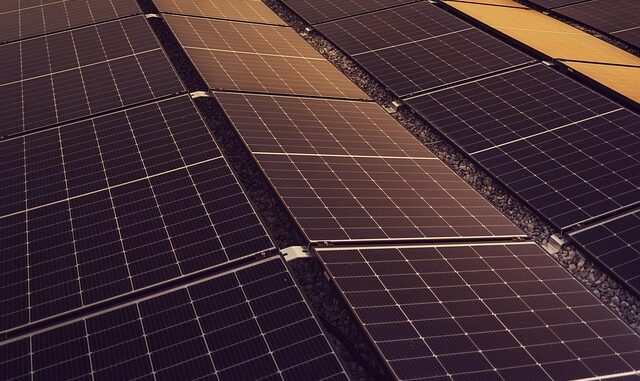
6. Adopting Renewable Energy Sources: Powering a Greener Future, One Ray of Sun at a Time
While improving your building’s efficiency is paramount, the next logical step is to consider where your remaining energy comes from. Adopting renewable energy sources isn’t just a feel-good gesture; it’s a sound financial decision and a powerful statement of commitment to sustainability. Installing solar panels or exploring other forms of green energy can drastically reduce your reliance on fossil fuels, stabilize or lower your energy costs, and provide a significant boost to your environmental credentials.
Solar Photovoltaic (PV) Systems:
- Rooftop Installations: The most common form, solar PV panels convert sunlight directly into electricity. Modern panels are increasingly efficient, and suitable for a wide range of roof types. Proper orientation and shading analysis are key for optimal performance.
- Building-Integrated Photovoltaics (BIPV): This is where the PV cells are integrated directly into the building materials themselves, acting as facades, windows, or roof tiles. It’s a more aesthetically pleasing solution that offers both energy generation and architectural benefits.
- Energy Storage (Batteries): To maximize self-consumption and resilience, integrating battery storage allows you to store excess solar energy generated during the day and use it during peak demand periods or at night. This can significantly reduce your reliance on the grid and even provide backup power during outages.
Solar Thermal Systems:
Separate from PV, solar thermal panels capture the sun’s heat to warm water. This can provide a substantial portion of a building’s hot water needs, reducing the demand on conventional boilers or water heaters. It’s a fantastic solution for reducing gas or electricity consumption for water heating.
Wind Energy (Small-Scale):
While large wind farms are highly visible, smaller-scale wind turbines can be viable for specific building applications, especially in rural or exposed locations with consistent wind resources. These often complement other renewable sources.
Geothermal Systems:
These systems leverage the stable temperature of the earth to provide highly efficient heating and cooling. A ground source heat pump circulates a fluid through buried pipes, exchanging heat with the ground. In winter, it extracts heat from the earth; in summer, it dissipates heat into the earth. It requires significant upfront investment for ground loops, but offers exceptionally low running costs and a very long lifespan.
Purchasing Green Energy:
If on-site generation isn’t feasible, you can still support renewable energy by actively purchasing it:
- Renewable Energy Certificates (RECs): By purchasing RECs, you’re essentially buying the ‘green’ attribute of renewable energy generation, supporting the growth of the renewable energy market.
- Power Purchase Agreements (PPAs): You can enter into an agreement with a renewable energy developer to purchase electricity directly from a specific renewable energy project, often at a fixed or predictable price.
Feasibility Studies & Financial Incentives:
Before diving in, always conduct a comprehensive feasibility study. This involves a detailed site assessment, a thorough cost-benefit analysis, and an examination of any regulatory hurdles. Look into government grants, tax incentives, and financing options – many regions actively support renewable energy adoption, which can significantly improve the payback period. The long-term savings and reduced exposure to volatile energy markets make renewables an increasingly attractive investment. I’ve seen numerous buildings successfully integrate these solutions, slashing their energy bills and becoming beacons of sustainability in their communities. It’s truly inspirational to see the shift.
7. Enhancing the Building Envelope: Your Protective Skin and First Line of Defense
We’ve touched on insulation, but the building envelope encompasses much more. It’s essentially everything that separates the interior of your building from the exterior environment – your roof, walls, windows, and doors. It’s your building’s protective skin, and a well-performing envelope is absolutely critical for preventing unwanted heat loss in winter and heat gain in summer. A leaky, inefficient envelope forces your heating and cooling systems to work overtime, wasting vast amounts of energy and money.
Key Components of the Envelope Upgrade:
- Windows: Old, single-pane windows are notorious for energy loss. Upgrading to modern, energy-efficient windows can make a dramatic difference. Look for:
- Double or Triple Glazing: Multiple panes of glass with air or gas-filled gaps (often argon or krypton) provide superior insulation.
- Low-Emissivity (Low-E) Coatings: These microscopic coatings on the glass reflect radiant heat, keeping warmth inside during winter and outside during summer.
- Thermal Breaks: Frames made with materials that don’t conduct heat as readily, preventing heat transfer through the frame itself.
- Proper Sealing: Even the best window won’t perform if it’s not properly installed and sealed around the frame. Air leakage here is a huge culprit.
- Doors: Similar to windows, exterior doors need to be robustly insulated and sealed. Consider:
- Insulated Cores: Doors with foam or solid insulation within their structure.
- Weatherstripping and Draft Excluders: Crucial for sealing gaps around the door frame when closed.
- Airlocks/Vestibules: For high-traffic entrances, creating a small, enclosed entry space acts as a buffer against outside temperatures and drafts, significantly reducing heat transfer every time the main door opens.
- Roofs: Beyond insulation, the type of roof covering plays a role:
- Cool Roofs: Utilizing highly reflective materials or coatings, cool roofs reflect sunlight and absorb less heat, keeping the building cooler and reducing AC demand.
- Green Roofs: Layered with vegetation, green roofs provide excellent insulation, manage stormwater, and even contribute to urban biodiversity, though they require specific structural considerations.
- Walls: We discussed insulation earlier, but it’s worth reiterating the importance of addressing thermal bridging – areas where insulation is interrupted (e.g., at structural elements), creating pathways for heat transfer. Continuous insulation layers are often the ideal.
The ‘Deep Retrofit’ Concept:
For maximum impact, many building owners are now embracing the concept of a deep energy retrofit. This isn’t just piecemeal upgrades; it’s a holistic, integrated approach that addresses multiple building systems, including the envelope, HVAC, and lighting, all at once. The aim is to achieve dramatic, often 50% or more, energy reductions. While the upfront cost is higher, the long-term savings, enhanced comfort, and increased property value make it a compelling strategy. It’s a fundamental transformation, not just a patch-up job.
Remember, your building’s envelope is its first line of defense against the elements. Investing in its improvement isn’t just about saving energy; it’s about creating a more resilient, comfortable, and sustainable environment for years to come. It’s like giving your building a truly impenetrable shield against energy waste.
8. Educating Occupants and Staff: The Human Element of Efficiency
This might be the most overlooked, yet one of the most cost-effective, strategies on our list. All the smart tech, advanced insulation, and efficient HVAC systems in the world won’t achieve their full potential if the people using the building aren’t on board. Promoting energy-efficient behaviors among building occupants and staff can lead to surprisingly substantial energy savings, often with little to no capital investment. It’s about leveraging the human element.
Cultivating Energy-Conscious Behavior:
- Simple, Consistent Messaging: Encourage practices like turning off lights when leaving a room (especially conference rooms, which are often left lit unnecessarily), unplugging chargers and appliances when not in use (phantom load is real!), and using natural light whenever possible.
- HVAC System Awareness: Educate staff on the optimal thermostat settings and discourage extreme temperature adjustments. Explain how to properly operate window blinds or shades to manage solar gain and glare. A colleague once told me about an office where staff would open windows in winter while the heating was on full blast – a perfect example of wasted energy that education could easily remedy.
- Recycling and Waste Management: While not directly energy efficiency, encouraging good waste habits often goes hand-in-hand with an overall culture of sustainability and resourcefulness.
Empowerment Through Information:
People are more likely to adopt new behaviors if they understand the ‘why’ and see the impact. Consider:
- Real-time Energy Dashboards: Displaying current energy consumption data in common areas can make energy use tangible and foster a sense of collective responsibility.
- Regular Tips and Reminders: Circulate energy-saving tips via internal newsletters, intranet sites, or strategically placed signage (think ‘Last one out, turn off the light!’ but more engaging).
- Feedback Loops: Share the results of energy-saving initiatives. Did the building reduce its electricity consumption by 5% last quarter? Celebrate that! Show how individual actions contribute to the bigger picture.
Training and Engagement:
For staff involved in building operations, provide training on how to effectively use smart controls, report maintenance issues promptly, and understand the impact of their daily tasks on energy consumption. Consider running friendly competitions or ‘energy challenges’ between departments or floors to gamify savings and create a bit of healthy competition. It can be surprising how much engagement a small incentive can generate!
Leading by Example:
Management commitment is key. If senior leaders are visibly committed to energy efficiency, it sends a powerful message throughout the organization. This isn’t just about lip service; it’s about actively participating in initiatives, advocating for upgrades, and allocating resources. The ripple effect of a strong, energy-conscious culture can be far-reaching, transforming the building’s overall energy profile.
Beyond the Basics: Holistic Approaches and Future-Proofing Your Building
Achieving true energy efficiency goes beyond isolated projects. It involves weaving these strategies into a broader, holistic vision for your building’s lifecycle. We’re talking about thinking smart, long-term, and strategically.
Lifecycle Costing, Not Just Upfront Costs:
One of the biggest pitfalls is focusing solely on the initial purchase price of equipment or the immediate cost of an upgrade. Instead, adopt a lifecycle costing approach. This considers the total cost of ownership over the expected lifespan of an asset, including acquisition, installation, operation, maintenance, and even disposal. An energy-efficient HVAC system might have a higher upfront cost, but its dramatically lower operational expenses often make it the far more economical choice over its 15-20 year lifespan. It’s a bit like buying a car; you don’t just look at the sticker price, you think about fuel economy, insurance, and maintenance too, right?
Commissioning and Re-commissioning: Ensuring Optimal Performance:
It’s a common misconception that once new equipment is installed, it automatically operates at peak efficiency. Not so fast! Commissioning is the process of verifying that a building’s systems and equipment are installed, tested, and operate according to the owner’s operational requirements. For existing buildings, re-commissioning (or retro-commissioning) involves a systematic process to improve the performance of existing building systems. It often uncovers settings that were never quite right or systems that have drifted out of calibration, leading to significant energy savings without major capital investment. It’s like a tune-up for your entire building’s operational brain.
Green Building Certifications: A Stamp of Sustainability Excellence:
Pursuing green building certifications like BREEAM, LEED, or WELL can be a powerful driver for energy efficiency. These internationally recognized standards provide a framework for designing, constructing, and operating buildings sustainably. While certification isn’t always cheap, it mandates rigorous performance standards, often including significant energy reduction targets. It also offers tangible benefits: enhanced marketability, higher asset value, lower operating costs, and a clear demonstration of corporate social responsibility. It’s a recognized mark of quality in the sustainable building world.
Circularity: Beyond Efficiency, Towards Resourcefulness:
Looking further into the future, the concept of circularity in building materials and practices is gaining traction. This means not just using less energy, but also considering the entire lifecycle of materials – how they’re sourced, their embodied energy, how they can be reused or recycled at the end of a building’s life. It’s a holistic approach to resource management that complements energy efficiency by minimizing waste and environmental impact at every stage.
Resilience: Building for an Uncertain Future:
Finally, energy efficiency often goes hand-in-hand with resilience. A building that consumes less energy is inherently more resilient to energy price fluctuations and supply disruptions. Integrating on-site renewables with battery storage, for example, not only reduces grid reliance but also provides essential backup power during outages, ensuring critical systems remain operational. In a world facing increasing climate uncertainty, building resilience into your operations isn’t just smart, it’s a strategic necessity.
Conclusion: Your Building’s Journey Towards a Brighter, Greener Future
So there you have it. Enhancing the energy efficiency of existing buildings is clearly a multifaceted, dynamic endeavor. It absolutely requires a thoughtful combination of strategic planning, intelligent investment, and ongoing, diligent management. It’s not just about one silver bullet, but rather a coordinated effort across many fronts. By methodically implementing the strategies we’ve outlined – from comprehensive energy audits and fundamental insulation upgrades to cutting-edge smart technologies and active occupant engagement – building owners and managers can truly transform their properties.
This isn’t just about complying with the latest EPB reforms, although that’s certainly a part of it. It’s about achieving significant, tangible cost savings, bolstering your building’s long-term value, attracting premium tenants, and critically, making a genuine contribution to environmental sustainability. Think about the legacy you’re creating! Every watt saved, every kilogram of carbon emissions avoided, contributes to a healthier planet for us all.
Remember, the journey to improved energy efficiency is, by its very nature, an ongoing one. Technology evolves at an astonishing pace, and new practices emerge regularly. Staying informed, remaining curious, and being open to continuous innovation will ensure your building not only remains compliant but also stays at the forefront of energy performance, ready for whatever the future might bring. It’s an investment that pays dividends, not just in pounds and pence, but in comfort, sustainability, and peace of mind. Let’s make our buildings work smarter, not harder. You’ve got this.
References
- UK Government. (2024). Reforms to the Energy Performance of Buildings regime. https://www.gov.uk/government/consultations/reforms-to-the-energy-performance-of-buildings-regime
- The Constructor. (2023). Maximizing Energy Efficiency in Commercial Buildings: Tips and Tricks. https://theconstructor.org/building/building-tips/maximizing-energy-efficiency-in-commercial-buildings-tips-and-tricks/571300/
- Design to Future. (2023). 10 Ways to Improve the Energy Efficiency of Your Building. https://designtofuture.com/10-ways-to-improve-energy-efficiency-in-your-building/
- Buildings. (2023). 6 Steps to Creating and Increasing Building Efficiency. https://www.buildings.com/resiliency-sustainability/energy-water-efficiency/article/55294612/6-steps-to-creating-and-increasing-building-efficiency
- NovaPWR. (2025). Implementing Energy Efficiency Measures in Buildings. https://www.novapwr.com/implementing-energy-efficiency-measures-existing-buildings/
- Constellation. (2023). How to Improve Your Building’s Efficiency. https://blog.constellation.com/2023/05/25/how-to-improve-building-energy-efficiency/
- Time. (2020). The Empire State Building’s Green Retrofit Was a Success. Will Other Buildings Follow Suit? https://time.com/6026610/empire-state-building-green-retrofit/
- Time. (2022). How AI Is Making Buildings More Energy-Efficient. https://time.com/7201501/ai-buildings-energy-efficiency/
- Kiplinger. (2023). 18 Ways to Cut Your Energy Bill. https://www.kiplinger.com/personal-finance/ways-to-cut-your-energy-bill
- Wikipedia. (2023). Deep energy retrofit. https://en.wikipedia.org/wiki/Deep_energy_retrofit
- Wikipedia. (2023). Sustainable refurbishment. https://en.wikipedia.org/wiki/Sustainable_refurbishment
Be the first to comment