

Mastering Passivhaus: Your Comprehensive Guide to Ultra-Low Energy Building
Designing a building that not only feels utterly comfortable year-round but also sips energy rather than guzzles it? It’s a vision many aspire to, yet often seems like a colossal undertaking. The good news is, you’re not navigating uncharted waters. The Passivhaus standard offers a remarkably robust, globally recognized framework that’s been proven to achieve precisely this goal. It’s more than just an energy-saving label; it’s a holistic approach to building physics, a meticulous recipe for creating truly high-performance structures. Let’s really dig into the foundational principles and the practical, step-by-step actions you’ll want to take to integrate them seamlessly into your upcoming projects.
The Bedrock: Core Principles of Passivhaus Design
Think of Passivhaus as a finely tuned orchestra, where each instrument plays a vital role in creating a harmonious, energy-efficient building. Missing one element, or playing it poorly, well, it can throw the whole performance off. So, what are these crucial components?
Successful low-energy building design hinges on careful planning. Focus360 Energy can help.
1. The Super-Insulated Envelope: A Cozy Cocoon
Imagine wrapping your entire home, every single surface, in a thick, continuous, almost impenetrable blanket. That’s the vivid picture you should have in mind for a super-insulated envelope. This isn’t just about adding a bit more insulation than usual; we’re talking about incorporating significantly higher levels across all boundary elements: the walls, the roof, and the floor. This isn’t simply a matter of comfort, though that’s a huge benefit. Primarily, it’s about minimizing heat transfer—the constant push and pull of warmth trying to escape in winter or intrude in summer.
By creating such a formidable thermal barrier, you drastically reduce the rate at which heat moves through the building’s shell. This means your interior spaces stay remarkably warm when the mercury plummets outside and delightfully cool when the sun beats down. What’s the beautiful consequence of this? It dramatically lessens, and in many cases, almost eliminates the need for conventional, energy-hungry heating and cooling systems. We’re talking about U-values (a measure of heat loss) that are often three to five times better than typical building codes demand, ensuring that the fabric of the building itself does the heavy lifting in maintaining stable indoor temperatures.
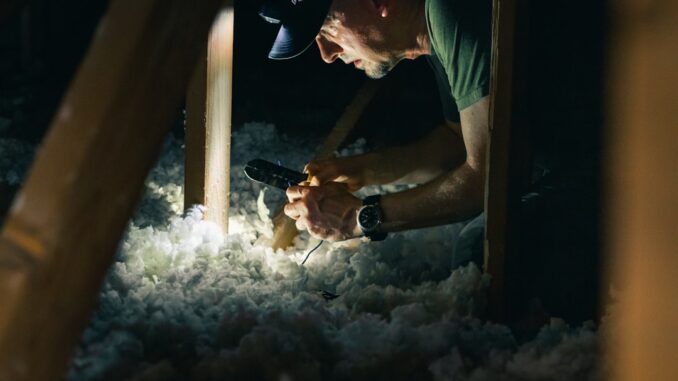
Materials matter here too; you’ll typically see a combination of mineral wool, rigid foam boards, or blown-in cellulose, meticulously installed to avoid gaps and compressions. It’s truly about treating the building like an oversized thermos flask, keeping its contents at just the right temperature. This thoughtful design means smaller heating and cooling units, less ductwork, and ultimately, a simpler, more robust system that’s far less prone to failure and costly repairs. Who wouldn’t want that?
2. Airtight Construction: Sealing the Deal on Efficiency
An airtight building envelope is absolutely critical; it’s the seal on that thermos. Without it, all that excellent insulation becomes far less effective. Air leakage, often invisible, can account for a significant portion of a building’s energy losses. Think about it: uncontrolled air movement allows precious conditioned air to escape, and unconditioned, often moisture-laden, outside air to infiltrate. This compromises not only energy efficiency but also indoor air quality, comfort, and even the building’s long-term durability.
Passivhaus sets an incredibly stringent target for airtightness: a maximum of 0.6 air changes per hour (ACH) at 50 Pascals (Pa) of pressure. To give you some context, many conventional buildings might leak at 10 to 15 ACH or even more. That’s like trying to fill a bucket with a massive hole in the bottom! By achieving this level of airtightness, you gain precise control over ventilation, preventing unwanted pollutants, dust, allergens, and moisture from sneaking in. Moreover, you eliminate those uncomfortable drafts that always seem to find their way into a leaky building, no matter how high you crank the thermostat.
Achieving this demands exceptional attention to detail during construction, employing specialized tapes, membranes, and sealants. Every joint, every penetration for wires or pipes, every window and door frame must be meticulously sealed. And how do you prove you’ve reached this standard? Through a blower door test, which depressurizes and pressurizes the building to measure actual air leakage, giving you concrete data on your success. It’s a non-negotiable step and a real quality check.
3. High-Performance Windows and Doors: Not Just Pretty Views
Traditionally, windows and doors have been the Achilles’ heel of a building’s thermal performance, often functioning more like gaping holes in an otherwise insulated wall. Passivhaus flips this script entirely. Here, windows and doors are engineered components, every bit as robust thermally as the surrounding walls. We’re talking almost exclusively about triple-pane glazing, which features three layers of glass separated by inert gas fills like argon or krypton. These gas layers significantly reduce heat transfer by conduction and convection between the panes.
But it doesn’t stop there. The frames themselves are equally crucial. Passivhaus-certified windows boast insulated frames, often made from uPVC, timber, or thermally broken aluminum, preventing heat from bypassing the excellent glass units through the frame material. On top of that, special low-emissivity (Low-E) coatings are applied to the glass. These microscopic metallic layers are like smart filters, selectively allowing certain wavelengths of light and heat to pass through while reflecting others. In winter, they’re designed to let in desirable solar heat gain to passively warm the interior, while crucially blocking unwanted heat from escaping. Conversely, in summer, they minimize solar heat gain, preventing overheating.
Effectively, these windows perform as a highly insulated, integrated part of the building envelope, vastly superior to standard double-glazing. They ensure comfort right up to the glass surface, eliminate condensation issues even on the coldest mornings, and maintain an even internal temperature without those noticeable cold spots near the glazing. It’s a truly sophisticated piece of the puzzle, and a well-specified window package can transform the livability of a space.
4. Mechanical Ventilation with Heat Recovery (MVHR): Breathing Easy, Efficiently
Given the superb airtightness of a Passivhaus, you can’t just rely on opening a window for fresh air; that would utterly defeat the purpose of all that careful sealing! Instead, Passivhaus mandates a sophisticated Mechanical Ventilation with Heat Recovery (MVHR) system. This isn’t just an exhaust fan; it’s a precisely engineered lung for your building.
The MVHR system continuously exhausts stale, humid, and pollutant-laden air from ‘wet’ rooms (like bathrooms and kitchens) and simultaneously supplies a constant flow of fresh, filtered outdoor air into ‘dry’ rooms (such as living areas and bedrooms). The magic happens in the system’s core: a highly efficient heat exchanger. Here, as the outgoing stale air passes through, up to 90% of its thermal energy (heat in winter, coolness in summer) is transferred to the incoming fresh air stream, without the two air streams ever mixing.
What does this mean for you? In winter, the freezing fresh air is pre-warmed by the outgoing warm air, effectively ‘for free.’ In summer, the hot incoming air is pre-cooled by the outgoing conditioned air, again, with minimal energy use. This ensures an exceptional level of indoor air quality—free from external pollutants, pollen, and dust—all while recovering a vast amount of energy that would otherwise be simply vented to the outside. No more stuffy air, no lingering odors, just a constant supply of clean, comfortable, temperature-controlled air, without the energy penalty of traditional ventilation. Plus, many MVHR systems include filters that can tackle everything from fine dust to allergens, making them a godsend for anyone with respiratory sensitivities. It’s an invisible workhorse, quietly ensuring your building breathes perfectly.
5. Thermal Bridge-Free Construction: No Weak Links
Think of thermal bridges as stealthy little heat thieves, quiet conduits for energy loss that can undermine all your other efforts. These are localized points in the building envelope where the insulation layer is interrupted or compromised, allowing heat to bypass the insulated shell. Common culprits include concrete slab edges, balcony connections, steel beams piercing the insulation, or even poorly detailed corners and window junctions.
The problem isn’t just the energy loss; thermal bridges also create localized cold spots on internal surfaces. These cold spots can lead to surface condensation, which, over time, can cause dampness, mold growth, and ultimately, damage to the building fabric. It’s a genuine issue for both comfort and health. Passivhaus design meticulously plans to eliminate these weak points through smart detailing, continuous insulation layers that wrap seamlessly around the structure, and the use of structural thermal breaks where necessary (for instance, special connectors that join external balconies to the main structure without creating a cold bridge).
This involves a holistic approach, considering every connection and junction in the design phase. It means asking, ‘How does the heat flow here?’ and ensuring that insulation is truly continuous and unbroken. The goal is an envelope where the temperature across the internal surface of the building stays remarkably even, eliminating those chilly spots and ensuring a truly uniform, comfortable internal environment. It requires collaboration between architects, engineers, and builders from the very start, scrutinizing every detail on the drawings, making sure no thermal bridge is left unaccounted for. This really sets Passivhaus apart, demonstrating an obsessive attention to thermal performance that simply isn’t present in conventional construction.
Making it Happen: Implementing Passivhaus Principles in Your Projects
Translating these robust principles from theory to tangible brick and mortar (or timber and steel!) requires a systematic, disciplined approach. It’s not about making a few tweaks; it’s about integrating these concepts from the initial sketch right through to the final commissioning.
1. Accurate Performance Modeling: The PHPP Advantage
If the Passivhaus standard has a brain, it’s undoubtedly the Passive House Planning Package (PHPP). This isn’t just another energy calculator; it’s a sophisticated, incredibly precise planning tool developed by the Passivhaus Institute. It allows you to model your building’s energy balance with astonishing accuracy, predicting heating and cooling demands, primary energy consumption, and even overheating risk, all based on specific climate data, materials, and components.
Why is this so crucial? Because it’s an iterative design tool. You input your proposed U-values for walls, roof, and floor, your window specifications, airtightness targets, ventilation rates, and even internal heat gains from occupants and appliances. The PHPP then crunches the numbers, telling you if your design is on track to meet the stringent Passivhaus criteria. If it’s not, you can adjust variables—perhaps increase insulation thickness, specify better windows, or refine your shading strategy—and immediately see the impact. This feedback loop empowers designers to optimize their decisions, avoiding costly over-specification while ensuring the targets are met. It’s a fundamental step that guarantees your design isn’t just aiming for Passivhaus but will actually achieve it. Working with a certified Passivhaus designer or consultant during this phase is absolutely invaluable; they know the software inside out and can guide you through the complexities.
2. Rigorous Quality Assurance: Building Beyond Standards
Achieving Passivhaus performance isn’t just about good design; it’s equally about exceptional execution. Therefore, implementing rigorous quality assurance across every phase—design, construction, and commissioning—is non-negotiable. This isn’t just about ticking boxes; it’s about embedding a culture of precision and accountability.
During design, this means regular reviews by certified Passivhaus consultants, scrutinizing every detail, especially junctions and connections, to eliminate thermal bridges and ensure airtightness strategies are viable. In construction, it translates into meticulous site supervision. You’re constantly checking that materials are installed correctly, insulation is continuous and gap-free, membranes are sealed perfectly, and penetrations are detailed with precision. Think of it: an incorrectly installed window or a small tear in an airtightness membrane can significantly compromise the final performance, potentially pushing you past the permitted air leakage or energy use limits.
Crucially, it includes critical on-site testing. This involves at least one, often multiple, blower door tests during construction to identify and rectify any air leaks before the building is finished and leaks become harder, if not impossible, to fix. The MVHR system also undergoes rigorous commissioning, ensuring it’s balanced correctly and delivering the right amount of fresh air. This comprehensive approach ensures that the building isn’t just designed to perform, but actually delivers on its performance targets once occupied. It’s a testament to the belief that ‘what gets measured, gets managed,’ leading to a building that truly lives up to its promise.
3. Continuous Insulation: A Seamless Thermal Blanket
We’ve touched on super-insulation, but the ‘continuous’ aspect is worth stressing. It means ensuring that your insulation layer is an unbroken, uninterrupted blanket wrapping around the entire building envelope, without any gaps, compressions, or thermal bridges. This sounds straightforward, right? But in practice, it demands careful detailing and coordination.
Consider traditional stud-frame construction: the wooden studs themselves are thermal bridges because wood has a lower R-value than the insulation between them. A Passivhaus design often uses exterior insulation systems, creating an unbroken thermal layer outside the structural frame, or employs double-stud walls with a significant cavity to allow a continuous insulation plane. The roof insulation must seamlessly meet the wall insulation, and the wall insulation must connect flawlessly with the floor or foundation insulation. Any discontinuity creates a path for heat to escape or enter, diminishing the overall performance and potentially creating those troublesome cold spots and condensation risks we discussed. This strategy is fundamental to maintaining a truly consistent indoor temperature and maximizing energy efficiency, it’s like putting on a winter coat with no missing patches or gaping holes, ensuring warmth all over.
4. Optimized Building Orientation: Harnessing Nature’s Energy
Before you even put pen to paper, considering the building’s orientation on its site is one of the most powerful, yet often overlooked, passive design strategies. It’s about intelligently interacting with the sun’s path and prevailing winds to your advantage.
In the Northern Hemisphere, for instance, a Passivhaus typically maximizes south-facing glazing. Why? Because south-facing windows receive significant solar gains during the lower winter sun, helping to passively heat the interior. However, this must be carefully balanced with appropriate shading strategies for the higher summer sun, preventing unwanted overheating. Thoughtful overhangs, external venetian blinds, or deciduous trees can provide critical shade during warmer months while allowing winter sun penetration. Similarly, understanding prevailing wind patterns can inform window placement for natural cross-ventilation during milder periods, though the MVHR system remains the primary ventilation method.
Strategic placement of windows isn’t just about energy; it also enhances natural daylighting, reducing the need for artificial lighting and creating brighter, more pleasant interior spaces. This thoughtful, site-specific approach allows the building to work with its environment, rather than against it, further reducing its operational energy demand. It’s a true celebration of passive solar design principles, carefully integrated into a high-performance shell.
5. Elimination of Thermal Bridges: Design to Detail
While we’ve covered what thermal bridges are, implementing their elimination means meticulous attention to architectural and structural detailing. This isn’t just an afterthought; it’s a primary consideration from the earliest design stages. Every connection, every junction, every material change point needs careful scrutiny.
For example, where a concrete floor slab meets an exterior wall, insulation must continue seamlessly, perhaps by incorporating a vertical layer of insulation at the slab edge or using a specialized thermal break product. Balconies, often notorious thermal bridges, might be connected using structural thermal break elements that maintain the structural integrity while drastically reducing heat flow. Parapets, corners, window reveals, and even the points where services (pipes, cables) penetrate the envelope—all require bespoke solutions.
The goal is to design a continuous thermal layer, like a truly unbroken line on a thermal imaging camera. This means architects, structural engineers, and mechanical engineers must collaborate closely, ensuring that each discipline’s decisions don’t inadvertently create a thermal weak point. It’s an investment in design time that pays dividends in comfort, energy savings, and structural longevity, preventing condensation and mold issues. This step truly distinguishes a Passivhaus from conventional construction, demanding a higher level of integrated design thinking.
The Payoff: Tangible Benefits of Passivhaus Design
So, after all this meticulous design and careful construction, what’s the reward? The benefits of a Passivhaus building extend far beyond merely impressive energy bills. They touch on comfort, health, sustainability, and long-term value, creating a truly superior living or working environment. It’s an investment that pays dividends for decades.
1. Unmatched Energy Efficiency: Slashing Bills and Carbon Footprints
This is perhaps the most widely recognized benefit, and for good reason. Passivhaus buildings are engineered to use an astonishingly low amount of energy for heating and cooling—up to 90% less compared to typical homes and approximately 75% less than the average new build. Think about that for a moment: your energy consumption for maintaining a comfortable indoor temperature becomes almost negligible. This translates directly into significantly reduced utility bills, providing financial resilience against fluctuating energy prices, which, let’s be honest, seem to only ever go one way.
Beyond the financial savings, the environmental impact is profound. By drastically cutting energy consumption, Passivhaus buildings contribute significantly to lowering carbon emissions, making them a powerful tool in combating climate change. They embody true sustainability, reducing reliance on fossil fuels and often making it easier to achieve net-zero or even net-positive energy goals by integrating a modest renewable energy system. It’s a proactive step towards a greener future, without compromising on luxury or comfort. Your building won’t just look good, it’ll do good.
2. Superior Indoor Air Quality: A Breath of Fresh Air
Given the airtightness, you might worry about stale air, but the opposite is true. The MVHR system is your building’s tireless lung, continuously supplying fresh, filtered outdoor air while exhausting stale, humid indoor air. This means a constant supply of clean air, free from external pollutants like pollen, dust, and traffic fumes, as well as internal contaminants such as VOCs (volatile organic compounds) from furnishings, cooking odors, and excess CO2.
For anyone suffering from allergies, asthma, or other respiratory sensitivities, this is a game-changer. You’re breathing filtered air 24/7, dramatically reducing exposure to irritants. Furthermore, the controlled ventilation also manages indoor humidity levels, preventing the build-up of moisture that can lead to mold and mildew growth, which are major contributors to poor indoor air quality and potential health issues. It’s a proactive health measure built right into your home, ensuring a healthier, more invigorating environment for all occupants. No more stuffy rooms, just crisp, clean air, always.
3. Unparalleled Comfort: A Sanctuary Year-Round
Comfort in a Passivhaus is something truly special, a tangible difference you’ll feel the moment you step inside. Thanks to superior insulation, meticulous airtightness, and high-performance windows, temperatures remain incredibly stable and uniform throughout the building. Say goodbye to cold spots near windows or exterior walls, and those annoying drafts are simply eliminated.
The internal surface temperatures of external walls and windows are consistently close to the indoor air temperature, meaning you won’t feel radiant heat loss or gain from these surfaces. This creates an environment where you can comfortably sit anywhere in the room, even right next to a window on a freezing winter day, without feeling a chill. Similarly, in summer, the building remains naturally cool, acting as a serene refuge from the oppressive heat outside. This consistent thermal comfort, combined with controlled humidity, fosters a truly pleasant and productive living or working space, enhancing well-being and satisfaction. It’s like being wrapped in a perfectly regulated thermal blanket, all the time.
4. Robust Sustainability: A Long-Term Commitment
Beyond immediate energy savings, Passivhaus design inherently champions long-term sustainability. By drastically reducing operational energy consumption, these buildings significantly lower their lifetime carbon footprint. They represent a tangible step away from energy-intensive heating and cooling, lessening the demand on grid infrastructure and often making them more resilient to future energy price volatility.
Furthermore, the quality-focused construction and meticulous detailing required for Passivhaus often result in more durable buildings. The controlled internal environment protects the building fabric from extreme temperature swings and moisture damage, which can extend its lifespan and reduce maintenance needs over time. It’s an investment in a building that will last, performing optimally for decades, and contributing positively to environmental goals for generations. It’s a holistic commitment to responsible building, making it a truly smart choice for anyone looking to build for the future.
5. Enhanced Acoustic Comfort and Durability
Another often-unsung benefit of Passivhaus construction is the remarkable acoustic comfort it provides. The combination of thick, super-insulated walls, high-performance triple-glazed windows, and airtight construction creates an incredibly quiet interior environment. External noise from traffic, neighbors, or even harsh weather conditions is significantly attenuated, turning your building into a peaceful sanctuary. This acoustic separation contributes immensely to occupant well-being, allowing for better sleep, concentration, and overall relaxation.
Moreover, the rigorous attention to detail and high-quality materials inherent in Passivhaus construction often translate into a more durable and resilient building. The controlled interior climate minimizes condensation risk and protects the building’s structure from moisture-related degradation, contributing to a longer service life and reduced maintenance costs over its lifespan. This isn’t just about energy; it’s about a superior overall product that stands the test of time, both physically and environmentally.
Navigating the Journey: Challenges and Considerations
While the benefits are undeniably compelling, it wouldn’t be a complete guide without acknowledging that the path to Passivhaus isn’t without its considerations. It’s a different way of thinking about building, which naturally presents some unique challenges.
1. Perceived Initial Cost
One of the most common questions I hear is about the upfront cost. Yes, a Passivhaus often has a higher initial construction cost compared to a conventional build—typically in the range of 5% to 15% more, though this varies greatly by region, builder experience, and project complexity. This isn’t because you’re adding ‘fancy extras,’ but because you’re investing in higher quality components (like triple-glazed windows), more extensive insulation, specialist airtightness materials, and the MVHR system.
However, it’s crucial to look beyond the initial price tag. This higher upfront investment is quickly recouped through drastically lower operational energy bills, improved comfort, and increased building longevity. Over the lifespan of the building, a Passivhaus will almost certainly prove to be more economical. Plus, as the standard gains traction, supply chains become more efficient, and builder experience grows, these cost premiums are steadily decreasing. It’s an investment, really, not an expense, when you consider the long-term value.
2. Design and Construction Complexity
Passivhaus design requires a higher level of precision and integration from all parties involved. Architects need to understand building physics deeply, ensuring details are thermally robust and airtight. Builders and tradespeople need to be trained and meticulous in their execution; there’s less room for error than in conventional construction. A small gap in insulation or an unsealed penetration can undermine months of effort.
This isn’t about more complexity, though, as much as different complexity. It means investing time in thorough design and planning upfront, ensuring everyone on the team understands the ‘why’ behind each detail. Finding certified Passivhaus consultants, designers, and builders who are experienced in this standard can significantly smooth the process. It truly highlights the importance of teamwork and communication across the entire project lifecycle.
3. Bridging the Skill Gap
The Passivhaus standard has been around for decades, originating in Germany, but its widespread adoption is still relatively new in many parts of the world. This means that finding a fully experienced workforce—from designers to plumbers to electricians—who are intimately familiar with Passivhaus principles and construction techniques can sometimes be a hurdle.
However, this situation is rapidly improving. More training courses are available, and the number of certified professionals is growing steadily. Engaging a Passivhaus consultant early in your project can help identify experienced contractors or provide crucial on-site training and quality control throughout the build. It’s about empowering your team with the right knowledge and expertise to deliver on the high-performance promise.
The Future is Passivhaus: Why It’s More Than Just a Trend
As concerns about climate change intensify and energy costs continue their upward trajectory, the Passivhaus standard is quickly moving beyond a niche interest to become a mainstream benchmark for high-performance building. It’s not merely a set of technical specifications; it represents a commitment to building a better, healthier, and more sustainable future.
Governments and municipalities worldwide are increasingly recognizing the value of ultra-low energy buildings, often integrating Passivhaus principles into their own sustainable building policies. We’re seeing greater innovation in materials, more cost-effective solutions for achieving the standard, and a growing community of passionate professionals dedicated to its widespread adoption.
For those of us in the architecture, engineering, and construction industries, embracing Passivhaus isn’t just about meeting future regulations; it’s about leading the way. It’s about delivering buildings that genuinely enhance the lives of their occupants, significantly reduce our environmental footprint, and offer long-term value. It’s not just a standard for now, it’s truly a standard for the next generation of resilient, comfortable, and energy-independent structures. Isn’t that something worth striving for?
Final Thoughts
Implementing Passivhaus principles demands careful planning, unwavering attention to detail, and a collaborative spirit among the entire project team. But the rewards, as we’ve explored, are truly transformative: dramatically reduced energy costs, unparalleled indoor comfort and air quality, and a profound positive environmental impact. It’s a worthwhile endeavor, one that delivers superior buildings and contributes meaningfully to a sustainable future. If you’re looking to build something truly exceptional, something that stands apart in its performance and livability, then Passivhaus offers a clear, proven pathway.
Be the first to comment