
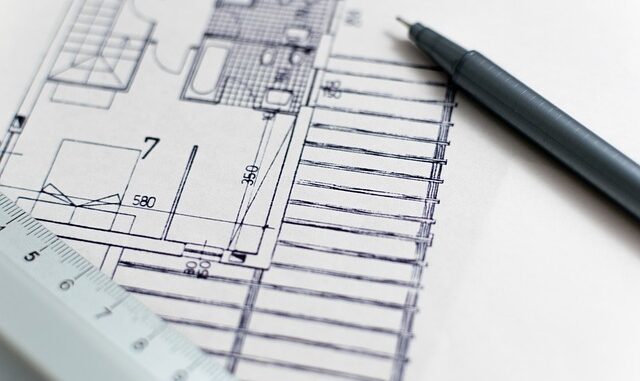

Embarking on the ambitious adventure of self-building your own home in the UK, well, it’s a journey brimming with both exhilarating highs and, let’s be honest, a fair share of challenging moments. It’s a huge undertaking, undoubtedly, but with some savvy planning and a crystal-clear understanding of the intricate process, you absolutely can transform that often-daydreamed vision into a very tangible reality. Imagine walking through the front door of a home you meticulously planned, every brick and beam a testament to your hard work. It’s truly something special, believe me. So, let’s peel back the layers and guide you through the exciting, sometimes daunting, but ultimately incredibly rewarding building planning process, step by step.
1. Unearthing Your Treasure: Finding the Perfect Plot
Every magnificent self-build, every grand design, starts with the very ground it stands upon. Finding that perfect patch of earth, the foundation of your future home, is arguably the most crucial initial step. It’s like finding a needle in a haystack, only the needle is vital to your entire project’s success. You’ll want to begin your search by meticulously identifying a plot that doesn’t just fit your budget, but genuinely resonates with your lifestyle and future needs.
Successful low-energy building design hinges on careful planning. Focus360 Energy can help.
Think about location, location, location. Are you dreaming of a tranquil rural retreat, a bustling urban infill, or something nestled in a quiet village? Consider the proximity to amenities – schools, shops, transport links, even your favourite coffee spot. The plot’s size is another major player; it’s not just about the footprint of your envisioned home, but also enough space for a garden, proper access for construction vehicles, and future expansion. You don’t want to squeeze a grand design onto a postage stamp, do you?
Now, here’s where a keen eye and a bit of diligence come in handy. Be acutely aware of potential red flags, because trust me, they can scupper a project faster than you can say ‘planning permission.’ A plot without existing planning permission is often cheaper, yes, but it carries a much higher risk and a longer, more uncertain journey ahead. Restrictive covenants, which are often historical agreements tied to the land, can dictate everything from the type of materials you can use to the height of your roof, sometimes even preventing certain trades or uses. Always have your solicitor thoroughly investigate these. Access to services – water, electricity, gas, broadband, and drainage – is non-negotiable. Trying to connect to a mains sewer that’s miles away, or bringing in a new power line, can quickly inflate your budget and timeline. I once heard of a couple who found a ‘bargain’ plot, only to discover it sat directly over a major gas pipeline, meaning no building was possible! A simple search early on could have saved them months of heartache and legal fees.
Don’t forget about the local planning context. Is the land in a conservation area, an Area of Outstanding Natural Beauty (AONB), or perhaps designated green belt? These classifications come with stringent rules and design limitations. A thorough site investigation, including soil tests, will reveal any hidden geological challenges or contamination. Flood risk is another critical factor to check. So, while the internet is a great starting point, nothing beats a physical visit to the plot, maybe even at different times of day, to really get a feel for it and understand its nuances. Enlist local estate agents, specialist plot finding services, and even local council planning portals in your quest. They often hold a wealth of information you won’t find on a casual browse.
2. Signing Up for the Future: Registering for the Right to Build
Alright, let’s talk about something that can really give you a leg up in the self-build game: the UK government’s Right to Build legislation. This isn’t just a quirky government initiative; it’s a genuine attempt to boost self- and custom-build homes across the country. Essentially, by registering your interest, you’re not just putting your name on a list; you’re actively influencing local planning decisions and nudging councils to make more self-build plots available.
So, what does registering actually achieve? Well, local planning authorities now have a statutory duty to grant enough planning permissions for self-build and custom-build homes to meet the demand on their ‘self-build and custom-build registers’. This means they literally have to facilitate a certain number of plots. It’s a fantastic mechanism, effectively saying to councils, ‘Hey, people want to build their own homes, and you need to help them do it.’ By signing up, you gain access to information about potential plots that might not be widely advertised, and you help demonstrate that crucial local demand. It’s like being part of a collective voice, saying, ‘We’re here, we’re ready, and we want to build!’
The process itself is refreshingly straightforward. You’ll typically find the registration form on your local council’s website. The eligibility criteria are pretty broad: you need to be 18 or over, a British citizen, an EEA national, or have indefinite leave to remain. Crucially, you must be seeking to build a home for your sole or main residence. You can register as an individual, or as a group if you’re planning a multi-home project. While registering doesn’t guarantee you a plot, nor does it grant planning permission, it’s a vital first step in officially stating your intent and getting on the radar of local authorities who are actively trying to meet this demand. It’s a proactive move, really, showing you’re serious about this commitment, and it helps councils understand the true scale of self-build interest in their area. Don’t skip this, it’s an easy win.
3. Making it Happen: Securing Your Financing
Ah, financing. The backbone of any ambitious project, and a self-build is certainly no exception. Securing the funds for a self-build can feel like navigating a complex maze, especially if you’re used to the simpler path of a standard residential mortgage. Specialist self-build mortgages are your key here, as they operate quite differently. Rather than releasing a lump sum at the start, these mortgages release funds in stages, carefully aligned with the construction progress. This phased approach mitigates risk for lenders – they’re not handing over all the cash until they see the project physically taking shape and increasing in value.
Typically, you’ll put down a substantial deposit, often 20-30% of the combined plot and build costs. Funds are then released at specific milestones, such as when the foundations are complete, the building is at roof level, or when it’s watertight. Each stage requires a valuation from the lender’s surveyor, who confirms the work completed and the increased value of the property. This means your cash flow needs to be meticulously planned, as you often need funds readily available to pay for the initial work before the next mortgage stage payment comes through. This gap can catch people out, so make sure you’ve got a robust cash flow projection and a healthy contingency fund – I’d say at least 10-15% of your total budget. Unexpected things happen, trust me.
It goes without saying that planning permission significantly impacts your financing options. Lenders are, understandably, hesitant to offer favourable terms on land without it. Why? Because without permission, the land has no guaranteed development value. A plot with full planning permission for a specific dwelling is far less risky in their eyes, and you’ll typically secure better rates and borrowing limits. Some lenders might offer ‘plot purchase’ mortgages, but these are usually bridge loans or have stricter criteria until full permission is granted.
Beyond the mortgage, consider all costs. There are professional fees – architects, structural engineers, surveyors – materials, labour, connection fees for utilities, and of course, insurance. You’ll need site insurance from day one, covering public liability and damage to the build itself, and then a structural warranty (like an NHBC or LABC warranty) for when the home is complete. This warranty is often a requirement for future mortgageability. Shop around for specialist lenders; traditional high-street banks sometimes struggle with the nuances of self-build finance. Engaging a good independent mortgage broker who specialises in self-builds can be a game-changer, helping you navigate the options and secure the best deal. They’ve seen it all, and they know the pitfalls.
4. Assembling Your A-Team: Engaging Professionals
Think of your self-build project like a complex symphony; you’re the conductor, but you need an orchestra of highly skilled musicians to create that masterpiece. Assembling the right team of professionals is absolutely non-negotiable for success. Their expertise won’t just guide you; it’ll ensure your project meets all legal, technical, and aesthetic requirements, and hopefully, stays on budget and schedule. Who exactly are these essential players?
-
The Architect: More than just a draughtsman, your architect is your visionary partner. They’ll translate your dreams into buildable drawings, navigate the complexities of planning policy, prepare detailed technical drawings, and often act as a project administrator during the construction phase. They’ll help with everything from initial feasibility studies to tender documents for builders, and sometimes even site inspections. Choose someone whose portfolio excites you and who genuinely understands your vision and the local planning landscape.
-
The Structural Engineer: While your architect designs the aesthetics, the structural engineer ensures it doesn’t fall down! They’ll calculate the loads, design the foundations, specify beams, columns, and other structural elements, and ensure the building is sound and safe. Their work is critical for building regulations compliance.
-
The Quantity Surveyor (QS): If budget management is a concern (and for most of us, it absolutely is!), a QS is your financial guardian. They’ll provide detailed cost estimates, manage tenders from contractors, control costs throughout the build, and advise on contract administration. They’re invaluable for keeping your finances on a tight leash and preventing nasty surprises.
-
The Project Manager: If you’re not planning to manage the build yourself – and let’s be honest, it’s a full-time job – a dedicated project manager is crucial. They’ll coordinate all the trades, oversee the schedule, manage the budget, handle procurement, and ensure quality control. They’re the glue that holds everything together.
-
Building Control Inspector: Separate from planning, this expert ensures your build complies with all building regulations. You can choose either your local authority’s building control department or an approved independent inspector. They’ll conduct inspections at various key stages, from foundations to completion, issuing a completion certificate at the end.
-
Energy Assessor: They’ll perform the Standard Assessment Procedure (SAP) calculations, which are required for building regulations approval and for your final Energy Performance Certificate (EPC). Their advice can be crucial for achieving a highly efficient home.
-
Solicitor: Beyond the initial plot purchase, a good solicitor will review all contracts with professionals and contractors, ensuring your interests are protected throughout the build.
When choosing these professionals, don’t just pick the first name you find. Interview several candidates, ask to see their portfolios, check references, and importantly, get a clear understanding of their fee structure. Chemistry is important too – you’ll be working closely with them for a significant period, so a good working relationship is vital. My friend Dave, for instance, once hired an architect he ‘got on with’ more than one whose portfolio was stellar. The project dragged, communication broke down, and he ended up paying more in the long run. Learn from his mistake!
5. Bringing it to Life: Designing Your Home
This is where your dreams really begin to take shape. Collaborating closely with your architect to design a home that not only reflects your deepest desires but also expertly navigates local planning policies is a pivotal, and frankly, delightful stage. This isn’t just about aesthetics; it’s about creating a living, breathing space that truly works for you and your family, today and long into the future.
Start with a detailed brief. What are your non-negotiables? How many bedrooms, bathrooms, and living spaces do you need? What’s your lifestyle like – do you entertain often, work from home, need dedicated hobby spaces? Think about the flow of the house, how rooms connect, and how natural light will move through the spaces at different times of the day. A well-designed home maximizes light and creates a sense of openness.
Your plot itself will heavily influence the design. Is there a stunning view to capture? Does the sun rise in a particular direction you want to embrace? How does the topography of the land affect the foundations or the layout? An architect worth their salt will conduct a thorough site analysis, orienting the house to optimize solar gain in winter and minimize overheating in summer. They’ll consider privacy, neighbouring properties, and access points.
Beyond the practical, think about the architectural style. Do you envision a sleek, contemporary dwelling with clean lines and expansive glass, or a more traditional home that complements the local vernacular? Materials play a huge role here – natural stone, timber cladding, render, brick. Each choice impacts the look, the feel, and indeed, the long-term maintenance and sustainability. Don’t be afraid to push boundaries, but also be realistic about what will gain planning approval in your specific area.
Crucially, embed energy efficiency and sustainability into the very DNA of your design. This isn’t just a ‘nice to have’ anymore; it’s essential. Think about high levels of insulation, triple glazing, airtight construction, and renewable energy sources like air source heat pumps, solar PV panels, or even ground source heat pumps. A well-designed, energy-efficient home will save you a fortune on running costs for decades to come. Future-proofing your home means considering things like accessibility on the ground floor, potential for loft conversions, or adaptability of rooms as your family’s needs evolve. Work through various iterations with your architect, using 3D models and visualisations to truly understand the spatial qualities. Don’t be shy about asking for changes; it’s your home, after all!
6. The Planning Maze: Navigating the Planning Permission Process
Ah, planning permission. For many, this is the most daunting hurdle, a bureaucratic beast that can either pave the way for your dream or stop it dead in its tracks. It is, without a doubt, a critical stage in your self-build journey, requiring patience, precision, and sometimes, a healthy dose of resilience.
First off, understand that there are different types of planning applications. For a new self-build, you’ll most likely be submitting a Full Planning Application. However, sometimes people start with Outline Planning Permission to establish the principle of development on a plot, then follow up with a Reserved Matters application later for the detailed design. My advice? Go for Full Planning if you can, it’s usually more straightforward in the long run if you’re clear on your design.
The single best piece of advice I can give you here is to engage with your local planning authority early. Seriously, don’t wait. Many councils offer a ‘pre-application advice’ service. This might come with a small fee, but it’s an investment that pays dividends. You can submit preliminary sketches and ideas, and a planning officer will provide informal feedback on whether your proposal is likely to be acceptable, highlighting any potential issues or necessary changes. This consultation is invaluable; it helps you understand any specific constraints on the land – perhaps it’s in a conservation area, or there are protected trees, or a particular local design code you need to adhere to. It’s a chance to iron out problems before you invest heavily in detailed drawings and formal submission fees.
Your application will need to be comprehensive, typically including detailed architectural drawings, a Design and Access Statement (explaining the rationale behind your design and how you’ve considered access for all users), site plans, existing and proposed elevations, and sometimes specialist reports (e.g., ecological surveys, flood risk assessments, tree surveys). Your architect will usually handle the submission, but you should understand what’s going in.
Local development plans are the rulebook. Your proposal will be assessed against these policies. Are you building too high? Too close to a neighbour? Does the design fit the character of the area? These are all questions the planning officer will ask. Neighbours will also be consulted, and sometimes, they’ll object. These objections can be frustrating, but the planning authority can only consider ‘material planning considerations’ (e.g., overshadowing, loss of privacy, traffic generation), not personal dislikes. If there are significant objections or complex issues, your application might go before a planning committee for a decision, rather than being decided by a delegated officer.
Common reasons for refusal often revolve around scale, design, impact on neighbours, or non-compliance with local policy. If refused, you have the right to appeal to the Planning Inspectorate, but this adds significant time and cost. Better to get it right the first time! Once approved, your planning permission will likely come with conditions – these might relate to specific materials, landscaping, or even restrictions on future alterations. Read them carefully; complying with conditions is just as important as getting the permission itself.
7. The Technicalities: Understanding Building Regulations
Once you’ve successfully navigated the planning permission labyrinth, a new, equally critical layer of compliance awaits: Building Regulations. Think of planning permission as permission to build something, and Building Regulations as the detailed rulebook on how to build that something safely, efficiently, and to a high quality. These aren’t just suggestions; they are legal requirements designed to protect you and future occupants.
Building Regulations cover a vast array of aspects, from structural integrity and fire safety to drainage, ventilation, energy performance, accessibility, and electrical installations. They are enshrined in law and are supported by ‘Approved Documents,’ which provide detailed guidance on how to meet the regulations. For example, Approved Document L covers the conservation of fuel and power (energy efficiency), while Approved Document B deals with fire safety.
So, how do you comply? You have two main routes: the Full Plans Application or a Building Notice. For a self-build, a Full Plans Application is generally recommended. Here, detailed drawings, specifications, and calculations are submitted to your chosen Building Control body (either your local authority or an Approved Inspector) before work starts. They’ll check everything and issue an approval notice, often with conditions. This gives you peace of mind that your proposed build meets the standards.
A Building Notice, on the other hand, is a simpler notification to your local authority of your intention to build. It’s typically used for minor works, not full house builds, as it puts the onus entirely on you to ensure compliance without prior plan checking. This route carries more risk, so for a complex project like a self-build, a Full Plans application is undoubtedly the safer bet.
Throughout the construction phase, your Building Control Inspector will conduct a series of mandatory site inspections at various key stages – foundations, damp proof course, drainage, roof structure, and pre-completion. They’re looking to ensure the work on the ground matches the approved plans and complies with regulations. If something isn’t right, they’ll tell you to fix it, which can cause delays and extra costs. Once all inspections are complete and satisfied, they’ll issue a Completion Certificate. This document is absolutely vital; without it, you can’t officially occupy your home, and you’ll struggle to sell it in the future. It’s also often a prerequisite for your self-build mortgage to fully convert to a standard mortgage.
Beyond the primary Building Regulations, remember specific certifications. All electrical work must be certified by a competent person (Part P of Building Regulations), and gas installations by a Gas Safe registered engineer. Your energy performance will result in an Energy Performance Certificate (EPC), a legally required document. Familiarizing yourself with these regulations early on, and leaning heavily on your architect, structural engineer, and chosen Building Control body, will help you avoid costly mistakes and frustrating delays down the line. It’s about building it right, the first time.
8. The Grind: Managing the Construction Phase
Now, this is where the rubber meets the road! The construction phase is often the longest, most intensive, and arguably the most exciting part of your self-build journey. Effective project management here isn’t just helpful; it’s absolutely critical to staying on schedule, within budget, and maintaining your sanity. You’re moving from paper to bricks and mortar, and it’s a whirlwind.
How you manage the construction often depends on your comfort level and time commitment. You could opt for a main contractor, who takes on all responsibility for the build, sub-contracting trades and managing the site. This is often the least hands-on for you but can be the most expensive. Alternatively, you might take on the role of project manager yourself, hiring individual trades (electricians, plumbers, bricklayers, roofers, etc.) and coordinating them directly. This can save money but demands an enormous amount of time, knowledge, and problem-solving skills. A hybrid approach, where you manage some aspects but hire a site manager for specific phases, is also an option.
Regardless of your chosen approach, a detailed schedule is your bible. Use a Gantt chart or similar tool to map out every single task, its duration, and its dependencies. Knowing when the roof trusses need to arrive so the roofers can start, or when the plumber needs to fit first-fix pipes before the plasterers come in, is crucial. Keep a very close eye on your budget. Track every single penny spent against your projections, update your cash flow, and ensure that all invoices match the agreed-upon rates. That 10-15% contingency fund? Don’t dip into it unless absolutely necessary, and always know exactly where you stand financially.
Quality control is another constant responsibility. Don’t be afraid to ask questions or point out issues if something doesn’t look right. Regular communication with your team – daily huddles with your site manager, weekly meetings with key trades – will prevent misunderstandings and keep everyone aligned. Establish clear lines of responsibility. My cousin, Mark, decided to project manage his build himself, and while he saved a lot of money, he admits he was on site for 12 hours a day, every day, for nearly a year. He told me, ‘It was like having another full-time job, but with higher stakes.’ Make sure you’re ready for that level of commitment if you go down that route.
Beyond the physical build, remember health and safety. You, as the client, have responsibilities under the Construction (Design and Management) Regulations (CDM Regulations), especially if you’re managing the project yourself. Ensure a safe working environment for everyone on site. Think about site security, waste management (recycling as much as possible), and dealing with unexpected issues – bad weather, material delays, or a trade suddenly unavailable. These will happen; it’s how you react and adapt that defines your success. Stay flexible, stay organised, and keep that vision of your finished home firmly in mind.
9. The Home Stretch: Preparing for Completion and Handover
The air smells of fresh paint, tools are being packed away, and that glorious moment of moving in is tantalisingly close. The completion and handover phase is all about tying up loose ends, ensuring everything meets your exacting standards, and officially receiving your new home. Don’t rush this part; diligence now will prevent headaches later.
As construction nears its end, conduct thorough inspections. This isn’t just a quick walk-through; it’s a detailed snagging process. You, your architect, or an independent snagging inspector should go through every room, every cupboard, every window, noting down any defects, incomplete work, or items that don’t meet the agreed specifications. This could be anything from a crooked light switch to a small chip in a worktop or a patch of paint that needs redoing. Take photos, be specific, and assign deadlines for rectification. This snagging list is a crucial document, and final payments to trades or contractors should ideally be contingent on satisfactory completion of these items.
Ensure you’ve received all necessary certificates. The most important one is the Completion Certificate from Building Control, confirming your home meets all regulatory standards. Without this, your house isn’t legally fit for occupation, and you won’t be able to convert your self-build mortgage into a standard residential one. You’ll also need electrical installation certificates, gas safety certificates (if applicable), and your final Energy Performance Certificate (EPC). If you opted for a structural warranty (e.g., NHBC, LABC), ensure you have all the paperwork for that too. These documents are your evidence of a compliant, safe, and quality build.
Confirm all utility connections are fully functional – electricity, gas, water, and broadband. Ensure all appliances are installed correctly and tested. Ask for manuals, warranties, and operating instructions for everything – from your boiler to your integrated kitchen appliances. Understand how your heating system works, how to isolate your water supply, and where your consumer unit (fuse box) is located. Get a full set of spare keys, too!
Addressing any outstanding issues promptly is key. Don’t let small problems linger, as they can quickly become bigger, more expensive ones. While it might be tempting to just move in and deal with things later, it’s often much harder to get trades back once they’ve been paid in full and moved on to their next job. A smooth handover means you can move into your dream home with confidence and peace of mind, knowing everything is as it should be.
10. The Payoff: Settling In and Maintaining Your Home
You’ve done it! The dust has settled, the last piece of furniture is in place, and you’re finally, truly, living in the home you envisioned and built. It’s an incredible feeling, isn’t it? The journey might be complete, but the relationship with your new home has just begun. Settling in means more than unpacking boxes; it’s about understanding your new space and establishing a routine to keep it in tip-top condition.
Take some time to really get to know your home. How does the light change throughout the day? How do the different rooms feel? Play around with the smart home systems, understand the nuances of your heating and ventilation. You’ve invested so much time and effort, so truly inhabit it.
Establishing a regular maintenance routine is absolutely crucial to keeping your self-built home a source of pride and comfort for years to come. Think of it like taking care of a high-performance car. Regular upkeep prevents small issues from escalating into major, costly problems. This might include annual boiler services, checking your roof and gutters for debris, cleaning out drains, inspecting external render or cladding, and testing smoke detectors. Keep a maintenance log – it’s incredibly helpful for tracking when things were last serviced or checked.
Understand the warranties and guarantees for individual components – your windows, doors, kitchen appliances, and any renewable energy systems will all have their own guarantees. Keep these documents safe, along with all your Building Control certificates and the structural warranty. Knowing when these expire and what they cover can save you a lot of hassle and expense if something goes wrong.
Embrace your energy-efficient design. Monitor your energy consumption; smart meters and apps can help you see what’s working well and where you might be able to make further savings. Your home is a dynamic environment, and you might find ways to adapt the space over time – perhaps an unused bedroom becomes a home gym, or a corner of the garden transforms into a vegetable patch. The beauty of a self-build is that it was designed for you, so it should adapt with you.
Embarking on a self-build project is undeniably a significant undertaking. It’s not for the faint of heart, I’ll grant you that. But with meticulous planning, the right professional support, a good dose of perseverance, and maybe a little bit of luck, it truly can be one of the most rewarding experiences of your life. You’re not just building a house; you’re crafting a home that perfectly reflects your vision, your needs, and your personality. And that, my friends, is something truly special. You’ll be well on your way to creating a legacy, a place that’s uniquely yours, from the ground up.
Be the first to comment