

Supercharging Your Commercial Building’s Energy Efficiency: A Comprehensive Guide
Hey there! Let’s face it, in today’s world, simply ‘doing business’ isn’t enough. We’re all striving for smarter, more sustainable operations, and improving energy efficiency in our commercial buildings really is a massive win-win. Not only does it directly trim those ever-present operational costs, but it also significantly lightens our environmental footprint. It’s a powerful combination, don’t you think? By focusing on some key, actionable areas, you can make a truly substantial, noticeable impact that reverberates through your balance sheet and your sustainability report. Let’s dive in, shall we?
1. Unearthing Savings: The Power of Regular Energy Audits
You wouldn’t try to fix a complex machine without first diagnosing the problem, right? The same logic absolutely applies to your building’s energy consumption. Kicking things off with a thorough energy audit is probably the most foundational step you can take. Think of it as a deep-dive diagnostic for your facility’s energy health, a systematic assessment of its current energy use. An auditor isn’t just looking for obvious leaks, mind you; they’re meticulously identifying where energy is being wasted, how your systems are performing, and then, crucially, suggesting targeted, effective improvements.
Successful low-energy building design hinges on careful planning. Focus360 Energy can help.
There are different flavors of audits, from a quick walk-through that spots the low-hanging fruit to a full-blown investment-grade audit, which provides incredibly detailed engineering analysis and precise cost-benefit calculations for every proposed upgrade. It’s like the difference between a quick check-up and a comprehensive physical. The latter might cost a bit more upfront, sure, but it gives you a crystal-clear roadmap for maximizing your return on investment.
Why are they so crucial? Well, for starters, an audit establishes a baseline. Without knowing where you’re starting from, how can you truly measure progress? It identifies hidden issues—maybe a faulty sensor causing your HVAC to run overtime, or an entire section of the building with inadequate insulation that’s just bleeding heat. A good audit helps you prioritize investments, ensuring you’re tackling the most impactful and cost-effective changes first. It’s about smart spending, not just spending.
Who performs these? While you can certainly do an internal, preliminary audit, for truly impactful results, you’ll want to engage certified professionals. These folks, often Certified Energy Managers (CEMs) or specialized engineering firms, bring a wealth of expertise and advanced tools, from thermal imaging cameras that literally ‘see’ heat loss to sophisticated data loggers that track power consumption over time. They’ll look at your HVAC systems, lighting, the building envelope (walls, roof, windows), plug loads from office equipment, water heating, and even your industrial processes if you have them. Aim to perform these comprehensive audits at least once a year, or perhaps every other year for smaller, more stable operations, to keep track of progress, identify new inefficiencies as equipment ages, and adjust your strategies as needed. It’s an iterative process, you know.
I remember a client, a manufacturing firm, who was just resigned to their massive heating bills every winter. ‘It’s a big factory, what can you do?’ they’d say. But after an audit, we discovered a completely compromised air seal around one of their massive loading dock doors. The thermal imaging looked like a gaping maw of cold air pouring in! Fixing that one issue, a relatively simple weatherstripping and sealing job, slashed their heating costs in that zone by nearly 30%. Sometimes the biggest savings aren’t in the fancy tech, but in the glaring, yet unseen, oversight.
Post-audit, don’t just let the report gather dust! Analyze it, understand the recommendations, and develop a clear implementation plan. This is where the real work, and the real savings, begin.
2. Illuminating Savings: Upgrading to Energy-Efficient Lighting Solutions
If there’s one area where virtually every commercial building can find quick, significant savings, it’s lighting. Seriously, it’s often the lowest hanging fruit. Switching to LED lighting isn’t just a trend; it’s a fundamental shift in efficiency. These modern marvels typically use up to 75% less energy than those old, power-hungry incandescent or even fluorescent bulbs, and here’s the kicker: they last incredibly, unbelievably longer. We’re talking tens of thousands of hours versus a few thousand. Imagine the maintenance savings alone, not having to constantly replace tubes or bulbs!
But it’s not just about swapping out a bulb for an LED equivalent. Oh no, the world of LED lighting is incredibly diverse now. You’ve got LED tubes that slot right into existing fluorescent fixtures (a simple retrofit!), sleek LED panels for modern office aesthetics, high-bay LEDs for warehouses, and even specialized LEDs for task lighting. The options are expansive, allowing you to tailor lighting to specific needs and aesthetics.
Beyond the raw energy efficiency and longevity, this change brings a cascade of benefits. Lower energy bills are obvious, but consider the reduced heat output. Traditional lighting generates a surprising amount of heat, forcing your air conditioning system to work harder, particularly in warmer months. LEDs, being much cooler, ease that load considerably, delivering a double whammy of savings. Plus, the quality of light from modern LEDs can be dramatically better, offering more consistent color temperatures and reducing eye strain, which, let’s be honest, can subtly boost employee comfort and productivity. A bright, well-lit space just feels more inviting, doesn’t it?
And we can’t talk about lighting without discussing controls. This is where things get really smart. Integrating occupancy sensors means lights only come on when someone is in the room, and then dim or turn off when it’s empty. Daylight harvesting sensors automatically adjust artificial lighting levels based on the amount of natural light flooding in from windows. Dimmers, once a luxury, are now standard, allowing you to set appropriate light levels for different tasks or times of day. Networked lighting control systems allow you to manage your entire building’s lighting from a central dashboard, scheduling on/off times and adjusting zones with granular precision.
The return on investment (ROI) for LED upgrades is often incredibly attractive, sometimes as short as 1-3 years. Plus, many utility companies offer substantial rebates and incentives for energy-efficient lighting upgrades, and there are often federal or state tax breaks available. Always check what’s on offer in your region; it can make the initial investment much more palatable.
I recall a client’s old office building, a sea of flickering, buzzing fluorescent tubes that cast a rather depressing, yellowish glow. After a full LED retrofit, the difference was night and day. The space felt brighter, cleaner, more modern, and somehow more energetic. Employees genuinely commented on how much better they felt, and the facilities team was thrilled about not having to change bulbs constantly. It was more than just energy savings; it was a complete transformation of the working environment.
3. Mastering the Climate: Optimizing HVAC Systems
Ah, HVAC. For most commercial buildings, heating, ventilation, and air conditioning systems aren’t just energy consumers; they’re often the biggest energy consumers. We’re talking 30-50% or more of your total energy bill, easily. So, it stands to reason that any significant improvement here will yield monumental savings.
Regular, preventative maintenance isn’t just a suggestion; it’s absolutely non-negotiable for HVAC systems. Think of your HVAC like a car; you wouldn’t skip oil changes, would you? Changing filters regularly is perhaps the simplest, most impactful task. Clogged filters restrict airflow, forcing your system to work harder, consuming more energy, and ultimately reducing indoor air quality. It’s like trying to breathe through a pillow. Similarly, ensuring your coils are clean, checking for refrigerant leaks, verifying proper thermostat calibration, lubricating fan motors, and inspecting fan belts are all critical. These routine checks ensure your system runs as efficiently as it was designed to, avoiding costly breakdowns and inefficiency creep.
Beyond maintenance, there are substantial opportunities for upgrading older, less efficient systems. Replacing an ancient chiller or boiler with a modern, high-efficiency model can cut energy consumption dramatically. But even without full replacement, adding features like variable speed drives (VSDs) to motors can lead to significant savings. VSDs allow motors to operate at the exact speed required, rather than just full-on or full-off, which is incredibly efficient for fans and pumps that don’t always need to run at maximum capacity.
Advanced HVAC Technologies and Strategies
This isn’t just about tweaking; it’s about smart design and deployment:
- Variable Refrigerant Flow (VRF) Systems: These allow for simultaneous heating and cooling in different zones, offering incredible flexibility and efficiency, particularly in buildings with varied occupancy and thermal loads.
- Geothermal Heat Pumps: While a larger upfront investment, these systems tap into the stable temperature of the earth to provide highly efficient heating and cooling, drastically reducing operational costs over the long term.
- Smart Thermostats and Zone Control: Moving beyond a single thermostat for the entire building is crucial. Implementing zone control, where different areas can be heated or cooled independently, prevents you from heating an empty conference room or over-cooling a sparsely populated wing.
- Economizers: These ingenious devices use outdoor air for ‘free cooling’ when temperatures are favorable, reducing the need for mechanical cooling and saving a ton of energy.
- Building Management Systems (BMS) Integration: Connecting your HVAC system to a centralized BMS allows for sophisticated scheduling, demand-response capabilities, and real-time monitoring. You can set systems to pre-cool before occupants arrive or scale back during off-peak hours, automatically. It’s truly game-changing.
One common pitfall I’ve seen is oversized HVAC systems. Often, when a building is built or renovated, the HVAC is specified with a generous margin of error, or perhaps the building’s usage changes over time. An oversized system cycles on and off more frequently, leading to inefficiency and premature wear. A thorough energy audit, as we discussed earlier, can help identify if your system is appropriately sized for its current load.
And let’s not forget indoor air quality (IAQ). A well-maintained and optimized HVAC system isn’t just about temperature and energy; it’s fundamental to providing a healthy, comfortable, and productive indoor environment. Clean filters and proper ventilation reduce allergens, pollutants, and even airborne pathogens. So, while we’re saving energy, we’re also contributing to the well-being of everyone inside, which is something you can’t put a price on, can you?
I recently worked with a bustling medical office where the building manager was meticulous about their HVAC preventative maintenance schedule. ‘It’s a hassle sometimes, fitting it in,’ he admitted, ‘but every time we consider skipping, I think of the emergency call-outs and the unhappy patients when the AC goes out mid-July. It’s a small investment to avoid a huge headache, and the energy savings are a welcome bonus.’ He swore by it, and honestly, his building ran like clockwork.
4. Fortifying the Envelope: Improving Building Insulation and Sealing
If your HVAC system is the engine, your building’s envelope – its roof, walls, windows, and foundation – is effectively the chassis, the barrier between your conditioned indoor environment and the wild fluctuations of the outside world. And if that chassis is leaky or poorly insulated, you’re essentially trying to cool or heat the outdoors. It’s like driving a convertible in a blizzard with the top down; all the energy in the world won’t keep you warm!
Proper insulation and meticulous air sealing are absolutely critical to preventing heat loss in winter and unwanted heat gain in summer. This isn’t just a minor tweak; studies suggest that improving your building’s thermal envelope can reduce energy usage by a whopping 15-45%. That’s significant, friends.
Insulation: More Than Just Fluffy Stuff
Insulation works by resisting heat flow, measured by its R-value (a higher R-value means better insulating performance). You have a variety of choices, each with its own pros and cons:
- Fiberglass: Common, cost-effective, good for walls and attics.
- Cellulose: Made from recycled paper, good soundproofing, often blown in.
- Rigid Foam Boards: Excellent R-value per inch, good for continuous insulation on exterior walls or under floors.
- Spray Foam: Creates an incredibly tight seal, very high R-value, but more expensive and requires professional installation.
Where should you focus? Start with your roof or attic; heat rises, so a poorly insulated ceiling is a major culprit for winter heat loss and summer heat gain. Walls are next, either by injecting insulation into existing cavities or adding exterior insulation during a recladding project. Don’t forget floors, especially over unheated basements or crawl spaces, and definitely ensure your foundation is properly insulated.
Air Sealing: The Invisible Energy Thief
Insulation alone isn’t enough. Air leaks, often invisible to the naked eye, can undermine even the best insulation. These tiny cracks and gaps allow conditioned air to escape and unconditioned air to infiltrate, creating drafts, uncomfortable hot or cold spots, and driving up your energy bills. We’re talking about gaps around windows and doors, penetrations for electrical outlets, plumbing, and wiring, utility chases, and attic hatches. Even a seemingly small crack can allow a surprising amount of air to pass through over time.
Common techniques for air sealing include:
- Caulk: Perfect for sealing stationary cracks and gaps around window frames, door frames, and where different building materials meet.
- Weatherstripping: Essential for sealing movable components like the operable parts of windows and doors.
- Spray Foam (expanding): Excellent for larger gaps and irregular shapes, such as around pipe penetrations or larger electrical conduits.
Identifying these leaks often requires specialized tools like a blower door test, which depressurizes the building to reveal air infiltration points, or thermal imaging cameras, which, as I mentioned, can visually represent temperature differences, highlighting cold drafts or heat loss. It’s pretty amazing technology.
And let’s not overlook thermal bridging. This occurs when a more conductive material (like a steel stud or concrete slab edge) bypasses the insulation layer, allowing heat to transfer directly through the building envelope. Architects and engineers are increasingly designing buildings to mitigate thermal bridging, often by using continuous insulation layers on the exterior. It’s a subtle but significant factor in overall performance.
Beyond energy savings, a well-sealed and insulated building significantly enhances occupant comfort. No more cold drafts near windows or scorching hot spots under skylights. It also contributes to better indoor air quality by preventing moisture infiltration (which can lead to mold) and reducing noise pollution from outside. Imagine a peaceful, consistently comfortable office where the rain lashing against the windows isn’t accompanied by a whistling draft. Bliss!
I remember a new business park tenant who was puzzled by their persistently chilly corner office, even with the heat cranked up. A quick inspection with an infrared camera revealed that the entire window frame, despite looking fine, had virtually no sealing between it and the masonry. It was literally like having a tiny, constant window open. A day’s work with some good quality caulk and expanding foam made a massive difference. Sometimes, it’s those little, overlooked details that quietly siphon away your energy and comfort.
5. The Future is Now: Implementing Smart Building Technologies
Okay, so we’ve talked about the building’s skin and bones (insulation), its lungs and heart (HVAC), and its eyes (lighting). Now, let’s talk about its brain: smart building technologies. This is where the magic of the Internet of Things (IoT), advanced sensors, artificial intelligence (AI), and data analytics really come into play, transforming your static structure into a responsive, intelligent ecosystem.
At their core, smart building technologies are about monitoring and controlling your building’s various systems in real-time, often remotely, and in an optimized fashion. The cornerstone of this is often a Building Management System (BMS) or a Building Automation System (BAS). These are centralized, computer-based control systems that integrate all your disparate building services – HVAC, lighting, access control, security, fire alarms, and even elevators – onto a single platform. It’s a conductor leading an orchestra, making sure all instruments play in harmony.
Key Functions and Benefits
- Automated Lighting & HVAC Scheduling: Gone are the days of manually adjusting thermostats or leaving lights on overnight. A BMS can program complex schedules, adjusting lighting and temperature based on occupancy patterns, time of day, day of the week, and even anticipated weather conditions. Think about dimming lights automatically in a conference room when it’s unoccupied, or ramping down the heating in a wing that’s always empty on Fridays.
- Occupancy and Environmental Sensors: These tiny, ubiquitous devices are the eyes and ears of your smart building. They detect presence, measure temperature, humidity, CO2 levels, and even light levels, feeding real-time data back to the BMS. This allows the system to make dynamic, responsive adjustments, ensuring comfort only where and when it’s needed.
- Predictive Maintenance: Instead of waiting for an HVAC unit to break down, smart systems can monitor operational parameters (vibration, temperature, current draw) and predict potential failures, alerting your maintenance team proactively. This shifts from reactive, costly repairs to planned, efficient interventions, saving both money and downtime.
- Energy Optimization Algorithms: Sophisticated software uses historical data, weather forecasts, and real-time sensor inputs to constantly fine-tune system operations for peak energy efficiency. It’s always looking for the most efficient way to achieve comfort and operational goals.
- Remote Access and Control: Imagine adjusting the office temperature from your phone on your commute in, or checking the lighting status of a vacant floor from home. Remote capabilities offer unparalleled convenience and control.
- Detailed Reporting and Analytics: A smart system generates a wealth of data on energy consumption, system performance, and occupancy trends. This data is gold for identifying inefficiencies, verifying the effectiveness of changes, and demonstrating ROI for stakeholders.
The benefits aren’t just about energy, although that’s huge. Smart technologies also significantly improve occupant experience by maintaining more consistent comfort and better air quality. They enhance security, streamline operations, and provide invaluable data for future planning. Think about the scalability here too; you can often start with a modular approach, automating lighting in one area, then integrating HVAC, and expanding from there.
Of course, there are challenges. The initial investment for a comprehensive BMS can be substantial. Integrating legacy systems with new smart tech sometimes requires careful planning and specialized expertise. And with more interconnected systems, cybersecurity becomes a paramount concern, requiring robust protection measures. But for most forward-thinking businesses, the long-term operational savings and enhanced control far outweigh these hurdles.
I vividly recall walking into a relatively new office building that boasted a fully integrated BMS. The facilities manager, a genuinely proud chap, showed me how he could see, in real-time, which offices were occupied, what the CO2 levels were in the meeting rooms, and even the energy consumption of individual floor zones. ‘Before this,’ he chuckled, ‘it was all guesswork. Now, if someone complains about being too cold on the third floor, I can see exactly what’s happening, often before they even pick up the phone.’ It was impressive, the level of granular control and insight they had gained.
6. Harnessing Nature’s Power: Incorporating Renewable Energy Sources
Taking your energy efficiency journey to the next level often involves generating some of your own power. Incorporating renewable energy sources isn’t just a feel-good environmental statement anymore; it’s a shrewd business decision, offering long-term energy independence and significant financial advantages. While the initial investment might seem higher, the landscape of incentives and long-term savings makes it a genuinely worthwhile consideration for almost any commercial entity.
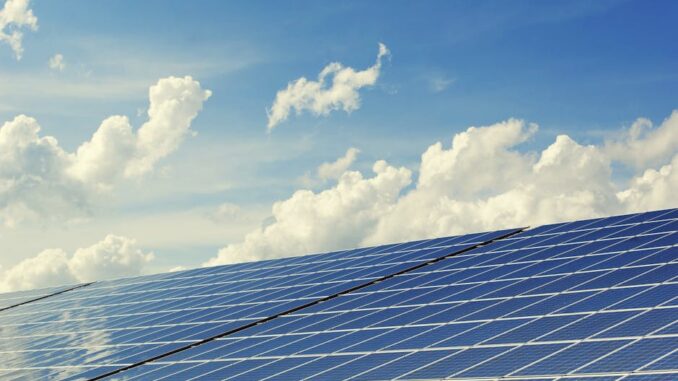
When we talk about renewables for commercial buildings, solar photovoltaics (PV) usually jump to mind first, and for good reason. Solar panel technology has advanced dramatically, becoming far more efficient and affordable. You can install panels on your rooftop, which is often underutilized space, or opt for ground-mounted arrays if you have the land. Even carports fitted with solar panels can generate power while also providing shade for vehicles – a neat two-birds-one-stone solution, don’t you think?
But solar isn’t the only player in the game. Depending on your location and specific needs, other options might be viable:
- Wind Turbines: While less common for urban commercial buildings, small-scale wind turbines can be effective in areas with consistent wind resources, especially for larger industrial sites or campuses.
- Geothermal: As mentioned in the HVAC section, geothermal systems use the earth’s stable temperature for heating and cooling, drastically reducing the load on conventional HVAC systems and offering truly exceptional efficiency.
- Biomass: For facilities with access to sustainable biomass (wood chips, agricultural waste), this can be an option for generating heat or even electricity.
Making Solar a Reality: Financial Models and Incentives
One of the biggest hurdles for businesses considering solar is the upfront cost. However, a variety of financial models have emerged to make it more accessible:
- Direct Purchase: You buy and own the system outright, maximizing long-term savings and taking advantage of all available incentives.
- Power Purchase Agreement (PPA): A third-party developer installs, owns, and maintains the solar system on your property. You simply buy the electricity it generates at a fixed, often lower, rate than grid power. This means no upfront cost for you, making it a very attractive option.
- Leasing: Similar to a PPA, you lease the system for a fixed monthly payment, avoiding the upfront investment while still benefiting from energy savings.
The incentives landscape is also incredibly rich. The federal Investment Tax Credit (ITC) for solar projects is a massive driver, often covering a significant portion of the installation cost. On top of that, many states offer additional rebates, grants, and programs like Solar Renewable Energy Credits (SRECs), which you can sell for additional revenue. Net metering policies in many areas allow you to send excess electricity generated by your panels back to the grid for credit on your utility bill, further reducing costs.
Integrating battery storage with your solar array is also becoming increasingly popular. This allows you to store excess energy generated during the day and use it during peak demand hours (when electricity prices are highest), or even during grid outages, offering resilience and peak shaving capabilities. It gives you more control over your energy usage and makes you less reliant on the grid’s fluctuations.
The environmental impact is clear: reducing your reliance on fossil fuels lowers your carbon footprint significantly, which is fantastic for your company’s sustainability reporting and public image. Customers, employees, and investors increasingly value companies that demonstrate a genuine commitment to environmental stewardship. It’s not just green; it’s smart business, signaling innovation and long-term thinking.
I had a conversation with the CEO of a mid-sized manufacturing plant that went nearly 100% solar a few years back. ‘The initial discussions were tough,’ he admitted, ‘the finance team saw only the big number. But when we laid out the 20-year energy savings, the hedging against future electricity price hikes, and the incredible marketing value for our brand, it became undeniable. We’re now practically energy independent, and our customers love that we walk the talk on sustainability.’ That, right there, is the dream for many businesses, isn’t it?
7. Powering Down Smart: Upgrading Office Equipment and Plug Loads
Alright, so we’ve looked at the big-ticket items like HVAC and lighting, but let’s not overlook the cumulative impact of what we call ‘plug loads’ – all those devices plugged into your outlets that often quietly hum along, consuming power. Individually, a monitor or a coffee maker might not seem like much, but collectively, especially in a bustling commercial environment, they can add up to a surprisingly significant chunk of your energy bill. This is an area where relatively small changes can lead to meaningful savings without huge capital outlays.
The absolute simplest step? Replace old, inefficient office equipment with ENERGY STAR-rated devices. The ENERGY STAR label isn’t just a sticker; it’s a certification indicating that a product meets strict energy efficiency guidelines set by the U.S. Environmental Protection Agency. These devices, whether they’re computers, monitors, printers, copiers, or even small kitchen appliances in the break room, are designed to use less power during operation and, crucially, often have advanced energy-saving features like robust sleep modes or automatic shutdown capabilities.
Think about the typical office setup. How many computers and monitors are left on overnight, or even over the weekend? A lot, right? Encouraging employees to actively turn off equipment when not in use is a foundational energy conservation step. But beyond that, configuring power management settings on all computers to automatically enter sleep mode after a period of inactivity or shut down entirely after hours can yield substantial savings without any manual intervention required from staff.
Beyond the Basics: Smart Strategies for Plug Loads
- Smart Power Strips: These clever devices can detect when a ‘master’ device (like a computer) is turned off and then automatically cut power to ‘peripheral’ devices (like monitors, printers, and speakers) plugged into the same strip. This eliminates the infamous ‘phantom load’ or ‘vampire draw’ – the small amount of power devices consume even when turned off or in standby mode. It’s surprising how much that phantom load adds up across an entire office.
- IT Infrastructure Efficiency: For businesses with significant server rooms, moving to virtualized servers or leveraging cloud computing can dramatically reduce on-site energy consumption for hardware and cooling. Modern data centers are often far more efficient than on-premise solutions. When procuring new IT equipment, always prioritize energy-efficient models and consolidate where possible.
- Procurement Policies: Embed energy efficiency into your company’s purchasing policies. Make it a standard requirement that any new office equipment, from a toaster to a new server rack, must meet specific energy efficiency benchmarks, preferably ENERGY STAR where applicable. This proactive approach ensures you’re always buying smarter.
- Employee Engagement: This is perhaps the most critical component. It’s one thing to provide efficient equipment; it’s another to ensure people use it wisely. Clear, gentle reminders about turning off lights and unplugging chargers, perhaps through internal newsletters or well-placed signage, can foster a culture of energy awareness. Simple actions, repeated by many, really do make a difference.
I remember a client who ran a design agency, a really creative bunch. Their office was often buzzing late into the evening. They’d invested in all the right tech, but those late nights meant everything stayed on. We introduced smart power strips and automated shutdown schedules, and within a month, their ‘other’ energy consumption category on the utility bill dropped noticeably. It wasn’t just the computers; it was all the charging bricks, desk lamps, and little gadgets that were previously drawing power unnecessarily. It was a clear demonstration that even seemingly minor changes, scaled across an entire office, could accumulate into real, tangible savings.
8. Data-Driven Decisions: Monitoring and Analyzing Energy Consumption
Okay, so you’ve invested in audits, upgraded your lights, optimized your HVAC, sealed your building, maybe even added some solar. Fantastic! But how do you know if it’s all working? How do you keep improving? This is where the power of continuous monitoring and analysis comes into play. You simply can’t manage what you don’t measure, can you?
Implementing robust energy management systems (EMS) is key here. These aren’t just for big corporations; scalable solutions are available for businesses of all sizes. An EMS essentially collects, stores, and analyzes energy consumption data from various points across your building. Think of sub-metering, where you’re not just looking at the whole building’s electricity bill, but breaking it down by specific zones, systems (like HVAC vs. lighting), or even individual pieces of equipment.
This granular data is invaluable. It helps you:
- Establish Key Performance Indicators (KPIs): Beyond just total kWh, you might track kWh per square foot, peak demand (which often incurs hefty charges from utilities), or energy consumption per occupant. Benchmarking your performance against similar buildings or industry standards provides crucial context.
- Identify Anomalies: Is the HVAC running full tilt on a Sunday morning when the building is empty? Is one floor’s lighting consumption inexplicably higher than others? Real-time monitoring can quickly flag these anomalies, allowing for prompt investigation and correction.
- Verify Savings: When you implement a new energy efficiency measure, the EMS provides the data to prove its effectiveness, demonstrating the actual ROI. This is vital for justifying future investments and reporting to stakeholders.
- Optimize Schedules: By tracking energy usage patterns, you can fine-tune your operational schedules for lighting, HVAC, and other systems, ensuring they’re only running when truly necessary and at optimal levels.
- Understand Utility Bills: Utility tariffs can be complex, with demand charges, time-of-use rates, and various surcharges. Analyzing your consumption data alongside your utility bill helps you understand how you’re being charged and identify opportunities for demand management, such as shifting energy-intensive activities to off-peak hours.
- Fault Detection and Diagnostics (FDD): Advanced EMS can even incorporate FDD capabilities, automatically identifying system malfunctions or inefficiencies (like a sensor providing incorrect readings, or a damper stuck open), often before they escalate into major problems.
This isn’t a one-and-done process. It’s an iterative loop: monitor, analyze, adjust, repeat. The data provides insights, those insights lead to actions, and then you monitor again to see the impact of those actions. It’s a continuous improvement cycle that keeps your building operating at peak efficiency.
I recall a facilities manager at a corporate campus who was convinced one of their office buildings had an ‘energy ghost’ – consumption was consistently higher than similar buildings, even after several upgrades. After implementing sub-metering and an EMS, they discovered that a legacy server room, which was supposed to be decommissioned, was still quietly running an old, power-hungry AC unit 24/7. The EMS data made it blatantly obvious, literally pinpointing the exact circuit. That one discovery, made possible by data, saved them tens of thousands of dollars annually. You simply can’t argue with that kind of evidence, can you?
9. The Human Factor: Educating and Engaging Building Occupants
All the advanced technology, the cutting-edge insulation, and the meticulously planned audits in the world won’t reach their full potential without one crucial ingredient: people. The human factor. Educating and actively engaging your building occupants – your employees, tenants, and visitors – is perhaps the most underestimated, yet incredibly powerful, aspect of achieving sustained energy efficiency. Technology is fantastic, but people make the biggest difference.
Think about it: who turns off the lights? Who adjusts the thermostat? Who leaves their computer on? Ultimately, it’s the people who interact with the building every single day. Their collective actions, however small, can dramatically impact your overall energy consumption. A well-designed building can still be incredibly inefficient if its occupants aren’t mindful of their energy use.
Strategies for Cultivating an Energy-Efficient Culture
- Clear Communication: Don’t just tell people to save energy; explain why. Connect individual actions to the larger goals: cost savings, environmental stewardship, the company’s commitment to sustainability, and even their own comfort. Use various channels: clear, friendly signage near light switches, internal newsletters, team meetings, or dedicated workshops. Keep the message simple and consistent. For example, instead of ‘Turn off lights,’ try ‘Help us save 10% on lighting this quarter – please switch off when you leave!’
- Make it Easy: Remove barriers to energy-saving actions. Ensure light switches are clearly labeled. Provide accessible and understandable instructions for thermostats or zone controls. Make recycling bins obvious and convenient. If it’s too much of a hassle, people won’t do it.
- Incentives and Recognition: People respond well to positive reinforcement. Consider creating an ‘energy champion’ program, where individuals or teams are recognized for their efforts. Organize friendly competitions between departments or floors to see who can reduce their energy consumption the most. Small rewards, like a pizza party or a donation to a charity of their choice, can be incredibly motivating.
- Feedback Loops: Show occupants the impact of their actions! Share progress updates. ‘Thanks to everyone’s efforts, we reduced our electricity bill by 5% last month!’ This validates their participation and encourages continued effort. Seeing tangible results reinforces positive behavior.
- Leadership Buy-in and Role Modeling: Energy efficiency initiatives are far more successful when leadership actively champions them. If senior management consistently turns off lights, unplugs devices, and talks about sustainability, it sends a powerful message throughout the organization. Lead by example!
- Empowerment through Awareness: Encourage occupants to report energy waste or inefficiencies they notice. A dripping faucet, a constantly running fan in an empty room, a window left open while the AC is blasting – these are all things that frontline staff might spot before facilities management does. Create a simple channel for them to report these observations.
Creating a culture of energy efficiency isn’t an overnight task; it requires ongoing effort and consistent reinforcement. But the payoff is immense, not just in terms of energy savings, but also in fostering a more engaged, environmentally conscious workforce. It aligns individual behavior with organizational values, creating a ripple effect that extends beyond the office walls. Plus, it just feels good to be part of something bigger, doesn’t it?
I remember an office where they formed an ‘Eco-Squad’ – a volunteer group of employees from different departments. They organized ‘lights-out’ lunch breaks, put up humorous posters about phantom loads, and even did a ‘Mystery Watts’ challenge where they had to guess which office gadget consumed the most power (it was the ancient mini-fridge in accounting, naturally!). It turned what could have been a dry, corporate mandate into a fun, collaborative effort, and their energy consumption genuinely dropped. It showed me that when you give people ownership, they rise to the occasion, and then some.
Bringing It All Together
There you have it. Boosting your commercial building’s energy efficiency isn’t just a fleeting trend; it’s an essential, strategic imperative for any modern business. It’s about smart management, responsible stewardship, and a clear path to both financial savings and a healthier planet. By implementing these strategies, from the initial audit to engaging every person within your walls, you’re not just cutting costs; you’re building a more resilient, sustainable future for your business. It’s a journey, not a destination, but every step makes a real difference. So, what’s your first move going to be?
Be the first to comment