

Crafting Tomorrow’s Homes: A Deep Dive into Energy-Efficient Construction, Guided by the Good Homes Alliance
Listen, the conversation around designing and constructing energy-efficient homes has shifted dramatically, hasn’t it? It’s not just a ‘nice-to-have’ anymore; it’s an undeniable, pressing necessity in our modern world. We’re talking about climate resilience, energy independence, and frankly, creating spaces that genuinely improve our quality of life. The Good Homes Alliance (GHA), a pioneering UK-based organisation, has truly been at the vanguard, tirelessly championing sustainable housing practices. They’re not just talking the talk; their collective expertise actually lays out a remarkably clear roadmap for achieving truly superior energy efficiency in new buildings, and honestly, we should all be paying close attention.
Unpacking the Good Homes Alliance’s Vision
So, who exactly are the GHA? Formed back in 2007, this dynamic group boasts a membership exceeding 70, a real melting pot of architects, urban planners, visionary developers, and seasoned building professionals. Their core mission, if you boil it down, is beautifully simple yet incredibly ambitious: to build and rigorously promote sustainable homes and communities across the UK. Ultimately, they’re aiming to completely transform mainstream house building from a sometimes-reluctant participant into a truly sustainable, responsible endeavour. It’s about moving the needle, not just incrementally, but fundamentally changing how we approach housing.
Successful low-energy building design hinges on careful planning. Focus360 Energy can help.
They don’t just sit in boardrooms discussing theory, you know. The GHA actively engages with policymakers, conducts invaluable research, and publishes insightful reports, all geared towards accelerating the adoption of higher sustainability standards. They’re keen on demonstrating that high-performance homes aren’t just an aspirational dream, they’re entirely achievable, financially viable, and incredibly beneficial for everyone involved. Think of them as a catalyst, an accelerator for greener construction, constantly pushing the boundaries of what’s possible and necessary. It’s inspiring to see, truly.
Core Strategies for Unlocking Energy Efficiency
Achieving genuine energy efficiency isn’t about slapping on a few solar panels at the last minute; it’s a meticulously orchestrated symphony of interdependent elements. The GHA’s approach champions a holistic perspective, advocating for strategies that, when woven together, create homes that perform brilliantly. Let’s dig into some of these key pillars.
1. Masterful Planning and Integrated Design
This is where it all begins, my friends, a truly comprehensive planning and design phase, embracing what we call a ‘whole-house systems approach.’ What does that actually mean? Well, it means considering every single variable that impacts energy use right from the get-go. We’re talking about the building as a living, breathing system, where every component—from the roof pitch to the window orientation—plays a critical role. This isn’t a linear process, rather a collaborative dance ensuring every design and construction decision actively contributes to the building’s overarching energy performance, you can’t just bolt things on later and expect magic.
Think about it: where does the sun rise and set on your site? How does the wind blow? What natural shading is available, or can be created? These are crucial passive design principles. Orienting a building to maximise natural daylight in winter and minimise overheating in summer can dramatically reduce heating and cooling loads, often without any fancy tech. Strategic placement of windows, for instance, can flood living spaces with sunlight, cutting down on artificial lighting needs. Conversely, thoughtful shading devices, like overhangs or external blinds, can prevent the harsh summer sun from turning your lovely home into an oven.
Furthermore, this phase involves rigorous site analysis, understanding the local microclimate, and even anticipating future climate scenarios. It’s also where you bring all the key players to the table early: architects, structural engineers, mechanical engineers, landscape designers, and even the builder, creating a truly integrated design team. Digital tools like Building Information Modeling (BIM) and sophisticated energy modelling software become invaluable here, allowing us to simulate performance, identify potential issues, and optimise designs long before a single shovel breaks ground. I remember a project where we used BIM to discover a significant thermal bridge that would’ve cost a fortune to fix post-construction, but because we caught it in the design phase, it was a simple, cost-effective adjustment. That’s the power of early, comprehensive planning.
2. High-Performance Insulation and Impeccable Air Sealing
If the building’s shell were a cosy winter coat, insulation would be the thick, fluffy lining, and air sealing would be the tightly zipped up front, preventing any chilly drafts. These two elements are absolutely fundamental, the bedrock of an energy-efficient home. They don’t just reduce the burden on your heating and cooling systems; they actively work to maintain consistent, comfortable indoor temperatures throughout the year, regardless of what the weather’s doing outside. The difference in comfort, it’s tangible.
We’re talking about more than just some fibreglass batting in the walls. Modern insulation options are incredibly diverse and effective. You’ve got mineral wool, rigid foam boards, blown-in cellulose, and even natural alternatives like hemp or sheep’s wool, each with its own R-value – a measure of thermal resistance. The key is applying the right type and thickness in all parts of the building envelope: walls, roof, floors, and crucially, the foundation. Neglect one area, and you’ve got a weak link, a thermal bridge that undermines all your other efforts. It’s like having a fabulous coat with a gaping hole in the back.
Then there’s air sealing, which many folks overlook, but it’s just as vital, maybe even more so than insulation in some cases. Think of all the tiny cracks and gaps in a typical home: around electrical outlets, light fixtures, plumbing penetrations, window and door frames, even where walls meet floors. These seemingly minor imperfections act as tiny, insidious chimneys, allowing conditioned air to escape and unconditioned air to infiltrate. This uncontrolled air movement isn’t just inefficient; it can also introduce moisture, leading to condensation and potential mould issues. Blower door tests are brilliant for identifying these culprits, helping builders pinpoint exactly where to seal up those pesky leaks, using caulks, foams, and tapes. A truly high-performance home feels snug, silent almost, like stepping into a perfectly tailored environment, and you’ll really notice that difference on a blustery day.
3. Energy-Efficient Windows and Doors: The Eyes and Mouth of Your Home
Windows and doors, they’re more than just portals to the outside; they’re critical components of your building’s thermal envelope. Historically, they’ve been massive sources of heat loss, like trying to keep warm with your coat unzipped. But today’s energy-efficient options are a whole different beast. We’re talking double or triple-pane glazing, often filled with inert gases like argon or krypton between the panes, which significantly improve insulation. Add a low-emissivity (low-E) coating, and you’ve got a window that reflects heat, keeping it inside during winter and outside during summer.
Frame materials matter too. Vinyl (uPVC), fibreglass, composite materials, and even well-engineered timber frames offer much better insulation properties than old aluminium. But it’s not just the product itself; impeccable installation is absolutely non-negotiable. Poorly installed windows or doors can negate all their inherent efficiency advantages, creating air leaks and moisture pathways. They need proper flashing and airtight seals to perform as intended. High-performance windows, combined with robust, insulated, and properly sealed doors, not only slash energy bills but also enhance acoustic comfort, making your home a quieter, more serene sanctuary. They’re a long-term investment that pays dividends in comfort and savings, I’m a big advocate for going for the best you can here.
4. Harnessing the Power of Renewable Energy Integration
This is where we move beyond mere efficiency to active energy generation. Integrating renewable energy sources isn’t just about being green; it’s about shifting towards genuine energy independence and significantly offsetting your home’s annual energy consumption. The goal, ideally, is for new buildings to generate at least as much renewable energy as they consume annually, moving towards a ‘net-zero energy’ status.
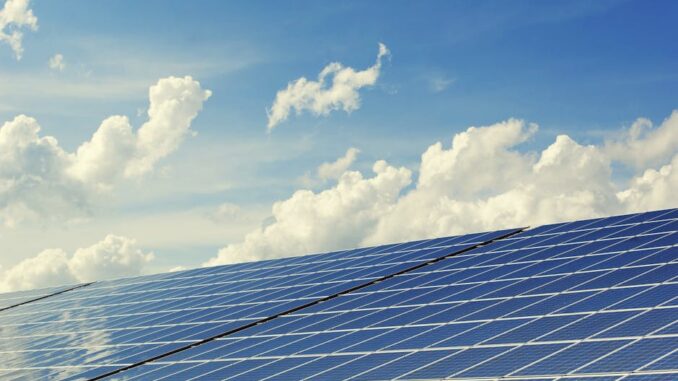
Solar photovoltaic (PV) panels are, of course, the most common and recognisable option. Modern panels are efficient, durable, and increasingly aesthetically pleasing, with options for integrated roof tiles or sleek, low-profile arrays. Beyond just electricity generation, consider battery storage solutions, allowing homeowners to store excess solar power for use during the evenings or on cloudy days, further reducing reliance on the grid. Then there’s solar thermal, which uses the sun’s energy to heat water directly, a fantastically efficient way to meet your hot water needs.
But the innovation doesn’t stop there. Ground source heat pumps (GSHPs) tap into the stable underground temperature to provide incredibly efficient heating and cooling, while air source heat pumps (ASHPs) extract heat from the ambient air, even on cold days, and deliver it indoors. These systems are incredibly versatile and can dramatically reduce a home’s fossil fuel consumption. Integrating these technologies isn’t always straightforward, there’s a lot of upfront planning required to determine the optimal system sizing and placement, but the long-term benefits are substantial, making your home a mini power plant in itself, pretty cool right?
5. Smart and Efficient Heating, Ventilation, and Air Conditioning (HVAC) Systems
Once you’ve got a super-efficient building envelope, you don’t need oversized, energy-hungry HVAC systems. The trick here is ‘right-sizing’ them – installing systems that are precisely matched to your home’s reduced heating and cooling loads. Over-sizing an HVAC system is a common mistake; it leads to inefficient cycling, unnecessary wear and tear, and higher energy consumption. We often see it, sadly, where builders assume more power equals better performance, but it’s often the opposite in a well-insulated home.
Modern high-efficiency heat pumps (air-to-air or ground source, as mentioned) are often the go-to for both heating and cooling. Radiant floor heating can offer a wonderfully even and comfortable warmth. Crucially, in a tightly sealed, energy-efficient home, natural ventilation alone often isn’t enough to maintain good indoor air quality (IAQ). This is where mechanical ventilation with heat recovery (MVHR) or energy recovery (ERV) systems become vital. These systems continuously exhaust stale, humid air and bring in fresh, filtered outdoor air, all while recovering up to 90% of the heat (or coolness) from the outgoing air. This means you get excellent IAQ without compromising your thermal comfort or energy efficiency, which is just brilliant engineering, if you ask me.
Beyond the hardware, smart controls are a game-changer. Programmable thermostats, smart zoning systems, and even AI-powered climate controls can learn your habits, optimise temperatures based on occupancy, and significantly reduce energy waste. Regular maintenance is also non-negotiable, a simple filter change or an annual professional check-up ensures these sophisticated systems operate at their peak, protecting your investment and keeping those energy bills in check.
6. Ingenious Water Efficiency Measures
Energy efficiency isn’t just about electricity and gas; it’s also about water, especially hot water. Heating water is surprisingly energy-intensive, so reducing hot water consumption directly translates to energy savings. Implementing water-saving fixtures is a no-brainer: low-flow showerheads, high-efficiency toilets, and aerators on faucets can drastically cut down on water usage without sacrificing performance. My experience tells me people are often surprised how good these modern fixtures are; gone are the days of a trickle shower!
Beyond the tap, consider advanced systems like rainwater harvesting for non-potable uses such as irrigation or flushing toilets. Greywater recycling systems, which treat and reuse water from sinks and showers for similar purposes, can further reduce demand on municipal water supplies. For hot water delivery, on-demand recirculation pumps ensure hot water is available quickly at the tap, eliminating that frustrating wait (and wasted cold water) we’ve all experienced. Insulating hot water pipes also helps prevent heat loss as water travels through your home. And, of course, solar water heating technologies – those flat plate collectors or evacuated tubes you see on roofs – are fantastic renewable solutions for meeting a significant portion of your home’s hot water requirements, harnessing the sun’s free energy.
7. Thoughtful Use of Sustainable Materials
Our choice of building materials carries a significant environmental footprint, often overlooked in the race for operational efficiency. This is where we talk about ’embodied carbon’ – the carbon emissions associated with the extraction, manufacturing, transportation, and installation of materials. Opting for sustainable materials is about minimising this impact. Choosing recycled content materials, like steel or concrete with recycled aggregates, dramatically reduces the demand for virgin resources.
Locally sourced materials cut down on transportation emissions and support regional economies. Think about reclaimed timber, salvaged bricks, or even aggregates from nearby quarries. Beyond recycling and locality, consider rapidly renewable resources such as bamboo flooring, cork insulation, or natural linoleum. These materials grow quickly and can be harvested without depleting natural ecosystems.
Even seemingly minor choices, like using low-VOC (Volatile Organic Compound) paints, adhesives, and finishes, contribute to better indoor air quality, which is crucial for inhabitants’ health. Durability is also a key factor; materials that last longer reduce the need for premature replacement, thereby saving resources and further reducing embodied carbon over the building’s lifespan. I’m personally a huge fan of exploring innovative natural materials like hempcrete or straw bale construction when the design allows; they offer fantastic insulation properties and incredibly low embodied carbon. It’s about building not just efficiently, but responsibly, with a real eye on the entire lifecycle of the materials we select.
Driving Change: Implementing the Good Homes Alliance’s Recommendations
Moving the needle on sustainable housing isn’t just about individual choices; it requires systemic change. The GHA understands this deeply, and their recommendations extend beyond technical specifications to broader policy and industry-level actions. This is where we really push for transformation across the sector. Each of these points is critical for shifting the industry towards a more sustainable future, they’re not just suggestions, they’re essential.
Setting Ambitious, Clear Energy Targets
The GHA strongly advocates for setting near-zero carbon targets for all new homes, coupled with a clear, enforceable trajectory and timetable for achieving them. What does ‘near-zero carbon’ mean? It refers to homes that have minimised their energy demand through excellent design and efficiency measures, and then offset the remaining small demand with on-site or off-site renewable energy. It’s a bold vision, but an achievable one. Legislation often lags behind innovation, so organisations like the GHA are crucial in pushing for more ambitious targets, fostering a market where high-performing, sustainable homes become the standard, not the exception. We’re talking about future-proofing our housing stock, making sure it’s ready for tomorrow’s climate challenges and energy landscapes. It’s about setting a clear destination for the industry to aim for, creating certainty and driving investment in the right areas.
Fostering Cross-Sector Collaboration
No single entity can tackle the complexities of sustainable housing alone. The GHA actively encourages robust collaboration between all stakeholders: housebuilders, renewable energy developers, material suppliers, local authorities, financial institutions, and even academic research institutions. This isn’t just about networking, it’s about breaking down traditional silos and fostering shared understanding and innovation. When a developer works hand-in-hand with a renewable energy specialist from the project’s inception, they can develop far more cost-effective and integrated strategies for meeting carbon reduction targets. Imagine a scenario where a local council’s planning department actively facilitates dialogues between these groups, creating an ecosystem of shared knowledge and mutual problem-solving. It’s through these partnerships that we unlock truly innovative solutions and accelerate widespread adoption, it’s never just one piece of the puzzle, is it?
Championing Building Regulations Reform
Building Regulations, while essential for safety and basic performance, can often become a barrier to genuine innovation in energy efficiency. The GHA consistently advocates for the review and enhancement of key regulations, particularly in the UK, Part L (Conservation of Fuel and Power) and Part F (Ventilation). These regulations need to evolve, not just to support existing energy efficiency goals, but to actively drive higher standards. They should encourage performance-based outcomes rather than overly prescriptive methods, allowing for greater flexibility and innovation in design and construction. Think about it: if regulations demand a certain performance level, rather than specifying how to achieve it, it opens the door for more creative, efficient solutions. The GHA’s role here is crucial, providing expert insight and lobbying for updates that truly reflect best practice and future needs.
Enhancing Robust Compliance Systems
It’s a sad truth that there’s often a ‘performance gap’ – the difference between a building’s designed energy performance and its actual operational performance. This gap arises from various factors, including design flaws, poor construction quality, and inadequate commissioning. The GHA stresses the need for a new, strengthened compliance system that includes rigorous post-construction verification. This means not just checking boxes on paper, but actively testing and measuring a home’s performance after it’s built. Blower door tests, thermal imaging, and detailed commissioning processes are essential to ensure the building performs as intended. This level of transparency and accountability incentivises quality construction and helps close that pesky performance gap, ensuring homeowners get the energy-efficient home they were promised. It protects everyone, frankly, and raises the bar for the whole industry.
Investing in Skills and Rigorous Quality Control
Building high-performance homes requires a workforce equipped with specialised skills and an unwavering commitment to quality. There’s currently a significant ‘skills gap’ in the green construction sector, and addressing it is paramount. The GHA highlights the need for substantial investment in training programs, apprenticeships, and continuous professional development for architects, designers, and site workers alike. It’s about embedding the necessary skills for quality construction at every single stage of a project. Concurrently, tightening quality control processes on site is absolutely vital. This includes regular site inspections, robust documentation, and ensuring that every craftsperson understands not just what to do, but why it matters for the building’s overall performance. Certified installers for specific technologies, like heat pumps or MVHR systems, become crucial here. A brilliant design can be utterly undermined by shoddy workmanship, so this emphasis on skills and quality is foundational, a real investment in our industry’s future capabilities.
Prioritising Inhabitants’ Health and Well-being
What’s the point of an incredibly energy-efficient home if it makes you feel unwell or uncomfortable? The GHA rightly places the health and well-being of inhabitants at the absolute core of all aspects of design and construction. This means focusing on pristine indoor air quality (IAQ) by minimising VOCs, preventing mould growth through meticulous moisture control, and ensuring adequate, controlled ventilation (hello, MVHR!). It’s also about thermal comfort – ensuring consistent, stable temperatures without draughts or hotspots. Acoustic comfort, creating a serene, quiet indoor environment shielded from external noise, is another key factor. And let’s not forget visual comfort; optimising natural daylighting, providing views to nature, and thoughtful lighting design can profoundly impact mood and productivity. Biophilic design principles, which seek to connect building occupants with the natural environment, are also gaining traction for good reason. A home should be a sanctuary, a place where you thrive, not just survive, and energy efficiency goes hand-in-hand with that vision.
Looking Ahead: A Holistic Path to a Sustainable Future
Ultimately, achieving optimal energy efficiency in new buildings is a journey that demands a truly holistic approach. It’s a weaving together of thoughtful, innovative design, responsibly sourced sustainable materials, and the intelligent integration of advanced technologies. By diligently following the comprehensive guidelines and advocating for the systemic changes championed by the Good Homes Alliance, builders and homeowners aren’t just constructing buildings; they’re creating homes that are not only fantastically energy-efficient but also incredibly comfortable, remarkably healthy, and genuinely inspiring places to live.
This commitment to sustainability extends far beyond just environmental benefits, though those are enormous. It leads directly to substantial long-term cost savings for residents, providing a buffer against fluctuating energy prices and increasing property values. More profoundly, it cultivates an improved quality of life for everyone who steps through the door. The challenges ahead are significant, sure, but the tools, the knowledge, and the passion are all there. It’s an exciting time to be in this industry, building a better, greener future, one well-designed home at a time.
References
-
Good Homes Alliance. (n.d.). Good Homes Alliance. Retrieved from https://en.wikipedia.org/wiki/Good_Homes_Alliance
-
U.S. Department of Energy. (n.d.). Efficient Home Design. Retrieved from https://www.energy.gov/energysaver/articles/energy-efficient-home-design
-
Pentago, C. (2014, February 28). Designing An Energy Efficient Buildings. Retrieved from https://communityhub.aia.org/blogs/chris-pentago/2014/02/28/designing-an-energy-efficient-constructions
-
Dunn & Stone Builders. (n.d.). Tips For Building An Energy Efficient House. Retrieved from https://www.dunnandstonebuilders.com/knowledge-center/tips-for-building-an-energy-efficient-house
-
Enfield Council. (2023). Delivering Net Zero. Retrieved from https://www.enfield.gov.uk/__data/assets/pdf_file/0010/53101/Delivering-net-zero-2023-Planning.pdf
-
Green Coast. (n.d.). Building an Energy Efficient Home on a Budget. Retrieved from https://greencoast.org/building-an-energy-efficient-home-on-a-budget/
-
Home Comfort Alliance. (2024). Top 5 Home Upgrades in 2025. Retrieved from https://homecomfortalliance.com/blog/news/energy-efficiency/top-5-home-upgrades/
-
U.S. Department of Energy. (n.d.). Energy-Efficient Home Design. Retrieved from https://www.energy.gov/energysaver/articles/energy-efficient-home-design
-
HomeAlliance. (2024). Proven Tips to Enhance Your Heating System’s Efficiency. Retrieved from https://homealliance.com/blogs/proven-tips-to-enhance-your-heating-systems-efficiency
-
Good Homes Alliance. (n.d.). Good Homes 2025 Annual Conference. Retrieved from https://goodhomes.org.uk/good-homes-2025
-
Alliance Homes. (n.d.). Energy Efficiency in the Home. Retrieved from https://www.alliancehomes.org.uk/your-home/maintaining-your-home/energy-efficiency-in-the-home/
-
Alliance to Save Energy. (2024). Alliance to Save Energy Supports Stronger Energy Efficiency Standards for Federally-Backed Homes. Retrieved from https://www.ase.org/news/alliance-save-energy-supports-stronger-energy-efficiency-standards-federally-backed-homes
-
Wikipedia Contributors. (n.d.). Good Homes Alliance. Retrieved from https://en.wikipedia.org/wiki/Good_Homes_Alliance
Be the first to comment