

Future-Proofing Your Home: A Deep Dive into Retrofitting for a Smarter, Greener UK
Stepping into a home that’s always just right, where the air feels crisp and comfortable, and your energy bills don’t bring a cold sweat? That’s not just a pipe dream anymore. Retrofitting your home isn’t merely about personal comfort; it’s a smart, strategic manoeuvre, crucial for enhancing energy efficiency, slashing those nagging carbon emissions, and, let’s be honest, potentially adding some serious heft to your property’s market value. With the UK government’s ambitious net-zero targets firmly in place, upgrading your home has never felt more timely, nor more urgent.
Indeed, we’re at a pivotal moment. The decisions we make now about our homes will echo for decades, impacting not only our wallets but also our planet. Think of it, a bit like that moment you decide to finally ditch the old clunker for an electric car; it’s a big step, yes, but one loaded with long-term benefits and a sense of doing something genuinely good.
Successful low-energy building design hinges on careful planning. Focus360 Energy can help.
Unpacking the Urgent Need for Retrofitting Across the UK
Let’s get real for a moment: the UK’s housing stock, bless its heritage, is, shall we say, a bit of a mixed bag. We boast some truly stunning architecture, yes, but also a significant portion of homes built before energy efficiency was even a twinkle in an architect’s eye. Many of these older properties terribly lack adequate insulation, suffer from pervasive draughts, and still rely on heating systems that belong in a museum. The figures speak volumes, don’t they? A staggering 29 million homes across the UK require retrofitting, according to parliamentary committees, just to meet future energy efficiency standards. That’s a huge undertaking.
Consider the typical Victorian terraced house, charming from the outside, but often a thermal sieve within. Or perhaps the post-war semi, where original single-pane windows let out more heat than they keep in. These aren’t just quaint characteristics; they’re genuine efficiency liabilities, draining our collective energy resources and pushing up household expenses. What’s more, inefficient homes contribute disproportionately to the UK’s overall carbon footprint, a burden we simply can’t afford to ignore if we’re serious about our climate commitments. It’s a massive challenge, but also an incredible opportunity to bring our homes into the 21st century and beyond.
Charting Your Course: The Retrofitting Journey – A Strategic Approach
Embarking on a retrofit journey can feel a tad overwhelming, I get it. Where do you even begin? It’s not about haphazardly tackling one thing then another. No, this needs a strategic approach, a proper plan. Think of it as mapping out a grand adventure; you wouldn’t just set off without a compass, would you?
The initial and arguably most critical step is getting a thorough energy audit. This usually means a detailed Energy Performance Certificate (EPC) assessment, but ideally, you’ll want to go beyond that. Consider bringing in a qualified retrofit assessor. They’re like detectives, really, sniffing out where your home is losing heat, identifying cold spots, and pinpointing areas for improvement. They can paint a comprehensive picture of your home’s current energy performance, including where the thermal bridges are, those pesky spots where heat escapes unimpeded. This is invaluable, giving you a baseline to work from and helping you prioritize upgrades effectively.
Here’s a crucial insight: not all homes are created equal, and neither are their retrofitting needs. A Victorian solid-wall property will demand a very different strategy than a 1970s cavity-wall build. A proper assessment will highlight the ‘low-hanging fruit’ – the most cost-effective changes that will yield the biggest energy savings first. Sometimes it’s the simple things, like draught-proofing, that make an astonishing difference before you even think about bigger projects. Remember, a piecemeal approach might seem easier, but a holistic, ‘whole-house’ strategy, perhaps following the PAS 2035 standard, ensures all upgrades work together seamlessly, preventing unintended consequences like increased condensation or ventilation issues. It truly pays dividends in the long run.
Unlocking Efficiency: Top Energy-Saving Upgrades for Your Home
Once you’ve got that clear roadmap from your energy audit, it’s time to look at the tangible changes. These are the workhorses of home retrofitting, each playing a vital role in transforming your property into an energy-saving sanctuary. Let’s delve into some of the most impactful upgrades you can undertake.
1. The Loft: Your Home’s Insulated Hat
Did you know that an astonishing 25% of your home’s precious heat can quite literally float away through an uninsulated roof? It’s like trying to keep warm outside without a hat on, isn’t it? Adding proper loft insulation is often the quickest, most straightforward, and frankly, one of the most cost-effective ways to drastically cut down on that energy waste. It’s a no-brainer, really.
There are a few ways to tackle this. The most common is roll-out insulation, typically made from mineral wool or fibreglass, laid between and then across the joists to a depth of at least 270mm, often more for optimal performance. Then there’s blown-in insulation, like cellulose or rock wool, which is fantastic for awkward spaces or lofts with uneven joists, pumped in by professionals to create a seamless thermal blanket. Beyond just keeping heat in, good loft insulation also acts as an acoustic barrier, making your home a little quieter too.
- Typical Cost: Expect to pay around £300–£600 for professional installation, though DIY can be cheaper.
- Annual Savings: You could pocket up to £340 annually, a figure that just feels good, doesn’t it?
- Energy Efficiency Impact: This simple upgrade can realistically boost your EPC rating by 1–2 bands.
What’s more, schemes like the Great British Insulation Scheme often provide support, helping to significantly reduce the upfront cost for many households. It’s definitely worth checking if you qualify, it could make this already smart move even smarter.
2. Walls: Your Home’s Thermal Jacket
After the roof, your walls are the next biggest culprit for heat loss, accounting for roughly a third of escaping warmth. Insulating them can be a bit more involved than the loft, but it’s absolutely vital for keeping your entire home toasty. The approach depends heavily on your home’s age and construction type.
For homes built after the 1920s, you likely have cavity walls. These are essentially two layers of brick or block with a gap in between. Filling this cavity with insulation – typically mineral wool, polystyrene beads, or expanding foam – creates a fantastic thermal barrier. The process is relatively non-invasive, involving drilling small holes in the exterior mortar and injecting the material, then sealing the holes. It’s incredibly effective.
Older homes, those lovely period properties, often have solid walls. Here, the solutions are more substantial. You’re looking at either internal wall insulation (IWI) or external wall insulation (EWI).
- Internal wall insulation involves fitting insulation boards to the interior of your exterior walls, then plastering over them. It means sacrificing a small amount of internal floor space (usually just a few centimetres per wall) and requires careful planning around existing fixtures and fittings.
-
External wall insulation, on the other hand, involves fixing insulation boards to the exterior of your property, then rendering or cladding over them. This option is often pricier but offers superior thermal performance, protects the original brickwork, and can completely transform your home’s facade, giving it a modern facelift while boosting its energy credentials. It’s certainly a big project, though.
-
Typical Cost: Cavity wall insulation might run you about £2,700, while solid wall insulation is a heftier investment, typically £8,000–£11,000, depending on whether you go internal or external, and the size of your home.
- Annual Savings: The payoff is significant, especially for larger homes. A detached house with solid wall insulation could see annual savings of up to £690. That’s not small change.
- Energy Efficiency Impact: Like loft insulation, this can also significantly improve your EPC rating by 1–2 bands, sometimes more, really moving the needle.
3. Air-Source Heat Pumps (ASHPs): The Future of Heating
Ready to move beyond the traditional gas boiler? Air-source heat pumps are making serious waves, and for good reason. These clever devices don’t generate heat in the same way a boiler burns fuel; instead, they extract heat from the ambient outside air, even when it’s freezing cold, and then amplify it to warm your home and provide hot water. It’s essentially a fridge in reverse, quite fascinating actually.
ASHPs come in a couple of main flavours: monobloc systems house all the components in a single outdoor unit, while split systems have an outdoor unit connected to an indoor unit. They circulate refrigerant through a coil, absorbing latent heat from the air, then compress it to increase its temperature before transferring that warmth to your home’s heating system. They are incredibly efficient, often delivering 3-4 units of heat energy for every 1 unit of electricity they consume.
However, they’re not a simple ‘swap-out’ for a boiler. ASHPs work best with low-temperature heating systems, meaning larger radiators or, ideally, underfloor heating. They also require a well-insulated home to operate at peak efficiency. Plus, you’ll likely need an unvented hot water cylinder, as heat pumps take a bit longer to heat water than a gas boiler.
- Typical Cost: The upfront investment is substantial, usually £10,000–£13,000. But here’s the kicker: the UK government’s Boiler Upgrade Scheme offers a generous £7,500 grant, dramatically reducing that initial outlay, making it a much more accessible option for many homeowners.
- Annual Savings: Compared to an old, inefficient gas boiler, you could save up to £290 per year, and those savings are set to grow as fossil fuel prices continue to climb.
- Energy Efficiency Impact: ASHPs are incredibly efficient, often up to 25% more so than traditional boilers, slashing your home’s carbon footprint significantly.
It’s a big step, moving to a heat pump, but it’s a confident stride towards a greener, more self-sufficient future for your home.
4. Windows: Your Home’s Clear Boundaries
Oh, windows, such a crucial element, aren’t they? They connect us to the outside world, but old, inefficient ones can be huge culprits for heat loss. Upgrading your windows to double or triple glazing isn’t just an aesthetic improvement; it’s a profound energy efficiency measure that dramatically reduces heat loss and vastly improves acoustic insulation. The difference can be night and day.
Double glazing features two panes of glass separated by a sealed gap, often filled with inert gas like argon or krypton, which is a poorer conductor of heat than air. Low-emissivity (low-e) coatings on the glass further reflect heat back into the room. Triple glazing adds a third pane and another gas-filled cavity, providing even greater thermal performance, particularly beneficial for homes in very cold climates or on noisy streets.
Beyond the glass, the frame material matters too. uPVC is popular for its affordability and low maintenance. Timber offers natural beauty and good insulation but requires more upkeep. Aluminium provides sleek, modern aesthetics and durability. Modern glazing also incorporates enhanced security features, giving you extra peace of mind.
- Typical Cost: Expect to pay in the region of £4,000–£7,000, varying widely based on the number, size, and type of windows, as well as frame material.
- Annual Savings: While harder to pin down a single figure, savings vary greatly depending on your home’s size and what your existing windows are like. If you’re currently sporting single glazing, the difference will be monumental, trust me.
- Energy Efficiency Impact: This upgrade hugely reduces heat loss, eliminates draughts, and significantly enhances overall comfort, transforming chilly rooms into cosy havens.
It truly makes a huge impact on how your home feels, both temperature-wise and acoustically. You’ll definitely notice the difference.
5. Lighting: Brightening Up Smartly
Sometimes, the biggest impacts come from a collection of small, simple changes. Swapping out old, inefficient light bulbs for LEDs (Light Emitting Diodes) is a prime example. This isn’t just a minor tweak; it’s a significant shift in energy consumption, one that really adds up over time.
LED technology is incredibly advanced now. These bulbs use a semiconductor to convert electricity directly into light, producing very little heat in the process, which is why they’re so efficient. They also boast an incredibly long lifespan, often tens of thousands of hours, meaning you won’t be constantly climbing ladders to change them. They come in an impressive array of shapes, sizes, and colour temperatures, from warm, inviting whites (around 2700K) to crisp, bright daylight tones (5000K+), so you can perfectly tailor the ambience for every room. And let’s not forget smart LED bulbs, which you can control with your phone or voice, even dimming or changing colours, adding a layer of convenience and fun.
- Annual Savings: Simply switching all your home’s bulbs to LEDs could save you up to £80 per year. And that’s just on lighting, imagine the cumulative savings across other upgrades.
- Energy Efficiency Impact: LEDs use an astonishing 90% less energy than traditional incandescent bulbs and significantly less than even compact fluorescents (CFLs), making them a truly superior choice for modern homes.
It’s such an easy win, isn’t it? Just do it. Your wallet and the planet will thank you.
Beyond the Basics: Other Crucial Retrofitting Measures
While the ‘big five’ often steal the spotlight, a truly comprehensive retrofit looks at every nook and cranny. There are several other critical areas where smart upgrades can make a world of difference.
Draught Proofing: Plugging the Gaps
This one is often overlooked, but it’s incredibly cost-effective. Think about it: all that expensive heat you’re generating, just whistling out through tiny gaps around windows and doors, or sneaking up through unsealed floorboards. Draught proofing is exactly what it sounds like – sealing those unwanted air leaks.
You’d be surprised where draughts can hide: letterboxes, keyholes, gaps around skirting boards, even unused chimneys. Simple measures like self-adhesive strips for window frames, brush or hinged draught excluders for doors, and flexible fillers for floor gaps can make a huge difference. Don’t forget chimney balloons for unused fireplaces. These small actions collectively create a much more airtight, comfortable home without major disruption.
Floor Insulation: Keeping Your Feet Warm
Ever noticed how chilly floors can make an entire room feel cold, even when the heating’s on? Insulating your floors, particularly ground floors, is a really impactful upgrade.
If you have suspended timber floors, often found in older properties, insulation can be fitted between the joists from below (if you have cellar access) or by lifting floorboards. Materials like mineral wool or rigid insulation boards work well here. For homes with solid concrete floors, the task is more involved, usually requiring the floor to be dug up and new insulation laid before being re-covered. While more disruptive, the long-term comfort and energy savings, particularly if coupled with underfloor heating, are significant. It’s definitely a project to consider when undergoing major renovations.
Ventilation Strategy: Breathing Easy in a Tighter Home
As you seal up your home with insulation and draught proofing, you’re making it more airtight, which is great for energy efficiency. But, and this is a big but, you also need a smart ventilation strategy. Without adequate controlled ventilation, you can inadvertently trap moisture, leading to condensation, mould growth, and poor indoor air quality. Nobody wants that.
This isn’t about opening windows all the time, which defeats the purpose of insulation. Instead, look at solutions like Mechanical Ventilation with Heat Recovery (MVHR) systems. These clever systems continuously extract stale, moist air from your home and supply fresh, filtered air, but here’s the brilliant part: they recover up to 90% of the heat from the outgoing air and transfer it to the incoming fresh air. This means you get excellent air quality without losing heat. For areas like bathrooms and kitchens, high-performance extractor fans are essential too. It’s all about balance, you see, sealing the envelope but ensuring healthy air circulation.
Smart Thermostats and Controls: Orchestrating Your Comfort
Once you’ve got your insulation and heat source sorted, it’s time to fine-tune your heating system with smart controls. A programmable, internet-connected thermostat is far more than just a fancy gadget; it’s your home’s conductor, ensuring heat is only delivered where and when it’s needed.
Modern smart thermostats learn your routines, can be controlled remotely via your phone, and even integrate with weather forecasts. Many offer zonal heating, allowing you to control individual rooms or areas separately. Imagine heating just your living room in the evening, rather than the entire house, saving energy and money. It’s a game-changer for optimising your comfort and dramatically reducing waste from unnecessary heating.
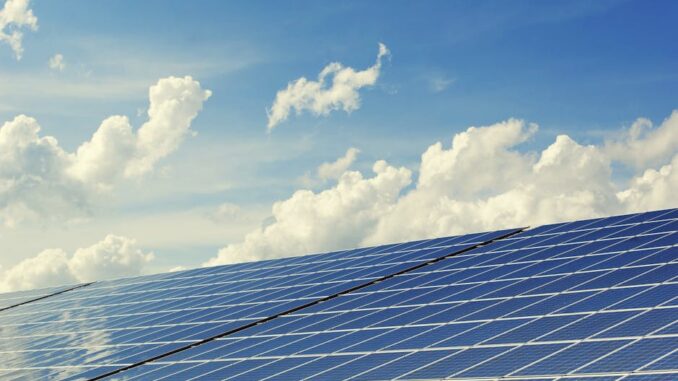
Solar PV: Harnessing the Sun’s Power
While not strictly a ‘retrofit’ in terms of improving the building fabric, installing Solar Photovoltaic (PV) panels is a quintessential energy efficiency upgrade. These panels convert sunlight directly into electricity, which you can then use to power your home, reducing your reliance on grid electricity and cutting your bills.
Modern solar panels are more efficient and aesthetically pleasing than ever. Coupling them with a battery storage system allows you to store excess electricity generated during the day for use in the evening, further increasing your energy independence. You can even sell any surplus back to the grid. It’s a significant upfront investment, but one that offers long-term energy security and substantial environmental benefits. Plus, there are grants like the ECO4 scheme that can help, particularly for eligible households.
Water Saving Measures: Every Drop Counts
Though a smaller piece of the puzzle, efficient water usage contributes to energy saving too, particularly for heating hot water. Installing low-flow showerheads, aerators on taps, and choosing efficient washing machines and dishwashers can noticeably reduce your hot water demand, and consequently, the energy needed to heat it. Small changes, big impact over time, right?
Making it Happen: Financial Incentives and Support
Let’s face it, undertaking a comprehensive home retrofit can feel like a considerable financial commitment. But here’s the good news: the UK government, alongside other bodies, offers several schemes and incentives designed to lighten that load and make these vital upgrades more accessible.
-
Boiler Upgrade Scheme (BUS): We touched on this earlier, and it’s a fantastic initiative. The BUS provides grants of up to £7,500 towards the installation costs of air-source or ground-source heat pumps. To qualify, your property typically needs to be well-insulated, and the installer must be MCS (Microgeneration Certification Scheme) certified. It’s a genuine helping hand to shift away from fossil fuels.
-
ECO4 Scheme: The Energy Company Obligation (ECO4) scheme is specifically targeted at low-income or vulnerable households. It mandates larger energy suppliers to fund energy efficiency improvements, offering partial or even full grants for things like solar PV systems, insulation, and new heating systems. Eligibility criteria can be quite strict, but if you qualify, it can be a game-changer, removing the financial barrier to vital upgrades. Checking if you’re eligible is definitely worth the effort.
-
Zero-Rate VAT: This is a brilliant, often underestimated benefit. From 2022 to 2027, the installation and materials for many energy-saving measures – including insulation, heat pumps, solar panels, and more – are completely VAT-free. This automatically shaves 20% off the cost of these projects, making them significantly more affordable for everyone. It’s a tangible saving that really adds up on bigger projects.
Beyond these national schemes, keep an eye out for local authority grants or loans. Many councils run their own initiatives to promote energy efficiency, sometimes offering low-interest loans or specific grants for certain technologies. Furthermore, the rise of green mortgages is something to consider. Several lenders now offer preferential interest rates for properties with higher EPC ratings or for homeowners undertaking energy efficiency improvements. It’s certainly a growing area, reflecting the increasing importance of green credentials in the property market.
Navigating the Red Tape: Planning, Permitted Development, and Professional Guidance
Alright, so you’ve got your plan, and you know about the financial help available. Before you get the hammers swinging, there’s one more crucial step: understanding the rules. Seriously, a bit of planning now can save you a world of headaches later, trust me on this.
First, always, always check local regulations and, critically, determine if your proposed improvements require planning permission. While many common retrofitting measures fall under ‘permitted development rights’ – meaning you can proceed without a formal planning application – there are important caveats. For instance, external wall insulation might alter the appearance of your home significantly, and in some cases, it will need permission, especially if you’re in a conservation area or if your home is a listed building. For listed buildings, the rules are much stricter, and you’ll typically need Listed Building Consent for almost any alteration, internal or external, to protect its historic integrity. It’s a journey that demands sensitivity and expert advice.
Furthermore, many significant upgrades, especially those impacting the structural integrity or energy performance of your home, will need to comply with Building Regulations. This ensures the work is carried out safely, to a high standard, and meets minimum performance requirements. Your installer should be well-versed in these, but it’s good for you to be aware.
This brings us to a truly vital point: finding reputable installers. Please, for the love of all that is energy-efficient, do not just pick the cheapest quote. Look for companies and individuals with proper certifications. For heat pumps and solar PV, ensure they are MCS (Microgeneration Certification Scheme) accredited. For general retrofit works, look for TrustMark registered businesses, particularly those who work to the PAS 2035 standard. PAS 2035 is essentially a quality assurance framework for whole-house retrofits, ensuring a holistic, risk-managed approach from assessment through design to installation and handover. It’s a mark of true professionalism and significantly reduces the chance of problems down the line. Avoid the cowboys; this is an investment in your home’s future, so treat it as such. Ask for references, check reviews, and get multiple quotes.
The Grand Vision: Impact, Investment, and a Sustainable Future
So, there you have it: retrofitting your home is far more than a trend; it’s a proactive, intelligent step toward not only enhancing your immediate comfort but also securing a more sustainable, financially sound future. By carefully implementing these energy-efficient upgrades and smartly leveraging the available incentives, you’re not just improving your property’s performance; you’re actively contributing to the UK’s ambitious sustainability goals.
Beyond the tangible energy savings and reduced bills, the benefits ripple out, you see. You’re contributing to a significant reduction in carbon emissions, helping to improve air quality, and supporting a burgeoning green economy. Internally, you’ll find your home warmer, healthier, and quieter. Less mould, fewer draughts, a consistent comfortable temperature – these things really do improve your quality of life. It’s an investment, yes, but one that pays dividends for years to come, not just in pounds and pence, but in peace of mind and planetary well-being. And really, what’s more valuable than that?
Be the first to comment