

Future-Proofing Your Footprint: A Comprehensive Guide to Energy-Efficient Building Retrofits
In our rapidly evolving world, where the hum of data centers consumes vast energy and the whisper of melting glaciers grows louder, retrofitting existing buildings for energy efficiency isn’t just a smart investment—it’s become an absolute imperative. We’re staring down the barrel of rising energy costs, volatile geopolitical landscapes impacting fuel supplies, and, of course, the undeniable urgency of climate change. By making some strategic, well-thought-out upgrades, you can dramatically slash your operational expenses, significantly reduce your carbon footprint, and ultimately, elevate your building’s value and comfort. It’s a win-win, isn’t it? This isn’t just about saving a few bucks on the utility bill, it’s about building a more resilient, sustainable future, one structure at a time. Let’s really dig into the nitty-gritty of how we can achieve these critical goals.
1. Master the Envelope: Supercharge Insulation and Seal Air Leaks
Successful low-energy building design hinges on careful planning. Focus360 Energy can help.
Imagine wearing a tattered old coat on a freezing winter’s day, with holes letting the icy wind whip right through you. That’s essentially what an poorly insulated, leaky building is doing to your heating and cooling systems. A well-insulated building, on the other hand, acts like a perfectly sealed thermos, stubbornly clinging to warmth when it’s frigid outside and keeping that precious cool air trapped within during the dog days of summer. This dramatically reduces the colossal workload on your HVAC systems, leading to substantial energy savings. In fact, comprehensive insulation upgrades in critical areas like attics, walls, and basements can often cut energy usage by a staggering 45% or more. But it’s not just about the fluffy stuff; sealing those sneaky, invisible gaps around windows, doors, electrical outlets, and ductwork is equally crucial. These air leaks, small as they may seem, act like tiny, energy-sucking vampires, constantly draining your conditioned air.
Diving Deeper into Insulation Types
When we talk insulation, we’re not just talking about one thing. There’s a whole spectrum of materials, each with its own characteristics and ideal applications:
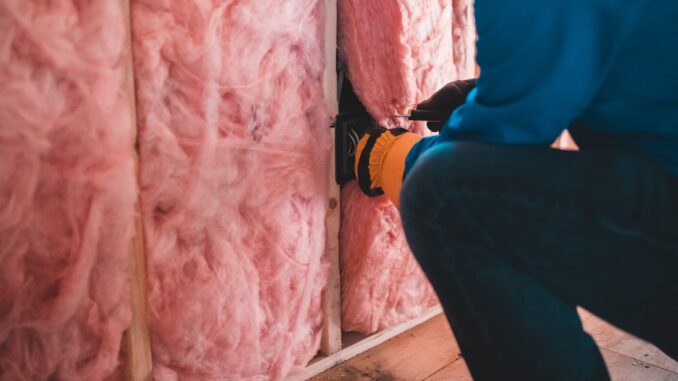
- Fiberglass Batts and Rolls: Probably the most common, these are made from spun glass fibers. They’re cost-effective and relatively easy to install in attics and wall cavities, though you really want to handle them with care to avoid skin irritation.
- Cellulose: Often made from recycled paper, treated for fire resistance, cellulose is blown into attics or dense-packed into wall cavities. It’s fantastic for filling irregular spaces and offers excellent sound dampening, a real bonus in busy office environments.
- Spray Foam (Open-Cell and Closed-Cell): This is the Cadillac of insulation, creating an airtight seal and superior thermal barrier. Open-cell foam is lighter and more flexible, while closed-cell is denser, provides structural rigidity, and acts as a vapor barrier. It’s more expensive upfront, but the performance is truly unparalleled, especially for hard-to-reach areas or complex geometries.
- Rigid Foam Boards (XPS, EPS, Polyiso): These lightweight, durable boards are perfect for exterior wall sheathing, basements, or flat roofs. They boast high R-values per inch and are resistant to moisture.
- Mineral Wool: Made from basalt rock or slag, mineral wool offers fantastic fire resistance and sound absorption, making it a great choice for commercial applications where safety and quiet are priorities.
The Art of Air Sealing
Insulation is only half the battle. Air sealing prevents conditioned air from escaping and unconditioned air from entering. Think about it: a perfectly insulated wall with a gap around a pipe is still losing energy. Here’s where to focus:
- Attic Bypass Leaks: These are the biggest culprits, allowing warm air to rise into the attic in winter (the ‘stack effect’) and cool air to escape in summer. Look for gaps around recessed lighting, plumbing stacks, wiring penetrations, and attic hatches. Caulk, expanding foam, and specialized weatherstripping are your allies here.
- Window and Door Frames: Simple weatherstripping and caulk can make an enormous difference. If you can feel a draft, you’ve found a leak.
- Ductwork: Leaky ducts can lose up to 30% of your HVAC system’s output. Seal them with mastic sealant or metallic foil tape (never duct tape, despite its name!).
- Electrical Outlets and Switches: Believe it or not, these are common leakage points, especially on exterior walls. Simple foam gaskets can stop those tiny drafts.
- Foundation and Rim Joists: Seal any cracks or gaps where the foundation meets the building structure, often with expanding foam or caulk.
To truly identify these hidden energy thieves, a professional energy audit using a blower door test is invaluable. It depressurizes the building, exaggerating air leaks so they become obvious, often paired with thermal imaging cameras that literally ‘see’ temperature differences, revealing where heat is escaping or entering. A colleague of mine, Sarah, recently had a thermal scan done on her small café, and she was genuinely shocked to discover a cold spot the size of a dinner plate behind an old poster. ‘I’d felt a chill there for years,’ she told me, ‘but never knew it was a gap straight to the outside! It’s amazing what you can’t see, isn’t it?’ That’s the power of these diagnostic tools.
2. Windows: Your Building’s Eyes and Its Energy Guardians
Windows, those beautiful portals to the outside world, are also notorious energy bandits. Single-pane windows are practically an open invitation for heat to escape in winter and solar gain to bake your interiors in summer. Upgrading to high-performance windows, specifically double or even triple-glazed units with Low-E coatings, can dramatically enhance your building’s thermal performance and reduce energy consumption. These aren’t just pretty faces; they’re sophisticated pieces of technology.
The Science of Efficient Windows
- Low-E (Low Emissivity) Coatings: This is the real magic. These microscopically thin, transparent metallic layers are applied to one or more surfaces of the glass panes. They’re designed to reflect specific wavelengths of light, effectively bouncing heat back into the room during winter and reflecting solar heat away in summer. Different climates call for different Low-E types; some are optimized for heating, others for cooling, and some offer a balanced approach.
- Inert Gas Fills: The space between the glass panes isn’t just empty air; it’s often filled with inert gases like argon or krypton. These gases are denser than air and conduct heat more slowly, further improving the window’s insulating properties. Krypton is even denser and offers superior performance in thinner gaps, though it’s usually pricier.
- Warm Edge Spacers: These are components that separate the panes of glass at the edge. Traditional aluminum spacers conduct heat, creating a ‘cold spot’ and potential condensation. Warm edge spacers, made from less conductive materials like foam or composite, significantly reduce this thermal bridge.
Frame Materials Matter, too!
Don’t overlook the frame! It’s a critical part of the window assembly and contributes to its overall efficiency.
- Vinyl: A popular and cost-effective choice, vinyl frames are highly durable, low-maintenance, and offer good insulation because the material itself is a poor conductor of heat.
- Fiberglass: My personal favorite, fiberglass frames are incredibly strong, stable, and resistant to warping, rotting, or expanding with temperature changes. This dimensional stability means a tighter seal over the long haul. They’re also paintable, offering design flexibility.
- Wood: A natural insulator with a classic aesthetic, wood frames can be very energy-efficient when well-maintained. However, they require more upkeep and can be susceptible to moisture damage.
- Aluminum: While strong and often used in commercial applications, aluminum is a highly conductive material. To be energy-efficient, aluminum frames require ‘thermal breaks’—insulating material separating the inner and outer parts of the frame.
Beyond full replacements, consider supplementing existing windows with interior or exterior storm windows or applying energy-saving films. These can offer a cost-effective alternative for certain situations, extending the life of older windows while boosting performance. I remember visiting an old library that couldn’t replace its historic windows. They installed interior storm windows, and the difference in comfort and quiet was just remarkable. You could almost feel the hush fall over the room when they were installed.
3. Shedding Light on Savings: Upgrade to Energy-Efficient Lighting
Walk into any older building, and you’ll likely see a host of inefficient light sources gobbling up electricity. Lighting, particularly in commercial or public buildings, can account for a substantial portion of overall energy consumption. The good news? Switching to modern, energy-efficient lighting, primarily LED (Light Emitting Diode) technology, is often one of the quickest and most impactful retrofits you can undertake. We’re talking about systems that use up to 75% less energy than traditional incandescent bulbs, and frankly, who wouldn’t want those kinds of savings?
The Brilliance of LEDs
LEDs aren’t just about lower wattage; they’re a paradigm shift in illumination:
- Exceptional Energy Efficiency: LEDs convert a much higher percentage of electricity into light, rather than wasted heat. This not only saves energy but also reduces the cooling load on your HVAC system, offering a double benefit.
- Longevity: LEDs have incredibly long lifespans, often lasting 25,000 to 50,000 hours or more. Imagine, you could potentially go a decade or longer without needing to change a bulb! This drastically cuts down on maintenance costs and the hassle of frequent replacements.
- Durability: Being solid-state lighting, LEDs are much more robust and resistant to breakage from impacts or vibrations compared to fragile incandescent or fluorescent tubes.
- Instant On/Off and Dimmability: LEDs provide instant full brightness without flickering, and most are fully dimmable, allowing for precise control over light levels.
- Color Temperature and Quality: You’re no longer stuck with a single ‘warm white.’ LEDs come in a vast range of color temperatures (measured in Kelvin, K), from warm, inviting 2700K to bright, cool daylight 5000K, allowing you to tailor the ambiance. They also offer excellent Color Rendering Index (CRI), meaning they accurately display colors.
The Power of Smart Lighting Controls
Beyond simply swapping bulbs, integrating smart lighting controls elevates efficiency to another level. These systems ensure that lights are only on when and where they’re truly needed, optimizing usage and eliminating unnecessary waste.
- Occupancy and Vacancy Sensors: These clever devices detect when a room is occupied and switch lights on, turning them off automatically after a set period of vacancy. Think conference rooms, restrooms, or storage areas—places that aren’t continuously used.
- Daylight Harvesting Systems: Why use artificial light when natural light is streaming in? These systems use photocells to monitor ambient daylight levels and dim or switch off artificial lights accordingly, maintaining a consistent light level while maximizing natural illumination.
- Timers and Schedules: Program lights to turn on and off based on building occupancy schedules, holidays, or even sunrise/sunset times.
- Task Tuning/Dimming Controls: Give occupants the ability to adjust light levels in their immediate workspace, reducing overall energy consumption while improving comfort and productivity.
- Networked Lighting Control Systems (NLCs): These advanced systems connect all your light fixtures and controls into a unified network, allowing for centralized management, detailed energy monitoring, and advanced scheduling. They can even integrate with other building management systems.
Implementing these measures can slash lighting energy usage by up to 75%, sometimes even more. I recall a client who ran a large distribution warehouse. They swapped out their old metal halide fixtures for networked LEDs with occupancy sensors. Not only did their energy bills plummet, but their warehouse staff reported a noticeable improvement in visibility and a generally ‘brighter, more alive’ workspace. It truly made a difference to their day-to-day, and that’s the human element often overlooked in these efficiency upgrades.
4. The Heart of the Building: Optimizing HVAC Systems
If the building envelope is the coat, then the HVAC system is its beating heart, constantly regulating the internal environment. And just like a struggling heart, an old, inefficient HVAC system can be an enormous energy hog, often accounting for 40-60% of a building’s total energy consumption. Upgrading to high-efficiency models, coupled with diligent maintenance and smart controls, isn’t just an option; it’s a fundamental step towards true energy independence and cost savings.
Modern HVAC Technologies
Forget those old, clunky units. Today’s HVAC landscape offers sophisticated solutions:
- Variable Refrigerant Flow (VRF) Systems: These systems allow for multiple indoor units to be connected to a single outdoor unit, providing simultaneous heating and cooling to different zones. They modulate refrigerant flow precisely, leading to incredible energy efficiency and personalized comfort.
- Geothermal Heat Pumps: While a larger initial investment, geothermal systems use the stable temperature of the earth to provide incredibly efficient heating and cooling. They boast some of the lowest operating costs and significantly reduce emissions.
- High-Efficiency Boilers and Furnaces: For buildings still relying on combustion, modern condensing boilers and furnaces extract far more heat from the fuel by capturing latent heat from exhaust gases, achieving efficiencies well over 90%.
- Energy Recovery Ventilators (ERVs) and Heat Recovery Ventilators (HRVs): These systems capture energy from the outgoing exhaust air to precondition the incoming fresh air, reducing the load on your main HVAC system while maintaining excellent indoor air quality. It’s like recycling the energy in your breath before you even take a new one.
The Unsung Hero: Ductwork
Even the most efficient HVAC unit will struggle if its arteries—the ductwork—are compromised. Leaky ducts can lose a significant portion of conditioned air before it even reaches its destination. Sealing and insulating ducts, especially those running through unconditioned spaces like attics or crawl spaces, is a surprisingly cost-effective way to boost system performance. Have you ever considered that a poorly maintained duct system can reduce overall system efficiency by up to 20-30%? It’s a huge hidden drain.
The Brains Behind the Operation: Advanced Controls and AI Integration
This is where HVAC truly gets smart:
- Smart Thermostats: Beyond simple programming, modern smart thermostats ‘learn’ your building’s occupancy patterns and preferences, optimizing temperatures automatically. Many can be controlled remotely via apps.
- Zoning Systems: Instead of heating or cooling an entire building uniformly, zoning systems allow you to divide it into distinct areas, each with its own temperature control. Why condition an empty floor when you don’t have to?
- Building Management Systems (BMS): These integrated platforms bring together HVAC, lighting, security, and other building systems into a centralized control hub, allowing for sophisticated scheduling, monitoring, and optimization.
- AI Integration: This is the cutting edge. AI algorithms can analyze vast amounts of data—weather forecasts, occupancy sensors, energy prices, even individual comfort preferences—to predict building loads and fine-tune HVAC operations in real-time. Imagine an AI proactively adjusting temperatures based on tomorrow’s weather prediction and your scheduled meetings, ensuring peak comfort with minimal energy use. Time magazine recently highlighted how AI in HVAC systems could slash energy consumption and carbon emissions by 8-19%. It’s not science fiction; it’s happening now.
The Maintenance Imperative
Even the best systems will falter without regular care. A robust preventative maintenance schedule is non-negotiable:
- Regular Filter Changes: Clogged filters restrict airflow, making the system work harder and less efficiently. It’s a simple fix, but often overlooked.
- Coil Cleaning: Evaporator and condenser coils get dirty over time, reducing their ability to transfer heat. Clean coils mean optimal performance.
- Professional Tune-Ups: Annual inspections by certified technicians can identify minor issues before they become costly breakdowns, ensuring your system runs at peak efficiency year after year. Think of it like getting a regular check-up for your car—you wouldn’t skip that, would you?
5. Harnessing Nature’s Power: Incorporate Renewable Energy Sources
While improving efficiency is about doing more with less, incorporating renewable energy sources is about generating your own ‘less.’ Installing on-site renewable energy systems, primarily solar panels, but also potentially wind turbines or geothermal, can fundamentally shift your building’s energy profile, dramatically reducing reliance on fossil fuels and stabilizing energy costs. It’s a powerful statement, both environmentally and financially.
The Solar Revolution
Solar photovoltaic (PV) systems are, by far, the most common and accessible form of on-site renewable energy for buildings. The technology has matured immensely, becoming more efficient and affordable every year.
- Types of Solar Panels:
- Monocrystalline: Made from a single crystal of silicon, these are the most efficient and have a sleek, uniform black appearance, often preferred for aesthetics.
- Polycrystalline: Made from multiple silicon crystals, they are slightly less efficient but more cost-effective.
- Thin-Film: More flexible and lightweight, suitable for specialized applications, though generally less efficient than crystalline panels.
- Mounting Options: Rooftop installations are common, but ground-mount systems or even facade-integrated solar can be options depending on space and architectural considerations.
- Battery Storage: Integrating battery storage allows you to capture excess solar energy generated during the day and use it during peak demand periods or at night, further reducing reliance on the grid and enhancing energy resilience. This is becoming increasingly vital for businesses that can’t afford power interruptions.
- Net Metering: Most regions offer net metering programs, which allow you to send excess electricity generated by your solar panels back to the grid, earning credits on your utility bill. It’s like your meter spinning backward when you’re producing more than you’re consuming!
Other Renewable Avenues
While solar often takes center stage, other renewables might be viable:
- Solar Thermal: Distinct from PV, solar thermal systems use the sun’s energy to heat water directly for domestic hot water or space heating. This can significantly offset the energy required for water heating.
- Wind Turbines: While less common for individual buildings in urban settings, small-scale wind turbines can be effective in rural or coastal areas with consistent wind resources. Careful site assessment is crucial here.
- Geothermal: As mentioned in the HVAC section, ground-source heat pumps tap into the earth’s stable temperature for highly efficient heating and cooling, offering a continuous renewable energy source that’s always ‘on.’
Incorporating renewable energy isn’t just about operational savings; it significantly enhances a building’s sustainability profile, appealing to eco-conscious tenants, investors, and employees. Plus, there are often substantial tax incentives and grants available that can make the initial investment much more palatable.
6. The Digital Nervous System: Implement Smart Building Technologies
Think of a modern building not as a static structure, but as a dynamic, responsive organism. That’s the vision behind smart building technologies. Utilizing the Internet of Things (IoT), sophisticated sensors, and comprehensive Building Management Systems (BMS), you can create a digital nervous system that provides real-time monitoring and granular control over virtually every aspect of your building’s energy consumption. This isn’t just about efficiency; it’s about intelligence, comfort, and predictive power.
The Core Components of a Smart Building
- IoT Sensors: These are the eyes and ears of your smart building, tiny devices that collect data on everything imaginable. We’re talking temperature, humidity, CO2 levels, light levels, occupancy (how many people are in a room), even vibration and air quality. These sensors feed a constant stream of information back to a central system.
- Building Management Systems (BMS) / Building Automation Systems (BAS): These are the brains. A BMS integrates and orchestrates various building systems—HVAC, lighting, security, access control, fire safety, and more—onto a single platform. It takes the data from the IoT sensors, applies predefined logic or AI algorithms, and then sends commands back to equipment (e.g., ‘turn off lights,’ ‘adjust thermostat,’ ‘open blinds’).
- Data Analytics and Machine Learning: Raw data is just noise without interpretation. Smart building systems use sophisticated analytics to identify patterns, detect anomalies, predict equipment failures, and pinpoint inefficiencies that would be invisible to the human eye. This predictive maintenance capability alone can save enormous sums by preventing costly breakdowns and optimizing equipment lifespan.
Benefits Beyond Energy Savings
While energy efficiency is a primary driver, smart building technologies offer a plethora of additional advantages:
- Enhanced Occupant Comfort: By constantly monitoring environmental conditions and adjusting systems in real-time, smart buildings can maintain optimal comfort levels, leading to happier, more productive occupants. Imagine a meeting room that automatically adjusts ventilation based on CO2 levels as more people enter.
- Improved Indoor Air Quality (IAQ): Beyond temperature, smart sensors can monitor pollutants and VOCs (Volatile Organic Compounds), triggering ventilation systems to refresh the air when needed, which has significant health benefits, particularly in a post-pandemic world.
- Operational Efficiency: Automating routine tasks frees up facility managers to focus on more strategic initiatives. Real-time alerts simplify troubleshooting, and detailed data helps justify further upgrades.
- Security and Safety: Integration with security systems means coordinated responses in emergencies, such as automated lighting for egress paths or locking down specific zones.
- Resource Management: Beyond energy, smart systems can monitor water consumption, waste generation, and other resource flows, helping to identify areas for conservation.
Implementing smart building tech effectively demands careful planning and often a phased approach. It’s not about installing every gadget under the sun, but strategically deploying technologies that align with your building’s specific needs and your operational goals. I worked on a project for a multi-story office building where the facilities team used to manually adjust HVAC settings on each floor. After implementing a new BMS, they could see real-time energy use by zone, adjust schedules from a tablet, and even predict potential equipment issues weeks in advance. The transformation was truly liberating for them, and the energy savings were just icing on the cake.
7. Decarbonizing with Electricity: Electrify Building Systems
One of the most powerful steps towards true decarbonization and a greener future for your building is transitioning away from fossil fuel-based systems—like natural gas furnaces and boilers—to clean electric alternatives. This isn’t just about swapping one fuel source for another; it’s about harnessing highly efficient, often renewable-powered, electric technologies that dramatically cut greenhouse gas emissions and frequently lower operational costs. Welcome to the era of building electrification.
The Heat Pump Revolution
At the forefront of electrification are heat pumps. These aren’t just air conditioners that can also heat; they’re incredibly efficient marvels that move heat rather than generate it. Think of them as a refrigerator in reverse. They extract heat from one place (outside air, ground, or water) and transfer it to another (inside your building).
- Air-Source Heat Pumps (ASHPs): The most common type, these extract heat from the outside air even in very cold temperatures. Modern cold-climate ASHPs are incredibly effective down to well below freezing, offering high efficiency ratings (measured in SEER2 for cooling and HSPF for heating).
- Ground-Source Heat Pumps (GSHPs): Also known as geothermal heat pumps, these use the stable temperature of the earth to exchange heat. They are the most efficient type of heat pump, providing consistent performance regardless of outdoor air temperature, though they have a higher upfront installation cost due to the ground loops.
- Water-Source Heat Pumps: These systems exchange heat with a body of water (a pond, lake, or dedicated water loop), often used in larger commercial buildings.
Heat pumps typically offer a Coefficient of Performance (COP) of 3 or higher, meaning for every unit of electricity consumed, they deliver three or more units of heating or cooling energy. Compare that to a traditional furnace, which at best converts one unit of fuel into less than one unit of useful heat. It’s a game-changer.
Electric Water Heating: Beyond Resistance
Traditional electric resistance water heaters are notoriously inefficient. The electrified alternative? Heat pump water heaters (HPWHs). Just like space heating heat pumps, HPWHs pull heat from the surrounding air to heat water, using significantly less electricity—often 2 to 3 times more efficiently than standard electric models. They are a fantastic way to slash energy use for one of a building’s most consistent loads.
Other Electrification Opportunities
- Induction Cooking: For commercial kitchens, induction cooktops offer precise control, incredible energy efficiency, and improved indoor air quality by eliminating combustion byproducts.
- Electric Vehicle (EV) Charging Infrastructure: As EV adoption grows, providing on-site charging points for tenants or employees becomes a value-add and a step towards an all-electric future.
Electrification projects not only lower emissions and boost efficiency but also offer significant health benefits by removing combustion byproducts from indoor spaces. The California Air Resources Board highlights that electrifying HVAC and water heating in existing homes can lead to annual bill savings of up to $750 for single-family homes. While those numbers vary for commercial buildings, the principle of substantial savings remains. It’s about moving towards a cleaner, healthier, and ultimately more affordable operating model.
8. Powering Progress: Upgrade to High-Efficiency Motors
Within many buildings, especially larger commercial and industrial facilities, electric motors are the tireless workhorses that drive countless systems. They power everything from massive ventilation fans and intricate water pumps to air compressors and even elevator systems. Often overlooked in energy audits, older, standard-efficiency motors can be silently siphoning off significant amounts of electricity. Upgrading these to NEMA Premium efficiency motors is a surprisingly impactful retrofit that can lead to substantial energy consumption reductions and lower operational costs.
The NEMA Premium Standard
NEMA Premium is a voluntary program by the National Electrical Manufacturers Association that sets higher efficiency standards for electric motors. These motors are designed and manufactured with superior materials, tighter tolerances, and advanced designs that minimize energy losses through heat, friction, and electromagnetic inefficiencies. While they might have a slightly higher upfront cost, the energy savings over their lifespan quickly dwarf that initial investment.
Where Motors are Found and What They Do
Think about all the places motors operate within a building:
- HVAC Systems: Fans for air handling units (AHUs), exhaust fans, condenser fans.
- Pumps: Chilled water pumps, hot water circulation pumps, domestic water booster pumps, sump pumps.
- Process Equipment: In specific commercial or industrial settings, motors might power conveyors, machinery, or specialized equipment.
- Elevators and Escalators: Large motors are essential for vertical transportation systems.
The Power of Variable Frequency Drives (VFDs)
Beyond simply upgrading the motor, pairing it with a Variable Frequency Drive (VFD), also known as a Variable Speed Drive (VSD), is where true optimization happens. Most motors in buildings operate at a constant speed, even when the system doesn’t require full output. This is incredibly inefficient. A VFD allows the motor’s speed to be precisely matched to the actual demand of the system.
For instance, an air handling unit’s fan doesn’t always need to run at 100% speed. During off-peak hours or when fewer people are in the building, the VFD can slow the fan down. The energy savings are exponential here, because reducing a motor’s speed by just 20% can often result in a 50% reduction in energy consumption due—a principle known as the ‘affinity laws.’ That’s a huge win!
The Total Cost of Ownership (TCO) Advantage
When considering motor upgrades, it’s crucial to look beyond just the purchase price and consider the Total Cost of Ownership (TCO). This includes not only the initial cost but also energy consumption, maintenance, and expected lifespan. NEMA Premium motors, especially when paired with VFDs, consistently demonstrate a lower TCO over their operational life due to their significantly reduced energy demand. These motors are typically designed to be compatible with existing equipment, simplifying the upgrade process. A large industrial client of ours swapped out their old pump motors for NEMA Premium models with VFDs, and within months, they were seeing hundreds of dollars in monthly savings, not to mention a noticeable reduction in motor noise and vibration. It’s truly a tangible difference.
9. Holistic Protection: Improve Building Envelope Performance
We’ve touched on insulation and windows individually, but it’s crucial to view the building envelope as a single, integrated system—the complete protective skin of your structure. The building envelope encompasses everything that separates the interior conditioned space from the exterior environment: the roof, walls, foundation, windows, and doors. A high-performing envelope is fundamental because it’s the primary barrier against heat transfer, air infiltration, and moisture intrusion. It directly dictates how hard your HVAC system has to work, and honestly, if you’re not addressing the envelope first, you’re building on shaky ground.
Understanding the Interconnectedness
Think of the envelope as a continuous, seamless shield. Any weak point, any discontinuity, compromises the entire system. For example, excellent wall insulation can be undermined by leaky windows or an uninsulated roof. This holistic approach ensures maximum thermal performance and comfort.
- Thermal Bridging: This is a common issue where heat bypasses insulation through more conductive materials, like structural studs, steel framing, or even improperly installed window frames. Designing or retrofitting to minimize thermal bridging is essential. Continuous insulation, for example, placed on the exterior of wall studs, effectively reduces these heat loss pathways.
- Air Barrier Continuity: This refers to a continuous plane that prevents uncontrolled airflow through the building assembly. It’s distinct from the vapor barrier, though materials can sometimes serve both functions. A robust air barrier is critical for controlling air leakage, which, as we discussed, is a massive energy drain. Pay meticulous attention to junctions between different building components—where walls meet roofs, where windows meet walls, and at the foundation.
- Moisture Management: An effective building envelope must not only keep heat in or out but also manage moisture. This involves correctly installed vapor barriers (or retarders) to prevent moisture migration through walls and roofs, proper flashing around windows and doors, and effective drainage planes to guide bulk water away from the structure. Ignoring moisture can lead to serious issues like mold, rot, and diminished insulation performance.
Key Areas for Envelope Enhancement
- Roofing Systems: Upgrading to highly reflective ‘cool roofs’ can significantly reduce solar heat gain in warmer climates, lowering cooling loads. Adding insulation to existing roofs (e.g., rigid insulation boards) is another impactful strategy. Green roofs, which incorporate vegetation, offer excellent insulation, stormwater management, and even biodiversity benefits.
- Exterior Wall Systems: Beyond simply adding insulation to cavities, consider exterior insulation finishing systems (EIFS) or continuous insulation layers that dramatically boost the R-value and air-tightness of the entire wall assembly.
- Foundation and Basement/Crawl Space: Insulating foundation walls (interior or exterior) and sealing crawl spaces can prevent significant heat loss into the ground and mitigate moisture issues. This area is often neglected but can offer substantial returns.
- Door Upgrades: Just like windows, old, uninsulated doors or those with poor seals are weak points. Upgrading to high-efficiency, insulated doors with good weatherstripping can make a noticeable difference.
Improving your building envelope performance is often the first and most foundational step in any energy efficiency journey, and for good reason. Heating and cooling can easily account for 50-70% of the energy used in an average building. By tightening that envelope, you’re dramatically reducing your overall energy demand before even touching your mechanical systems. It’s about setting the stage for everything else to succeed.
10. Unlocking Resources: Seek Financial Incentives and Financing Options
Let’s be honest, while the long-term benefits of energy efficiency retrofits are compelling, the upfront costs can feel daunting. But here’s the good news: financial considerations absolutely shouldn’t be a roadblock to pursuing these essential upgrades. In today’s landscape, there’s a surprisingly robust ecosystem of federal, state, and local incentives, as well as innovative financing options, specifically designed to make these projects more accessible and affordable. It’s about tapping into the right resources and understanding the landscape.
A World of Incentives
Don’t leave money on the table! Various programs exist to offset the cost of energy-efficient upgrades:
- Federal Tax Credits and Deductions: The U.S. government, through legislation like the Inflation Reduction Act (IRA), offers significant tax credits for energy-efficient commercial building property (e.g., Section 179D for energy-efficient commercial buildings) and for investments in renewable energy technologies (e.g., Investment Tax Credit, ITC, for solar). These can be incredibly valuable, sometimes covering a substantial portion of project costs. Keeping abreast of these changing policies is key.
- State and Local Rebates: Many states and municipalities offer their own programs. These might include rebates for specific equipment (like high-efficiency HVAC units, heat pumps, or LED lighting), grants for energy audits, or property tax abatements for green buildings. These can vary wildly by location, so research is crucial.
- Utility Company Programs: Don’t forget your local utility provider! Many utilities offer incentives and rebates to encourage energy efficiency, as it helps them manage demand and avoid building new power plants. These often include assessments, equipment rebates, and demand-response programs.
- Grant Programs: Specific grants may be available from government agencies, non-profits, or foundations, particularly for projects that align with broader sustainability goals or serve underserved communities.
Innovative Financing Solutions
If upfront capital is still a hurdle, there are tailored financing mechanisms that can help:
- Energy Service Agreements (ESAs) / Energy Performance Contracts (EPCs): These are ‘pay-for-performance’ models. An energy service company (ESCO) or provider will implement the upgrades with little to no upfront cost to you. They then get repaid over time from the guaranteed energy savings. If the savings aren’t met, they don’t get paid, providing a strong incentive for successful project delivery. It’s a fantastic way to mitigate financial risk.
- Green Loans and PACE Financing:
- Green Loans: Many banks and financial institutions now offer specialized ‘green’ or ‘sustainability’ loans with favorable terms for energy efficiency and renewable energy projects.
- Commercial Property Assessed Clean Energy (C-PACE): This innovative financing mechanism allows building owners to fund energy efficiency, renewable energy, and water conservation projects through a voluntary assessment on their property tax bill. The repayment obligation stays with the property, not the owner, making it very attractive, especially for longer-term projects. It’s an incredible tool, gaining traction across the US.
- On-Bill Financing: Some utilities offer programs where the cost of energy upgrades is financed directly on your monthly utility bill, often at low or no interest.
Navigating this landscape can feel a bit like wading through treacle, so seeking expert advice from energy consultants, financial advisors specializing in green investments, or the U.S. Department of Energy’s Office of Energy Efficiency and Renewable Energy (which provides fantastic resources) is highly recommended. Understanding the Return on Investment (ROI) and payback periods for various upgrades will empower you to make informed decisions and secure the necessary funding. I’ve seen countless projects get off the ground because a client found that one perfect incentive or financing structure they didn’t even know existed. It really makes all the difference.
The Journey Ahead: A Sustainable Future, One Building at a Time
So, there you have it. We’ve journeyed through the intricate layers of your building, from its outer skin to its beating heart, discovering countless opportunities to enhance its efficiency and sustainability. Retrofitting an existing building for energy performance is a multifaceted undertaking, no doubt, but one that offers profound and lasting rewards. It’s not a single switch you flip; it’s a strategic, often phased, evolution. And it truly is an exciting one, isn’t it?
By diligently implementing these strategies—supercharging insulation, embracing smart windows, illuminating with LEDs, optimizing HVAC, harnessing renewables, digitizing with smart tech, electrifying systems, upgrading motors, and holistically strengthening the building envelope—you’re not just performing maintenance. You’re transforming your building into a high-performing, cost-effective, resilient, and environmentally responsible asset. You’re giving it a new lease on life, ready to face the challenges of tomorrow.
Beyond the undeniable financial benefits of reduced operational costs, consider the broader impact. You’re contributing directly to a more sustainable future, playing a tangible role in mitigating climate change, and demonstrating a commitment to corporate social responsibility. Furthermore, these upgrades often lead to enhanced occupant comfort, improved indoor air quality, and increased property value. It’s a powerful narrative to share with your stakeholders, employees, and clients.
So, what’s your next step on this journey? Perhaps it’s a comprehensive energy audit to truly understand your building’s unique characteristics. Or maybe it’s reaching out to an expert to explore those financial incentives we discussed. Whatever it is, embrace the opportunity. The future of our built environment—and indeed, our planet—hinges on these decisions. Let’s build it better, together.
Be the first to comment