

Navigating the 2030 °Challenge: A Deep Dive into Sustainable Building Strategies
The climate crisis, it’s pressing, isn’t it? Our planet truly needs a helping hand, and the building industry, responsible for a staggering amount of global energy consumption and greenhouse gas emissions, holds a significant piece of that puzzle. That’s where the 2030 °Challenge, championed by Architecture 2030, steps in, drawing a line in the sand with ambitious, yet entirely achievable, targets. It’s not just about compliance; it’s about pioneering a new era for our built environment, one where structures don’t just stand tall but actively contribute to a healthier planet. This isn’t just a lofty goal, it’s an urgent call to action, demanding radical reductions in energy use and greenhouse gas emissions from all new buildings and major renovations. To truly answer that call, we’ve got to adopt a comprehensive, multi-faceted approach, integrating strategies that transform how we design, construct, and operate our buildings. Let’s really dig into the core approaches that are proving essential for hitting these crucial benchmarks and crafting a sustainable future.
Successful low-energy building design hinges on careful planning. Focus360 Energy can help.
1. Mastering Passive Design Strategies: Letting Nature Do the Heavy Lifting
Passive design is, in essence, the art of working with nature, rather than against it. It’s about harnessing the sun, the wind, and even the earth itself to create comfortable, energy-efficient spaces without relying heavily on mechanical systems. This approach forms the bedrock of any truly sustainable building, and honestly, it’s where you’ll see some of your most significant gains, often for minimal additional cost upfront.
Strategic Orientation and Thoughtful Layout
Imagine a building that breathes with its surroundings, its very form a response to the sun’s path and the prevailing breezes. That’s the power of good orientation. We’re talking about positioning the building on its site to maximize beneficial solar gain in winter, flooding interior spaces with natural light and reducing heating loads. Conversely, you’ll want to minimize unwanted solar heat gain during warmer months, which is crucial for cutting down on cooling energy. This often means careful consideration of your building’s elongated axis, perhaps running it east-west in many temperate climates to reduce exposure on the harsh east and west facades. But it’s not a one-size-fits-all solution; a thorough site analysis is absolutely paramount, factoring in local climate data, surrounding structures, and even future developments that could cast shade or alter wind patterns.
Furthermore, the internal layout plays a starring role. Placing frequently occupied spaces and daylight-sensitive activities along the north or south (depending on hemisphere) can optimize natural light distribution, often reducing the need for artificial lighting during the day. Think about light shelves to bounce sunlight deeper into a room or atriums that act as lightwells, drawing illumination down to lower floors. Shading devices, like carefully calibrated overhangs, fins, or louvers, become architectural features themselves, dynamically blocking high summer sun while welcoming the lower winter sun. It’s a dance between light and shade, form and function.
The Mighty Duo: Insulation and Air Sealing
If passive design is the blueprint, then robust insulation and meticulous air sealing are the walls that protect it. They’re like the building’s cozy blanket, preventing unwanted heat transfer and stopping drafts that can send your energy bills soaring. High-quality insulation materials, measured by their R-value (resistance to heat flow), are your first line of defense. This isn’t just about throwing some fiberglass in the walls; it’s about choosing the right insulation for the right place – rigid foam boards for continuous exterior insulation, dense-pack cellulose for existing cavities, or even cutting-edge aerogels for tight spots. The goal is to create a continuous thermal envelope, minimizing those sneaky thermal bridges where heat can easily escape or enter through structural elements.
But insulation alone won’t do the trick if your building leaks like a sieve. Air sealing, sometimes overlooked, is absolutely critical. We’re talking about meticulously sealing every crack, gap, and penetration in the building’s envelope – around windows, doors, electrical outlets, and plumbing stacks. Blower door tests, often performed during construction, are invaluable here, revealing exactly where those leaks are hiding, allowing you to seal them before they become a persistent energy drain. A truly airtight building doesn’t just save energy; it also improves indoor air quality by preventing uncontrolled moisture infiltration, which can lead to mold and comfort issues. I’ve seen projects where tightening up the envelope alone slashed heating and cooling loads by twenty percent, sometimes more, it’s just amazing what a diligent approach can accomplish.
Harnessing the Breeze: Natural Ventilation
Who doesn’t love a fresh breeze wafting through a room on a warm day? Natural ventilation leverages differential air pressures and temperatures to move air through a building, often reducing or eliminating the need for mechanical cooling. Cross-ventilation is the classic example: strategically placed operable windows on opposite sides of a space allow prevailing winds to enter, sweep through, and exit, carrying away heat and stale air. Then there’s the stack effect, where warm, buoyant air rises and escapes through high openings (like clerestory windows or rooftop vents), drawing cooler, denser air in through lower openings.
Designing for effective natural ventilation involves more than just opening windows. You need to understand your local wind patterns, consider building shape, and even incorporate elements like courtyards or ventilation stacks that can enhance airflow. Night purging, for instance, allows cooler night air to flush out heat stored in the building’s thermal mass, pre-cooling the structure for the following day. This dramatically lowers the daytime cooling load. Imagine a summer evening, when the sun’s just dipped below the horizon, and instead of clicking on the AC, you’re simply opening a few strategically placed windows, feeling that cool air draw through the space, it’s a truly pleasant, and efficient, experience.
2. Integrating Renewable Energy Sources: Powering Up with Nature’s Bounty
Once you’ve squeezed every last drop of efficiency out of your building through passive design, the next logical step is to meet the remaining energy demand with clean, renewable sources. This is where buildings truly begin to shift from energy consumers to energy producers, contributing directly to a decarbonized grid.
Sun-Kissed Power: Solar Photovoltaics (PV) and Solar Thermal
Solar power, often the darling of renewable energy, comes in a couple of fantastic flavors for buildings. First, we have photovoltaic (PV) panels, which convert sunlight directly into electricity. Modern PV technology is incredibly versatile; you can find panels integrated into roof tiles, facade systems (building-integrated photovoltaics or BIPV), or simply mounted on rooftops. The key is ample, unobstructed south-facing (in the Northern Hemisphere) roof or facade space, angled optimally for your latitude. Considerations like shading from adjacent buildings or trees, as well as structural capacity to support the panels, are non-negotiable planning points. Integrating these systems with battery storage has become increasingly popular, allowing buildings to store excess daytime energy for use at night or during peak demand, enhancing resilience and further reducing reliance on grid power.
Then there’s solar thermal, a sometimes-overlooked hero that uses the sun’s energy to heat water or air. Think of flat-plate or evacuated tube collectors installed on a roof, directly providing hot water for domestic use or even contributing to space heating. This significantly reduces the energy required for conventional water heaters, which are often significant energy hogs. For many commercial and residential projects, combining PV for electricity and solar thermal for hot water is a powerful, synergistic approach.
Harnessing the Wind: Small-Scale Turbines
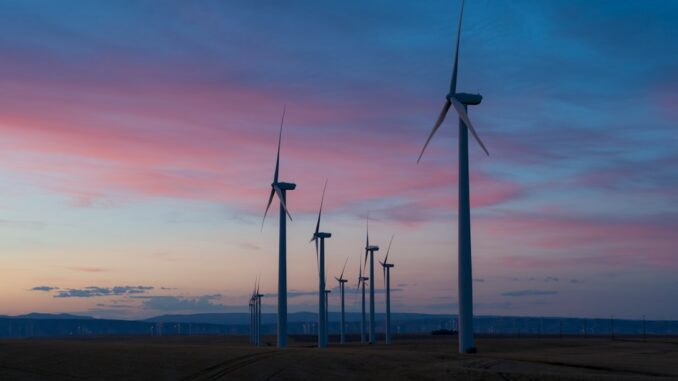
While large wind farms might dominate the headlines, small-scale wind turbines can play a role in urban and suburban settings, especially in areas with consistent wind resources. These aren’t the towering giants you see in rural landscapes; rather, they’re typically smaller units, sometimes vertical axis turbines (VAWTs) which are less sensitive to wind direction and can operate at lower wind speeds, making them more suitable for varied urban airflow. Before installing, a comprehensive wind resource assessment is crucial to ensure there’s enough consistent wind speed to justify the investment. Noise, vibration, and local zoning regulations are also critical factors to evaluate. While less common than solar on individual buildings, in the right location, they can be a potent addition to a building’s renewable energy portfolio.
Tapping into Earth’s Stable Embrace: Geothermal Systems
Geothermal heat pumps (GSHPs) are truly remarkable, utilizing the earth’s stable underground temperature to provide highly efficient heating and cooling. Just a few feet below the surface, the earth maintains a relatively constant temperature year-round. GSHPs work by circulating a fluid through a loop of buried pipes, either vertical (boreholes) or horizontal (trenches), exchanging heat with the ground. In winter, the system extracts heat from the earth and transfers it into the building; in summer, it reverses the process, taking heat from the building and dispersing it into the cooler ground. These systems are incredibly efficient, often achieving coefficients of performance (COP) far higher than conventional HVAC, meaning they move more heat energy than they consume electrical energy.
While the initial installation cost and disruption from drilling can be higher, the long-term operational savings and reduced carbon footprint are substantial. They’re a fantastic choice for areas with consistent heating and cooling demands, offering quiet operation and a truly sustainable climate control solution. The Bullitt Center in Seattle, often hailed as ‘the greenest commercial building in the world,’ is a phenomenal example, it operates entirely on renewable energy, leveraging a vast rooftop solar array and a sophisticated geothermal system to achieve its Living Building Challenge certification, pretty impressive when you think about it.
3. Utilizing Energy-Efficient Building Materials: More Than Just Aesthetic
The materials we choose for our buildings do more than just define their aesthetic appeal or structural integrity; they profoundly influence a project’s environmental footprint, from the energy expended in their creation to their performance over the building’s lifespan. Opting for materials that are both energy-efficient in use and responsible in production is a cornerstone of meeting the 2030 °Challenge.
Embracing Thermal Mass: The Passive Regulator
Materials with high thermal mass possess an incredible ability to absorb and store heat energy, then slowly release it over time. Think of concrete, brick, stone, or even rammed earth walls. In colder climates, when exposed to direct sunlight, these materials soak up solar heat during the day, preventing overheating, and then radiate that warmth back into the building as temperatures drop in the evening, reducing reliance on heating systems. Conversely, in hot climates, they can absorb interior heat during the day, keeping spaces cooler, and then release it to the outside when temperatures fall at night, especially when combined with night purging ventilation. Strategically placing these materials on interior walls or floors where they can interact with solar gain is key to optimizing their performance. They essentially act as a natural thermostat, stabilizing indoor temperatures and smoothing out temperature swings. There are even advancements in phase-change materials (PCMs) that can be integrated into drywall or other building components, storing and releasing latent heat as they change state, offering even more precise thermal regulation.
Low Embodied Energy: The Unseen Footprint
‘Embodied energy’ refers to the total energy consumed across a material’s entire lifecycle – from its extraction, processing, manufacturing, and transportation, all the way through to its installation, maintenance, and eventual disposal or recycling. It’s often the hidden environmental cost of building materials. Prioritizing low embodied energy materials means making choices that minimize this invisible footprint. This requires a lifecycle assessment (LCA) mindset, looking beyond just the immediate cost.
Consider materials with a high recycled content, like structural steel (often 90%+ recycled), concrete with recycled aggregates, or insulation made from recycled denim. These significantly reduce the energy needed for virgin material production. Rapidly renewable materials like bamboo flooring or cork, which grow quickly and can be harvested without depleting natural resources, are also excellent choices. Locally sourced materials drastically cut down on transportation energy – imagine using stone quarried just miles from your site versus importing exotic marble from across the globe. Reclaimed materials, like timber from deconstructed buildings or bricks salvaged from old factories, offer the ultimate in low embodied energy, giving a second life to valuable resources.
Furthermore, opting for materials with certifications like Cradle to Cradle or those recognized by LEED helps ensure they’re not only low in embodied energy but also free from harmful chemicals and support ethical supply chains. The Edge in Amsterdam, lauded as one of the world’s greenest office buildings, really showcases this philosophy, its careful selection of sustainable materials, from its innovative use of reclaimed steel to its recycled carpet tiles, has been instrumental in achieving a reported 70% reduction in energy use compared to conventional office buildings. It’s truly inspiring to see how materials choices, often unseen, contribute so much.
4. Employing Advanced Building Technologies: The Smart Evolution
While passive design and sustainable materials lay the essential groundwork, modern technology provides the intelligence and precision needed to fine-tune a building’s performance to an unprecedented degree. Advanced building technologies aren’t just gadgets; they’re sophisticated systems that learn, adapt, and optimize, ensuring your building runs at peak efficiency around the clock.
The Brain of the Building: Building Energy Management Systems (BEMS)
Think of a Building Energy Management System (BEMS), often synonymous with a Building Automation System (BAS), as the central nervous system of a smart building. These integrated platforms monitor and control an astonishing array of building functions in real-time – everything from HVAC and lighting to security access and fire systems. But their real power lies in their ability to collect vast amounts of operational data. This data isn’t just for show; advanced BEMS leverage artificial intelligence and machine learning algorithms to analyze consumption patterns, predict future energy needs based on weather forecasts and occupancy schedules, and then proactively adjust systems for optimal performance. They can pinpoint inefficiencies, identify equipment malfunctions, and even provide detailed sub-metering data to individual tenants, fostering greater energy accountability.
For instance, if a BEMS detects that a particular zone is consistently over-cooled even with minimal occupancy, it can automatically reduce airflow or increase the temperature setpoint. It’s a continuous cycle of monitoring, analyzing, and optimizing. The sheer granularity of control and data insight that these systems offer means you’re no longer just guessing at where energy is being used; you’re seeing it, understanding it, and actively managing it. This proactive approach significantly cuts down on waste, ensuring that energy is only consumed precisely when and where it’s needed.
Intelligent Illumination: Smart Lighting Systems
Modern lighting systems have moved far beyond simple on/off switches, becoming incredibly sophisticated tools for energy conservation and occupant comfort. The foundation is LED technology, which offers dramatic energy savings, longer lifespans, and greater control compared to traditional incandescent or fluorescent bulbs. But it’s the ‘smart’ component that truly transforms efficiency.
This includes daylight harvesting sensors that automatically dim or switch off artificial lights when sufficient natural light is available, often saving a bundle in commercial spaces. Occupancy sensors ensure lights are only on when a space is occupied, preventing wasted energy in empty rooms. Automated scheduling allows for pre-programmed lighting changes based on time of day or year. Furthermore, human-centric lighting, which adjusts color temperature and intensity to mimic natural daylight cycles, can improve occupant well-being and productivity while still being energy-efficient. The level of control, down to individual desk lighting in some advanced setups, is truly remarkable and highly impactful.
Climate Control Evolved: Smart HVAC Systems
Heating, Ventilation, and Air Conditioning (HVAC) systems are typically among the largest energy consumers in commercial buildings. Smart HVAC technologies are designed to drastically cut this consumption while maintaining superior indoor air quality and comfort. Variable Refrigerant Flow (VRF) systems allow for simultaneous heating and cooling in different zones of a building, offering incredible flexibility and efficiency. Dedicated Outdoor Air Systems (DOAS) separate the delivery of fresh outdoor air from the task of heating and cooling, allowing for more precise control and energy recovery. Zoned control ensures that only occupied areas are conditioned, preventing wasted energy in vacant parts of a building.
Moreover, CO2 sensors can trigger demand-controlled ventilation, meaning fresh air is supplied only when CO2 levels (an indicator of occupancy) rise, avoiding unnecessary conditioning of outdoor air. Smart thermostats, predictive maintenance algorithms that anticipate equipment failures, and integration with the BEMS further enhance efficiency. The Edge building in Amsterdam, which I mentioned earlier, really shines in this area; its BEMS allows employees to control the climate and lighting at their desks via a smartphone app, providing personalized comfort and empowering occupants to directly participate in energy management. It’s a prime example of how technology can blend efficiency with an improved user experience.
Powering Up Responsibly: High-Efficiency Appliances and Equipment
Every piece of equipment within a building contributes to its overall energy load. From commercial kitchen appliances to data center servers, choosing high-efficiency models can yield significant savings over their lifespan. Programs like ENERGY STAR provide clear, reliable benchmarks for appliances, making it easier to select products that meet or exceed energy efficiency standards. For larger commercial facilities, this extends to everything from high-efficiency elevators with regenerative drives to advanced refrigeration units and water heaters. In data centers, which are notoriously energy-intensive, innovative cooling solutions, server virtualization, and power usage effectiveness (PUE) metrics are critical for reducing energy consumption. It’s the aggregation of these individual choices that collectively makes a huge difference in the building’s total energy footprint. It’s all about the details, isn’t it?
5. Prioritizing Water Conservation: A Dual Benefit
Water and energy are inextricably linked, a fact sometimes overlooked in the push for green buildings. Heating water consumes a significant amount of energy, and treating, pumping, and distributing municipal water also has a substantial energy footprint. By conserving water, we’re not only preserving a precious resource but also making a direct impact on a building’s energy consumption and, by extension, its carbon emissions. It’s a win-win, really, and one that smart building designers are prioritizing.
The Simple Shift: Low-Flow Fixtures
One of the easiest and most impactful steps in water conservation is the installation of low-flow fixtures. These aren’t the trickling faucets of yesteryear; modern low-flow showerheads, faucets, and toilets are designed to deliver an excellent user experience while using significantly less water. Dual-flush toilets, for instance, offer different flush volumes for liquid or solid waste, saving gallons with every use. Aerators on faucets mix air with water, maintaining pressure while reducing flow. Look for products with certifications like EPA’s WaterSense label, which guarantees performance and efficiency. This strategy alone can reduce indoor water consumption by 20-40% in many buildings, a truly substantial saving without any perceived sacrifice in comfort or functionality.
Capturing the Sky: Rainwater Harvesting
Why let perfectly good water run off your roof and into the storm drains when you can collect it? Rainwater harvesting systems capture precipitation, typically from rooftops, and store it in cisterns or underground tanks for various non-potable uses. This collected water can be used for landscape irrigation, flushing toilets, or even for cooling tower make-up water, significantly reducing reliance on municipal water supplies. Depending on the level of filtration and treatment, it can even be used for laundry or, with advanced systems, for potable uses, though regulations vary widely by jurisdiction and usually require rigorous treatment and monitoring. Beyond direct water savings, rainwater harvesting also helps manage stormwater runoff, reducing the burden on municipal infrastructure and mitigating localized flooding. It’s a beautifully simple, elegant solution that makes so much sense.
Giving Water a Second Life: Greywater Recycling
Greywater recycling takes conservation a step further by treating and reusing water generated from sinks, showers, bathtubs, and laundry machines. This ‘used’ water, distinct from ‘blackwater’ (toilet waste), often contains fewer contaminants and can be treated relatively simply for non-potable applications. For example, lightly filtered greywater can be safely used for landscape irrigation. More advanced systems can treat greywater to a higher standard for toilet flushing or even certain commercial processes. The key is separating the greywater from blackwater within the plumbing system. Implementing a greywater recycling system not only slashes a building’s demand for fresh municipal water but also reduces the volume of wastewater discharged, easing the load on sewage treatment plants. It’s a closed-loop thinking that’s becoming increasingly essential in water-stressed regions.
Thoughtful Landscaping and Stormwater Management
Beyond the building itself, sustainable water practices extend to the landscape. Xeriscaping, which involves selecting drought-tolerant, native plants, can dramatically reduce irrigation needs. Efficient irrigation systems, such as drip irrigation, deliver water directly to plant roots, minimizing evaporation and runoff. Furthermore, integrating features like rain gardens, bioswales, and permeable paving helps manage stormwater on-site, allowing it to infiltrate the ground naturally, recharging local aquifers rather than overwhelming storm drains. The California Academy of Sciences in San Francisco is a brilliant case study, their comprehensive approach to water includes extensive rainwater harvesting and sophisticated greywater recycling, contributing to an impressive 30% reduction in overall water consumption. It’s truly inspiring to see how seamlessly they’ve integrated these systems into their iconic design.
6. Optimizing Building Envelope Performance: The Ultimate Barrier
The building envelope – comprising the roof, walls, windows, and foundation – is the primary interface between the indoor and outdoor environments. It’s the skin of your building, and its performance is absolutely critical in mitigating heat transfer, controlling air leakage, and maximizing daylight while minimizing glare. A well-designed, highly optimized envelope is a non-negotiable component for achieving the 2030 °Challenge targets, directly impacting heating, cooling, and lighting loads.
Clarity and Comfort: High-Performance Windows
Windows, while providing essential daylight and views, can often be the weakest link in a building’s thermal envelope. High-performance windows, however, are engineered to be energy-efficient powerhouses. This means moving beyond single-pane glass to double or triple-glazed units, which trap layers of inert gas (like argon or krypton) between panes, dramatically improving insulation values. Crucially, low-emissivity (low-e) coatings are applied to glass surfaces; these microscopic layers reflect unwanted solar heat in summer while retaining interior heat in winter, acting like a selective filter. You’ll want to pay close attention to metrics like the U-factor (which measures how well a window insulates), the Solar Heat Gain Coefficient (SHGC, measuring how much solar radiation passes through), and Visible Transmittance (VT, how much visible light comes through). Modern window frames are also thermally broken and often insulated, preventing heat transfer through the frame itself. Emerging technologies like dynamic glazing (electrochromic or thermochromic glass) can even change their tint in response to electrical signals or temperature, offering active control over solar gain and glare, an incredible leap in responsiveness.
Reflecting the Heat: Reflective Roofing Materials
Anyone who’s ever walked on a black asphalt roof in summer knows how much heat it absorbs. Traditional dark roofing materials contribute significantly to the ‘urban heat island effect,’ where cities become several degrees hotter than surrounding rural areas. Reflective roofing materials, often called ‘cool roofs,’ address this by having a high Solar Reflectance Index (SRI), meaning they reflect a large percentage of sunlight and absorb less heat. This can include white membranes, specialized coatings, or light-colored tiles. The benefits are multifold: reduced heat gain into the building, which directly lowers air conditioning loads and saves energy; improved occupant comfort; and a significant reduction in the urban heat island effect, benefiting the entire community. It’s not just about the roof’s surface either, a well-insulated roof deck underneath further enhances the thermal barrier. And, of course, the green roof – literally planting vegetation on the rooftop – is an exceptional strategy, providing insulation, managing stormwater, enhancing biodiversity, and even improving air quality, as beautifully demonstrated by the California Academy of Sciences.
The Continuous Blanket: Continuous Insulation
I touched on this earlier, but it really bears repeating and emphasizing: continuous insulation is paramount. It means applying insulation in an unbroken layer across the entire exterior of the building, minimizing thermal bridging. Thermal bridging occurs where structural elements (like steel studs or concrete slabs) extend from the interior to the exterior, creating a direct path for heat to escape or enter. This not only wastes energy but can also lead to condensation issues within wall cavities, potentially causing mold and structural damage. Exterior insulation systems, such as Exterior Insulation and Finish Systems (EIFS) or continuous layers of mineral wool or rigid foam board, are designed to create this uninterrupted thermal shield, wrapping the building in a seamless, high-performance blanket. Coupled with an effective air barrier system, this ensures a truly robust and efficient envelope, preventing those tiny, often invisible, energy losses that add up to big impacts over time.
7. Engaging in Continuous Monitoring and Improvement: The Lifecycle Approach
Building a high-performance, sustainable structure is a huge achievement, but the journey doesn’t end when the ribbon is cut. Realizing the full potential of your energy-efficient design, and ensuring it continues to perform optimally over its entire lifecycle, requires an ongoing commitment to monitoring, evaluation, and improvement. It’s a continuous feedback loop that ensures lasting sustainability.
Proactive Health Checks: Energy Audits
Think of energy audits as a comprehensive health check-up for your building. These periodic assessments systematically identify where energy is being consumed, where waste occurs, and what opportunities exist for improvement. ASHRAE Level 1 audits provide a quick walk-through assessment, identifying obvious problems. Level 2 audits delve deeper, involving detailed energy analysis, cost-benefit assessments for recommended retrofits, and more specific measurements. Level 3 audits are the most intensive, often involving significant data logging, computer modeling, and diagnostic testing like infrared thermography (to spot insulation gaps and air leaks) and blower door tests. The findings from an audit provide a clear roadmap for upgrades, ranging from simple behavioral changes to major mechanical system modernizations. It’s an indispensable tool for existing buildings looking to drastically cut their energy footprint.
The Occupant Perspective: Post-Occupancy Evaluations (POE)
A building might look fantastic on paper, but how does it actually perform for the people who use it every day? Post-Occupancy Evaluations (POEs) are crucial for gathering feedback from occupants on their comfort levels, satisfaction with lighting, thermal conditions, acoustics, and air quality. This might involve surveys, interviews, or focus groups. POEs are invaluable because they bridge the gap between design intent and actual building performance. Sometimes, a brilliantly designed system isn’t being used correctly, or a particular zone always feels too cold. Understanding these real-world experiences allows facility managers and designers to make necessary adjustments, fine-tune systems, and inform future design decisions. It’s about building better, not just for the environment, but for the people living and working inside.
The Ultimate Recycling: Adaptive Reuse
One of the most sustainable things you can do is to avoid new construction altogether. Adaptive reuse involves repurposing existing structures for new functions, breathing new life into old buildings. This strategy offers immense environmental benefits: it dramatically reduces the embodied energy associated with new construction (think of all the energy saved by not extracting new materials, manufacturing them, and transporting them), diverts construction and demolition waste from landfills, and often preserves cultural heritage. While it can present challenges, such as structural upgrades, hazardous material abatement (like asbestos or lead paint), and bringing older buildings up to modern codes, the environmental advantages are often unparalleled. The Empire State Building, for instance, underwent a massive, multi-year retrofit, transforming a 1930s icon into a 21st-century energy marvel. By focusing on insulation, window upgrades, and HVAC system overhauls, they achieved a remarkable 38% reduction in energy use, proving that even the grand old dames of architecture can embrace a green future. It’s a powerful testament to the potential of adaptive reuse.
Ongoing Commissioning and Benchmarking
Beyond reactive audits, proactive strategies like recommissioning (a tune-up for existing buildings that have been commissioned before) and ongoing commissioning (a continuous process of optimizing and maintaining building systems) ensure that your building’s systems are always operating at peak efficiency. This isn’t a one-and-done task; it’s an ongoing commitment. Furthermore, benchmarking your building’s energy performance against similar buildings (using tools like ENERGY STAR Portfolio Manager) allows you to track progress, identify areas where you might be lagging, and set ambitious improvement targets. It provides context and motivates continuous improvement, creating a culture of energy vigilance.
8. Fostering Collaboration and Education: A Collective Effort
Achieving the ambitious goals of the 2030 °Challenge isn’t a task for a single architect or engineer. It requires a truly integrated, collaborative effort across the entire spectrum of stakeholders, coupled with a relentless commitment to education and advocacy. Think of it as a symphony where every instrument must play in harmony.
The Power of Partnership: Stakeholder Engagement
From the earliest conceptual stages of a project, engaging all relevant stakeholders is absolutely critical. This means bringing together architects, structural engineers, mechanical, electrical, and plumbing (MEP) engineers, landscape architects, contractors, developers, facility managers, and even future occupants. An Integrated Project Delivery (IPD) approach, where all parties share risks and rewards and work towards common goals from day one, can break down traditional silos and foster innovative solutions. Early collaboration allows for holistic decision-making, where the energy implications of every design choice are considered. Imagine the difference when a mechanical engineer can weigh in on facade design or a contractor can advise on constructability for a passive strategy, it’s just so much more effective than handing off plans in isolation. It’s about a shared vision and collective responsibility, ensuring everyone is pulling in the same direction towards those ambitious sustainability targets.
Knowledge is Power: Education and Training
Sustainable building technologies and practices are constantly evolving. Therefore, ongoing education and training are paramount for all involved in the building lifecycle. This includes professional development for architects and engineers to stay abreast of the latest materials, systems, and design strategies. Workforce training is also essential for contractors and tradespeople, ensuring they have the skills to properly install and maintain complex high-performance systems. But it doesn’t stop there. Occupant education is equally vital; smart buildings often have smart systems that require a degree of user understanding to operate efficiently. Providing clear guidance on how to use smart thermostats, lighting controls, or even waste sorting systems can empower occupants to become active participants in the building’s sustainability goals. We can build the greenest building in the world, but if people don’t know how to use it, much of that effort is unfortunately wasted. Public awareness campaigns also play a role in shifting broader societal expectations towards more sustainable structures.
Shaping the Future: Policy Advocacy
Individual projects can lead the way, but systemic change often requires supportive policy frameworks. Advocating for stronger, more progressive building codes (like those based on the International Energy Conservation Code or ASHRAE 90.1) that mandate higher levels of energy efficiency is crucial. Supporting government incentive programs – tax credits, rebates, or grants for renewable energy installations and deep energy retrofits – can make sustainable choices more financially attractive. Policies around carbon pricing, net-zero mandates, and requirements for green building certifications (like LEED, BREEAM, or the Living Building Challenge) provide powerful market signals and drive widespread adoption of sustainable practices. On a local level, community initiatives, such as the NYC 2030 District, exemplify this collaboration, bringing together property owners, managers, and commercial tenants with community and government stakeholders to collectively achieve ambitious energy, water, and transportation emissions reductions. It’s that synergy, that shared purpose, that really helps move the needle on a larger scale.
Charting a Sustainable Course for the Future
The 2030 °Challenge isn’t just a series of technical requirements; it’s a profound vision for our future, one where our buildings are integral to addressing climate change, fostering healthy communities, and creating resilient, thriving environments. The path forward demands an integrated, holistic approach, weaving together the wisdom of passive design with the precision of advanced technology, the responsibility of sustainable materials, and the foresight of continuous improvement. It’s a journey that calls for collaboration, innovation, and an unwavering commitment from every professional involved in the built environment. By diligently integrating these strategies, we don’t just reduce energy consumption; we craft buildings that are more comfortable, healthier, and fundamentally more connected to the natural world. This isn’t merely about meeting targets; it’s about actively building a better, more sustainable world, brick by thoughtful brick, for generations to come. And honestly, what could be more inspiring than that, right?
Be the first to comment