

Future-Proofing Your Foundation: A Comprehensive Guide to Elevating Building Energy Efficiency
Hey there, fellow innovators and sustainability champions! In today’s dynamic business landscape, making your building genuinely energy-efficient isn’t just a smart play – it’s becoming absolutely non-negotiable. Seriously, think about it: beyond merely slashing those stubborn operational costs, a well-tuned building significantly enhances occupant comfort and, let’s not forget, makes a substantial, positive impact on our planet. It’s a win-win, isn’t it? As professionals, we’re all looking for that edge, that next step, and transforming our built environments is definitely it. Let’s really dive deep into some actionable, practical steps we can take to achieve this, moving beyond the surface-level advice and getting into the nitty-gritty.
1. Upgrade Insulation and Seal Leaks: Building’s Thermal Armor
Imagine your building as a high-performance thermos, designed to keep its contents at just the right temperature, regardless of the wild weather outside. If that thermos has cracks, or its walls are thin, well, it’s not doing its job very well, is it? The same principle applies directly to your building. Poor insulation and unnoticed air leaks are like perpetually open windows, constantly letting your precious conditioned air escape. This forces your HVAC system to work overtime, chewing through energy and, consequently, your budget. It’s a fundamental issue, something we really can’t overlook.
Successful low-energy building design hinges on careful planning. Focus360 Energy can help.
The Science Behind the Seal
When we talk about insulation, we’re discussing materials that resist heat flow, measured by their R-value. A higher R-value means better thermal resistance. Consider adding robust insulation to critical areas: your attic, exterior walls, and even your basement or crawl space. For attics, think about blowing in loose-fill cellulose or fiberglass, aiming for R-values of R-38 or higher in many climates. For walls, especially during renovations, injecting foam insulation or installing rigid foam boards from the exterior can drastically improve thermal performance without tearing out interior finishes. It’s a bit of an investment, sure, but the returns are consistently impressive.
But insulation is only half the battle, isn’t it? Air sealing is the unsung hero. We’re talking about systematically finding and sealing every tiny crack and gap where air can infiltrate or exfiltrate. Think about the perimeter of windows and doors, plumbing and electrical penetrations through walls, attic hatches, and gaps around baseboards. Caulk, weatherstripping, and expanding foam sealants become your best friends here. A professional blower door test, which depressurizes your building, can pinpoint these elusive leaks, revealing hidden culprits that might otherwise go unnoticed. I remember a project manager, let’s call her Sarah, telling me about a historic building she managed; they thought their windows were the main problem. But after a blower door test, they discovered significant air leakage around an old, unused chimney flue, completely overlooked! Sealing that alone made a noticeable difference, proving sometimes the obvious isn’t the only issue.
This seemingly simple step – beefing up your building’s thermal envelope – can actually slash your heating and cooling energy usage by a staggering 20% to 45% alone. It’s often the most cost-effective initial investment you can make, creating a foundational improvement that amplifies the benefits of almost every other upgrade. And for occupants? They’ll thank you for eliminating those drafty corners and hot spots, leading to a much more consistent, comfortable indoor environment. That’s good for morale, you know.
2. Install Energy-Efficient Windows: The Eyes of Your Building
Those old, single-pane windows, charming as they might appear in certain architectural styles, are essentially giant energy sieves. They’re like inviting the outside in, all the time, completely undermining your efforts to maintain a stable indoor climate. Upgrading your windows represents a significant leap forward in your building’s energy performance and overall comfort.
Beyond the Pane: A Deeper Look at Window Technology
Today’s energy-efficient windows are technological marvels compared to their predecessors. We’re not just talking about double-pane anymore; triple-pane options are increasingly common, offering superior insulation. The real magic, though, often lies in what you ‘can’t’ see. Low-emissivity (Low-E) coatings, microscopically thin metallic layers applied to glass, selectively block certain wavelengths of light. In colder climates, Low-E helps reflect heat back into the room, keeping warmth inside. In warmer climates, it reflects solar heat away from the building, reducing cooling loads. It’s incredibly clever, really.
Furthermore, the space between the panes isn’t just empty air. It’s typically filled with inert gases like argon or krypton, which are denser than air and provide even better insulation, further reducing heat transfer. The frames themselves also play a crucial role. Modern frames made from materials like vinyl, fiberglass, or even insulated wood composites offer significantly better thermal performance than old aluminum frames, which are notorious for conducting heat right into (or out of) your building. You’ll hear terms like ‘U-factor’ (which measures how well a window prevents heat from escaping) and ‘Solar Heat Gain Coefficient’ (SHGC, measuring how much solar radiation enters through the window). Understanding these helps you choose the right windows for your specific climate and building orientation. It’s not one-size-fits-all, believe me.
By minimizing heat loss in winter and heat gain in summer, these advanced windows dramatically reduce the workload on your HVAC system. This translates directly into lower energy bills and, critically, a more uniform temperature distribution throughout your space. No more clustering around the radiator or fighting over the window seat because it’s the only comfortable spot. The upfront cost can feel substantial, yes, but the long-term energy savings and improved comfort often provide a compelling return on investment, typically within 7-15 years, depending on factors like local energy costs and available incentives. Plus, you get a quieter interior, often a nice bonus in urban environments. Who doesn’t appreciate a bit more peace and quiet?
3. Upgrade to Energy-Efficient Lighting: Illuminating Smarter Choices
For far too long, lighting has been a significant energy hog in commercial and residential buildings. But honestly, those days are increasingly behind us. Swapping out antiquated incandescent or even older fluorescent bulbs for modern LED lighting isn’t just a smart move; it’s practically a no-brainer in terms of immediate impact and long-term savings. This isn’t just about efficiency; it’s about better light quality too.
The Bright Future of LEDs and Smart Controls
LEDs, or Light Emitting Diodes, represent a colossal leap forward. They use up to 75% less energy than traditional incandescent bulbs and boast an incredibly long lifespan, often lasting 25 times longer. Imagine not having to change bulbs in high-ceiling fixtures for a decade or more! That’s a significant reduction in maintenance costs and hassle right there. Beyond the pure energy savings, LEDs offer immense flexibility in terms of color temperature (from warm, inviting yellows to cool, productive blues), brightness, and form factor, seamlessly integrating into any architectural aesthetic. They also emit very little heat, which in itself reduces your cooling load, especially in spaces with a lot of lighting. It’s a subtle but impactful synergy.
But the real game-changer isn’t just the bulb; it’s the intelligence we can bake into our lighting systems. Implementing smart lighting controls can elevate efficiency to another level entirely. Think about occupancy sensors that automatically turn off lights in unoccupied rooms, ensuring you’re never lighting an empty space. Daylight harvesting systems intelligently dim artificial lights when sufficient natural light is available, seamlessly blending the two for optimal illumination. And don’t forget about scheduled dimming or programmable scenes, which can adjust lighting levels based on the time of day or specific activities within a space. These systems often integrate beautifully with broader building management systems, giving you granular control and real-time data on energy consumption. I know one office where they implemented smart lighting, and employees initially thought it was a bit ‘Big Brother,’ but soon appreciated the responsive lighting and the subtle shift in ambiance throughout the day. It actually improved their focus, they said.
Moving to LEDs and integrating smart controls can yield substantial energy savings, often reducing lighting energy consumption by 50-70%. It improves the visual comfort for occupants, enhances safety, and often even boosts productivity. It’s an immediate, visible upgrade that pays for itself quickly, making it one of the lowest-hanging fruits on the energy efficiency tree. And frankly, who doesn’t want better, more responsive lighting in their workspace or building? It just feels more modern, doesn’t it?
4. Optimize Heating, Ventilation, and Air Conditioning (HVAC) Systems: The Building’s Lungs and Heart
Your HVAC system is, without doubt, the single largest energy consumer in most commercial buildings, often accounting for 40-60% of total energy use. It’s essentially the lungs and heart of your building, constantly working to maintain a comfortable environment. Therefore, optimizing it isn’t just beneficial; it’s absolutely critical for achieving significant energy savings.
From Maintenance to Modernization: A Multi-pronged Approach
First things first: regular, preventive maintenance isn’t optional; it’s mandatory. Skipping routine filter changes, coil cleaning, and system checks is like expecting your car to run perfectly without oil changes. Dirty filters restrict airflow, forcing your fan motors to work harder and consume more electricity. Fouled coils reduce heat exchange efficiency, making your compressors labor harder. A well-maintained system simply runs more efficiently, lasts longer, and breaks down less often. Establish a robust maintenance schedule and stick to it; it’s a small investment that prevents much larger headaches and costs down the line. I’ve seen firsthand how a neglected HVAC system can drain budgets and patience.
Next, let’s talk about control. Upgrading to a smart thermostat or, even better, a comprehensive Building Automation System (BAS) is a game-changer. These aren’t just fancy timers; they’re intelligent command centers. Smart thermostats can learn occupancy patterns, integrate with external weather data, and even be controlled remotely. More sophisticated BAS platforms offer zone control, allowing you to heat or cool specific areas independently based on occupancy or usage, eliminating wasted energy in empty conference rooms or storage areas. Imagine a system that knows when the last person has left the office on a Friday and gently nudges the temperature setpoint to save energy, then slowly brings it back to comfort levels before the first person arrives on Monday. That’s real power.
Furthermore, consider the technology itself. If your HVAC units are particularly old, replacing them with modern, high-efficiency models, such as variable refrigerant flow (VRF) systems or geothermal heat pumps, can lead to monumental savings. VRF systems, for example, allow individual zones to be heated and cooled simultaneously, recovering heat from one area to use in another, drastically reducing energy waste. Energy recovery ventilators (ERVs) or heat recovery ventilators (HRVs) can also play a vital role, pre-conditioning incoming fresh air using the temperature of the outgoing stale air, reducing the load on your main HVAC system. This is especially valuable in buildings requiring significant fresh air exchange.
These comprehensive HVAC optimizations can result in energy savings of 20-50%, depending on the starting point and the scope of upgrades. Not only will your energy bills shrink, but you’ll also create a more consistent, comfortable, and healthy indoor environment for everyone. It’s a critical investment in your building’s long-term operational health and financial viability. And frankly, a comfortable team is a productive team, wouldn’t you agree?
5. Implement Smart Building Technologies: The Brains of the Operation
We’re living in an era where data and connectivity are king, and buildings are no exception. Embracing smart building technologies isn’t just about bells and whistles; it’s about equipping your building with a brain, allowing it to think, learn, and optimize itself in real-time. This is where true operational efficiency really starts to sing.
IoT, AI, and the Future of Autonomous Buildings
At the heart of smart buildings are Internet of Things (IoT) sensors. These tiny, ubiquitous devices collect vast amounts of data on everything from temperature, humidity, and CO2 levels to occupancy, light levels, and equipment performance. This granular data provides unprecedented visibility into how your building is actually operating, rather than relying on guesswork or scheduled adjustments. Think about motion sensors that don’t just turn lights on or off but also inform the HVAC system that a room is now occupied and needs conditioning.
But data alone isn’t enough; you need to make sense of it. This is where Artificial Intelligence (AI) and machine learning algorithms come into play. AI-powered building management systems (BMS or BAS) can analyze these torrents of data, identify patterns, predict future needs, and make instantaneous adjustments across various building systems – HVAC, lighting, security, and even elevator operations. For instance, AI can learn that certain conference rooms are always empty on Friday afternoons and automatically adjust temperature setpoints accordingly. It can predict equipment failures before they happen, scheduling preventive maintenance rather than reactive, costly repairs. Studies have shown buildings equipped with AI-driven HVAC optimization alone have reported energy savings of up to 15.8%. It’s like having a dedicated, tireless operations manager working 24/7 to fine-tune your building’s performance. I heard about a university campus that deployed an AI system, and within months, it had identified dozens of ‘phantom loads’ and scheduling inefficiencies across multiple buildings, leading to savings they hadn’t even imagined were possible.
Beyond optimization, smart technologies enable predictive maintenance, reducing downtime and extending equipment lifespan. They facilitate better space utilization by tracking occupancy trends and can even enhance occupant experience through personalized climate controls or seamless navigation. The integration possibilities are endless, from energy monitoring dashboards that empower occupants to digital twin technology, which creates a virtual replica of your building for simulation and continuous optimization. While the initial investment might seem significant, the long-term operational savings, improved efficiency, and enhanced building value make smart building tech a crucial component of any forward-thinking energy strategy. It’s about building intelligence, not just structures.
6. Consider Renewable Energy Sources: Harnessing Nature’s Power
Once you’ve tightened your building’s thermal envelope and optimized its internal systems, the next logical step is to consider how you power it. Relying solely on the traditional grid, often fueled by fossil fuels, increasingly feels outdated and carries significant environmental costs. Integrating renewable energy sources can not only dramatically reduce your carbon footprint but also provide long-term energy independence and cost predictability.
Solar, Storage, and Beyond: A Sustainable Energy Ecosystem
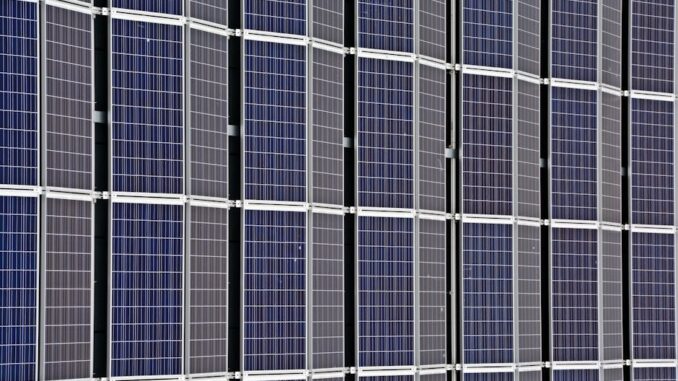
Solar photovoltaic (PV) systems are, without a doubt, the most popular and accessible renewable energy option for many buildings. Whether rooftop-mounted or ground-mounted, these panels convert sunlight directly into electricity, offsetting a significant portion of your building’s energy consumption. The efficiency of solar panels has improved dramatically, and costs have fallen considerably, making solar a highly attractive investment. Beyond electricity, solar thermal systems can also heat water for domestic use or even contribute to space heating, offering another layer of savings. When you combine solar PV with battery storage solutions, you create an even more resilient system, capable of storing excess energy generated during the day for use at night or during peak demand periods, potentially allowing you to ‘time shift’ your energy usage and reduce peak demand charges. This strategy can be a real game-changer for businesses with fluctuating energy needs.
But solar isn’t the only player in town. For properties with sufficient land and favorable wind conditions, small-scale wind turbines can provide another excellent source of clean power, though they’re less common in urban environments. Geothermal heat pump systems, while requiring a larger upfront investment due to drilling, harness the stable temperatures of the earth to provide incredibly efficient heating and cooling, often boasting efficiencies far beyond traditional HVAC systems. This is a brilliant, silent powerhouse beneath your feet.
Exploring renewable energy also involves understanding mechanisms like net metering, where you can sell excess electricity generated back to the grid, earning credits on your utility bill. Power purchase agreements (PPAs) offer another pathway, allowing you to install solar panels with little or no upfront cost, simply paying a third-party developer for the electricity generated at a fixed rate, often lower than grid prices. The long-term savings, enhanced corporate social responsibility (CSR) profile, and resilience against fluctuating energy prices make renewable energy an increasingly compelling proposition. It’s a statement, really, about your commitment to a sustainable future, and employees and customers notice that. And frankly, isn’t it satisfying to know your building is pulling its power directly from the sun or the earth?
7. Conduct Regular Energy Audits: Your Building’s Health Check-up
You wouldn’t expect your car to run perfectly without regular check-ups, would you? The same logic applies to your building’s energy performance. Simply implementing a few upgrades and hoping for the best isn’t a strategy. Regular energy audits are essential health check-ups for your building, systematically identifying inefficiencies, pinpointing areas of energy waste, and recommending targeted improvements. It’s like getting a full diagnostic, a crucial step in any successful energy management plan.
Levels of Scrutiny: From Walk-through to Deep Dive
Energy audits aren’t all created equal; they typically fall into different levels of detail and scope:
-
Level 1 (Walk-through Audit): This is your initial, relatively quick assessment. An auditor performs a visual inspection, reviews utility bills for the past 12-24 months, and identifies obvious areas of waste or opportunity. They’ll spot things like outdated lighting, lack of insulation, or equipment running unnecessarily. It provides a good starting point, highlighting ‘low-hanging fruit’ for immediate action with a simple payback analysis.
-
Level 2 (Energy Survey and Analysis): This audit is more comprehensive. It includes the Level 1 scope but adds a detailed analysis of building systems (HVAC, lighting, envelope), operational characteristics, and energy consumption patterns. The auditor will perform more detailed measurements, analyze energy use intensities (EUI), and propose specific energy conservation measures (ECMs) with more robust cost-benefit analyses, including estimated savings and payback periods. This is where you start getting serious recommendations with clear financial implications.
-
Level 3 (Investment Grade Audit): This is the deepest dive, typically reserved for major capital projects. It involves detailed engineering analysis, extensive data logging, and often sophisticated energy modeling of the building. Level 3 audits provide highly accurate cost estimates for ECMs, precise savings projections, and a thorough financial analysis that can be used to secure financing. It minimizes financial risk for large-scale energy efficiency projects, providing the confidence needed for significant investment. You’re talking about a comprehensive blueprint for transformation here.
Baseline data is absolutely crucial for any audit. By tracking your building’s energy consumption before any major interventions, you establish a benchmark against which you can measure the success of your efficiency initiatives. Without it, how can you truly know if your efforts are paying off? Engaging certified energy auditors ensures that you receive professional, unbiased recommendations based on established methodologies. These audits don’t just identify problems; they provide a clear, prioritized roadmap for improvement, enabling you to make informed decisions about where to allocate your resources for maximum impact. It’s a proactive approach that ensures your building remains lean, mean, and energy-efficient over its entire lifecycle. And who doesn’t love a good roadmap, especially when it leads to savings?
8. Educate Occupants and Staff: The Human Element of Efficiency
Let’s be honest, all the advanced technology and high-tech upgrades in the world won’t reach their full potential if the people using the building aren’t on board. The human element in energy efficiency is often overlooked, but it’s absolutely critical. Educating occupants and staff empowers them to become active participants in your sustainability journey, turning passive users into proactive allies.
Fostering a Culture of Conscious Consumption
It sounds simple, doesn’t it? Turn off the lights when you leave a room. Unplug chargers when they’re not in use. But these seemingly small actions, when multiplied across hundreds or thousands of individuals over an entire year, add up to significant energy savings. So, how do we get everyone on board?
Start with clear, consistent communication. Use visually engaging signage near light switches or thermostats reminding people of best practices. Send out friendly, informative emails or internal newsletters highlighting energy-saving tips and celebrating successes. Consider gamification: run friendly competitions between departments or floors to see who can achieve the greatest energy reduction, perhaps offering a small incentive or recognition. Provide easily accessible channels for reporting maintenance issues, like a constantly running toilet or a leaky window, which can waste both water and energy. Sometimes, people just don’t know who to tell, and these small problems snowball into bigger ones.
Encourage the use of natural light whenever possible by keeping blinds open during the day. Promote proper waste sorting and recycling, extending the sustainability mindset beyond just energy. Explain the ‘why’ behind your efforts – not just ‘turn off the lights,’ but ‘turning off the lights helps us save X dollars, which we can then reinvest into employee training, or it reduces our carbon footprint by Y tons, contributing to a healthier planet for our kids.’ People respond much better when they understand the broader impact of their actions. I once worked in an office where they started sharing monthly energy dashboards in the breakroom, showing our collective savings. Seeing that tangible progress really motivated everyone to be more mindful, and it fostered a great sense of shared accomplishment.
Ultimately, fostering a culture of conscious consumption is about more than just saving energy; it’s about building a more responsible, engaged community within your walls. When everyone understands their role and feels a sense of shared ownership, the collective impact on energy efficiency can be truly transformative. It’s an ongoing effort, yes, but one that pays dividends in both tangible savings and intangible benefits like improved morale and a stronger commitment to sustainability. We’re all in this together, right?
9. Explore Financing Options: Making Efficiency Affordable
Let’s be realistic: significant energy efficiency upgrades, especially those involving major equipment or renewable energy installations, often require substantial capital investment. This can feel like a daunting hurdle for many organizations. But here’s the good news: a robust ecosystem of financing options, incentives, and rebates exists to make these crucial upgrades more accessible and financially viable. You don’t have to go it alone, and often, the financial framework can make these projects not just feasible, but genuinely attractive.
Unlocking the Capital for Green Initiatives
One of the most significant recent developments in this space is the Inflation Reduction Act (IRA) in the United States. This landmark legislation offers an unprecedented suite of tax credits, rebates, and grants for businesses and organizations investing in clean energy and energy efficiency improvements. For instance, commercial entities can tap into enhanced tax credits for installing solar panels, upgrading to energy-efficient HVAC systems, or making other qualified energy-saving improvements. Navigating the specifics can be complex, so consulting with a tax professional or an energy consultant well-versed in the IRA’s provisions is absolutely essential to maximize your benefits. Seriously, don’t leave money on the table.
Beyond federal incentives, many states and local municipalities offer their own programs. Commercial Property Assessed Clean Energy (C-PACE) financing is an increasingly popular mechanism. C-PACE allows property owners to finance energy efficiency, renewable energy, and water conservation projects through a voluntary assessment on their property tax bill. This unique structure allows for long repayment terms (often 20-30 years), low interest rates, and the assessment stays with the property upon sale, making it an attractive option for large-scale projects. It’s a truly innovative way to address the split incentive problem where landlords pay for upgrades but tenants reap the savings.
Don’t forget about utility rebates and incentive programs. Many local utility companies offer cash incentives for installing specific energy-efficient equipment, like LED lighting, high-efficiency boilers, or smart thermostats. These programs vary widely by region, so checking with your local utility provider should be one of your very first steps. Furthermore, explore traditional lending options like green loans from banks, which are specifically designed for environmentally friendly projects and often come with favorable terms. Some companies also look at Energy Savings Performance Contracts (ESPCs), where an energy service company (ESCO) finances, designs, installs, and manages energy efficiency upgrades, guaranteeing a certain level of savings. The ESCO’s payment is then tied to these guaranteed savings, shifting the financial risk away from the building owner. It’s a powerful model for comprehensive retrofits.
Understanding the various financing pathways and leveraging available incentives can significantly reduce the upfront cost burden, improve the return on investment, and accelerate the payback period for your energy efficiency projects. It’s not just about spending money; it’s about strategically investing it to build a more resilient, cost-effective, and sustainable future for your building. And who doesn’t want to make smart investments?
10. Monitor and Adjust: The Continuous Journey of Efficiency
Implementing a series of energy efficiency upgrades is a fantastic achievement, but it’s not a ‘set it and forget it’ kind of deal. True, sustained energy efficiency is an ongoing journey, a continuous cycle of monitoring, analysis, and adjustment. Think of it as a living, breathing system that requires constant attention and fine-tuning. Because let’s be honest, circumstances change, systems drift, and new opportunities always emerge.
The Iterative Process of Peak Performance
The first critical step is establishing a robust measurement and verification (M&V) protocol. This means consistently tracking your building’s energy consumption after the upgrades, comparing it against your baseline data (remember those energy audits?), and verifying that the projected savings are actually being realized. This isn’t just about reviewing your monthly utility bill; it often involves installing sub-meters for specific systems (like HVAC or lighting circuits) to gain a more granular understanding of where energy is being used. Using energy benchmarking tools allows you to compare your building’s performance against similar buildings in your region, providing valuable context and identifying areas where you might still be underperforming.
Furthermore, embrace the power of building analytics software. These platforms can integrate data from your BMS, sub-meters, smart sensors, and even external factors like weather, providing real-time insights and identifying performance anomalies. They can flag equipment that’s suddenly consuming more energy than usual, or detect operational inefficiencies that might go unnoticed by the human eye. This continuous commissioning approach ensures that your systems are always operating at their peak, catching ‘energy drift’ before it becomes a significant problem. It’s like having a dedicated Sherlock Holmes for your building’s energy footprint, always on the case.
Don’t be afraid to adjust strategies as needed. Perhaps an initial assumption about occupancy patterns was slightly off, or a new piece of equipment has been installed. Your energy management plan needs to be agile and responsive. Regularly review your energy KPIs (Key Performance Indicators), convene with your facilities team, and be prepared to tweak setpoints, recalibrate sensors, or update control algorithms. The goal isn’t just to achieve efficiency once; it’s to maintain and continuously improve it over the entire lifespan of your building. This iterative process, driven by data and informed decision-making, ensures you’re consistently achieving the desired efficiency and maximizing those hard-earned savings. Because in the world of building management, stagnation is never an option, is it? We’re always striving for better.
Conclusion: Building a Brighter, More Sustainable Future
By diligently taking these steps – from shoring up your building’s defenses with superior insulation and advanced windows, to illuminating spaces with smart LEDs, optimizing your HVAC, giving your building a brain with AI, harnessing renewable power, conducting regular health checks through audits, empowering your people, and smartly financing these crucial investments – you’re doing so much more than just cutting costs. You’re transforming your building into a more resilient, healthier, cost-effective, and profoundly environmentally friendly space. You’re future-proofing your assets and making a tangible contribution to a greener planet.
It’s an exciting time to be in this field, with so many innovative solutions at our fingertips. The journey to a truly efficient building might seem extensive, but each step builds upon the last, creating momentum and delivering real, measurable results. Let’s embrace this challenge and build not just better buildings, but a better future for us all. What an opportunity we have, to make such a difference! Now, go forth and optimize!
Be the first to comment