
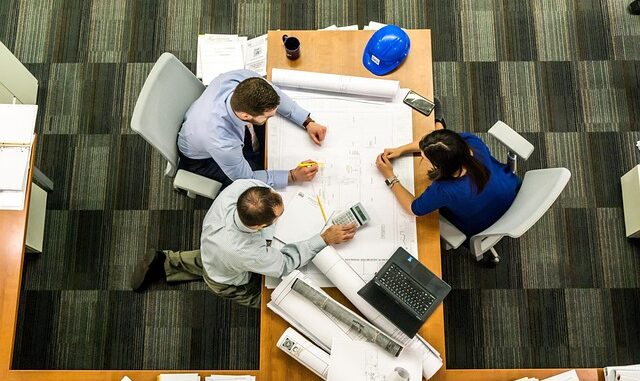

Your First Blueprint for Success: Preparing for Your Initial Architect Meeting
Embarking on a building project, whether it’s a dream home, an innovative office space, or a thoughtful renovation, feels like standing at the edge of a vast, exciting, yet sometimes intimidating ocean. Your first meeting with an architect? That’s your compass and initial chart-plotting session, a truly pivotal moment that can steer the entire journey. It’s more than just a chat; it’s the genesis of a collaborative partnership, one that will profoundly shape the spaces you’ll live, work, and thrive within. To ensure a smooth, productive, and genuinely inspiring start, let’s explore some crucial steps you can take. Think of this as your essential pre-flight checklist before launching into an incredible design adventure.
We’re aiming for a strong foundation here, because a well-prepared client often translates to a smoother project, fewer surprises, and ultimately, a design that truly resonates with their aspirations. After all, you wouldn’t kick off a major business venture without significant prep work, and your built environment deserves no less, don’t you think?
Successful low-energy building design hinges on careful planning. Focus360 Energy can help.
1. Crystallize Your Vision and Sharpen Your Budget
Before you even shake hands with your prospective architect, carve out some dedicated time to sit with yourself, or with all key stakeholders, and genuinely articulate what you want. This isn’t just about saying, ‘I want more space,’ it’s about diving deeper into the ‘why.’ What specific problems are you trying to solve? Are you craving a kitchen that feels like the vibrant heart of your home, always flooded with morning light? Perhaps you’re envisioning a serene, quiet corner where you can retreat with a good book, away from the hustle and bustle of family life. Maybe it’s a highly functional, adaptable workspace that transitions seamlessly from focused solo work to collaborative brainstorming.
Defining Your Vision: The ‘Why’ Behind the ‘What’
Consider how your current space falls short. Does the natural light elude key areas, leaving them feeling gloomy? Is the flow awkward, making daily tasks a clumsy dance around furniture? Are you yearning for a stronger connection to the outdoors, bringing the garden’s tranquility inside? Understanding these underlying motivations helps your architect move beyond superficial requests to design truly transformative solutions. It’s about more than just adding square footage; it’s about enhancing your life, improving efficiency, and creating an emotional connection to your environment.
One time, I worked with a client who initially just said they ‘needed more bedrooms’. But after we peeled back the layers, it turned out what they really needed was a dedicated guest suite that offered privacy for visiting in-laws, and a flexible playroom for their kids that could eventually become a teenager’s hangout. The initial brief was so basic, but the true vision, once unearthed, was rich with nuance. An architect can’t read your mind, so giving them as much insight as possible into your lifestyle, aspirations, and even your pet peeves will empower them to tailor their approach directly to your unique needs.
Sharpening Your Budget: The Unvarnished Truth About Your Numbers
Equally, if not more, important is establishing a realistic and robust budget. This isn’t just a number you pull from the air, it’s a careful calculation that considers everything from construction costs to architect fees, permits, and a healthy contingency fund. Transparency about your financial parameters isn’t just good practice; it’s absolutely crucial. Your architect isn’t there to judge your finances; they’re there to translate your vision into a tangible plan that fits within your economic realities.
Think about it: if you’re vague, or worse, unrealistic about your budget, you’re setting everyone up for disappointment. An architect might invest significant time crafting a stunning, elaborate design only for it to be scrapped because it’s wildly over budget. This wastes everyone’s valuable time and resources. As a seasoned professional once wisely put it, ‘Determining your budget and goals before your initial meeting with your design team is crucial.’ This clarity allows your architect to propose solutions that are not only beautiful and functional but also financially viable. They can guide you on where to invest for maximum impact and where to potentially economize without sacrificing core values. Remember to factor in a substantial contingency, usually 10-15%, because construction projects, bless their hearts, almost always have unexpected twists and turns. It’s not a matter of ‘if,’ but ‘when’ you’ll encounter an unforeseen cost, and you’ll be glad you planned for it.
2. Curate Your Inspiration: The Language of Imagery
Words, as powerful as they are, sometimes fall short when describing aesthetic preferences or an elusive ‘feeling’ you want a space to evoke. This is where visual inspiration becomes your secret weapon. Before your meeting, dedicate time to collect images, materials, and design elements that genuinely resonate with you. Think of it as assembling your personal mood board, a visual vocabulary for your dreams.
Beyond Pinterest Boards: A Deeper Dive into Visuals
Sure, Pinterest boards are fantastic starting points, and sites like Houzz and Instagram can be treasure troves of ideas. But don’t stop there. Go old-school too! Clip pages from architectural magazines, tear out images from home decor brochures, or snap photos of spaces you admire while out and about. Perhaps it’s the way light filters through a particular window in a cafe you love, the texture of a stone wall in an old building, or the colour palette of a painting that sparks joy. Even fabric samples, wood finishes, or small objects that embody the ‘vibe’ you’re after can be incredibly telling.
I recall a project where the client brought in a worn, antique wooden box she’d inherited, saying, ‘This is the feeling I want my home to have – rich, warm, with a story.’ It wasn’t about replicating the box, of course, but that single object articulated a sophisticated desire for depth, history, and craftsmanship that words alone couldn’t have conveyed. Sharing these diverse inspirations with your architect provides invaluable insight into your aesthetic preferences, your desired atmosphere, and can spark truly creative, unexpected ideas. It helps bridge that communication gap between your internal vision and the architect’s professional interpretation, giving them a tangible reference point to build upon. It’s a bit like giving a chef a list of your favourite ingredients and flavours; they’ll still create the dish, but they’ll know your palate better. The more diverse and specific your inspirations, the clearer the picture becomes.
3. Arm Yourself with Site Specifics
Whether you’re planning on building from the ground up on a pristine plot of land or extensively renovating an existing structure, comprehensive site information is absolutely non-negotiable. This data acts as the factual bedrock for any design, informing every decision from foundational engineering to window placement.
For New Builds: Understanding Your Canvas
If you own land, you’ll need to gather a detailed dossier. This includes survey plans, which map out the boundaries, topography (changes in elevation), and existing features like significant trees or water bodies. Knowing the contours of your land helps the architect design a building that sits harmoniously within its environment, minimizing expensive excavation or complex retaining walls.
Crucially, you’ll need all relevant zoning restrictions, local planning codes, and any restrictive covenants. These are the legal guardrails that dictate what you can and can’t build – think height limits, setback requirements, maximum site coverage, and even the architectural style sometimes. Ignoring these early on can lead to costly redesigns or even outright rejection of your plans. Don’t forget site photographs, ideally taken from various angles and at different times of day to illustrate sun paths and existing views, and topographical maps. These details help your architect assess the site’s unique potential and its inherent challenges, guiding them toward the most efficient and aesthetically pleasing solutions.
For Existing Properties: Decoding the Past and Present
For those looking to renovate or extend an existing building, your homework is equally thorough. Dig out any existing floor plans and elevation drawings you might have. If you don’t possess them, it’s often worth commissioning an as-built survey early on. Provide information on the building’s age, its construction type (e.g., brick, timber frame), and crucially, its current condition. Are there any known structural issues, signs of damp, or outdated services? Disclosing these upfront allows the architect to factor in potential remediation costs and design solutions that respect the existing structure while bringing it up to modern standards. Utility locations – where the main water, gas, electricity, and drainage connections are – are also vital for planning new layouts and extensions.
Imagine trying to restore a vintage car without knowing its make, model, or existing condition; it’s a bit like that for an architect trying to design without proper site information, isn’t it? This collection of data forms the practical framework upon which your entire design will rest, ensuring it’s not only beautiful but also buildable and compliant. A comprehensive understanding of the site can truly unlock innovative design possibilities, turning perceived limitations into creative opportunities.
4. Map Your Daily Rhythms: Design for Life
Architects aren’t just designing pretty boxes; they’re crafting environments for living. And to do that effectively, they need to understand how you live. So, before your meeting, take a step back and truly reflect on your daily routines, habits, and even your quirks. How do you move through your current home or workspace? What activities dominate your days?
Unpacking Your Lifestyle: From Morning Coffee to Evening Wind-Down
Do you work from home, and if so, how do you need your workspace to function? Is it a solitary haven or a dynamic hub for collaboration? Consider your morning rituals: where do you make coffee, where do you eat breakfast, and what’s the journey like from waking up to heading out the door? What about your evenings? Do you love to entertain guests frequently, necessitating open-plan living and a spacious kitchen? Or are your evenings more about quiet family time, requiring cozy, defined zones?
Think about hobbies: if you’re a keen musician, you might need sound insulation; if you’re an avid gardener, easy access to outdoor tools and a potting bench might be essential. Don’t forget storage needs – where do you keep your sports equipment, holiday decorations, or extensive book collection? And for families, how do different generations interact within the space? Do the kids need a dedicated zone for noisy play that’s separate from a quiet study area?
These seemingly mundane details are actually critical for designing spaces that feel intuitive, effortless, and truly functional for your everyday life. A client once told me their biggest frustration was trekking laundry from an upstairs bedroom all the way to a basement utility room; a simple shift to an upstairs laundry closet, designed into the new layout, felt like a revelation to them. These are the kinds of insights that empower your architect to design spaces that aren’t just aesthetically pleasing, but deeply supportive of your lifestyle, enriching your daily experience without you even consciously realizing it. It’s about creating flow, maximizing utility, and ensuring the architecture enhances rather than hinders your precious routine.
5. Embrace Radical Honesty: The Foundation of Trust
Open, candid, and unequivocal communication forms the bedrock of any successful collaboration, and your relationship with an architect is certainly no exception. Being honest and clear about your needs, preferences, and concerns from the outset isn’t just polite; it’s absolutely paramount to a smooth and effective design process.
Laying it All Out: No Room for Ambiguity
This means being upfront about everything. If you genuinely dislike a particular architectural style, say so. If a specific material makes you wince, articulate why. If your budget has a hard ceiling, communicate that boundary without hesitation. Clearly stating your expectations regarding the outcome, your financial parameters, and your desired timeline helps to avoid misunderstandings that can derail a project, often expensively.
Remember, your architect isn’t a mind-reader. They rely entirely on the information you provide to develop a design that truly reflects your desires. If you hold back, or sugarcoat issues, you’re inadvertently setting the stage for potential frustrations down the line. Perhaps you initially say ‘open concept’ but actually loathe the idea of cooking smells permeating your living room; being honest about that nuance early on allows the architect to explore semi-open solutions or superior ventilation systems, rather than having to redesign an entire floor plan much later.
Your architect is your partner in this creative journey. They bring the technical expertise, the design flair, and the understanding of construction realities. You bring your vision, your functional requirements, and your personal taste. When both parties are committed to clear and open dialogue, trust builds, and solutions emerge far more organically. It’s about fostering an environment where you feel comfortable expressing even your nascent, half-formed ideas, knowing they’ll be heard and thoughtfully considered. As many experts emphasize, ‘Be open and honest about your needs, preferences, and concerns.’ This transparency isn’t just about saving time and money; it’s about building a truly collaborative relationship where the outcome genuinely thrills you.
6. Interview Your Interviewer: Prepare Your Questions
While you’re undoubtedly excited to share your vision, this initial meeting is also a golden opportunity for you to interview the architect. Think of it as a mutual discovery session. You wouldn’t hire an employee without asking questions, would you? Treat this no differently. Preparing a comprehensive list of questions demonstrates your engagement and helps you assess if this particular architect is the right fit for your project and your personality.
Key Questions to Unpack
Go beyond the basics and delve deeper:
-
Experience & Specialization: ‘Can you show me examples of similar projects you’ve completed? Have you worked on projects in this specific area, and are you familiar with local planning regulations and challenges unique to our region?’ Perhaps you’re keen on sustainable design; ask about their experience with passive house principles or renewable energy integration.
-
Design Philosophy & Process: ‘What’s your typical design process, from initial concept to construction completion? How do you involve clients at each stage? What defines your aesthetic? How do you approach problem-solving when challenges arise?’ Understanding their creative methodology helps you gauge if it aligns with your preferences.
-
Fee Structure & Inclusions: This is critical. ‘How do you structure your fees – is it a percentage of construction cost, an hourly rate, or a fixed fee? What specific services are included in your fee, and what might incur additional charges (e.g., structural engineers, landscape architects, permitting fees)? What’s the payment schedule?’ Clarity here prevents unpleasant surprises later on.
-
Project Timelines: ‘What’s a realistic timeline for a project of this scope, from design inception through to construction? What factors typically impact project duration, and how do you manage delays?’ This helps set realistic expectations for the entire journey.
-
Communication & Collaboration: ‘How often can I expect updates? What’s your preferred method of communication? How do you handle disagreements or changes in direction during the design process?’ You want to ensure your communication styles are compatible.
-
Team & Resources: ‘Who else will be working on my project, and what are their roles? Do you use advanced tools like 3D renderings or Building Information Modeling (BIM)?’
-
References: ‘Can you provide references from past clients I can speak with about their experience working with you?’ This is often the most illuminating question.
This meeting is your chance to really dig in, to understand their approach, their values, and their suitability for your unique undertaking. Don’t shy away from asking the tough questions; a confident and competent architect will welcome them.
7. Embrace the Dance of Dialogue: Be Open to Exploration
Your architect isn’t just there to draw what you tell them; they are a highly trained professional whose role is to guide you through a complex design and construction process, offering solutions and insights you might never have considered. Think of it as a collaborative dance, where both partners contribute to creating something truly extraordinary.
The Iterative Nature of Design: A Journey of Discovery
Engaging in open discussions, asking follow-up questions, and, crucially, being receptive to suggestions that might challenge your initial thoughts are key to unlocking the project’s fullest potential. Perhaps you’ve always imagined a certain material, but your architect suggests an alternative that offers superior performance, better sustainability credentials, or a more cost-effective solution without compromising aesthetics. Or maybe your initial layout ideas are a little too conventional, and they propose a boundary-pushing concept that dramatically improves natural light or spatial flow.
I remember working with a client who was set on a very traditional bay window, but the site’s orientation meant it would get harsh afternoon sun. After some discussion and a few quick sketches, we landed on a recessed, deeply shaded window seat with built-in storage. It wasn’t what she first imagined, but it was far more functional, comfortable, and architecturally intriguing for her specific home. It’s these kinds of synergistic conversations, where expertise meets aspiration, that elevate a project from good to truly exceptional.
Your architect brings a wealth of knowledge about building codes, construction methods, material science, and design innovation. They see possibilities and limitations that might be invisible to the untrained eye. So, while it’s vital to advocate for your vision, it’s equally important to trust their professional judgment and explore their recommendations with an open mind. The design process is inherently iterative; it’s a journey of refinement, discovery, and sometimes, delightful surprises. Be ready to question, to learn, and to allow your architect to push the boundaries of what you thought was possible, ultimately enhancing the project’s outcome in ways you might not have anticipated.
8. See Beyond the Walls: The Broader Context
Designing a building isn’t just about creating an enclosed structure; it’s about crafting a responsive entity that interacts with its environment, its climate, and its community. A truly successful design considers the broader context, moving beyond immediate functional needs to embrace long-term sustainability and harmonious integration.
Environmental Acumen: Designing for the Planet
Beyond the physical structure itself, it’s incredibly valuable to discuss environmental considerations and your sustainability goals. Are you interested in passive design principles that minimize energy consumption through clever orientation, natural ventilation, and strategic shading? Do you want to explore material selections that boast low embodied energy, are locally sourced, or are recyclable? What about integrating renewable energy sources like solar panels, or implementing rainwater harvesting systems? These conversations aren’t just for eco-warriors anymore; they’re practical steps that can lead to lower running costs, a healthier living environment, and a smaller carbon footprint.
Integration and Community: Being a Good Neighbour
Furthermore, think about how the proposed design will integrate with its surrounding landscape. What are the key views you want to capture or shield? How can the building engage with existing flora and fauna? Will it impact your neighbours’ privacy or sunlight? A well-designed building doesn’t shout; it harmonizes, creating a dialogue with its site rather than imposing upon it. My personal view is that a building should always feel like it belongs, rooted to its place, rather than just plonked down.
This holistic approach, which considers everything from microclimate to community impact, is integral to creating a harmonious, functional, and responsible design that stands the test of time. It elevates a project from merely fulfilling a brief to making a thoughtful, positive contribution to its environment and the lives it touches.
9. Gather All Voices: Involve All Stakeholders
In any project involving multiple people who will live, work, or make decisions about the space, gathering everyone’s input from the very beginning is not just a nicety, it’s a strategic imperative. Ignoring key stakeholders early on is like building a house of cards; it’s incredibly fragile and prone to collapse later in the process.
Consensus Building from the Start
If others will be involved in decision-making – whether they’re family members, business partners, or key employees who will occupy the space – ensure their thoughts and priorities are brought to the table during this initial meeting, or at least thoroughly canvassed beforehand. This might mean having them present at the meeting, or providing a consolidated summary of their individual needs and desires.
I’ve seen projects stall, or even fail, because one spouse wasn’t fully on board with the design direction, or a key business partner felt their operational needs weren’t adequately addressed. Understanding everyone’s priorities, concerns, and non-negotiables as early as possible helps your architect design solutions that genuinely work for all stakeholders. It prevents those frustrating, time-consuming, and costly surprises further down the line, where a crucial decision is vetoed because someone wasn’t heard initially.
Think about it: if your partner absolutely detests open-plan living and you’ve only discussed your preference for it, that revelation halfway through the design phase can lead to significant rework. Taking the time upfront to facilitate a collective vision, even if it involves mediating differing opinions, builds a stronger foundation for the entire project. It’s about ensuring collective buy-in and creating a space that truly serves everyone who will experience it, fostering a sense of ownership and satisfaction for all involved.
10. Financial Realism: Your Budget Isn’t a Secret
We touched on budget transparency earlier, but it truly bears repeating and expanding upon. Your financial parameters are perhaps the most critical constraint an architect works within, and being realistic and utterly upfront about your budget isn’t just helpful; it’s absolutely essential for a successful project.
Decoding the Costs: More Than Just Bricks and Mortar
Your architect isn’t running a guessing game, and they need to know upfront what your budget is. Being vague, evasive, or worse, deliberately understating your available funds can cause time-consuming problems, disagreements, and significant heartache down the line. It’s a bit like ordering a custom-made suit without telling the tailor how much you’re willing to spend; you’ll either end up with something far too expensive or something that doesn’t quite meet your expectations.
Understand that a project’s cost encompasses far more than just the physical construction. You’re looking at a multitude of categories:
- Architect’s Fees: These vary based on project scope, complexity, and the architect’s experience.
- Consultant Fees: Structural engineers, mechanical engineers, landscape architects, interior designers, surveyors, quantity surveyors – many projects require a team of specialists.
- Permit & Regulatory Fees: Planning permissions, building control approvals, utility connection fees.
- Construction Costs: The biggest chunk, covering materials, labour, contractor profit, and site overheads.
- Fixtures, Fittings & Equipment (FF&E): Kitchen appliances, bathroom fixtures, lighting, flooring, cabinetry, etc. These can add up incredibly quickly!
- Landscaping: Hardscaping, planting, outdoor lighting.
- Contingency: As mentioned, this is vital; typically 10-15% of the construction cost, for the inevitable unforeseen issues.
- Insurance: Project insurance, professional indemnity for consultants.
Your architect, armed with a clear understanding of your financial limits, becomes your most valuable ally in navigating these complexities. They will meld your needs and wants with the given budget to develop an economic plan that, as closely as possible, encases the vision you imagined. They can advise on value engineering, suggest alternative materials or construction methods, or even propose phasing the project to spread costs over time.
Don’t be shy or embarrassed about money. This is a professional transaction, and your architect needs the full picture to do their best work. As is often emphasized in the industry, ‘Your architect will need to know upfront what your budget is.’ This transparency ensures that the design process is grounded in reality, setting realistic expectations from the very first sketch, and ultimately leading to a project that’s not just beautiful and functional, but also financially sustainable for you.
By diligently following these tips, you’ll be exceptionally well-prepared for your first meeting with an architect. This isn’t just about ticking boxes; it’s about investing in a foundational conversation that sets the stage for a successful, rewarding, and truly collaborative journey. Remember, clear communication, meticulous preparation, and a genuine willingness to engage are the keys to unlocking the full potential of your building project and navigating the planning process effectively. Now go forth and build your dreams!
Be the first to comment