

Navigating the UK’s Planning Labyrinth: Your Step-by-Step Guide to Development Success
Embarking on a real estate development project in the UK can feel a bit like setting sail on an uncharted sea. The building planning process, with its myriad rules and regulations, often seems daunting, doesn’t it? But trust me, with a clear roadmap, some savvy insights, and a healthy dose of patience, you can absolutely navigate it effectively. This isn’t just about ticking boxes; it’s about understanding the ‘why’ behind the ‘what’ to secure planning permission and set your project firmly on the path to success. Let’s dive in.
1. Demystifying the UK Planning System: More Than Just Red Tape
First things first, you’ve got to grasp the fundamentals. The UK’s planning system isn’t just some archaic bureaucratic hurdle; it’s a sophisticated framework designed to manage land use and development for the public good. Its core purpose? To ensure that new projects – whether a modest home extension or a sprawling commercial complex – align with both local needs and broader national objectives, protecting our environment and heritage while fostering sustainable growth. It’s a delicate balance, and understanding it makes all the difference.
Successful low-energy building design hinges on careful planning. Focus360 Energy can help.
At its heart lies the Town and Country Planning Act 1990, which serves as the foundational legislation. Think of it as the constitution for land development. However, the system is constantly evolving, with significant updates like the Localism Act 2011 empowering local communities and the National Planning Policy Framework (NPPF) providing overarching national guidance on a regular basis. The NPPF, in particular, is your national policy bible, outlining the government’s planning policies for England and how these should be applied. While it doesn’t dictate specific decisions, it certainly sets the tone and provides crucial benchmarks against which local plans and individual applications are judged.
Beneath the national framework, each Local Planning Authority (LPA) – usually your local council – formulates its own Local Plan. This document is absolutely critical. It translates national policy into specific local strategies, identifying areas for housing, employment, and green spaces, alongside detailed policies on everything from design quality to infrastructure provision. It’s the blueprint for how your local area will develop over the next 15-20 years, so you’d be wise to study it intently. Some areas even have Neighbourhood Plans, developed by local communities, which carry significant weight in decision-making. Knowing how your project fits into this multi-layered policy tapestry is paramount.
Why is this understanding so crucial? Well, frankly, it helps you anticipate potential roadblocks. It allows you to tailor your proposal from the outset, rather than trying to retrofit it later. If you know, for instance, that your LPA prioritizes brownfield development or specific architectural styles, you can design accordingly, saving yourself a lot of headaches and ultimately, a lot of money. It’s an investment in foresight, really.
2. When Do You Really Need Planning Permission? Untangling Permitted Development
Now, here’s a common misconception: not all developments require formal planning permission. That’s right, sometimes you can actually bypass the whole formal application process. Certain minor works fall under what we call ‘permitted development rights’ (PDRs). These rights, granted by Parliament, essentially pre-approve specific types of development, allowing you to proceed without the need for a full planning application.
But here’s the kicker, and it’s a big one: figuring out if your project truly qualifies can be a minefield. While PDRs cover things like small single-storey rear extensions, loft conversions within certain parameters, or even the erection of garden sheds and outbuildings, they come with a raft of conditions and limitations. For example, your extension might be permitted, but only if it’s within a certain size, not forward of the principal elevation, and uses materials similar to the existing house. Plus, if you’re in a Conservation Area, an Area of Outstanding Natural Beauty (AONB), or dealing with a Listed Building, PDRs are often significantly restricted or don’t apply at all. Oh, and local councils can issue what’s called an Article 4 Direction, which removes certain permitted development rights in specific areas, often to protect unique local character.
So, how do you make sure? The Planning Portal (your online gateway to all things planning in England and Wales) offers a fantastic interactive tool specifically for Permitted Development Rights. You input details about your property and proposed work, and it helps you assess the likelihood of needing permission. It’s a great starting point, but I’ll always advise a healthy dose of caution.
If you’re still unsure, or if you want absolute legal certainty before you start swinging a hammer, you can apply to your LPA for a Certificate of Lawfulness. This isn’t planning permission itself, but it’s a legally binding document confirming that your proposed development does not require planning permission or that an existing development is lawful. It’s a wise move, particularly if you ever plan to sell the property, as it provides invaluable peace of mind for future buyers and solicitors. Imagine getting halfway through a build only to discover you needed permission all along; that’s a costly mistake no one wants to make.
3. The Power of Early Dialogue: Pre-Application Discussions
Before you even think about hitting ‘submit’ on an application, take a breath. Seriously. One of the most underrated, yet powerful, steps you can take is engaging in pre-application discussions with your local planning authority. This is an informal, and often paid-for, service where you present your preliminary ideas to planning officers and get their initial feedback. Think of it as a low-stakes dress rehearsal for your main show.
Why bother? Well, the benefits are manifold. First, it helps you identify potential issues early on, before you’ve invested significant time and money in detailed drawings that might need a complete overhaul. An officer might point out, for instance, that your proposed height would overshadow a neighbour’s garden beyond acceptable limits, or that your materials clash with local character. This early feedback allows you to refine your proposal, addressing concerns proactively and aligning your plans more closely with local policies and the LPA’s expectations. It’s a fantastic way to understand the ‘mood’ of the council and gain insight into what might fly, and what definitely won’t. I’ve seen countless projects streamline their way through the system because they invested time in pre-app, avoiding painful refusals later down the line.
Typically, you’d prepare a concise summary of your proposal, perhaps some sketch drawings, and maybe a location plan. The LPA will then assign a planning officer who will review your submission and provide written or verbal feedback. While this advice is incredibly beneficial, remember a crucial caveat: it’s not legally binding. It doesn’t guarantee approval, nor does it prejudice the formal decision. However, it significantly de-risks the process. It’s like getting insider trading tips, but completely legal and above board!
4. Crafting Your Masterpiece: Preparing a Comprehensive Application
Alright, you’ve done your homework, understood the system, checked your PDRs, and had a great pre-application chat. Now it’s time to prepare your formal application. And here’s where thoroughness truly pays off. A comprehensive, well-articulated application dramatically increases your likelihood of approval and minimises frustrating delays. It’s not just about submitting documents; it’s about telling a coherent, compelling story about your project.
Let’s break down the typical components you’ll need:
-
Application Forms: This sounds obvious, but ensuring you complete the correct forms from the Planning Portal (e.g., Householder, Full, Outline, or Reserved Matters) is vital. Each form serves a specific purpose, catering to different project types, and getting it wrong is a quick ticket to ‘invalid’ territory.
-
Location Plan: This isn’t just any old map. You’ll need an up-to-date Ordnance Survey map, usually at a scale of 1:1250 or 1:2500, clearly showing your site outlined in red, and any other land you own in blue. It defines the precise boundaries of your application and its immediate surroundings.
-
Site Plan/Block Plan: This gives a detailed overview of your site, showing existing and proposed buildings, access points, boundaries, and often crucial elements like tree positions and drainage.
-
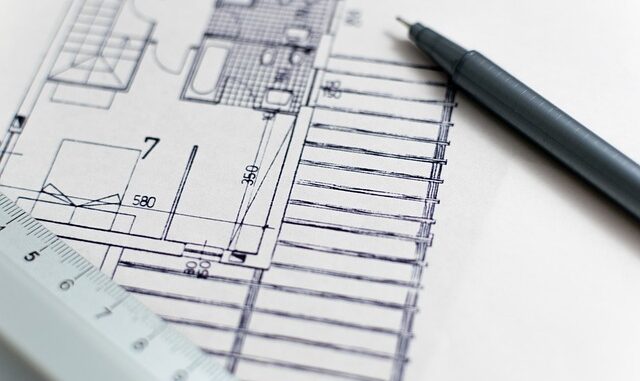
Architectural Drawings: These are the visual heart of your application. You’ll need existing and proposed floor plans, elevations (showing all sides of the building), and sections (cutting through the building) – all drawn to scale (e.g., 1:50 or 1:100). They should clearly illustrate materials, dimensions, and how the proposal relates to its context. Think of them as the blueprints for your vision.
-
Design and Access Statement (DAS): For most planning applications beyond simple householder schemes, a DAS is mandatory. This isn’t just a formality; it’s your opportunity to explain the ‘why’ behind your design. It covers the amount of development, the layout, scale, external appearance, and landscaping, critically demonstrating how your proposal fits its context and meets the needs of users, particularly in terms of accessibility. You’re effectively arguing the case for your design choices.
-
Supporting Documents and Technical Reports: This is where things get really detailed, varying wildly depending on your project’s scale, location, and nature. Here’s a glimpse of what you might need:
- Heritage Statement: If your site is in a Conservation Area or near a Listed Building, this report assesses the historical context and the impact of your proposal on heritage assets.
- Environmental Impact Assessment (EIA): For very large-scale projects, an EIA might be a statutory requirement, meticulously detailing potential environmental effects and mitigation measures.
- Transport Statement/Assessment: If your development generates significant traffic, you’ll need to analyse its impact on the local road network, parking, and sustainable transport options.
- Arboricultural Impact Assessment & Method Statement: Got trees on site or nearby? This report details their health, value, and how you’ll protect them during construction.
- Ecological Surveys: Think bats, newts, or other protected species. If there’s potential for their presence, you’ll need surveys (often seasonal) and mitigation strategies, possibly incorporating biodiversity net gain principles.
- Flood Risk Assessment (FRA): If your site is in a flood risk area, an FRA is essential, detailing the flood risk and proposed mitigation.
- Contamination Report: For brownfield sites, you’ll need to assess any land contamination and propose remediation strategies.
- Planning Statement: This document pulls everything together, providing a narrative justification for your proposal, arguing its merits against relevant national and local planning policies. It’s your advocate on paper.
- Community Engagement Statement: For larger or more sensitive projects, demonstrating how you’ve consulted with local residents and stakeholders can be highly beneficial.
Accuracy and currency are key. Any missing or out-of-date documents will inevitably lead to your application being deemed ‘invalid’, kicking it back to you and costing precious time. You certainly don’t want that.
5. The Moment of Truth: Submitting Your Application
With all your meticulously prepared documents in hand, it’s time for submission. Most applications these days go through the Planning Portal; it’s a wonderfully efficient system that allows you to upload all your documents, complete the forms, and pay the fee online. Alternatively, you can submit directly to your LPA, though the online route is usually quicker and more streamlined.
Speaking of fees, be prepared! The application fee varies considerably based on the type and scale of your project. A single-dwelling householder application is one price, a new build dwelling is another, and a large commercial development is something else entirely – often calculated per square metre. It’s a necessary cost, so budget for it.
Once submitted, your application enters the validation process. The LPA staff meticulously check that all the required forms are complete, all necessary documents are present, and the correct fee has been paid. Only when everything is in order is your application formally ‘validated’ – and that’s when the statutory clock starts ticking for the LPA to make a decision. If anything’s missing, they’ll write to you, requesting the additional information, and the clock won’t start until it’s all provided. A little patience here, my friend, goes a long way. After validation, your application becomes publicly viewable, inviting comments from neighbours and statutory consultees.
Publicity and Public Engagement
Part of the submission process involves publicity. Your LPA will notify neighbours directly, post site notices on or near your property, and for certain types of development, even advertise in local newspapers. This isn’t just a procedural step; it’s a vital part of democratic decision-making. Neighbours and other interested parties have the opportunity to view your plans and submit their comments, whether in support or objection. While these comments are considered, they don’t automatically dictate the outcome. It’s the planning officer’s job to weigh them against planning policy and material considerations.
6. The Waiting Game: Awaiting the Decision
Ah, the waiting game. It can feel like an eternity, can’t it? Once your application is validated, the LPA has a statutory period to determine it. For minor applications (like householder extensions), this is typically 8 weeks. For major applications (think housing estates or large commercial buildings), it’s generally 13 weeks, though it can extend to 16 weeks if an Environmental Impact Assessment is required. These are targets, however, not guarantees. Sometimes, for complex cases or during busy periods, you might be asked to agree to an extension of time. My advice? Be flexible, because a rushed decision isn’t usually a better one.
The Consultation Process
During this period, your application undergoes rigorous scrutiny. Internally, the planning officer will consult with various council departments: highways will assess access and traffic, environmental health might look at noise or air quality, conservation officers will advise on heritage impacts, and urban design specialists will review the aesthetics. But it doesn’t stop there. External statutory consultees also get a say – organisations like the Environment Agency (for flood risk or environmental impact), Historic England (for heritage assets), Natural England (for ecological matters), and utility companies are all brought into the loop.
Of course, the public consultation is also underway. Neighbours are scrutinising the plans, and local interest groups might weigh in. All comments, both positive and negative, are carefully logged and become part of the public record.
The Case Officer’s Role and Decision Making
Your dedicated planning officer is at the helm during this period. They’ll likely conduct a site visit, assessing your proposal’s context firsthand. They gather all the feedback, weigh it against local and national planning policies, and ultimately formulate a recommendation. This recommendation might be to approve, approve with conditions, or refuse. For many applications, particularly smaller ones, the decision is made under delegated powers by a senior officer. However, for larger, more controversial, or complex projects, the decision often goes before the Planning Committee, a group of elected councillors. Here, the process can become more political, with councillors considering not just policy, but also local sentiment and their own perspectives. It’s an interesting dynamic to observe, to say the least.
Maintaining constructive engagement during this phase is crucial. If the officer raises concerns, engage with them openly. Can you make a minor amendment to address an issue? Are there additional reports you can provide to clarify a point? Proactive communication can often steer a shaky application towards approval.
7. The Small Print: Addressing Planning Conditions
Congratulations, your application is approved! But hold your horses, because planning permission often comes with conditions. These aren’t meant to be punitive; rather, they’re typically imposed to mitigate any potential negative impacts of your development, ensure its quality, or make an otherwise unacceptable proposal acceptable. Understanding and complying with every single one is paramount to avoiding future headaches and potential enforcement action.
Conditions fall into various categories:
-
Pre-commencement Conditions: These are the big ones. You absolutely must discharge these before any work starts on site. They often relate to specifying materials (e.g., ‘no development shall commence until samples of all external materials have been submitted to and approved in writing by the Local Planning Authority’), detailed landscaping schemes, or archaeological investigations. You’ll need to submit a separate application, often with a fee, to ‘discharge’ each of these conditions.
-
Conditions During Construction: These dictate how work must be carried out. Examples include restricting construction hours (‘no noisy works before 8 am or after 6 pm, Monday to Friday’) or requiring specific ecological protection measures throughout the build.
-
Pre-occupation Conditions: These must be met before anyone moves into or uses the building. Think conditions requiring the completion of all parking spaces, cycle storage, or specific boundary treatments.
-
Compliance Conditions: These are ongoing and relate to the use of the building itself, often restricting future changes or specifying its purpose. For instance, a condition might state that ‘the ancillary accommodation shall not be occupied other than for purposes incidental to the enjoyment of the main dwelling house.’
Failing to understand or, worse, ignoring these conditions can lead to serious complications. Your LPA has the power to issue Enforcement Notices or even Stop Notices, halting your work and potentially leading to hefty fines. I remember a developer who started building an extension, using bright orange bricks against a period property, completely disregarding a pre-commencement condition about material approval. The council quickly issued an enforcement notice, and he ended up having to rebuild half of it. A very expensive lesson, indeed. Always, always check your conditions and apply for their discharge when required.
8. When Things Go Sideways: The Appeal Process
Sometimes, despite your best efforts, your application might be refused, or you might find the conditions imposed unreasonable. Don’t despair, because you have a fundamental right to appeal the decision. This is a crucial safety net within the planning system.
Grounds for Appeal
You can appeal on several grounds:
* Refusal: The LPA refused your application.
* Non-determination: The LPA failed to make a decision within the statutory timeframe (8, 13, or 16 weeks).
* Conditions: You believe the conditions attached to an approval are unreasonable or unlawful.
The Planning Inspectorate
Appeals are handled by the Planning Inspectorate, an independent body whose role is to provide an impartial assessment. They’ll review your case and make a determination, acting as an arbitrator between you and the LPA. The process typically involves submitting an appeal form and all your supporting documents online.
Methods of Appeal
There are three main methods for an appeal:
- Written Representations: This is the most common and often quickest method, particularly for smaller, less complex cases. Both you and the LPA submit written statements, and the Inspector makes a decision based on these documents and a site visit.
- Informal Hearing: For slightly more complex cases, an Inspector might hold an informal discussion, often around a table, allowing both sides to present their arguments and answer questions.
- Public Inquiry: Reserved for the largest, most complex, or controversial developments, this is a formal, court-like proceeding where evidence is presented, and witnesses can be cross-examined. These can be lengthy and expensive, often requiring legal representation.
Crucially, there are strict time limits for lodging an appeal – typically 6 months for most applications (and often just 12 weeks for householder applications from the date of decision). Missing this deadline means you lose your right to appeal, so mark your calendar! While appealing can be time-consuming and there’s no guarantee of a favourable outcome, it’s an essential avenue to pursue if you genuinely believe your project aligns with policy and has been unfairly treated.
9. Building It Right: Securing Building Regulations Approval
Now, here’s a distinction that often trips people up: planning permission and building regulations approval are two entirely separate beasts. Planning permission dictates what you can build and where it goes, focusing on land use, appearance, and impact on neighbours. Building Regulations, on the other hand, are all about how it’s built – ensuring safety, structural integrity, energy efficiency, accessibility, and health standards. Think of it as the difference between getting permission to paint a mural on a wall and ensuring the wall itself won’t collapse.
Derived from the Building Act 1984 and detailed in the Building Regulations 2010 (and subsequent amendments), these regulations cover a vast array of technical aspects. This includes things like structural stability, fire safety, drainage, ventilation, insulation, soundproofing, and access for all. It’s about ensuring a safe, healthy, and energy-efficient building for its occupants and the wider public.
Routes to Approval
You have two primary routes to secure Building Regulations approval:
-
Full Plans Application: This is the most common route for significant works. You submit detailed drawings and specifications before work starts. The Building Control Body (either your Local Authority or an Approved Inspector) checks these plans for compliance. Once approved, you get a ‘full plans approval notice.’ During construction, the Building Control Body will make site visits at various stages (e.g., foundations, damp proof course, roof structure, completion) to ensure the work matches the approved plans and complies with the regulations.
-
Building Notice: This is a simpler route, generally suitable for smaller, less complex projects by competent builders. You don’t submit detailed plans upfront, but instead, provide a basic notice of your intention to build. The onus is on you and your builder to ensure compliance, with the Building Control Body carrying out inspections at key stages to monitor progress. This route is quicker to get started but can be riskier if you’re not absolutely confident in your builder’s knowledge of the regulations.
You can choose to use either your Local Authority Building Control (LABC) team or a private Approved Inspector. Both provide the same service, but some developers prefer the speed and flexibility of Approved Inspectors, while others value the local knowledge of the LABC. Whichever route you choose, the ultimate goal is the same: to obtain a Completion Certificate. This crucial document confirms that your development has been inspected and complies with all relevant Building Regulations. Without it, you might face issues when trying to sell or remortgage your property, as lenders and solicitors will almost certainly demand to see it.
10. Stay Agile and Informed: The Ever-Evolving Planning Landscape
Finally, and perhaps most importantly, in the world of property development, things are rarely static. The planning landscape is a living, breathing entity, constantly evolving due to policy updates, emerging environmental concerns, and shifting community priorities. To stay ahead, you need to remain informed and, crucially, adaptable.
At the national level, the National Planning Policy Framework (NPPF) undergoes periodic reviews and updates. Local Plans also have their review cycles, with councils constantly producing new supplementary planning documents or updating their existing policies. What was permissible last year might have new conditions this year, or even be outright discouraged. Subscribing to planning news alerts, regularly checking your LPA’s website, and even attending local planning committee meetings can give you invaluable insights into emerging trends and potential policy shifts. It’s about having your ear to the ground.
Beyond policy, engaging proactively with the community can significantly enhance your project’s prospects. Don’t see public feedback as a threat; view it as an opportunity. Early, genuine community engagement, especially for larger projects, can help build trust, address concerns before they escalate, and sometimes even lead to improvements in your design. Ignoring local sentiment can often turn easily solvable issues into bitter, protracted disputes.
The Value of Professional Expertise
Frankly, navigating this complex world alone can be overwhelming. This is where a good planning consultant becomes an invaluable asset. They’re not just advisors; they’re strategists, policy experts, and often skilled negotiators. They can interpret complex regulations, articulate your project’s merits effectively, manage the application process, and even represent you at appeals. Similarly, a strong, experienced architect who understands the planning system is worth their weight in gold. Building strong, professional relationships with your LPA’s planning officers can also smoothen the process. They’re human, after all, and appreciate clear communication and well-prepared submissions.
Ultimately, successful property development in the UK is a marathon, not a sprint. It demands thorough preparation, a deep understanding of regulations, patience, and a willingness to collaborate. By embracing these steps and approaching the process with an informed and adaptive mindset, you significantly increase your chances of turning your vision into a tangible, successful reality.
References
- Homebuilding & Renovating: Pre-application advice
- VESP: A Guide to a Successful Planning Application
- Thomas Studio: How to get Planning Permission Guide
- Planning Portal: Permitted Development Rights
- GOV.UK: Planning practice guidance
- The Planning Inspectorate: Appeals
- Local Authority Building Control (LABC)
Be the first to comment