
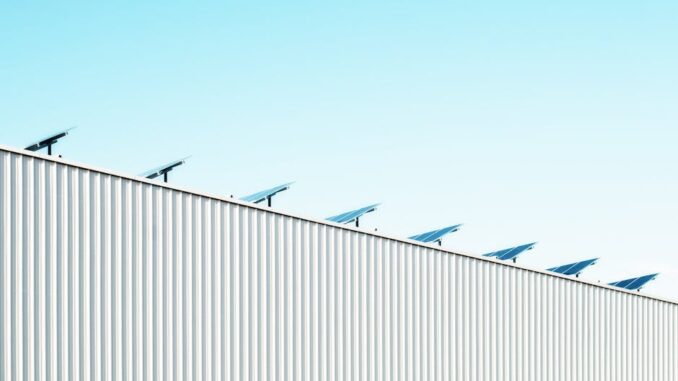

Crafting Tomorrow’s Spaces: Eight Pillars of Energy-Efficient Building Design
It’s truly exciting to see how much the conversation around building design has evolved. We’ve moved beyond merely constructing functional boxes; today, we’re focused on shaping spaces that aren’t just aesthetically pleasing or cost-effective in the short term, but deeply sustainable, benefiting both the people who use them and the planet we all share. Think about it, every choice we make in design, from the orientation of a window to the type of insulation we specify, echoes far into the future, impacting energy bills, indoor air quality, and even global carbon footprints. It’s a big responsibility, but also an incredible opportunity, isn’t it?
Integrating thoughtful design principles with cutting-edge technologies isn’t just a trend; it’s an imperative. By embracing this holistic approach, we can drastically cut energy consumption, create healthier, more comfortable indoor environments, and build a more resilient future. So, let’s dive into eight absolutely essential techniques for achieving optimal energy efficiency in your next building design. You might even find some unexpected gems along the way.
Successful low-energy building design hinges on careful planning. Focus360 Energy can help.
1. Master the Sun’s Dance: The Art of Passive Solar Design
Imagine a building that breathes with the seasons, intuitively warming itself when winter winds bite and cooling itself when summer’s sun blazes. That’s the magic of passive solar design, a timeless principle that intelligently harnesses the sun’s energy to dramatically reduce a building’s heating and lighting demands. It’s less about complex machinery and more about smart, foundational architectural choices, a bit like setting your sails just right to catch the wind.
The core of passive solar revolves around understanding your site’s unique solar path and local climate. This isn’t just a simple matter of ‘pointing south;’ it requires a detailed analysis of sun angles throughout the year, prevailing wind directions, and even nearby landscape features. You’re effectively designing a building that actively collaborates with its environment.
Strategic Orientation and Glazing
First up, getting the building’s orientation right is non-negotiable. For most temperate climates, a predominant south-facing facade is ideal, allowing south-facing windows to capture maximum solar gain during the colder months when the sun rides lower in the sky. This direct gain warms interior spaces naturally, reducing reliance on conventional heating systems. But here’s the kicker: too much south-facing glass in summer can lead to overheating, creating a sauna instead of a sanctuary. This is where well-designed overhangs, fins, or architectural shading devices come into play. They’re calculated to block high summer sun while still allowing the lower winter sun to penetrate. It’s a delicate balance, a bit of an architectural dance, but it works wonders.
Beyond just direction, the type of glazing matters immensely. High-performance, low-emissivity (low-e) glass minimizes heat transfer, keeping warmth inside during winter and outside during summer. We’ll delve deeper into advanced window technologies later, but for passive solar, the goal is often a high solar heat gain coefficient (SHGC) for south-facing windows in heating-dominated climates, and a lower SHGC for east/west facades to prevent unwanted morning and afternoon heat.
Thermal Mass: Your Building’s Battery
What good is gathering all that solar energy if you can’t hold onto it? This is where thermal mass becomes your building’s secret weapon, acting like a giant, slow-release battery. Materials such as concrete, brick, stone, or even water-filled containers absorb solar radiation during the day, slowly storing that heat. As evening falls and temperatures drop, these materials then radiate the stored warmth back into the interior, maintaining a stable, comfortable temperature long after the sun has set. It’s truly ingenious, giving you that cozy, consistent warmth that conventional HVAC systems often struggle to replicate without constant cycling. I’ve seen beautifully designed homes where the concrete floor feels subtly warm underfoot well into the evening, all thanks to clever passive solar. It’s a very satisfying sensation.
Natural Ventilation Strategies
Passive solar isn’t just about heat; it’s also about comfortable air movement. Thoughtful placement of operable windows and vents facilitates cross-ventilation, allowing breezes to naturally cool spaces. The stack effect, where warm air rises and exits through high vents while cooler air is drawn in through lower openings, can also be a powerful tool for natural cooling, particularly in multi-story buildings. It’s about designing the building to breathe, reducing the need for mechanical air conditioning substantially, which is a massive energy win. Sometimes, the simplest solutions are the most effective, aren’t they?
2. The Unsung Hero: High-Quality Insulation and Air Sealing
If passive solar is the heart of an energy-efficient building, then high-quality insulation and meticulous air sealing are its protective skin. Without them, even the most brilliantly designed passive systems will struggle, losing heat as quickly as you gain it or fighting a losing battle against the summer swelter. It’s like wearing a sieve instead of a proper jacket in winter; it just won’t cut it.
Proper insulation creates a robust barrier, dramatically slowing the transfer of heat – keeping warmth in during winter and blocking it out during summer. This isn’t just about saving energy; it’s about creating profoundly comfortable, quiet, and healthy indoor environments. Nobody enjoys cold spots or drafts, and good insulation virtually eliminates them.
Understanding R-Values and U-Values
When we talk about insulation, we’re talking about R-value, which measures a material’s resistance to heat flow. A higher R-value means better insulating performance. Conversely, U-value (or U-factor) measures the rate of heat transfer through a material or assembly; here, a lower U-value indicates superior performance. Both are critical metrics in selecting your insulation strategy. You’ll want to optimize these based on your climate zone and building envelope components.
Types of Insulation for Every Application
Today’s market offers a fantastic array of insulation materials, each with its strengths:
- Rigid Foam Panels (XPS, EPS, Polyiso): These offer high R-values per inch and excellent moisture resistance, making them ideal for continuous insulation on exterior walls, roofs, and under concrete slabs. Polyiso, in particular, delivers a great R-value, though it can lose some performance in very cold temperatures.
- Spray Foam (Open-cell and Closed-cell): A real game-changer. Closed-cell spray foam creates an incredible air seal, high R-value, and even adds structural rigidity. Open-cell is lighter, more flexible, and provides good acoustic dampening, though with a lower R-value. Both are superb for sealing awkward cavities and irregular shapes, creating a truly monolithic, airtight barrier. I’ve seen these transform drafty attics into perfectly conditioned spaces.
- Fiberglass and Mineral Wool: These batt or loose-fill products are cost-effective and common. Mineral wool boasts excellent fire resistance and soundproofing qualities, often surpassing fiberglass in overall performance and thermal stability.
- Cellulose: Made from recycled paper, cellulose is a dense, eco-friendly option that performs well, especially when dense-packed into wall cavities, offering good R-value and excellent air-sealing properties.
- Natural Insulations: Think sheep’s wool, cotton (recycled denim), or even straw bales. These are gaining traction for their sustainable profiles and admirable performance, contributing to a healthier indoor air quality profile, which is becoming increasingly important for many clients.
Where to Insulate: The Entire Envelope Matters
Optimal efficiency demands insulating the entire building envelope:
- Walls: Beyond cavity insulation, consider continuous exterior insulation to eliminate thermal bridging through studs, which can account for significant heat loss. This approach really boosts whole-wall performance.
- Roofs and Attics: Often the biggest culprits for heat loss or gain. Whether it’s a vented attic with thick blown-in insulation or an unvented, conditioned attic with spray foam, achieving high R-values here is paramount.
- Floors: Insulating floors over crawl spaces, unconditioned basements, or even slab edges prevents cold spots and improves comfort. A well-insulated slab is amazing for passive solar applications too, remember?
The Crucial Role of Air Sealing
Insulation’s effectiveness is severely compromised by air leakage. Imagine all the energy you’re losing through tiny cracks and gaps around windows, doors, penetrations for wiring, plumbing, and even electrical outlets. Air sealing is the unsung hero that complements insulation, preventing uncontrolled air infiltration and exfiltration. We use caulks, gaskets, tapes, and foams to seal every potential leak path. An airtight building envelope isn’t just theory; it’s measurable, often through blower door tests, ensuring your building performs as designed. It makes a tremendous difference, honestly; you can actually feel it.
3. The Brains Behind the Breath: Efficient HVAC Systems
Even with the best passive design and insulation, modern buildings still require some level of mechanical heating, ventilation, and air conditioning (HVAC) to maintain optimal comfort across all seasons and occupancy levels. But ‘efficient’ doesn’t just mean a shiny new unit; it means a system intelligently designed, perfectly sized, and seamlessly integrated to provide conditioned air with minimal energy expenditure. This isn’t your grandma’s furnace we’re talking about; these are sophisticated, smart systems.
Beyond Traditional Furnaces and ACs
Forget the oversized, single-stage units that blast hot or cold air. Today’s high-efficiency HVAC solutions are all about precision and adaptability:
- Geothermal Heat Pumps (GHPs): These are perhaps the pinnacle of efficiency. GHPs leverage the stable temperatures of the earth to provide heating, cooling, and often hot water. They’re incredibly efficient because they’re simply moving heat, not generating it from scratch, resulting in significantly lower operating costs and a much smaller carbon footprint. The upfront cost can be higher, but the long-term savings are compelling.
- Air-Source Heat Pumps (ASHPs): Once primarily for warmer climates, cold-climate air-source heat pumps are now incredibly capable, even in frigid temperatures. They extract heat from the outside air (even when it’s well below freezing) for heating, and reverse the process for cooling. They’re an all-in-one solution that’s growing rapidly in popularity due to their versatility and impressive efficiency. Many homeowners are ditching their gas furnaces entirely for these.
- Variable Refrigerant Flow (VRF) Systems: Common in commercial and multi-zone residential applications, VRF systems allow precise control over individual zones, simultaneously heating some areas while cooling others. They’re highly energy-efficient because they only deliver the exact amount of heating or cooling needed, minimizing waste. Imagine an office building where each tenant can set their own temperature; VRF makes this possible with remarkable efficiency.
The Importance of Ventilation and Air Quality
As buildings become more airtight, controlled ventilation becomes absolutely critical for indoor air quality (IAQ). We can’t just let stale air linger, can we? That’s where energy recovery ventilation (ERV) and heat recovery ventilation (HRV) systems shine.
- HRVs/ERVs: These systems continuously exhaust stale indoor air and bring in fresh outdoor air, but here’s the clever part: they transfer most of the heat (HRV) or both heat and humidity (ERV) between the incoming and outgoing airstreams. This means you get fresh air without significantly impacting your indoor temperature or humidity, saving a ton of energy that would otherwise be lost to ventilation. It’s a key component in any high-performance building.
Smart Zoning and Ductwork
Why heat or cool an entire building when only a few rooms are occupied? Zoning systems allow you to divide your building into different temperature zones, each with its own thermostat. This flexibility ensures energy isn’t wasted on unused areas. And don’t forget the ductwork; poorly designed, unsealed, or uninsulated ducts can lose up to 30% of your conditioned air before it even reaches its destination! Proper sizing, meticulous sealing, and insulation of all ductwork are non-negotiable for true efficiency.
Advanced Controls and Commissioning
Finally, the brains of the operation: smart thermostats and building management systems (BMS). These intelligent controllers learn occupancy patterns, integrate with external weather data, and optimize system operation. Furthermore, proper commissioning – a rigorous testing and adjustment process during installation – ensures that all HVAC components are working together as intended, delivering peak performance from day one. It’s often an overlooked step but vital for long-term efficiency.
4. Enlightening Spaces: Smart Lighting Solutions
Lighting, surprisingly, can be a major energy guzzler if not designed thoughtfully. But with today’s innovations, we have the power to create beautifully illuminated spaces that sip, rather than gulp, electricity. It’s a two-pronged approach: maximize natural daylight, then optimize artificial lighting with smart technologies. Think of it as painting with both sunlight and LEDs.
Harnessing Daylight: Architectural Brilliance
Before you even think about flipping a switch, consider how you can bring the outside in. Maximizing natural daylight profoundly reduces the need for artificial lighting, leading to significant energy savings and enhancing occupant well-being; it’s simply a nicer environment to be in. Our bodies respond positively to natural light cycles, you know.
- Skylights and Light Tubes: Strategic placement of skylights can flood interior spaces, especially those deep within a floor plan, with glorious natural light. For areas where a full skylight isn’t feasible, light pipes or solar tubes can channel daylight from the roof through reflective conduits, delivering diffused light to interior rooms. They’re surprisingly effective for hallways or bathrooms.
- Light Shelves: These clever architectural elements, typically installed above windows, bounce daylight deep into a room while simultaneously shading the area directly below the window, preventing glare. It’s a win-win for both illumination and comfort.
- Reflective Surfaces and Strategic Color Choices: Lighter wall and ceiling colors naturally reflect more light, helping to distribute daylight more effectively throughout a space. Similarly, incorporating reflective materials in your design can subtly enhance natural illumination, making spaces feel brighter and more open.
- Atriums and Courtyards: In larger commercial buildings, central atriums or internal courtyards can serve as massive light wells, bringing natural light to multiple floors and creating stunning, airy common areas. They really elevate the architectural experience.
The Power of LED Technology
Once the sun sets, or for areas where daylight just can’t reach, modern LED lighting is the undisputed champion. LEDs consume significantly less energy than traditional incandescent or fluorescent bulbs, last dramatically longer (we’re talking tens of thousands of hours), and offer incredible flexibility in terms of color temperature, dimmability, and form factor. The quality of light is often superior too, crisp and clean. They’re an absolute no-brainer for energy-efficient design.
Intelligent Controls: The Smart Switch
Simply installing LEDs isn’t enough; true efficiency comes from controlling them intelligently:
- Occupancy and Vacancy Sensors: These sensors automatically turn lights on when a space is occupied and off when it’s empty. Perfect for restrooms, storage rooms, or even private offices, they eliminate the ‘oops, I left the light on’ moments, saving energy effortlessly.
- Daylight Harvesting Systems: Photo-sensors continuously monitor the amount of natural light entering a space. When ample daylight is available, the artificial lights automatically dim or switch off, providing just enough supplemental light to maintain desired illumination levels. It’s seamless and incredibly effective.
- Scheduled and Task Lighting: Programming lights to turn on/off or dim based on specific schedules, or providing focused task lighting rather than overhead ambient light for every activity, further optimizes energy use. Why light an entire room brightly if someone only needs light at their desk, right?
- Human-Centric Lighting: This emerging trend involves dynamic lighting systems that adjust color temperature and intensity throughout the day to mimic natural light cycles. This isn’t just about saving energy, it’s about supporting occupants’ circadian rhythms, improving mood, productivity, and overall well-being. It’s a fascinating area of development.
Integrating these solutions into a centralized building management system allows for even greater control, optimization, and data analysis, creating a lighting system that is both incredibly efficient and highly responsive to user needs.
5. Wise Water: Efficiency and Conservation
Water might not immediately scream ‘energy efficiency,’ but the connection is profound. Think about the energy required to pump, treat, heat, and deliver every drop of water that flows through a building, not to mention the energy used to treat wastewater. By reducing water consumption, we indirectly achieve significant energy savings across the entire water cycle. It’s a cascading benefit, really, and crucial for our increasingly water-stressed world.
Indoor Water-Saving Technologies
Starting inside the building, there are countless opportunities to cut down on unnecessary water use:
- Low-Flow Fixtures: These are standard practice now, but the technology continues to improve.
- Faucets: Aerators mix air with water, reducing flow rates without sacrificing pressure. Look for products that meet WaterSense criteria.
- Showerheads: Efficient showerheads deliver a satisfying spray at significantly lower gallons per minute (GPM), often less than 2.0 GPM, compared to older models that might blast out 5 GPM or more. That’s a huge saving, especially for hot water.
- Toilets: Dual-flush toilets offer two flush volumes (one for liquid waste, one for solid), while pressure-assist toilets use compressed air to create a powerful, low-volume flush. Ultra-low-flush models are also excellent. Each flush uses far less water than conventional toilets.
- Hot Water Recirculation Systems: Instead of waiting for hot water to travel from the water heater to the tap (wasting gallons in the process), these systems pump hot water through a dedicated line back to the heater, ensuring hot water is instantly available. It saves both water and the energy used to heat it.
- Leak Detection Technology: Even small, undetected leaks can waste thousands of gallons over time. Smart leak detectors can monitor water flow and alert building managers or homeowners to unusual patterns, preventing costly water damage and wastage.
Outdoor Water Management: Beyond the Tap
Outside the building, the potential for water conservation is just as significant, if not more so:
- Rainwater Harvesting Systems: Collecting rainwater from roofs and storing it in cisterns or rain barrels is a fantastic way to capture a free, natural resource. This harvested water can then be used for irrigation, flushing toilets, or even laundry, dramatically reducing reliance on municipal supplies. I’ve seen some beautifully integrated systems that become architectural features themselves.
- Greywater Recycling: Greywater, which is wastewater from sinks, showers, and laundry (but not toilets), can be treated on-site and reused for non-potable purposes like landscape irrigation or toilet flushing. This closes the loop, greatly extending the life of every drop of water.
- Xeriscaping and Drought-Tolerant Landscaping: Designing landscapes with native, drought-tolerant plants significantly reduces the need for irrigation. Opting for permeable hardscaping materials also allows rainwater to infiltrate the ground naturally, recharging local aquifers rather than running off into storm drains.
- Smart Irrigation Controllers: These systems integrate with local weather data, soil moisture sensors, and plant needs to deliver precisely the right amount of water at the optimal time, preventing overwatering and unnecessary runoff. It’s a far cry from the old ‘set it and forget it’ timers.
By integrating these indoor and outdoor strategies, we’re not just saving water; we’re reducing the energy footprint associated with every aspect of water management, making our buildings truly resource-efficient.
6. The Foundation of Sustainability: Sustainable Building Materials
Every material choice we make in a building project carries an environmental story, from its extraction and manufacturing to its transportation, installation, and eventual disposal. Opting for sustainable building materials isn’t just about ‘being green;’ it’s about minimizing environmental impact, reducing embodied energy, promoting human health, and often, achieving superior performance and durability. It’s about building responsibly, for the long haul.
What Makes a Material Sustainable?
It’s not just one factor. A truly sustainable material often ticks several boxes:
- Low Embodied Energy: This refers to the total energy consumed throughout a material’s life cycle – from raw material extraction, manufacturing, and transport to construction and demolition. Materials that require less energy to produce and process are generally more sustainable.
- Recycled Content: Using materials made from recycled waste (like recycled steel, concrete with fly ash, or insulation from recycled denim) diverts waste from landfills and reduces the need for virgin resources.
- Rapidly Renewable: Materials that come from sources that replenish quickly, such as bamboo, cork, or straw, are excellent alternatives to slow-growing hardwoods or energy-intensive materials.
- Local Sourcing: Sourcing materials from nearby suppliers reduces transportation costs and emissions, supporting local economies in the process. Look for regional options, they’re often there.
- Non-Toxic and Low VOCs: Volatile Organic Compounds (VOCs) and other harmful chemicals found in many conventional building products can significantly degrade indoor air quality. Choosing materials that are low-VOC or VOC-free creates healthier spaces for occupants.
- Durability and Longevity: A material that lasts longer, requiring fewer replacements, inherently reduces its environmental impact over time. Longevity is sustainability.
- Recyclability and Reusability: Designing for deconstruction, where materials can be easily recovered and reused or recycled at the end of a building’s life, closes the loop and minimizes waste.
Examples of Sustainable Choices
Let’s look at some fantastic sustainable material options:
- Structural Elements:
- Recycled Steel: Steel is one of the most recycled materials globally, with high recycled content. Its strength-to-weight ratio also means less material is needed.
- High-Performance Concrete: Incorporating industrial byproducts like fly ash or slag cement can significantly reduce the cement content (which is very energy-intensive to produce) while improving concrete’s durability and performance.
- Engineered Wood Products (FSC Certified): Glued laminated timber (glulam), cross-laminated timber (CLT), and laminated veneer lumber (LVL) can create strong, beautiful structures with a lower carbon footprint than steel or concrete, especially when sourced from sustainably managed forests (Forest Stewardship Council – FSC certified).
- Insulation: Beyond what we discussed, consider recycled denim, straw bales, or mycelium (mushroom-based) insulation, which are gaining traction for their eco-credentials and performance.
- Finishes and Interior:
- Bamboo and Cork Flooring: Both are rapidly renewable, durable, and offer natural beauty. Cork also provides excellent acoustic and thermal insulation.
- Low-VOC Paints and Finishes: Essential for good indoor air quality.
- Recycled Content Carpet Tiles: Many manufacturers now offer carpet tiles with significant recycled content, and they’re easy to replace individually, extending the life of the flooring.
- Green Roofs and Living Walls: These aren’t just aesthetically pleasing; they provide insulation, manage stormwater, reduce the urban heat island effect, and improve air quality. They really add a dynamic, living element to a building.
By carefully considering the life cycle impact of every material, we can specify components that not only perform exceptionally but also align with our broader sustainability goals. It’s a powerful statement about our values, isn’t it?
7. The Transparent Shield: Advanced Window Technologies
Windows are fascinating, aren’t they? They offer views, connect us with the outside world, and provide natural light. Yet, historically, they’ve also been the weakest link in a building’s thermal envelope, letting precious heat escape in winter and unwelcome heat penetrate in summer. Thankfully, window technology has advanced leaps and bounds, turning these transparent openings into highly efficient, high-performance components of a truly energy-efficient design. We’re far beyond single panes of glass now.
Layers of Innovation for Superior Performance
Modern high-performance windows are sophisticated assemblies, leveraging multiple layers and clever engineering to drastically reduce heat transfer:
- Multi-Glazing (Double, Triple, even Quadruple): Instead of just one pane of glass, multiple panes create insulating air gaps. Triple-glazed windows, for instance, offer two air spaces, significantly improving thermal performance compared to standard double-pane units. For very cold climates, quadruple glazing isn’t uncommon. More layers mean more opportunities to trap air and slow heat transfer.
- Low-Emissivity (Low-e) Coatings: These microscopically thin, transparent metallic coatings are applied to one or more glass surfaces. They reflect radiant heat while allowing visible light to pass through. Different low-e coatings are optimized for different climates: some are designed to retain heat inside (good for heating-dominated climates), while others are designed to block solar heat gain (ideal for cooling-dominated climates). It’s incredibly clever how these invisible layers work.
- Inert Gas Fills (Argon, Krypton): The spaces between the glass panes aren’t just filled with regular air. Instead, they’re typically filled with inert gases like argon or krypton. These gases are denser than air, which further slows down convective and conductive heat transfer, boosting the window’s insulating properties considerably. Krypton, being denser, offers even better performance in narrower air gaps.
- Thermally Broken Frames: Historically, aluminum window frames were excellent conductors of heat, creating a ‘thermal bridge’ that bypassed the insulating glass. Thermally broken frames incorporate a non-conductive material (like polyurethane or nylon) into the frame structure itself, interrupting the heat transfer path. This is crucial for maintaining the overall thermal performance of the window assembly.
- Frame Materials: While aluminum is often chosen for its durability and aesthetics, other materials offer inherently better thermal performance. Vinyl and fiberglass frames are excellent insulators. Wood frames are also naturally good insulators, and often come clad in aluminum or vinyl for exterior protection and reduced maintenance. The choice impacts both performance and durability.
- Warm-Edge Spacers: These separate the glass panes and are critical for preventing condensation and heat loss around the edges of the window unit. Older aluminum spacers would often conduct heat, but modern warm-edge spacers are made from less conductive materials, significantly improving the overall U-value of the window.
Beyond the Basic: Dynamic Glazing
Pushing the envelope further, dynamic glazing technologies are emerging. These windows can change their light transmission properties on demand. Electrochromic windows, for example, can be electronically tinted to block solar gain and reduce glare with the flick of a switch or through automated controls. This offers incredible flexibility and precision in managing daylight and heat gain, almost like having a built-in, intelligent shade that never obstructs your view.
Installation Matters
Even the best window won’t perform if it’s installed improperly. Meticulous air sealing around the entire window opening is non-negotiable to prevent air leaks, which can undermine all the advanced technology within the window unit itself. It’s a holistic system, remember?
By integrating these advanced window technologies, you’re creating a truly high-performance facade that significantly reduces heat transfer (up to 60% compared to standard installations!), enhances comfort, and dramatically lowers heating and cooling loads. It’s an investment that pays dividends for the life of the building, providing a comfortable, bright, and energy-efficient interior environment.
8. The Intelligent Core: Smart Building Technology
We’ve covered incredible passive strategies and high-tech components. Now, let’s talk about the brain that pulls it all together: smart building technology. It’s the nervous system that monitors, controls, and optimizes every aspect of a building’s operation, ensuring peak performance, occupant comfort, and maximum energy savings. What good is all that amazing tech if it isn’t working in harmony, right?
For residential projects, we often refer to ‘smart home technology,’ but on a larger scale, especially for commercial or institutional buildings, these are sophisticated Building Management Systems (BMS) or Building Automation Systems (BAS). These aren’t just fancy thermostats; they are comprehensive, interconnected networks that manage nearly everything.
Holistic Integration and Control
At its core, smart building technology integrates disparate systems into a unified platform:
- HVAC Optimization: The BMS constantly monitors indoor and outdoor temperatures, humidity levels, occupancy patterns, and even weather forecasts to precisely control heating, cooling, and ventilation. It can predict needs, pre-condition spaces, and adjust setpoints dynamically. This prevents over-cooling empty conference rooms or overheating an already sunny office, saving substantial energy.
- Lighting Control: Beyond simple occupancy sensors, a BMS can implement complex daylight harvesting strategies, schedule lighting based on building usage, adjust light levels based on tasks, and even integrate with human-centric lighting to support circadian rhythms. Imagine a building where the lights subtly shift color temperature throughout the day, mirroring natural sunlight.
- Energy Monitoring and Analytics: Smart meters and sub-meters feed real-time data into the BMS, providing granular insights into energy consumption for different systems or zones. This data is invaluable for identifying inefficiencies, troubleshooting problems, and validating energy savings. If you can’t measure it, you can’t manage it, as the saying goes.
- Water Management: Smart systems can monitor water consumption, detect leaks, and optimize irrigation schedules based on real-time weather and soil moisture data, preventing waste.
- Security and Access Control: Integrating security cameras, access card readers, and alarm systems into the BMS provides a comprehensive overview and enhanced control over building safety and security. Some systems even tie into emergency response protocols.
- Occupancy Monitoring and Space Utilization: Using sensors, a BMS can track occupancy levels in different areas. This data isn’t just for HVAC; it helps facility managers understand how spaces are being used, informing future design decisions and optimizing cleaning schedules or resource allocation. It’s pretty powerful for maximizing your real estate investment.
Predictive Analytics and AI
The real power of advanced smart building systems lies in their ability to leverage predictive analytics and artificial intelligence. These systems can learn from historical data, anticipate future needs, and make proactive adjustments. For instance, knowing a heatwave is coming, the system might pre-cool the building overnight using off-peak energy, reducing peak demand and costs the next day. This kind of intelligent foresight moves beyond reactive control to true optimization.
Integration with Renewables
For buildings with on-site renewable energy generation (like solar PV arrays) or battery storage, smart technology is essential for managing energy flow. The BMS can prioritize using self-generated power, intelligently charge and discharge batteries, and even interact with the grid to optimize energy transactions, taking advantage of demand response programs. It’s about making your building a proactive participant in the energy ecosystem, not just a consumer.
The Human Element: Enhanced Comfort and Productivity
Beyond just efficiency, smart building technology significantly enhances occupant comfort and productivity. Personalized controls, improved indoor air quality, and responsive lighting all contribute to a more pleasant and effective environment. And a happy occupant is an efficient occupant, wouldn’t you agree?
Of course, with all this connectivity comes the vital consideration of cybersecurity. Ensuring these integrated systems are robustly protected against threats is paramount, but that’s a whole other article, frankly!
Bringing It All Together: A Holistic Vision
So there you have it: eight powerful pillars for designing energy-efficient buildings. It’s a lot to take in, I know, but the core message is this: these techniques aren’t isolated islands. The real magic happens when you consider the building’s orientation, materials, systems, and technologies holistically, as a completely integrated system. Each element influences the others, and optimizing their interplay is the true art of sustainable design.
We’re not just building structures anymore; we’re crafting living, breathing spaces that are kind to the environment, gentle on our wallets, and profoundly good for the people who inhabit them. And that, to me, is incredibly exciting work. Let’s keep pushing the boundaries and build a brighter, more sustainable future, one smart building at a time.
References
- illustrarch.com
- builderspace.com
- toxigon.com
- constructionplacements.com
- architectfocal.com
Be the first to comment