
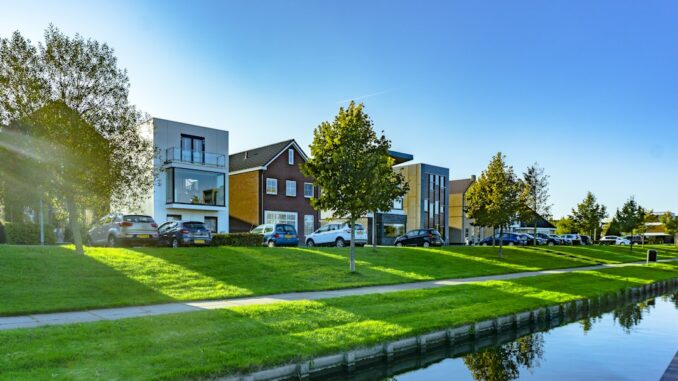

Embarking on a property development venture, you know, it’s remarkably similar to composing a grand symphony or painting an intricate masterpiece. It isn’t just about putting bricks and mortar together; it truly demands an exceptional blend of meticulous planning, unyielding dedication, and a crystal-clear vision of what you’re setting out to achieve. This journey, as exhilarating as it is challenging, can feel like navigating a complex maze at times. But don’t you worry, because I’m here to guide you through the intricate process, offering six essential steps that are absolutely fundamental for laying a rock-solid foundation for a project that doesn’t just succeed but really shines.
1. Identifying Opportunities: The Art of the Hunt
Our expedition, the very beginning of this ambitious undertaking, starts with spotting that elusive, promising opportunity. It’s like being a detective, piecing together clues from the market. This phase isn’t just about ‘having a good feeling’ about a location, not at all. It means diving deep, rolling up your sleeves to conduct some serious, thorough market research. You’re trying to understand the pulse of the market: the latest trends, those subtle demographic shifts, and, crucially, the often-complex world of zoning laws. Developers worth their salt are constantly on the lookout, scoping out locations that possess a strong, almost palpable, demand for new residential, commercial, or perhaps even those innovative mixed-use projects we’re seeing more and more of these days. The real objective, what we’re truly after, is finding those sweet spots where the market’s hunger for development perfectly aligns with a site’s potential, thereby creating an unshakeable bedrock for a successful project. It’s about foresight, really, anticipating tomorrow’s needs today.
Focus360 Energy: property compliance services – pre-planning to post-construction. Learn more.
Now, how do you actually do this market research? Well, it’s a multi-faceted approach, honestly. You’ll be poring over data from census bureaus, economic development reports, and real estate analytics platforms. Think about things like population growth projections – where are people moving to, and why? What are the income levels like in the area? Is there a burgeoning employment sector, maybe a new tech hub or a manufacturing plant opening nearby that will bring new residents and businesses? And then there’s the infrastructure, isn’t there? Upcoming transport links, new schools, hospitals – these are all huge indicators of future demand. For instance, I once knew a developer, let’s call her Sarah, who spent six months just tracking local government infrastructure plans for a new rail line. Everyone else was focused on the existing train stations, but Sarah bought land two stops down, knowing full well the new line would eventually extend there. Talk about seeing around corners!
Demographic Shifts: Reading the Tea Leaves of Society
Understanding demographics isn’t just for sociologists; it’s paramount for us. Are we looking at an aging population in the area that might need more accessible housing or specialist care facilities? Or perhaps a surge in young families, indicating a need for larger homes, schools, and parks? Migration patterns, both internal and external, dictate where people will want to live and work. Even household formation rates — how many new households are being created each year — give us a direct line to housing demand. These aren’t just numbers; they tell stories about people’s lives and future needs, which directly translates to what kind of properties will be successful.
Zoning Laws: Your Development’s Rulebook
Ah, zoning laws. Many see them as bureaucratic hurdles, but I view them as the fundamental rulebook for any development game. You’ve got to understand these inside out. They dictate what you can build (residential, commercial, industrial, mixed-use), how much you can build (height restrictions, density limits, floor-area ratios), and even how you can build it (setbacks, parking requirements, open space provisions). A seemingly perfect site could be utterly useless if its zoning restricts the type or scale of development you envision. Furthermore, navigating these often involves pre-application meetings with local planning authorities, which are goldmines of information. Sometimes you might need to pursue a zoning amendment or a variance, which adds layers of complexity, cost, and time, so you need expert advice here, there’s no way around it.
Site Selection Criteria and Due Diligence: Beyond the Map
Beyond just zoning, a promising site needs to tick a lot of other boxes. Think about its proximity to essential amenities – schools, shopping centers, healthcare facilities. How about access to major transportation arteries? Good road networks are a must, but increasingly, walkability and access to public transit are huge selling points. Before you even think about making an offer, you’ll conduct extensive due diligence. This means investigating the existing structures on the land (are there demolition costs, or can they be repurposed?), the environmental history of the site (any contamination from previous industrial use?), and understanding any easements or rights of way that might impact your plans. It’s all about minimizing surprises later on, and believe me, surprises in property development usually come with a hefty price tag.
2. Acquiring and Planning the Site: From Vision to Blueprint
So, you’ve identified a golden opportunity, haven’t you? Excellent. The next critical phase is securing the land or property itself. This isn’t just about signing a check; it’s a strategic dance that often involves intricate negotiations for purchase or crafting nuanced leasing agreements. But beyond the acquisition, this stage is where the magic really starts to take shape on paper, where detailed planning transforms abstract ideas into tangible blueprints. It’s where your vision truly begins its journey from concept to reality.
The Acquisition Strategy: More Than Just a Purchase
Acquiring the right site is paramount, of course. You’ll often start with a Letter of Intent (LOI) to signal serious interest, which then kicks off an intense due diligence period. This is where your team of experts truly earns their keep. Lawyers will meticulously comb through title reports to ensure there are no hidden liens or ownership disputes. Surveyors will map out the precise boundaries and topography, identifying any potential challenges. Environmental consultants will conduct Phase I and often Phase II Environmental Site Assessments (ESAs) to uncover any historical contamination, which can be a project killer if not addressed early. Sometimes, you might even consider options agreements, which give you the right, but not the obligation, to purchase the land within a specified timeframe, offering flexibility while you sort out planning approvals. Or, for larger, more complex projects, joint ventures with existing landowners or other developers can be a smart move, sharing both the risks and the potential rewards.
Design and Architecture: Shaping the Future Space
This is where creativity meets practicality, where ideas truly begin to bloom. Collaborating with talented architects isn’t just about aesthetics; it’s about crafting designs that not only meet your project’s grand vision but also rigorously adhere to local regulations and community expectations. This is an iterative process, full of sketches, revisions, and models. You’ll consider the user experience – how will people move through and interact with this space? What’s the local architectural vernacular, and how can your design complement or respectfully innovate within it? Material selection is also key, influencing not just the look but also the long-term durability and sustainability. For master-planned communities, it’s about creating a cohesive environment, a sense of place, rather than just a collection of buildings. Good design can significantly enhance property value, you know.
Engineering Studies: The Science Behind the Structure
Underneath all the pretty designs lies a complex web of engineering. This is the bedrock of construction feasibility. You’ll commission geotechnical engineers for soil testing to understand the ground conditions – is it stable? Will it support the proposed structures? Structural engineers will then design the skeleton of your buildings. Civil engineers focus on site grading, drainage plans (crucial for managing stormwater and avoiding future headaches), and the layout of utilities like water, sewer, and electricity. Don’t forget traffic impact assessments for larger projects; they determine how your development will affect local roads and require careful planning for access and parking. Ignoring these studies, well, that’s just asking for costly delays or, worse, structural nightmares down the line.
Environmental Reviews: Building Responsibly
Beyond historical contamination, a comprehensive environmental review evaluates the potential impact of your new development. This might involve ecological surveys to identify protected flora and fauna, noise assessments, or even air quality studies. Compliance with relevant regulations, whether it’s the national environmental protection agency or local conservation authorities, is non-negotiable. Developers are increasingly incorporating strategies for minimizing their environmental footprint, not just because it’s legally required, but because it’s good business. It enhances appeal to eco-conscious buyers and often leads to long-term operational savings. It’s about being a good steward of the land, isn’t it?
Permits and Approvals: Navigating the Bureaucratic Labyrinth
Ah, permits. This can feel like a labyrinth, honestly. After your designs are finalized and engineering studies confirm feasibility, you’ll embark on the journey of securing all the necessary permits and clearances. This often starts with pre-application meetings with planning departments to get early feedback. Then come the formal planning applications – design review, zoning amendments if needed, and public consultations, where local residents can voice their concerns. Once planning approval is granted, you move onto building permits, utility approvals, fire safety certificates, and many, many more. Each approval can be a lengthy process, involving different departments and various stages of review. Patience and persistence, coupled with an expert understanding of the local regulatory landscape, are absolutely key here. This stage, more than any other, often dictates your project timeline; any misstep can lead to significant delays and budget overruns.
3. Securing Project Financing: Fueling the Dream
Without money, even the most brilliant blueprint remains just that – a blueprint. Obtaining the right financing is, without a doubt, a make-or-break aspect of property development. While traditional bank loans have long been the staple, the increasing complexity of projects, coupled with stricter lending criteria post-global financial crisis, has pushed many savvy developers to explore a wider spectrum of alternative funding methods, such as forward funding and various forms of equity investment. It’s a dynamic landscape, and you’ve got to be adaptable.
Traditional Bank Loans: The Old Reliables (with New Rules)
When we talk about traditional bank loans, we’re primarily looking at construction loans or development loans. These are typically short-term, asset-backed loans, meaning the land and future development serve as collateral. Banks usually lend a percentage of the project’s total cost, often 60-75% of the loan-to-value (LTV) ratio. They’ll scrutinize your business plan, your team’s experience, and the project’s projected cash flow. You’ll need solid pre-leasing or pre-sales commitments, a robust appraisal, and often, a personal guarantee. The pain points? Stricter regulations mean more paperwork, longer approval times, and higher equity requirements from the developer. Banks are usually risk-averse, so if your project has any unique features or perceived higher risk, they might just say ‘no’ or offer unfavorable terms. This is where alternatives really start to shine.
Innovative Financing Options: Thinking Outside the Bank
As I mentioned, the traditional avenues are getting tighter. So, developers are increasingly getting creative.
Forward Funding: A Pre-Sale for Institutions
Forward funding, sometimes called a forward purchase agreement, is a clever strategy where an institutional investor (think large pension funds, real estate investment trusts, or sovereign wealth funds) commits to buying your completed property at a pre-agreed price. The best part? They often pay you in installments throughout the construction phase. Imagine, knowing your exit strategy from day one! The main advantages here are pretty compelling:
- Immediate Capital Access: This is huge. It provides developers with significant upfront capital, allowing for swift land acquisition, contractor hiring, and construction initiation, sidestepping those often glacial traditional loan approval processes. It means less time waiting, more time building. You can hit the ground running, really.
- Risk Mitigation and Predictability: By locking in a purchase price at the outset, you’re essentially protected from market fluctuations. If the market dips during construction, you’re insulated. This offers a much more stable financial outlook and reduces a significant chunk of market risk. I recall a developer friend, Mark, who used forward funding for a retail park project right before a major economic downturn. While others scrambled to find buyers at discounted rates, Mark had his sale price guaranteed, allowing him to sail through the choppy waters relatively unscathed. It was a brilliant move, frankly.
- Quicker Financing Process: Compared to the arduous process of securing traditional construction debt, forward funding can be a much faster route to securing necessary funds, especially for projects that might be deemed ‘unique’ or ‘high-risk’ by conventional lenders, or for those with tight timelines.
However, it’s not all sunshine and roses. Forward funding comes with its own set of challenges, naturally:
- Stringent Performance Criteria: Investors aren’t just handing out money for nothing. They’ll typically require you to hit very specific construction milestones to maintain funding. This demands incredibly rigorous project management and strict adherence to timelines. Miss a deadline, and you could face penalties or even funding withdrawal. It keeps you on your toes, I’ll tell you that much.
- Lower Potential Profits: Because that sale price is predetermined at the start, you won’t benefit from any favorable market conditions that might drive prices higher at project completion. You trade potential upside for certainty, which is often a wise trade-off, but it’s important to acknowledge.
- Reduced Autonomy: Investors, having committed significant capital, might impose certain conditions related to design, materials, or even construction methods. This can potentially limit your creative control or preferred operational approaches. You’re bringing in a partner, not just a lender, so expect some input.
Equity Investments: Sharing the Cake
Equity investment is another incredibly popular alternative. Here, you attract investors who provide funds in exchange for a stake in the project – they become part-owners, sharing in the risks and, crucially, the rewards. There are different types, from common equity (full ownership stake) to preferred equity (a fixed return before common equity holders). Benefits are clear:
- Access to Broader Funding Sources: Equity investments open the door to a much wider pool of capital – private high-net-worth individuals, family offices, private equity funds, and even crowdfunding platforms. This is especially useful for large-scale or complex projects that might simply exceed traditional loan limits. It means you aren’t constrained by a single bank’s lending appetite.
- Shared Interests and Expertise: Investors aren’t just passive funders; they become partners. This aligns their interests directly with yours, fostering a truly collaborative approach. Many equity partners bring not just capital, but also invaluable expertise, industry connections, and strategic guidance, which can significantly enhance project outcomes. It’s like having more experienced minds in the room.
- Reduced Debt Reliance: Less reliance on debt means you avoid those often-hefty interest costs and the inherent risks associated with heavy borrowing, such as foreclosure if things go south. This creates a more balanced, resilient financial structure, giving you more breathing room should unexpected challenges arise.
However, equity investments also require careful consideration:
- Profit Sharing: The flip side of shared interests is, well, shared profits. You’ll have to share a portion of the project’s profits with your investors, potentially reducing your overall returns compared to retaining full ownership. It’s a trade-off for reduced risk and access to capital.
- Ensuring Investor Alignment: This is critical. You absolutely must find investors whose vision, risk appetite, and long-term objectives align with your own. Misaligned partners can lead to conflicts, decision-making stalemates, and ultimately, project delays or failures. Due diligence on your potential partners is just as important as their due diligence on you.
- Thorough Due Diligence (from your end): Attracting equity investors demands a super strong business case, detailed financial projections (often involving complex waterfall structures for profit distribution), and absolute transparency. You need to build trust and present a compelling, data-backed argument to secure their investment. They’re scrutinizing you just as much as you’re scrutinizing the deal, remember that.
Mezzanine Debt: The Hybrid Approach
It’s also worth briefly mentioning mezzanine debt. This is a hybrid form of financing that bridges the gap between senior debt (like a bank loan) and equity. It’s typically unsecured or secured by a second lien and carries a higher interest rate than senior debt because it’s riskier. Mezzanine lenders often receive warrants or an equity kicker, meaning they get a small ownership stake or a share of profits in addition to interest payments. It’s a way to reduce your equity contribution without taking on full equity partners, but it’s a high-cost option for a reason.
Government Grants and Incentives: Public-Private Synergy
For certain types of developments – think affordable housing, green buildings, urban regeneration in distressed areas, or projects that create significant local employment – government grants, tax incentives, or favorable loan programs might be available. These are often highly competitive and come with stringent eligibility criteria, but they can significantly improve a project’s financial viability and align with broader community development goals.
Structuring the Deal: The Devil is in the Details
Regardless of the financing path, the precise structuring of the deal is paramount. Clear, legally sound term sheets, partnership agreements, and loan documents are non-negotiable. This is where your legal and financial advisors really earn their stripes, ensuring all parties understand their rights, obligations, and the agreed-upon profit/loss sharing mechanisms. A well-structured deal protects everyone involved and lays the groundwork for a smooth development process.
4. Development and Construction: Bringing Blueprints to Life
With your financing firmly in place and all the labyrinthine regulatory approvals finally secured, your development truly springs to life, entering the bustling, often chaotic, construction phase. This isn’t just about hammering nails, you understand; this stage demands nothing less than truly effective, robust project management to meticulously keep construction on schedule, scrupulously within budget, and absolutely up to the required quality standards. It involves a symphony of coordination – choreographing various contractors and suppliers, diligently monitoring every scrap of progress, and adeptly addressing the inevitable issues that will arise during the dynamic, ever-evolving building process. It’s a high-stakes balancing act, where every decision can have cascading effects.
The Art of Project Management: Orchestrating Chaos
Effective project management is the backbone of successful construction. It’s about a constant dance between planning, executing, and controlling. You’ll be using tools like Gantt charts or Critical Path Method (CPM) scheduling to visualize tasks, dependencies, and timelines, ensuring that critical activities are never delayed. Budgeting is a live document, constantly reconciled with actual expenditures, with a healthy contingency fund baked in for the unexpected. Quality control isn’t an afterthought; it’s integrated, with regular inspections, material testing, and adherence to specifications. Risk management at this stage focuses heavily on health and safety protocols (absolutely non-negotiable), insurance coverage, and proactive identification of potential issues like labor shortages, material price spikes, or adverse weather conditions. A good project manager, frankly, is worth their weight in gold.
Contractor Selection and Management: The Right Hands for the Job
Choosing your general contractor or various trade contractors is a decision you can’t rush. It typically involves a rigorous tendering process, where potential contractors submit bids based on your project specifications. You’ll evaluate not just the price, but their track record, safety history, financial stability, and experience with similar projects. Different contract types exist – fixed-price contracts offer cost certainty but less flexibility, while cost-plus contracts offer more flexibility but less cost predictability. Design-build contracts, where a single entity handles both design and construction, can streamline the process. Once selected, robust contract management is essential, clearly defining scope, deliverables, payment schedules, and dispute resolution mechanisms. It’s a partnership, but a business one, so clarity is key.
Supply Chain Management: Materials on Demand
In today’s globalized world, managing your supply chain effectively is more complex than ever. It’s about ensuring the right materials, of the right quality, arrive on site at the right time and for the right price. This involves strategic procurement, negotiating with suppliers, and managing logistics. Think about just-in-time delivery for certain components to minimize storage costs and site clutter. But also, be prepared for disruptions – global events, natural disasters, or even local transport issues can cause delays. Having alternative suppliers or flexible procurement strategies can save you immense headaches and keep the project moving forward.
Site Supervision and Problem Solving: On-the-Ground Leadership
Your site manager is the frontline general, overseeing daily operations. They conduct regular progress meetings with subcontractors, ensure work adheres to drawings and specifications, and, crucially, address problems as they arise. And believe me, problems will arise. A shipment of critical materials might be delayed, a unforeseen ground condition might be discovered, or a trade might fall behind schedule. The ability to quickly assess, communicate, and implement solutions on the fly, minimizing their impact on the overall project, is a hallmark of a skilled site team. It’s about proactive problem-solving, not reactive firefighting, mostly.
Communication is King: Keeping Everyone in the Loop
From the project financier to the architect, the various contractors, and even local community representatives, clear, consistent communication is absolutely vital. Regular progress reports, site meetings, and transparent discussions about challenges and solutions foster trust and ensure everyone is aligned with the project’s goals. Miscommunication, sadly, is a common culprit for delays and budget blowouts in construction, so prioritize it.
5. Marketing and Leasing/Sales: Presenting Your Masterpiece
Interestingly enough, while the hammers are still ringing and the paint is still drying, you really must initiate a strategic marketing plan to entice those potential buyers or tenants. This phase isn’t an afterthought, you see; it’s a parallel stream of activity, crucial for ensuring your beautifully crafted development finds its rightful occupants as seamlessly and quickly as possible. It’s about creating desire, building anticipation, and effectively telling the story of the space you’re creating.
Positioning the Development: Crafting Your Unique Story
First, you’ve got to define what makes your development special. What’s its Unique Selling Proposition (USP)? Is it the cutting-edge sustainable design, the prime location, the luxurious amenities, or perhaps the community-focused mixed-use concept? You need to identify these unique features and then weave them into a compelling narrative, a distinctive brand identity that resonates with your target demographic. This isn’t just about advertising; it’s about storytelling, creating an emotional connection with your future residents or businesses. How will living or working here enhance their lives? That’s the question to answer.
Promotional Campaigns: Spreading the Word Far and Wide
Once you know your story, you need to tell it! Your promotional campaigns will leverage a diverse toolkit. Digital platforms are non-negotiable: search engine optimization (SEO) for organic visibility, targeted social media advertising (Facebook, Instagram, LinkedIn, etc.), immersive virtual tours, high-quality 3D renderings, and even drone footage can give potential clients a visceral sense of the space before it’s even complete. Traditional marketing still holds its own too, with sleek brochures, strategically placed billboards, and well-executed launch events or open days creating buzz. Public relations efforts, securing features in property magazines or local news, can also lend credibility and broaden reach.
Sales and Leasing Strategy: Converting Interest into Commitment
This is where interest turns into concrete commitments. You’ll decide whether to manage sales or leasing in-house with a dedicated team or partner with experienced external real estate agents. Either way, your sales team needs to be impeccably trained, intimately familiar with every detail of the development, and equipped to handle inquiries, conduct site visits (even virtual ones!), negotiate deals, and ultimately, close those crucial sales or lease agreements. For residential projects, pre-sales are vital for meeting financing conditions, so getting contracts signed early is a major focus. For commercial spaces, developing strong relationships with brokerage firms and understanding tenant needs for fit-out allowances and lease terms are paramount. Remember, you’re not just selling a property; you’re often selling a lifestyle or a business solution.
6. Finalizing and Handover: The Grand Unveiling
At long last, the construction dust settles, doesn’t it? Once the cacophony of building fades into a quiet hum, the property transitions into its final, crucial stage: completion, final inspections, and the immensely satisfying moment of handover. This phase is all about dotting the i’s and crossing the t’s, ensuring every last detail aligns with the original vision and, crucially, meets every legal and safety standard. It’s the moment your masterpiece is ready to be admired and, more importantly, occupied.
Completion, Inspections, and Certifications: The Final Gauntlet
This isn’t a quick once-over. The property undergoes a series of rigorous final inspections by various authorities. Building code compliance, fire safety, accessibility standards, utility commission approvals – each must be meticulously checked and signed off. The coveted ‘Occupancy Permit’ or ‘Certificate of Occupancy’ is the golden ticket, legally allowing people to move in. Your project team will also create a comprehensive ‘snagging list’ or ‘punch list’ of minor defects or unfinished items that need rectifying before handover. This could be anything from a misaligned door to a patch of unpainted wall. It’s about ensuring pristine condition.
Documentation and Warranties: Your Operational Manual
Handover isn’t just about keys. A comprehensive documentation package is critical. This includes all warranties for materials and appliances, detailed operation and maintenance (O&M) manuals for building systems, and ‘as-built’ drawings that reflect the exact final construction (often different from the original plans due to site variations). This documentation is invaluable for future property management, maintenance, and potential future renovations. It’s your building’s biography, so to speak.
The Handover Ceremony: Welcoming New Occupants
With all approvals in hand, the property is officially handed over to its new owners or tenants. For residential units, this involves finalizing sales, transferring titles, and a friendly welcome. For commercial spaces, it means signing lease agreements and often providing an orientation to the building’s systems and facilities. For larger developments, establishing a property management team at this stage is crucial. They’ll handle ongoing maintenance, tenant relations, and ensure the long-term value and functionality of the asset. Some developers even conduct post-occupancy evaluations a year or so after handover, gathering feedback to inform future projects, a really smart move if you ask me.
Beyond Financing: Essential Elements for Sustained Success
While securing financing is undeniably a monumental step, a property’s development success isn’t solely dictated by the depth of its pockets. Several other factors are equally, if not more, important for ensuring your project doesn’t just get off the ground but actually thrives, delivering enduring value. It’s a holistic approach, where every piece of the puzzle must fit perfectly.
Comprehensive Market Analysis: Knowing Your Audience Intimately
I can’t stress this enough, can I? Detailed market research and feasibility studies are the bedrock. This means not just high-level trends, but granular understanding of local demand, the competitive landscape (who else is building what, and at what price?), and current pricing trends. It’s about demographic segmentation: who exactly are you building for? What are their preferences, their spending habits, their lifestyle aspirations? A competitive analysis, a SWOT analysis (Strengths, Weaknesses, Opportunities, Threats) of both your project and competitors, gives you invaluable insights. This depth of understanding ensures your project is not just viable, but truly profitable and resonant with its future occupants. Don’t assume; know.
Skilled Professional Team: Your A-Team of Experts
No developer is an island. Building an exceptional team of experienced professionals is absolutely crucial for navigating the inherent complexities of development projects. We’re talking about more than just architects and engineers; you’ll need development managers who can oversee the entire process, astute legal counsel specializing in real estate, savvy marketing specialists, and meticulous financial advisors. The key isn’t just having individual experts, but fostering a cohesive team culture where communication flows freely, problems are collaboratively solved, and everyone is aligned with the project’s vision. A team that trusts each other, well, that’s priceless.
Embracing Sustainability and Innovation: Building for Tomorrow
This isn’t just a buzzword anymore, it’s a fundamental shift. Incorporating sustainable practices and innovative technologies from day one doesn’t just meet growing environmental standards; it significantly enhances the appeal of your property to an increasingly eco-conscious market. Think beyond basic energy efficiency: smart home technologies, advanced insulation techniques, rainwater harvesting, solar panels, green roofs, even modular construction methods that reduce waste and construction time. These features often translate to lower operational costs for occupants and can command higher rental or sale prices. Investing in green features offers a compelling return on investment, both financial and reputational.
Navigating Regulatory Requirements: The Unseen Obstacles
As we discussed, understanding and complying with all zoning laws, building codes, environmental regulations, and local planning policies is not just a formality; it’s absolutely essential to sidestep potentially crippling delays and costly legal issues. This requires proactive engagement with planning authorities, building strong relationships, and meticulously preparing all documentation. Smart developers anticipate potential regulatory changes and build flexibility into their designs. Failing to navigate this complex web can easily derail an otherwise promising project, turning a dream into a bureaucratic nightmare. It’s about diligence, thoroughness, and often, a little bit of diplomacy.
Risk Mitigation Strategies: Preparing for the Unexpected
Every development project carries inherent risks; it’s the nature of the beast. But successful developers don’t ignore them; they anticipate and plan for them. You need a comprehensive risk management plan. This includes financial risks (like interest rate hikes, unexpected cost overruns, or a sudden change in material prices), market risks (shifts in demand, increased competition), construction risks (labor shortages, unforeseen ground conditions, weather delays), and legal risks (disputes with contractors, regulatory challenges). This involves robust insurance policies, establishing clear contingency budgets, flexible contract terms, and constantly monitoring the external environment for potential threats. A well-prepared developer is a resilient developer.
Emerging Trends in Property Development: Shaping Future Skylines
The property development landscape, like a living organism, is constantly evolving, doesn’t it? It’s being dynamically reshaped by a potent combination of technological advancements and an ever-increasing emphasis on sustainability. To truly thrive, developers must not just keep pace, but anticipate and actively embrace these emerging trends. It’s about staying ahead of the curve, crafting spaces that are not only relevant today but resilient and desirable for generations to come.
PropTech Innovations: The Digital Revolution of Real Estate
Technology is fundamentally revolutionizing how we plan, build, and manage properties. PropTech (Property Technology) encompasses a vast array of innovations: Building Information Modeling (BIM) allows for hyper-accurate 3D modeling and collision detection, drastically reducing errors and waste during design and construction. Virtual reality (VR) and augmented reality (AR) create immersive experiences for potential buyers, allowing them to ‘walk through’ a property before it’s even built. Big data analytics and AI are being used for everything from hyper-targeted site selection to predictive maintenance, optimizing building performance. Even blockchain technology is being explored for more transparent and secure property transactions. Embracing these tools enhances planning accuracy, boosts construction efficiency, and refines marketing strategies, giving forward-thinking developers a significant competitive edge.
Mixed-Use Developments: The Live-Work-Play Ethos
The era of single-purpose buildings is slowly giving way to vibrant, multi-purpose spaces. Mixed-use developments integrate residential, commercial (retail, office), and social amenities (parks, community centers, entertainment venues) within a single, cohesive project. This fosters genuine community engagement, reduces reliance on cars, and caters perfectly to modern lifestyle demands for convenience and connectivity. Think about those charming urban villages springing up! They’re not without their challenges, of course – balancing the competing demands of different users and ensuring harmony – but the increased value, appeal, and resilience of these properties are undeniable. People want to live, work, and play within walking distance, don’t they?
Urban Redevelopment: Breathing New Life into Old Places
The focus on revitalizing underutilized or neglected urban areas is stronger than ever. Developers are transforming ‘brownfield’ sites (previously developed, often contaminated land) or obsolete industrial zones into dynamic, sustainable communities. This isn’t just about constructing new buildings; it’s about enhancing social and economic vitality, creating jobs, improving public spaces, and often, preserving historical elements. It involves complex remediation, thoughtful master planning, and close collaboration with local governments and communities. It’s a challenging but incredibly rewarding endeavor, taking forgotten spaces and giving them a vibrant new purpose, making cities truly more livable.
Prioritizing Environmental Sustainability: A Non-Negotiable Imperative
Future developments are no longer just considering environmental sustainability; they are prioritizing it. This commitment to environmental stewardship is reflected in every stage: energy-efficient designs (think passive solar, high-performance envelopes), reliance on green building materials (recycled, locally sourced, low-VOC), and the integration of renewable energy sources (solar, geothermal). Certifications like LEED, BREEAM, or Passive House are becoming benchmarks, not just optional extras. Beyond compliance, it’s about embracing circular economy principles – designing for disassembly, waste reduction, and material reuse. This focus isn’t just about being ‘green’; it’s about creating resilient, future-proof properties that meet the demands of a changing climate and a conscious populace.
Additional Considerations for the Savvy Developer
Property development, you’ll come to realize, extends far beyond the boundaries of your construction site, doesn’t it? Truly successful developers possess a broader perspective, understanding that their projects don’t exist in a vacuum. These additional considerations aren’t mere afterthoughts; they’re integral to building not just successful properties, but also fostering positive long-term relationships and robust, sustainable communities.
Community Impact: Building Beyond Bricks and Mortar
Every project, big or small, has a ripple effect on the surrounding community. Savvy developers consciously consider the broader social and economic impacts of their projects. This means more than just creating jobs during construction. Are you contributing positively to local infrastructure, perhaps through public realm improvements like parks or improved sidewalks? Are there opportunities to incorporate affordable housing units or community facilities? Engaging with local residents, listening to their concerns, and seeking ways to add social value beyond your immediate project scope can build immense goodwill and smooth the path for future developments. It’s about being a good neighbor, really, and contributing to the fabric of the community.
Public-Private Collaborations: A Synergy of Goals
Sometimes, the most ambitious and impactful projects arise from partnerships. Collaborating with public entities – local councils, state governments, or public utility providers – can unlock significant additional support and resources. This is particularly true for projects that aim to address public infrastructure needs, such as transit-oriented developments, or those focused on broader community development objectives, like urban regeneration or affordable housing initiatives. Public-private partnerships (PPPs) can offer access to land, grant funding, tax incentives, or streamlined approvals, but they also involve complex negotiation and risk-sharing structures. When aligned, these collaborations can achieve far more than either party could alone.
Adapting to Regulatory Changes: Staying Nimble
The regulatory environment is rarely static; it’s a constantly shifting landscape. New building codes, environmental legislation, zoning amendments, or changes in planning policies can emerge with surprising speed. Staying informed about these changes, either through industry associations, legal counsel, or dedicated policy monitoring, is absolutely essential. Furthermore, embedding a degree of flexibility into your project strategies and design principles can help you adapt proactively, avoiding costly retrofits or legal challenges down the line. A developer who can pivot and adapt quickly to new rules, well, they’re always going to be ahead of the pack.
Post-Completion Asset Management: Nurturing Long-Term Value
Handing over the keys isn’t the end of the story, especially for developments you retain ownership in (like rental properties or commercial complexes). Effective post-completion asset management is crucial for creating long-term value. This involves robust maintenance schedules, proactive tenant retention strategies, efficient property management, and ongoing financial performance analysis. It’s about ensuring the property remains desirable, well-maintained, and generates consistent returns over its lifespan. A well-managed property not only holds its value but appreciates it, serving as a testament to thoughtful development.
Property development, when you really get down to it, is a truly dynamic, exhilarating, and often profoundly challenging field. But for those who possess the vision, the acumen, and the sheer grit to navigate its intricate complexities, it offers immense potential – not just for financial reward, but for shaping the very landscapes and communities we inhabit. By diligently mastering each stage of the development process, intelligently exploring those innovative financing options, and maintaining an unwavering focus on key factors like meticulous market research, sustainable practices, and shrewd risk management, developers can significantly enhance their probabilities of not just success, but of achieving something truly remarkable. As our industry continues its fascinating evolution, embracing cutting-edge technological advancements and embedding sustainable practices will undoubtedly be the ultimate key to shaping the future of property development, fostering the creation of vibrant, resilient, and enduringly sustainable communities for every generation yet to come. It’s a legacy, really, isn’t it?
Be the first to comment