

Crafting a Greener Future: Your Step-by-Step Guide to Designing an Energy-Efficient UK Home
Ever dreamt of a home that not only looks fantastic but also whispers ‘eco-warrior’ with every low energy bill? Designing an energy-efficient home here in the UK isn’t just a trendy idea, it’s a smart, financially savvy move and, frankly, a responsibility we all share. It’s about blending intelligent planning with cutting-edge materials and clever tech, creating a sanctuary that keeps you cosy, cuts your carbon footprint, and saves you a pretty penny too. What a win-win, right?
I’m talking about building a place where the air feels fresher, the temperatures stay just right without constant fiddling, and you’re genuinely contributing to a better planet. This isn’t some abstract, unreachable goal; it’s entirely achievable with a thoughtful approach. By deeply focusing on insulation, embracing sustainable materials, and integrating smart renewable energy systems, you can dramatically slash your home’s energy consumption and its associated costs. Consider this your comprehensive, actionable blueprint for designing a home that’s not just comfortable and beautiful, but also truly environmentally friendly and future-proof. Let’s dig in, shall we?
Successful low-energy building design hinges on careful planning. Focus360 Energy can help.
1. Prioritise High-Quality Insulation: The Unsung Hero of Comfort
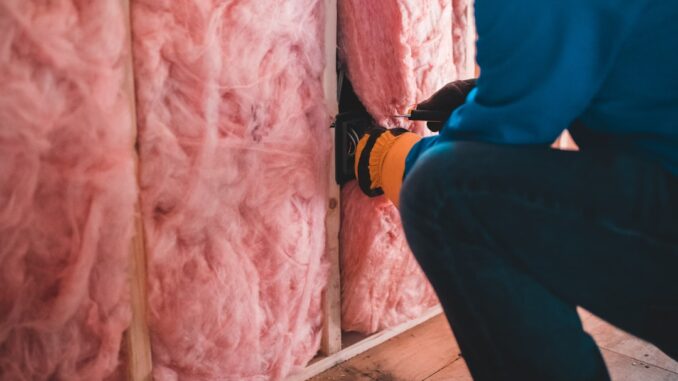
When we talk about energy efficiency, insulation, my friends, is absolutely your first port of call. It’s the silent workhorse, the invisible shield that keeps your home’s precious warmth in during those notoriously chilly British winters and, increasingly, helps deflect summer heatwaves too. Without it, you’re essentially trying to heat the great outdoors, and trust me, your bank account won’t thank you for that. High-quality insulation effectively slows the transfer of heat between your home’s interior and the outside world, drastically reducing the energy required to maintain those comfortable, stable temperatures.
Think about those old, draughty Victorian houses many of us grew up in, where you could practically see your breath on a winter morning. That’s a stark reminder of what happens when insulation is an afterthought. A truly well-insulated home isn’t just about lower bills; it’s about eliminating those annoying cold spots, preventing bone-chilling draughts, and letting your heating and cooling systems perform at their absolute peak efficiency, without constantly battling against heat loss. It creates a cocoon of comfort, a real haven.
Understanding U-Values and Thermal Bridging
Before you dive headfirst into material choices, you’ve got to get a handle on a couple of key concepts: U-values and thermal bridging. The U-value essentially measures how effectively a component of your building – be it a wall, roof, window, or floor – conducts heat. The lower the U-value, the better its insulating properties. For instance, a solid brick wall might have a pretty high U-value, meaning it lets a lot of heat escape. Adding a good layer of insulation, perhaps some rigid foam board, will dramatically drop that U-value, making it a much better thermal performer.
Then there’s thermal bridging, often called ‘cold bridging.’ This happens where there are breaks in your insulation layer, allowing heat to bypass the insulation. Think of a timber frame where the studs cut through the insulation, creating a direct path for heat to escape. Or maybe a concrete floor slab extending out to an external wall. These small areas, though seemingly insignificant, can account for a surprising amount of heat loss, creating those dreaded cold spots and even leading to condensation issues. A really good designer meticulously plans to minimise thermal bridges, using clever detailing around windows, doors, and structural junctions to maintain a continuous, unbroken insulation envelope. It’s often these tiny details that make a monumental difference.
A World of Insulation Choices
We’ve come a long way from basic fibreglass rolls. Today, the market offers an impressive array of insulation materials, each with its own advantages, suitable for different applications:
- Rigid Foam Boards (PIR/PUR): These are fantastic for walls and roofs, offering high thermal performance in a relatively thin profile. They’re often used in cavity walls or as external wall insulation. I’ve seen them transform freezing extensions into warm, usable spaces.
- Mineral Wool (Rock Wool/Glass Wool): Excellent for lofts, cavity walls, and timber frame structures. It’s non-combustible, sound-absorbent, and generally pretty cost-effective. Plus, many options contain recycled content.
- Natural Insulants (Sheep’s Wool, Hemp, Wood Fibre): If sustainability is paramount, these are brilliant choices. Sheep’s wool, for example, is breathable, naturally fire-resistant, and has great moisture-regulating properties. It’s a bit pricier, but the eco-credentials are top-notch.
- Recycled Cellulose: Made from recycled newspapers, this blown-in insulation is perfect for filling awkward cavities or loft spaces. It’s fire-retardant treated and has a low embodied carbon footprint.
- Spray Foam Systems (open-cell/closed-cell): These modern solutions provide an incredible airtight seal and excellent thermal performance. They’re particularly useful for irregularly shaped areas or to achieve extreme airtightness, though they require professional application and careful consideration of breathability.
Remember, it’s not just about the material; it’s about the thickness and the quality of installation. A poorly installed insulation layer, full of gaps and compresses, is barely better than no insulation at all. Invest in quality and make sure your build team understands the critical importance of a flawless thermal envelope. You’ll thank yourself every winter.
2. Choose Sustainable Building Materials: Building with Conscience
The materials you select for your home weave together more than just its structural fabric; they tell a story about its environmental impact. Moving beyond the operational energy of running a home, we now rightfully place significant emphasis on the ’embodied carbon’ – that is, all the energy consumed and greenhouse gases emitted during the extraction, manufacturing, transportation, and construction of those materials. Opting for sustainable building materials isn’t just a nice-to-have; it’s a fundamental pillar of truly eco-conscious design.
These materials often bring a dual benefit: they typically have lower embodied carbon and frequently boast inherent insulating properties. Consider reclaimed brick, for instance, or sustainably sourced timber. Not only do they look fantastic and often come with a wonderful sense of history, but they’ve avoided the energy-intensive process of new material creation. By making these informed choices, you’re actively reducing your project’s carbon footprint and, quite often, supporting more ethical supply chains. It’s a powerful way to make your build truly stand out.
Embodied Carbon: More Than Just Operational Energy
For a long time, the spotlight was almost exclusively on a home’s operational energy – how much gas or electricity it used once built. And while that’s absolutely crucial, it’s only half the story. Embodied carbon is the total sum of greenhouse gas emissions generated throughout a material’s entire life cycle, from ‘cradle to grave.’ This includes:
- Extraction: Mining ores, felling trees, quarrying stone.
- Manufacturing: Turning raw materials into usable products (e.g., cement production, steel smelting, brick firing – all very energy-intensive).
- Transportation: Moving materials from their origin to the construction site.
- Construction: The energy used during the actual build process.
- Maintenance & Replacement: Energy for repairs or replacing components.
- End of Life: Demolition, disposal, or recycling.
When you think about it, a building with fantastic operational energy efficiency but constructed from materials with a colossal embodied carbon footprint might not be as ‘green’ as it first appears. That’s why considering things like low-carbon concrete alternatives or opting for locally sourced timber instead of imported steel can make a huge difference. We’re talking about making smarter choices right from the initial design phase, knowing that these decisions will echo through the decades.
The Power of Local Sourcing
I can’t stress this enough: sourcing your materials locally is a brilliant strategy on so many levels. First and foremost, it drastically slashes transportation emissions, which are a significant contributor to embodied carbon. Less fuel burnt, fewer lorries on the road, cleaner air – simple, really. But it’s also about bolstering your local economy, supporting small businesses, and fostering community resilience. Who doesn’t want to do that?
Think about it: instead of ordering tiles from Italy or timber from Scandinavia, what if you found a fantastic local supplier for reclaimed roof slates or structural timber from a responsibly managed forest just a few counties away? Not only do you reduce your carbon footprint, but you often gain materials with unique character and a story. It’s also a great conversation starter at dinner parties, isn’t it? ‘Oh, these bricks? Found ’em just down the road, they used to be part of an old mill!’ Combining these thoughtfully chosen, durable materials with quality finishes also means fewer replacements and lower long-term maintenance costs, further enhancing your home’s sustainability credentials over its lifetime.
3. Harness Renewable Energy Sources: Your Home, Your Power Station
Generating your own clean energy right at home is, without doubt, one of the most impactful steps you can take towards a truly sustainable lifestyle. It transforms your property from a passive energy consumer into an active participant in the energy revolution. No longer are you solely reliant on the grid’s often fossil-fuel-heavy mix; you’re producing clean electrons and warm water right from your own roof or garden. This isn’t just about reducing your energy bills, though that’s a massive perk, it’s about taking control, increasing your energy independence, and making a tangible difference to the environment.
The beauty of today’s renewable technologies is how versatile and effective they’ve become. We’re talking about systems that are robust, reliable, and increasingly aesthetically pleasing. Planning for these during the initial design phase is absolutely key, allowing for seamless integration into your home’s architecture. This ensures they work at their maximum potential and complement, rather than detract from, the overall look and feel of your property. It’s exciting stuff, honestly, seeing a home literally power itself.
Solar Power: More Than Just PV
When most people think ‘solar,’ they immediately picture solar photovoltaic (PV) panels, and for good reason. These clever arrays convert sunlight directly into electricity, quietly humming along, producing clean power for your lights, appliances, and electric vehicle. The technology has matured incredibly, with panel efficiencies constantly improving and costs becoming more accessible. Think about pairing your PV system with a battery storage solution – suddenly you’re not just generating power during the day, you’re storing it to use at night or when electricity prices are higher. Smart tariffs from energy providers are now making this even more financially appealing, turning your roof into a mini power plant and your home into a smart energy hub.
But don’t overlook solar thermal systems! These don’t generate electricity; instead, they harness the sun’s heat to provide hot water for your taps and showers. Imagine reducing your reliance on your boiler for a significant portion of the year, all thanks to the sun. These systems come in a couple of main flavours: flat plate collectors, which look a bit like a sleeker PV panel, and evacuated tube collectors, which are incredibly efficient, especially in colder, cloudier conditions. They integrate beautifully with existing hot water tanks or even as a pre-heating system for your main boiler. It’s a simple, elegant way to use solar energy directly.
Heat Pumps: The Future of Heating
Heat pumps are, without a doubt, a cornerstone of sustainable home heating in the UK. They might sound complex, but the principle is elegantly simple: they don’t generate heat by burning fuel; instead, they move heat. They extract warmth from the air (air-source heat pumps) or the ground (ground-source heat pumps) and transfer it into your home, even when it’s freezing outside. It’s like a fridge in reverse, and it’s remarkably efficient, far outstripping the efficiency of traditional gas boilers.
- Air-Source Heat Pumps (ASHPs): These are perhaps the most common and versatile. An outdoor unit looks a bit like an air conditioning unit and extracts heat from the ambient air, transferring it indoors to warm your radiators or underfloor heating, and provide hot water. They work incredibly well even when temperatures drop to -15°C! And yes, the UK government’s Boiler Upgrade Scheme (BUS) offers significant grants towards their installation, making them more affordable than ever.
- Ground-Source Heat Pumps (GSHPs): These are even more efficient than ASHPs because ground temperatures are more stable year-round. They involve burying pipes in your garden (either horizontally in trenches or vertically in boreholes) to draw heat from the earth. While the initial installation can be more involved, the long-term running costs are incredibly low. For a new build with plenty of garden space, it’s certainly something to consider seriously.
Heat pumps, with their impressively high Seasonal Coefficient of Performance (SCOP) or Seasonal Energy Efficiency Ratio (SEER), are a fantastic investment, ensuring your home stays warm and comfortable with a drastically reduced carbon footprint. Pairing them with a well-insulated home is truly where they shine.
Integrating Renewables Seamlessly
The key to successful renewable energy integration lies in planning from day one. Your architect and energy consultant should be thinking about optimal roof orientation and pitch for solar panels, suitable locations for heat pump units (minimising noise and maximising efficiency), and routing for pipework and cabling right from the initial concept. This avoids awkward retrofits later on and ensures these systems are an integral, rather than an afterthought, part of your home’s design. Imagine sleek, integrated PV panels that are almost indistinguishable from the roof tiles, or a heat pump carefully positioned out of sight. It’s all about making functionality beautiful.
4. Make the Most of Natural Light: Illumination and Warmth for Free
Who doesn’t love a sun-drenched room? Beyond the sheer joy of natural light, it’s an incredibly powerful, free resource that can drastically reduce your home’s reliance on artificial lighting. By cleverly incorporating large windows, strategically placed skylights, and designing open-plan layouts, you can invite sunlight to penetrate deep into your living spaces. This isn’t just about saving electricity; it’s about creating bright, airy, inviting environments that genuinely enhance your mood and well-being. There’s a tangible warmth and vibrancy that artificial light, however sophisticated, can never quite replicate.
But it’s not simply about throwing in as many windows as possible; it’s about thoughtful, intelligent design that balances light and warmth throughout the year. Imagine a crisp winter morning, sunlight streaming through your south-facing window, gently warming the room. Then picture a scorching summer afternoon, and that same window is cleverly shaded, keeping your interior cool. That’s the magic of passive solar design.
The Art of Passive Solar Design
Passive solar design is a brilliant architectural approach that harnesses the sun’s energy for heating in winter and minimises unwanted heat gain in summer, all without complex mechanical systems. It’s about working with nature, not against it. The primary elements are:
- Orientation: This is perhaps the most critical factor. Orienting your home to take advantage of the sun’s path is paramount. South-facing windows are your best friends for capturing maximum warmth and light during the cooler months. North-facing walls, on the other hand, should generally have minimal glazing, as they receive little direct sunlight and are prone to heat loss. East- and west-facing windows can provide lovely morning and evening light but need careful shading to prevent overheating.
- Thermal Mass: Materials like concrete, brick, or even a thick stone floor can absorb heat from the sun during the day and slowly release it back into the room as temperatures drop in the evening. This helps to regulate internal temperatures naturally, reducing temperature swings.
- Shading: This is essential for preventing overheating during the summer months, especially for those south and west-facing windows. Architectural features like carefully designed overhangs, deep eaves, external blinds, or even strategically planted deciduous trees (which provide shade in summer but lose their leaves to allow winter sun through) are incredibly effective. Forget flimsy internal blinds; proper external shading is a game-changer.
- Ventilation: Cross-ventilation strategies, using high and low operable windows, allow warm air to escape and cooler air to enter, creating a natural breeze that helps keep your home comfortable without needing air conditioning.
Beyond the Pane: Advanced Glazing Solutions
Your window choice goes way beyond aesthetics; it’s a critical component of your home’s thermal envelope. Modern glazing technology offers incredible performance improvements over standard double-glazing:
- Low-Emissivity (Low-E) Glass: This has a microscopic, transparent coating that reflects heat. In winter, it reflects heat back into the room, reducing heat loss. In summer, it can reflect solar heat away, preventing overheating. It’s a fundamental upgrade.
- Triple Glazing: Adding a third pane of glass creates an extra air or gas-filled cavity, significantly reducing heat transfer. While it adds weight and cost, for truly energy-efficient homes, especially those aiming for Passive House standards, triple glazing is often a default.
- Inert Gas Fills (Argon, Krypton): The spaces between the panes of glass in double or triple glazing are often filled with inert gases like argon or krypton, which are denser than air and further reduce heat conduction.
- Warm Edge Spacers: These separate the glass panes and are made from low-conductivity materials, reducing heat loss around the edge of the window unit. It sounds small, but these details add up!
By carefully considering these elements, you’re not just creating bright rooms; you’re crafting comfortable, energy-efficient spaces that feel connected to the outside world without compromising on thermal performance. It’s about intelligent design that pays dividends in comfort and savings.
5. Meet Building Regulations and Future-Proof Your Home: A Vision for Tomorrow
Building a new home or undertaking a major renovation in the UK isn’t just about personal preferences and aesthetics; it’s governed by a set of critical guidelines known as Building Regulations. These aren’t there to stifle creativity; they’re in place to ensure your home is safe, healthy, and, crucially, energy-efficient. For our purposes, Part L (Conservation of Fuel and Power) and Part F (Ventilation) are particularly relevant. Designing with these requirements firmly in mind from day one isn’t just about compliance and avoiding costly delays; it’s about laying a robust foundation for a truly high-performing home. But why just meet the minimum when you can exceed it and truly future-proof your investment?
Going beyond the bare minimum standards required by regulations offers a multitude of benefits. Your home will be cheaper to run, significantly more comfortable to live in, and demonstrably more attractive to future buyers. Think of it as investing in an asset that will continue to perform strongly for decades. Incorporating modern, adaptable systems and sustainable materials now means you’ll avoid expensive and disruptive upgrades further down the line. It’s a strategic move, building resilience into your property.
Navigating UK Building Regulations: Part L and Beyond
Part L of the Building Regulations specifically deals with the ‘Conservation of Fuel and Power’ and sets out the standards for energy performance in new and existing buildings. It covers a vast array of elements, from the U-values of your walls, roof, and floor, to the efficiency of your heating systems, and the overall airtightness of the building envelope. For new dwellings, architects and designers must demonstrate that the proposed design meets specific carbon emission targets, often using sophisticated modelling software. It’s not just about insulating; it’s about the holistic performance of the entire structure.
Similarly, Part F, dealing with ‘Ventilation,’ is intrinsically linked to energy efficiency. As homes become more airtight (which is brilliant for energy saving), ensuring adequate, controlled ventilation becomes even more critical for indoor air quality and preventing condensation. Mechanical Ventilation with Heat Recovery (MVHR) systems, which we’ll touch on later, are a perfect example of a solution that addresses both energy efficiency and healthy indoor air. Navigating these regulations requires expertise, and it’s where a good architectural technologist or energy consultant becomes invaluable.
Beyond Compliance: The Future-Proofing Imperative
This is where you shift from merely ticking boxes to truly thinking ahead. The UK’s energy landscape and climate goals are evolving rapidly, with a firm push towards Net Zero. What’s considered compliant today might be outdated in 10 or 15 years. So, how do you design for the next 30 to 50 years, not just the next five?
- Extra Insulation Thicknesses: Yes, the regulations specify minimum U-values, but designing with thicker insulation than strictly required is a no-brainer. Future regulations will almost certainly tighten, and adding more insulation during the build is infinitely cheaper and less disruptive than retrofitting it later. Think about it – ‘once and done’ is the smart way.
- EV Charging Point Provision: Electric vehicles are no longer a niche market; they’re the future. Even if you don’t own one now, wiring in an EV charging point, or at least running the necessary conduit and beefing up your electrical supply, is a relatively small cost upfront that will add huge value and convenience later. It’s a subtle nod to the future that buyers will appreciate.
- Roof Structure Designed for Easy Future PV Panel Installation: Perhaps solar panels aren’t in the budget right now, but you’re probably going to want them eventually. Designing your roof structure with the correct orientation, pitch, and load-bearing capacity for future PV arrays, and pre-installing conduits for wiring, makes installation a breeze when you’re ready. It saves a significant amount of hassle and expense down the line. Scotland’s National Planning Framework (NPF4), for instance, actively encourages ‘net-zero ready’ developments, pushing this forward-thinking mindset.
- Adaptable Spaces: Consider how your home might need to evolve. Could a garage become an office? Is there space to add a small extension with minimal disruption? Designing flexible spaces adds to longevity and reduces the need for costly future reconfigurations.
- Oversized Service Ducts: Running larger-than-needed ducts and conduits for future data cables, smart home tech, or even alternative energy sources is a small cost during construction but can save huge headaches when new technologies emerge. Nobody wants to be chasing wires through finished walls!
Building regulations are your baseline, but future-proofing is your competitive edge. It’s about designing a home that embraces change, anticipates technological shifts, and remains comfortable, cost-effective, and desirable for generations. That’s a legacy worth building.
6. Implement Smart Energy and Building Controls: The Intelligent Home
Let’s be honest, even the most impeccably insulated, renewable-energy-powered home can be inefficient if its occupants don’t interact with it smartly. This is where intelligent energy and building controls come into their own. They’re the brain of your home, working silently in the background, optimising everything from your heating schedule to your lighting, making your life easier and your energy bills smaller. These aren’t just fancy gadgets; they’re essential tools for truly effective energy management. In today’s connected world, a truly energy-efficient home needs a smart core.
The Brain of Your Home: Smart Thermostats and Zoned Control
Gone are the days of a single thermostat trying to keep an entire house at one temperature, often leading to overheating in some rooms and chilly corners in others. Smart thermostats have revolutionised how we manage our home’s climate:
- Learning Capabilities: Many modern smart thermostats, like the popular Nest or Hive, learn your habits. They pick up on when you’re usually home, when you’re away, and what temperatures you prefer. Over time, they build a personalised heating schedule, ensuring you’re only heating your home when you need it, and to your desired comfort level. It’s like having a dedicated energy manager constantly optimising your heating!
- Remote Control: Forgot to turn the heating off before you left for your holiday? No problem. Most smart thermostats offer app-based control, letting you adjust settings from anywhere in the world. Imagine arriving home to a perfectly warm house after a long journey – sheer bliss.
- Integration with Weather Forecasts: Many smart systems can even pull in local weather data, pre-empting temperature drops or rises and adjusting your heating accordingly, often before you even notice a change. It’s wonderfully proactive.
- Zoned Heating Controls: This is perhaps one of the most powerful features. Instead of heating your entire home, zoned heating allows you to set different temperatures for different areas or even individual rooms. Why waste energy heating the spare bedroom all day when no one’s in it? Or perhaps you like your bedroom a bit cooler than your living room. Zoned control makes this effortless, often saving 10-15% on heating bills alone compared to a manual, whole-house system. It’s all about putting warmth exactly where and when you need it.
Seeing is Believing: Energy Monitoring and Optimisation
One of the most effective ways to encourage lower energy consumption is simply to make it visible. Most smart control systems now incorporate real-time metering and monitoring capabilities. This means you can see exactly how much electricity or gas your home is using, right down to individual appliance consumption, sometimes.
- Real-time Data: Watching your energy usage spike when you boil the kettle or turn on the oven can be incredibly eye-opening. It provides immediate feedback, helping you understand where your energy goes and identify energy vampires.
- Behavioural Change: When you have a clear picture of your consumption, it naturally nudges you towards more energy-conscious habits. Maybe you’ll switch off lights more consistently or unplug chargers. Small changes, collectively, make a huge difference.
- Identifying Inefficiencies: Persistent high usage in a particular zone might signal an insulation issue or a draught you hadn’t noticed. The data helps you pinpoint problems.
Even a basic programmable thermostat can offer substantial savings compared to manually adjusting temperatures. But the new generation of smart controls takes this to a whole new level, offering unparalleled convenience, comfort, and, most importantly, impressive energy savings. They really are a cornerstone of modern, efficient living.
7. Understanding Energy Performance Certificates (EPCs): Your Home’s Report Card
If you’ve bought, sold, or rented a property in the UK recently, you’ll undoubtedly have come across an Energy Performance Certificate (EPC). It’s essentially a ‘report card’ for your home’s energy efficiency, giving it a rating from A (very efficient) down to G (inefficient). Think of it like the energy label on your washing machine or fridge. It’s valid for 10 years and provides crucial insight into a property’s running costs and environmental impact. For designers and homeowners, understanding EPCs isn’t just a legal requirement; it’s a valuable tool to gauge performance and identify areas for improvement. A good EPC can significantly boost your property’s value and appeal, particularly in today’s increasingly eco-conscious market.
Decoding Your EPC: What the Ratings Mean
Your EPC is much more than just a letter grade. It’s a multi-page document that breaks down your home’s energy profile. Here’s what you’ll typically find:
- The Rating (A-G): This is the headline figure. A-rated homes are highly efficient, with very low energy bills and carbon emissions. G-rated homes, conversely, are the least efficient. Most UK homes fall somewhere in the D or E band, meaning there’s significant room for improvement.
- Estimated Energy Costs: The EPC estimates how much your heating, lighting, and hot water will cost over three years, based on typical occupancy and standard energy prices. This gives a tangible sense of what your bills might look like.
- Environmental Impact (CO2 Emissions): It also estimates your home’s carbon dioxide emissions, providing a clear environmental footprint.
- Breakdown by Element: The report will assess the efficiency of various building elements – walls, roof, floor, windows, heating system, hot water system, and lighting – giving each its own rating (e.g., ‘good,’ ‘average,’ ‘poor’). This helps you quickly pinpoint the biggest energy leaks.
- Recommendations for Improvement: This is arguably the most valuable part. The EPC isn’t just diagnostic; it’s prescriptive. It provides a list of suggested improvements, ranked by cost-effectiveness. For instance, it might suggest cavity wall insulation, loft insulation, upgrading to a more efficient boiler, or installing solar panels. Crucially, it will also tell you the potential savings and the projected EPC rating after implementing these changes. It’s a roadmap to a more efficient home.
Maximising Your EPC Score
When designing or renovating, aiming for the highest possible EPC rating should be a key objective. A- or B-rated properties command a premium in the market and are significantly cheaper to run. Here’s how to influence your EPC score:
- Insulation, Insulation, Insulation: As we’ve discussed, this is foundational. High-quality wall, roof, and floor insulation will dramatically improve your EPC.
- Efficient Windows and Doors: Modern, high-performance double or triple glazing with low U-values makes a big difference.
- Renewable Energy Systems: Installing solar PV, solar thermal, or a heat pump will provide a significant boost to your EPC, often pushing properties into the higher bands.
- Efficient Heating and Hot Water Systems: Upgrading to a modern, condensing boiler or, even better, a heat pump, will significantly improve your rating.
- Low Energy Lighting: Switching to LED lighting throughout your home might seem minor, but it contributes to the overall score.
- Airtightness: While not explicitly rated as a separate element, a very airtight home will perform better in the overall energy calculation.
Think of the EPC as an independent verification of your home’s energy credentials. It’s a transparent measure that benefits both you as the homeowner (lower bills, higher comfort) and potential future buyers or tenants. Making improvements based on its recommendations is a smart financial and environmental decision.
8. Consider Passive House Standards: The Gold Standard of Efficiency
If you’re serious about creating a truly exceptional, ultra-low energy home, then investigating the Passive House (Passivhaus in German) standard is an absolute must. Originating in Germany, this rigorous, voluntary benchmark for energy efficiency isn’t just a suggestion; it’s a philosophy, a holistic design approach that transforms a building into an incredibly comfortable, healthy, and unbelievably energy-efficient living space. We’re talking about buildings that can achieve energy savings of up to 90% compared to conventional homes. It’s the gold standard, a true testament to what’s possible in sustainable construction, and frankly, it’s pretty inspiring.
The Five Pillars of Passive House
Passive House isn’t about one single technology; it’s a tightly integrated system built upon five core principles:
- Super-Insulation: Forget standard insulation levels; Passive House homes use significantly thicker, continuous layers of insulation in the walls, roof, and floor. This creates an incredibly robust thermal envelope, virtually eliminating heat loss.
- Airtightness: This is perhaps the most challenging and crucial element. Passive House buildings are designed and constructed to be incredibly airtight, preventing uncontrolled air leakage (draughts). Special membranes and meticulous detailing are used to achieve this, which is then verified by an airtightness test (blower door test). This stops heat from literally leaking out of your home.
- Thermal Bridge-Free Design: Every junction, every corner, every penetration in the building envelope is meticulously designed to eliminate thermal bridges. This means careful detailing around windows, doors, and structural elements to ensure there are no weak points where heat can escape. It’s a testament to the level of precision involved.
- High-Performance Windows and Doors: Passive House homes use extremely high-quality windows and doors, typically triple-glazed, often with insulated frames and warm-edge spacers, to minimise heat loss and optimise solar gain. These aren’t just windows; they’re precision-engineered climate control devices.
- Mechanical Ventilation with Heat Recovery (MVHR): Because Passive House buildings are so airtight, a controlled ventilation system is essential for maintaining excellent indoor air quality. MVHR systems constantly extract stale, moist air from the home and bring in fresh, filtered air, but here’s the clever part: they recover up to 90% of the heat from the outgoing air and transfer it to the incoming fresh air. This means you get constant fresh air without losing your precious warmth. It’s a game-changer for health and efficiency.
Benefits Beyond Energy: Comfort and Health
While the energy savings are phenomenal, Passive House homes offer so much more:
- Unparalleled Comfort: Thanks to consistent internal surface temperatures and an absence of draughts, Passive House homes feel incredibly comfortable year-round. No more cold spots near windows or draughts under doors. It’s a truly serene indoor climate.
- Exceptional Indoor Air Quality: The MVHR system constantly filters incoming air, removing pollen, dust, and pollutants, which is fantastic for allergy sufferers and overall respiratory health. It also controls humidity, preventing condensation and mould growth.
- Peace and Quiet: The superb insulation and airtightness act as an incredible sound barrier, creating a wonderfully quiet and tranquil interior, even in noisy urban environments.
- Durability: The meticulous design and construction quality inherent in the Passive House standard often lead to buildings that are incredibly robust and durable, with reduced maintenance needs.
Is Passive House Right for You?
Undertaking a Passive House project does typically mean higher upfront design and construction costs (often 5-15% more than a conventional build, though this can vary wildly). The design process is more complex, and finding experienced builders is crucial. However, the long-term benefits – incredibly low running costs, superior comfort, and a genuinely healthy living environment – are hard to beat. For many, the investment is absolutely worth it, providing a home that will perform exceptionally well for generations and retain its value as energy efficiency becomes an ever more critical selling point. It’s certainly a conversation worth having with an experienced architect or energy consultant.
9. Seek Professional Guidance: Your Expert Allies
Embarking on the journey of designing an energy-efficient home is an incredibly rewarding undertaking, but it’s not one you should navigate alone. The intricacies of building regulations, material specifications, renewable energy integration, and advanced thermal performance demand a level of expertise that most of us simply don’t possess. This is where engaging with seasoned professionals becomes not just advisable, but absolutely essential. Think of them as your expert allies, guiding you through the complexities and ensuring your vision for a sustainable home becomes a tangible, high-performing reality.
Assembling Your Expert Team
Designing a truly energy-efficient home requires a multi-disciplinary approach. You’ll likely need a team of specialists:
- Architect/Architectural Technologist: These professionals are your primary design lead. They’ll translate your dreams into buildable plans, ensuring good design principles, compliance with regulations, and, crucially, integrating energy-efficient strategies from the outset. Look for architects with a strong portfolio in sustainable design and low-energy homes.
- Energy Consultant/Thermal Modeller: This specialist will be invaluable. They use sophisticated software to model your home’s energy performance, calculate U-values, assess airtightness strategies, and provide detailed advice on meeting and exceeding energy targets (like those in Part L or Passive House). They can often help with grant applications too.
- Mechanical & Electrical (M&E) Engineer: For complex renewable systems (heat pumps, MVHR, smart controls), an M&E engineer will design the optimum systems, ensuring they are correctly sized, efficiently integrated, and perform flawlessly.
- Structural Engineer: While not directly focused on energy, a good structural engineer will work with your architect to ensure the building’s structural integrity, which is vital when considering different insulation strategies or roof loads for solar panels.
- Accredited Contractor/Builder: It’s absolutely crucial to choose a builder with proven experience in low-energy construction. Meticulous attention to detail in areas like insulation continuity and airtightness is paramount. Organisations like the Federation of Master Builders (FMB) offer resources and a directory of vetted builders who understand the nuances of energy-efficient construction. Don’t be afraid to ask for case studies or references from previous eco-build projects.
The Value of Early Engagement
Here’s a vital tip: engage your professional team as early as possible in the design process. Bringing in an energy consultant or an M&E engineer once the architectural plans are largely finalised is like trying to bolt wings onto a car – it’s far harder and less efficient than designing a plane from the start.
Early collaboration allows your team to integrate energy-efficient solutions seamlessly into the design, optimise orientation, specify the right materials, and avoid costly redesigns later. It means considering the placement of a heat pump, the routing for an MVHR system, or the ideal roof pitch for solar panels right at the conceptual stage, saving you headaches and money down the line. Their expertise isn’t just about compliance; it’s about unlocking the full potential of your project, ensuring your energy-efficient home is not only comfortable and sustainable but also a truly exceptional place to live for many, many years to come.
Conclusion: Building a Brighter, Greener Future
Designing an energy-efficient home in the UK is a journey that demands thought, commitment, and a willingness to embrace innovative solutions. But, honestly, it’s one of the most rewarding investments you can make. By meticulously prioritising insulation, thoughtfully selecting sustainable materials, cleverly harnessing renewable energy, making the most of natural light, going beyond building regulations, and integrating smart controls, you’re not just constructing a building. You’re crafting a comfortable, healthier, and financially savvy sanctuary that actively contributes to a more sustainable future.
This isn’t just about reducing your carbon footprint; it’s about enjoying lower running costs, experiencing unparalleled indoor comfort, and building a home that will be resilient and valuable for generations. It’s a statement, really, about how you choose to live and what you value. So, take these steps, assemble your dream team of experts, and embark on this exciting path. Your future self, and the planet, will certainly thank you for it.
Be the first to comment