

The Future is Now: Mastering Energy Efficiency Trends for Your Buildings in 2025
In the dynamic and ever-accelerating world of commercial real estate and infrastructure, staying ahead of energy efficiency trends isn’t just a good idea; it’s absolutely crucial for building owners and managers. As we hurtle towards 2025, the landscape is shifting dramatically, driven by everything from rising energy costs and stringent regulatory pressures to growing demands for sustainability from investors and tenants alike. You see, the old ways just won’t cut it anymore. We’re talking about a paradigm shift, where buildings aren’t just structures, but living, breathing, energy-optimizing entities.
This isn’t just about saving a few bucks on your utility bill, though that’s a sweet bonus, isn’t it? It’s about securing your asset’s future value, reducing its environmental footprint, and creating more comfortable, healthier spaces for everyone inside. It’s about competitive advantage, frankly. So, let’s dive deep into the innovative strategies that are not just emerging but defining the enhanced energy performance of existing structures. We’re going to explore how you can implement these trends to achieve truly significant energy savings and future-proof your portfolio.
Successful low-energy building design hinges on careful planning. Focus360 Energy can help.
1. Embracing Smart Building Technologies: The Brains of Your Building
Imagine a building that thinks for itself, one that constantly learns and adapts to optimize its energy use. That’s not science fiction anymore; it’s the reality brought forth by smart building technologies. The integration of these intelligent systems is absolutely revolutionizing energy management. By weaving together a sophisticated network of Internet of Things (IoT) devices, sensors, and actuators, your building’s systems can communicate, analyze, and adjust in real-time, fine-tuning everything from temperature to lighting with astonishing precision.
Think about it: tiny, discreet sensors detecting occupancy, light levels, and even air quality, all feeding data into a central platform. This isn’t just a fancy thermostat; we’re talking about a comprehensive ecosystem. Smart thermostats, for instance, don’t just react to a set temperature. They learn occupancy patterns, predict changes in weather, and even integrate with local energy grids to adjust heating and cooling proactively. This drastically reduces unnecessary energy consumption during off-peak hours or when spaces are empty. I remember working with a boutique hotel in downtown, they thought their HVAC was fine. But after installing a smart system, they found a whole wing was being cooled overnight, needlessly, because someone forgot to adjust a manual timer. The savings were immediate, and frankly, a bit embarrassing for the facilities team.
But it goes much deeper. We’re seeing the widespread implementation of AI-powered HVAC systems now. These aren’t just automated; they’re truly intelligent. They analyze real-time data from countless points – outside temperature, humidity, tenant schedules, past energy consumption, even predicted weather patterns – to make predictive adjustments. This leads to substantial energy savings, often identifying efficiencies that a human operator simply couldn’t. For example, a commercial office building in Manhattan famously reported a significant 15.8% reduction in HVAC energy usage, translating to over $42,000 in annual savings, after adopting such AI technology (time.com).
Beyond HVAC, smart lighting systems are a game-changer. They use occupancy sensors and daylight harvesting technology to ensure lights are only on when and where they’re needed, and at the optimal brightness. Imagine lights dimming subtly when ample natural light streams through the windows, or switching off automatically in an empty conference room. Then there’s predictive maintenance for crucial equipment like elevators and chillers. IoT sensors monitor performance, detect anomalies, and alert maintenance teams before a failure occurs, preventing costly downtime and ensuring systems run at peak efficiency. It’s truly a granular level of control that was unthinkable just a decade ago.
Of course, embracing smart technologies isn’t without its considerations. There’s the initial investment, which can feel steep. But honestly, the ROI on these systems is often surprisingly quick. Then there are the cybersecurity implications; connecting so many devices means you need robust security protocols in place. But the benefits – unparalleled control, optimized comfort, reduced operational costs, and a wealth of data for future decision-making – are just too compelling to ignore.
2. Upgrading Insulation and Enhancing Airtightness: The Building’s Protective Skin
If smart technology is your building’s brain, then proper insulation and airtightness are its skin, and believe me, you want that skin to be healthy and impenetrable. This is truly fundamental to energy efficiency. By minimizing unwanted heat transfer, well-insulated and properly sealed buildings maintain comfortable indoor temperatures with far less effort from your heating and cooling systems. On the flip side, inadequate insulation and pervasive air leaks are silent energy thieves, constantly driving up operational costs and making occupants feel either too hot or too cold, no matter how hard your HVAC works.
Think about those chilly winter drafts creeping in around window frames or that oppressive summer heat radiating through an old roof. Those aren’t just comfort issues; they’re direct conduits for energy loss. To truly improve insulation in existing buildings, we need to consider comprehensive retrofits using advanced materials and meticulous installation techniques.
Let’s talk materials. Traditional fiberglass and mineral wool are still staples, but we’ve got some serious innovations now. For instance, aerogel – yes, the stuff that looks like solidified smoke – offers truly exceptional thermal resistance for its weight and thickness. It’s being utilized in high-performance applications like walls, windows, and roofs where space is at a premium. Then there are Vacuum Insulation Panels (VIPs). These panels provide superior thermal performance, often four to ten times better than conventional insulation, and are increasingly found in commercial and industrial settings to minimize energy loss where a thin profile is critical. They’re like a high-tech Thermos bottle for your building.
Beyond these cutting-edge options, don’s forget about tried-and-true improvements. Spray foam insulation, for example, isn’t just a fantastic thermal barrier; it also creates an incredible air seal, getting into all those nooks and crannies where traditional batt insulation falls short. Rigid foam boards (XPS, EPS, polyiso) offer excellent R-values and can be used on exterior walls, roofs, and even foundations, often simplifying construction while boosting performance. And structural insulated panels (SIPs), though more often seen in new builds, are incredible for retrofits if you’re doing a major envelope overhaul, providing both structure and high-performance insulation in one go.
But insulation alone isn’t the whole story. Airtightness is the unsung hero here. Air leakage can account for a massive chunk of a building’s energy waste. We’re talking about unconditioned outside air constantly infiltrating your conditioned space, and vice-versa. This is why air sealing strategies are paramount. Things like meticulous caulking around windows and doors, weatherstripping, sealing ductwork, and properly managing vapor barriers are non-negotiable. Building a robust air barrier is about preventing uncontrolled airflow, ensuring that ventilation is managed through dedicated, energy-efficient systems, not random cracks and gaps.
To identify these hidden culprits, blower door tests are invaluable during an energy audit. They depressurize the building, revealing exactly where those sneaky drafts are coming from, allowing for targeted remediation. The impact of a well-insulated and airtight building goes beyond just energy savings; you get vastly improved occupant comfort, fewer drafts, reduced noise transfer from outside, and even better indoor air quality by preventing moisture infiltration that can lead to mold. It’s a foundational investment that pays dividends in every sense.
3. Conducting Regular Energy Audits: Your Building’s Annual Health Check
If you’re serious about energy efficiency, then regular energy audits aren’t just a suggestion; they’re an absolute necessity. Think of them as your building’s annual comprehensive health check-up, far more detailed than just glancing at your utility bill. These assessments are specifically designed to systematically identify every single area of energy waste and, crucially, pinpoint opportunities for tangible improvement. They’re an objective, data-driven look at your entire structure, from the roof down to the foundation, evaluating everything from building systems and insulation to lighting and occupant behavior.
There isn’t just one kind of energy audit, actually. The industry often refers to different levels based on ASHRAE standards:
- Level 1 (Walk-Through Audit): This is a preliminary assessment, often just a visual inspection and analysis of utility bills. It’s quick, identifies obvious problems, and suggests low-cost improvements. It’s like a quick check-up at the GP.
- Level 2 (Energy Survey and Analysis): This goes deeper, involving more detailed data collection, energy balance analysis, and a financial evaluation of potential improvements. It’s a more thorough diagnostic, detailing costs and payback periods.
- Level 3 (Investment-Grade Audit): This is the most comprehensive, including detailed engineering analysis, trending of operational data, and rigorous financial modeling. It provides a highly accurate cost-benefit analysis for major capital investments, giving you rock-solid data for financing decisions. This is your specialist consultant, complete with detailed scans and comprehensive reports.
During an audit, professionals utilize specialized tools that go far beyond what an untrained eye can spot. They’ll deploy thermal cameras to visualize heat loss through walls, roofs, and windows, revealing insulation gaps or thermal bridging. Blower door tests, as I mentioned, quantify air leakage. They’ll use power meters to analyze electricity consumption of specific equipment, and often, data loggers to track temperatures, humidity, and energy use over time, building a clearer picture of your building’s operational patterns.
The process typically involves:
- Data Collection: Gathering historical utility data, building blueprints, maintenance logs, and interviewing facility staff.
- On-Site Assessment: A physical inspection of all building systems, the envelope, and operational procedures.
- Analysis: Using specialized software to model energy flows, identify baselines, and calculate potential savings from various measures.
- Recommendation Generation: A detailed report outlining specific recommendations, prioritized by cost-effectiveness, with estimated savings and payback periods.
By scheduling annual energy audits, building owners gain a fantastic baseline for their building’s performance. It allows them to develop targeted, data-backed strategies to enhance efficiency, rather than just guessing. For example, an audit might clearly reveal that upgrading to modern LED lighting throughout the building, combined with installing programmable thermostats in common areas, could yield significant energy savings with a surprisingly fast return on investment (blog.constellation.com). I once worked with a client who was convinced their outdated boiler was the biggest energy guzzler. The audit, however, highlighted massive inefficiencies in their ventilation system’s controls. They’d been barking up the wrong tree entirely, costing them a fortune. An audit truly brings clarity to complex systems.
4. Implementing Energy-Efficient Equipment and Systems: Modernizing for Peak Performance
Sometimes, the most straightforward path to significant energy reduction is to simply swap out the old for the new. Upgrading to energy-efficient equipment is a direct, impactful way to reduce consumption, and for 2025, it’s not just about replacing, but optimizing with the latest innovations. Replacing outdated, inefficient HVAC systems, archaic lighting, and energy-hungry appliances with high-efficiency, certified models can lead to truly substantial and measurable savings.
Let’s break down some key areas:
-
HVAC Systems: This is often the biggest energy hog in any building, so it’s a prime target for upgrades. Moving beyond old, oversized, constant-volume systems, consider modern Variable Refrigerant Flow (VRF) systems, which can simultaneously heat and cool different zones, or highly efficient geothermal heat pumps that tap into the earth’s stable temperature for incredibly efficient heating and cooling. Air-source heat pumps have also made incredible strides, performing well even in colder climates. These systems drastically reduce the energy required to maintain comfortable indoor temperatures compared to conventional boilers and chillers.
-
Lighting: The LED revolution is practically complete, and if you’re still running incandescent or fluorescent fixtures, you’re quite literally throwing money out the window. Installing LED lighting can reduce energy use by an astounding 75% compared to incandescent lighting, and they last significantly longer, cutting down on maintenance costs too. Beyond just the bulbs, integrate smart lighting controls like occupancy sensors and daylight harvesting systems to further refine efficiency. Imagine an office floor where lights automatically dim when natural sunlight is abundant, or turn off entirely in unoccupied areas. It’s not just about wattage; it’s about intelligent control.
-
Motors and Drives: Industrial and commercial buildings are full of motors driving fans, pumps, and compressors. Upgrading to NEMA Premium efficiency motors in ventilation and pumping systems can result in significant energy savings over their lifespan. Even better, coupling them with Variable Frequency Drives (VFDs) allows motors to operate at varying speeds to match demand, rather than running at full power all the time, wasting vast amounts of energy when full capacity isn’t needed. This is particularly crucial for systems that have fluctuating loads, like those in manufacturing or large HVAC setups (bdc.ca).
-
Water Heating: Traditional water heaters are often inefficient. Consider tankless water heaters which only heat water on demand, or heat pump water heaters that use ambient air to heat water, drastically reducing electricity consumption compared to conventional electric resistance models.
When considering these upgrades, don’t just look at the initial purchase price. That’s a rookie mistake. Focus on the lifecycle cost, which includes the purchase, installation, and, most importantly, the operational energy costs over the system’s expected lifespan. Isn’t it fascinating how quickly the upfront cost of a new, efficient system can be dwarfed by its operational savings over time? Many high-efficiency products also come with certifications like Energy Star or meet stringent ASHRAE standards, giving you confidence in their performance. Always look for these badges of honor.
5. Utilizing Renewable Energy Sources: Harnessing Nature’s Power
The push for sustainability isn’t just about reducing consumption; it’s also about where your remaining energy comes from. Incorporating renewable energy sources, like solar panels or even small-scale wind turbines, can significantly offset a building’s reliance on grid electricity, slash its energy consumption, and dramatically reduce its carbon footprint. This isn’t just for new, purpose-built ‘green’ structures; increasingly, existing buildings are being retrofitted to integrate these clean energy solutions.
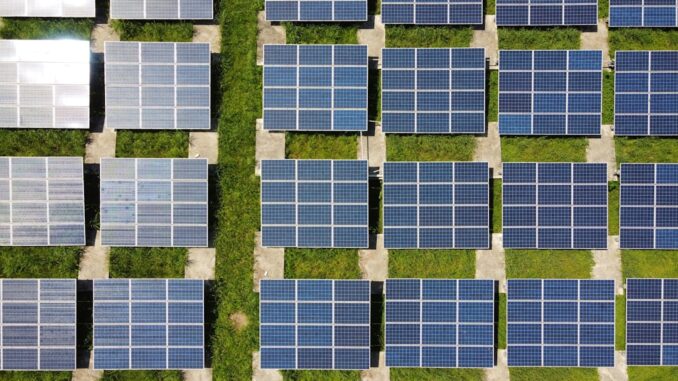
Solar Photovoltaic (PV) Systems are probably the most recognizable and widely adopted renewable solution. Rooftop solar arrays are becoming commonplace, turning previously unused roof space into powerful energy generators. But it doesn’t stop there. We’re seeing building-integrated photovoltaics (BIPVs) where solar cells are seamlessly integrated into building facades, windows, and even shading elements, blending aesthetics with function. For multi-tenant buildings or those with limited roof space, community solar programs offer an indirect way to support renewable energy and claim the benefits without on-site installation.
While less common for individual urban buildings, small-scale wind turbines can be viable in certain locations with consistent wind resources, sometimes even integrated into building design itself. Geothermal energy systems are another fantastic option, utilizing the earth’s stable subsurface temperature for highly efficient heating and cooling, drastically cutting down on HVAC energy demands. And for those with access to sustainable sources, biomass systems can provide heat or electricity, albeit with more complex logistical considerations.
Integrating these renewable sources isn’t just about the technology; it’s about strategy. Considerations include:
- Grid-tied vs. Off-grid: Most commercial systems are grid-tied, meaning they can draw power from the grid when needed and feed excess power back, often earning credits. For enhanced resilience, integrating battery storage solutions can store surplus renewable energy for use during peak demand or grid outages, effectively creating a microgrid within your building or campus.
- Incentives: Governments and utilities worldwide offer a smorgasbord of incentives – tax credits, rebates, grants, and feed-in tariffs – to encourage renewable energy adoption. Navigating these can be complex, but they often make the financial case for renewables exceptionally compelling.
Many buildings are now striving to meet rigorous green building standards like LEED (Leadership in Energy and Environmental Design), BREEAM, or even Passive House certification. These frameworks emphasize sustainability across various categories, including energy use, materials selection, water efficiency, and indoor environmental quality. Achieving these certifications not only signals a commitment to environmental stewardship but can also enhance property value, attract eco-conscious tenants, and even reduce insurance premiums.
I recall a local brewery that decided to go all-in on solar, installing a massive array on their roof. Not only did their energy bills plummet, but the positive PR was immense. Customers loved the story, and it truly cemented their brand as a leader in sustainable practices. It proved that going green can be incredibly good for business, not just the planet.
6. Enhancing Building Maintenance Practices: The Unsung Hero of Efficiency
Let’s be honest, maintenance often feels like a necessary evil, doesn’t it? But when it comes to energy efficiency, proactive and robust building maintenance isn’t just important; it’s absolutely key to sustaining long-term performance. It’s the unsung hero, ensuring that all those shiny new energy-efficient systems actually remain efficient. You can invest in the best equipment in the world, but if you don’t look after it, its performance will quickly degrade, and so will your savings.
Think about the difference between preventive maintenance and reactive maintenance. Reactive is waiting for something to break, then fixing it – an expensive, inefficient, and often stressful approach. Preventive maintenance, on the other hand, is all about regular servicing, inspections, and adjustments to prevent failures and keep systems running optimally. This isn’t just about avoiding costly emergency repairs; it’s about consistently maintaining energy performance and extending the lifespan of your valuable assets.
Consider your HVAC system, for example. Regularly changing air filters is such a basic task, but dirty filters restrict airflow, making your system work harder and consume more energy. Similarly, cleaning coils, checking refrigerant levels, lubricating moving parts, and calibrating thermostats and sensors are all critical. A slightly out-of-calibration sensor can mean your building is being over-heated or over-cooled, quietly wasting energy every single day.
But it’s not just HVAC. We’re talking about inspecting your building’s envelope for new cracks or signs of wear in insulation or weatherstripping. We’re talking about checking for plumbing leaks – not just for water waste, but for potential moisture issues that can compromise insulation. Even things like ensuring exterior lights are clean can maintain their lumen output without needing to increase wattage.
Modern maintenance practices are also being supercharged by technology. Computerized Maintenance Management Systems (CMMS) help schedule tasks, track asset history, and manage spare parts inventory efficiently. Even better, remember those IoT sensors we talked about earlier? They’re fantastic for predictive maintenance. Instead of fixed schedules, sensors can monitor equipment performance in real-time – vibration, temperature, current draw – and flag anomalies that indicate a potential failure before it happens. This allows you to address issues during planned downtime, avoiding costly, energy-wasting breakdowns.
By adopting a truly proactive maintenance approach, building owners can identify and address minor issues before they snowball into significant energy waste or equipment failure. It ensures long-term efficiency, sustained cost savings, and happier occupants because systems are running smoothly. I always tell people, a well-maintained building is a happy building, and a happy building is an efficient building. There’s a tangible peace of mind that comes with knowing your systems are humming along as they should be, silently saving you money and carbon.
7. Integrating Artificial Intelligence (AI) for Energy Management: Your Building’s Digital Oracle
Artificial Intelligence, often perceived as a futuristic concept, is now firmly established as an incredibly powerful tool for boosting building energy efficiency. It’s not just about automating tasks; it’s about cognitive optimization. AI-powered systems can ingest and analyze truly vast amounts of disparate data – far more than any human could process – to predict optimal energy use, anticipate equipment failures, and dynamically adjust building systems in real-time with an unprecedented level of precision. It’s like having a hyper-intelligent energy consultant working 24/7, constantly learning and refining your building’s operations.
So, how does AI achieve this magic? At its core, AI uses machine learning (ML) and deep learning algorithms to identify complex patterns and correlations within data that are often invisible to traditional analysis. This data comes from a multitude of sources:
- IoT Sensors: Occupancy, temperature, humidity, CO2 levels, light levels.
- Building Management Systems (BMS): Equipment run times, setpoints, operational modes.
- External Data: Real-time weather forecasts, historical weather data, energy prices, grid demand signals.
- Tenant Data: Anonymized occupancy schedules, feedback on comfort levels.
With this ocean of data, AI performs several critical functions:
- Predictive Optimization: AI can forecast future energy demand based on predicted occupancy, weather, and historical patterns. It then proactively adjusts HVAC, lighting, and other systems to meet that demand with the absolute minimum energy input. Instead of reacting to a temperature change, it anticipates it.
- Fault Detection and Diagnostics (FDD): This is a huge one. AI systems can continuously monitor equipment performance data for anomalies that indicate potential faults or inefficiencies – a motor drawing too much current, a sensor providing erratic readings, a chiller operating outside its efficiency curve. It can pinpoint the exact issue and often suggest corrective actions, preventing costly breakdowns and maintaining peak efficiency that might otherwise degrade unnoticed.
- Anomaly Detection: Beyond specific faults, AI can identify unusual energy consumption patterns that don’t align with expected behavior, flagging potential waste or problems that might stem from human error, equipment malfunction, or even a programming glitch.
- Personalized Comfort: Some advanced AI systems are even capable of learning individual tenant preferences, dynamically adjusting environmental conditions in specific zones to optimize comfort while still minimizing energy use across the entire building.
The impact is staggering. Studies have consistently shown that AI integration in HVAC systems alone can reduce energy consumption and associated carbon emissions by a significant 8-19% (time.com). Remember that Manhattan building I mentioned earlier? Their HVAC savings were largely due to this kind of AI predictive intelligence. It’s truly a promising avenue for achieving not just significant energy savings but unparalleled operational efficiency and a more responsive, comfortable building environment. AI moves us from merely automating to genuinely optimizing.
8. Implementing Smart Controls and Automation: The Central Nervous System
While AI provides the intelligence, smart controls and automation form the central nervous system that executes its commands and ensures all building systems work in concert. These are the tools that enable automated monitoring and granular control of building systems, allowing for far more efficient and dynamic energy management than manual operation ever could. We’re talking about Building Management Systems (BMS) or Building Automation Systems (BAS) that act as the orchestral conductor for your building’s symphony of operations.
At its core, a robust BMS integrates diverse building systems – HVAC, lighting, security, access control, fire safety, and sometimes even vertical transportation – into a single, unified platform. This means you’re not managing disparate systems with individual controls; you’re orchestrating them from a central hub, often accessible remotely via a sleek, intuitive dashboard. The components typically include:
- Sensors: Gathering real-time data on everything from temperature and humidity to occupancy and light levels.
- Actuators: Devices that execute commands, like opening/closing dampers, adjusting fan speeds, or dimming lights.
- Programmable Logic Controllers (PLCs): The brains that receive sensor data and send commands to actuators based on programmed logic.
- Central User Interface: The dashboard or software platform where operators can monitor, manage, and schedule systems.
With these sophisticated controls, a plethora of energy-saving strategies become possible:
- Occupancy-Based Control: Using motion sensors, rooms or zones are only conditioned or lit when occupied. Why cool an empty office at 3 PM on a Friday?
- Daylight Harvesting: Light sensors monitor natural light levels, automatically dimming or turning off artificial lights near windows when sufficient daylight is available, saving significant electricity.
- Scheduled Setbacks: Automatically adjusting temperature setpoints during unoccupied hours (nights, weekends, holidays) to save heating and cooling energy, then bringing them back to comfort levels before occupants arrive.
- Demand-Controlled Ventilation (DCV): CO2 sensors monitor indoor air quality. Instead of constantly ventilating at maximum capacity, DCV systems increase or decrease fresh air intake based on actual occupancy, saving fan energy and conditioning load.
- Load Shedding: During peak energy price periods, the BMS can temporarily reduce non-critical loads (e.g., slightly raising temperature setpoints or dimming non-essential lighting) to avoid expensive demand charges, without significantly impacting comfort.
The benefits here are multifold. You gain centralized control, vastly improved operational visibility, and the ability to respond instantly to changing conditions or implement complex energy-saving schedules. Plus, the detailed reporting capabilities allow you to track performance, identify trends, and continuously refine your strategies. This isn’t just about ‘smart building tech’ in a broad sense; it’s about the sophisticated, interconnected control layer and the underlying automation logic that makes true energy optimization possible. It’s about taking your building from reactive to proactive, from isolated systems to a harmonious, efficient whole.
9. Upgrading to Net-Zero Energy Buildings (NZEBs): The Ultimate Goal
Here’s where the rubber truly meets the road in our quest for ultimate energy efficiency: the Net-Zero Energy Building (NZEB). This isn’t just a trend; it’s rapidly becoming the gold standard, the North Star for sustainable construction and deep retrofits. An NZEB is, quite simply, a building designed and operated to produce as much energy as it consumes over the course of a year. It’s a bold vision, but honestly, it’s becoming less of a ‘vision’ and more of a ‘present reality’.
Achieving net-zero status isn’t a single silver bullet; it involves a meticulous, multi-pronged approach combining radical energy-efficient design, robust on-site (or sometimes off-site through community projects) renewable energy generation, and advanced smart energy management systems working in perfect harmony. It’s a journey that prioritizes reducing demand first, before adding generation.
The steps to net-zero are typically sequential:
- Passive Design First: This means orienting the building to maximize natural daylight and minimize unwanted solar heat gain. Utilizing natural ventilation strategies, optimal window-to-wall ratios, and thermal mass to regulate indoor temperatures naturally. Getting the fundamentals right reduces the burden on active systems.
- Radical Energy Efficiency: This involves super-insulating the building envelope to a much higher standard than code requires, achieving exceptional airtightness (as discussed earlier), installing ultra-efficient windows, and deploying the most energy-efficient HVAC, lighting, and appliance technologies available. Every watt saved is a watt that doesn’t need to be generated.
- On-site Renewable Energy Generation: Once the energy demand is minimized, the remaining load is offset by renewable energy systems, predominantly solar PV. This might involve extensive rooftop arrays, façade-integrated solar, or sometimes ground-mounted systems if space allows.
- Smart Energy Management: Advanced BMS, AI-driven optimization, and often battery storage are crucial to manage energy flow, maximize self-consumption of generated power, and interact intelligently with the grid.
The global drive for carbon neutrality is intensifying, with many nations and cities setting ambitious climate targets. As a result, NZEBs are rapidly moving from a niche concept to a standard expectation in both new residential and commercial construction. In fact, many predict that by 2025, these buildings won’t just be ‘nice-to-haves’ but will be expected, possibly even mandated in some regions (images.buildpass.co.uk). This trend is also extending to deep retrofits of existing buildings, with iconic examples like the Empire State Building’s multi-year ‘green retrofit’ showcasing what’s possible, even if not fully net-zero, they’ve slashed their energy consumption by tens of millions of dollars annually (time.com). It’s a testament to the fact that even venerable old structures can embrace a low-carbon future.
For building owners, aiming for NZEB status isn’t just about environmental responsibility; it’s a powerful market differentiator. NZEBs typically command higher occupancy rates, attract premium tenants, and often qualify for various green financing options and incentives. They offer significantly lower operating costs, greater energy independence, and enhanced resilience against fluctuating energy prices. It’s the ultimate expression of sustainable value creation.
10. Incorporating Nature-Based Solutions (Biophilic Design): Blending Green with Smart
Beyond the high-tech wizardry and advanced engineering, there’s a growing recognition of the profound impact nature can have on a building’s energy profile and, crucially, on its occupants’ well-being. Incorporating nature-based solutions, often referred to as biophilic design, isn’t just about aesthetics; it’s a shrewd strategy to boost energy efficiency and create healthier, more desirable spaces. Who wouldn’t want to work in a building that feels like a natural oasis, rather than a sterile box?
Let’s look at some key features:
- Green Roofs: These aren’t just pretty gardens on top of your building. Green roofs provide exceptional natural insulation, significantly reducing heat transfer through the roof. In summer, they help cool the building by providing shade and through evapotranspiration. In winter, they add an extra layer of thermal resistance. Beyond energy, they manage stormwater runoff, reduce the urban heat island effect, and even provide valuable urban biodiversity habitats. It’s a win-win-win.
- Living Walls (Vertical Gardens): Whether indoors or outdoors, living walls act as natural insulation, especially when integrated into exterior facades. They can also provide evaporative cooling on hot days, reduce noise pollution, and contribute to air purification, enhancing indoor air quality by filtering pollutants. Visually, they’re stunning, instantly transforming a mundane wall into a vibrant feature.
- Strategic Landscaping: Thoughtful planting around a building can dramatically influence its microclimate. Deciduous trees strategically placed on the south and west sides can provide natural shading in summer, blocking intense solar gain, and then shed their leaves in winter to allow sunlight through for passive heating. Evergreen shrubs and trees can act as windbreaks, reducing heat loss in colder months.
- Natural Ventilation: Designing buildings to maximize natural airflow and cross-ventilation, often facilitated by operable windows and strategic architectural openings, can significantly reduce the need for mechanical cooling during milder weather. This relies on understanding prevailing winds and stack effect principles.
- Indoor Gardens and Water Features: While perhaps more for occupant well-being, indoor planting and small water features can contribute to humidity regulation, which in turn influences perceived comfort and can subtly reduce heating/cooling loads. More importantly, they foster a connection to nature, which research consistently shows reduces stress and boosts productivity.
By carefully incorporating these nature-based solutions, buildings can achieve better thermal performance, reduce their reliance on mechanical systems, and contribute positively to both the environment and the people within them. This aligns perfectly with broader sustainability goals and enhances the building’s overall energy profile in a way that feels inherently human and appealing. It’s a holistic approach, recognizing that our built environment is part of a larger ecosystem, not separate from it.
11. Financing and Incentives: Making the Green Investment Work for You
All this talk of advanced tech and deep retrofits sounds great, doesn’t it? But then the question inevitably arises: ‘How do we pay for all of this?’ The good news is that the financial landscape for energy efficiency and sustainable building upgrades is evolving just as rapidly as the technologies themselves. Gone are the days when ‘going green’ was solely a philanthropic endeavor. Now, there are robust financial mechanisms and incentives designed to make these investments not just viable, but genuinely attractive, delivering strong returns.
Navigating this can feel like a maze, but understanding the options is crucial:
-
Government Programs and Grants: Federal, state, and local governments often offer grants, tax credits, and rebates for energy-efficient upgrades, renewable energy installations, and green building certifications. These can significantly offset upfront costs. For instance, many countries have specific programs for commercial building energy efficiency retrofits or solar PV installations. Keep a keen eye on legislative changes; these programs can fluctuate.
-
Utility Rebates: Many utility companies offer their own incentive programs to encourage energy reduction, as it helps them manage demand and avoid building new power plants. These rebates can apply to everything from LED lighting upgrades to high-efficiency HVAC systems. Always check with your local provider before undertaking a project.
-
PACE (Property Assessed Clean Energy) Financing: This is a fantastic mechanism, particularly for commercial properties. PACE allows property owners to finance energy efficiency, renewable energy, and water conservation projects through a voluntary assessment on their property tax bill. The repayment obligation stays with the property, not the owner, making it a powerful tool for long-term investments, and crucially, it’s often off-balance sheet and can be transferred upon sale.
-
Green Bonds and ESG Investing: For larger organizations, issuing ‘green bonds’ can attract investors specifically looking to fund environmentally beneficial projects. The rise of ESG (Environmental, Social, Governance) investing means that companies demonstrating strong sustainability performance can often access capital at more favorable rates, as investors increasingly value responsible practices.
-
Energy Service Agreements (ESAs) / Energy Performance Contracts (EPCs): With an ESA or EPC, a third-party energy service company (ESCO) designs, installs, and often maintains the energy-saving equipment. The ESCO’s payment is directly tied to the energy savings achieved, often guaranteeing a certain level of savings. This essentially eliminates upfront capital expenditure for the building owner and shifts performance risk to the ESCO. It’s a ‘pay-for-performance’ model that’s gaining serious traction.
When building a business case for these investments, it’s essential to go beyond simple payback periods. Factor in the Internal Rate of Return (IRR), Net Present Value (NPV), and consider the wider benefits: reduced operational risk, enhanced occupant comfort and productivity, improved asset value, compliance with future regulations, and the positive brand image. These aren’t just costs; they’re strategic investments that yield both financial and non-financial returns. You’ll find that for many projects, especially those leveraging today’s incentives, the ROI is surprisingly compelling.
12. Occupant Engagement and Behavioral Change: The Human Factor
Here’s a truth bomb: no matter how smart your building technology is, no matter how efficient your systems, the human element can still significantly influence, and sometimes undermine, your energy efficiency goals. Occupant behavior is a critical, often underestimated, factor. We’re talking about everything from leaving lights on in empty rooms to fiddling with thermostat settings out of frustration or habit. So, to truly maximize energy savings, you’ve got to bring your occupants along for the ride.
This isn’t about shaming or lecturing; it’s about education, empowerment, and making the ‘right’ choice the easy choice.
-
Clear Communication and Education: Many people simply aren’t aware of the impact their daily actions have on a building’s energy consumption. Use internal communications (digital signage, newsletters, intranet posts) to explain the building’s energy goals, showcase energy-saving initiatives, and provide clear, actionable tips. Highlight success stories and the collective impact of individual actions. Make it relevant to them – link energy savings to better indoor air quality or a more comfortable environment.
-
Transparency Through Dashboards: Implement real-time energy dashboards in common areas, showing current energy consumption, renewable energy generation, and even comparisons to historical data or other buildings. Visualizing energy use can be incredibly motivating. When people see their collective impact, it fosters a sense of shared responsibility. ‘Look, our floor alone saved X kWh this week!’ is a powerful message.
-
Comfort Settings and Control: Provide clear guidelines for thermostat settings. More importantly, where feasible, give occupants localized, intuitive control over their immediate environment, but within reasonable energy-efficient parameters. When people feel they have some control, they’re less likely to override central systems in extreme ways. Small, localized controls can prevent large, systemic inefficiencies.
-
Gamification and Challenges: Introduce friendly competitions between floors or departments to see who can reduce energy consumption the most. Offer small incentives or recognition. A bit of healthy competition can go a long way in driving behavioral change.
-
Feedback Mechanisms: Create channels for occupants to provide feedback on comfort levels, lighting issues, or suggestions for improvement. This not only gathers valuable data but also makes people feel heard and engaged in the building’s operation.
Ultimately, a truly energy-efficient building is a partnership between its technology, its management, and its occupants. By actively engaging people, providing them with information, and making it easy for them to contribute, you can unlock an additional layer of energy savings that even the smartest tech can’t achieve on its own. It’s about cultivating a culture of sustainability, one light switch and thermostat adjustment at a time. This is where the magic truly happens, where technology meets human intent.
Conclusion: Your Roadmap to an Energy-Efficient Future
As we look toward 2025, it’s abundantly clear that the future of building management is inextricably linked to energy efficiency. This isn’t just about fleeting trends; these are fundamental shifts driven by economic imperatives, environmental responsibilities, and a growing understanding of how buildings impact our lives and our planet. From the intelligent neural networks of smart technologies to the protective skin of advanced insulation, and from the disciplined routine of energy audits to the radical ambition of net-zero designs, the roadmap to a more sustainable and profitable built environment is already laid out.
It can feel like a lot, I know. A whole universe of tech, materials, and strategies. But the beauty of this journey is that you don’t have to tackle it all at once. Start with a comprehensive energy audit – that’s your diagnostic. Prioritize the most impactful and cost-effective upgrades first, building momentum. Integrate smart controls where they can deliver immediate, measurable results. And never, ever underestimate the power of proactive maintenance and engaged occupants.
By embracing these actionable strategies, building owners and managers aren’t just reacting to regulatory pressures or rising costs; you’re proactively shaping the future. You’re enhancing your asset’s value, reducing operational expenditures, minimizing your carbon footprint, and creating healthier, more comfortable spaces for everyone who walks through your doors. This isn’t just about being ‘green’; it’s about being smart, resilient, and ready for whatever 2025 and beyond throws our way. The time to act, to innovate, and to invest in energy efficiency is most definitely now.
References
- time.com – AI Buildings Energy Efficiency
- images.buildpass.co.uk – Energy Efficiency Trends in Construction Whats New for 2025
- bdc.ca – How to Aim for Net-Zero Energy Efficiency
- blog.constellation.com – How to Improve Building Energy Efficiency
- ny-engineers.com – 5 Energy Efficiency Measures to Consider When Repurposing a Building
- robinwaite.com – Building Energy Efficiency Top Tips Strategies
- indecca.com – Top Green Building Trends of 2025
- time.com – Empire State Building Green Retrofit
- safetyculture.com – Energy Efficiency in Construction
- csemag.com – 10 Steps to More Energy Efficient Buildings
- futuramo.com – 7 Strategies for Improving Energy Efficiency in Your Building
- suncoastpower.com – How to Improve Energy Efficiency
- theconstructor.org – Maximizing Energy Efficiency in Commercial Buildings Tips and Tricks
- buildings.com – 6 Steps to Creating and Increasing Building Efficiency
- pecnw.com – 5 Ways to Improve Energy Efficiency in Existing Buildings
- lemonde.fr – China Built the Industrial Spine of the Global Energy Transition by Leveraging Its Huge Domestic Market
Be the first to comment