

Navigating the UK Planning Permission Maze: A Comprehensive Step-by-Step Guide for Visionary Developers
Embarking on a building project in the UK? That’s exciting! Whether you’re dreaming of a sleek contemporary extension, a major housing development, or even just a garden office, securing planning permission is often the absolutely crucial first step, it’s your golden ticket to getting spades in the ground, you see. While the planning process can certainly feel like a bit of a labyrinth, a complex dance through rules and regulations, breaking it down into manageable, digestible stages can really simplify your journey. It’s all about understanding the system, knowing what to expect, and playing your cards right. Let’s unpick this together, shall we?
1. Do You Even Need Planning Permission? Decoding Permitted Development Rights
Not every alteration or addition requires a full-blown planning application, and honestly, that’s often the first point of confusion for many. Some minor changes, perhaps a small extension or an outbuilding, might fall under what’s known as ‘permitted development’ (PD) rights. These are national grants of planning permission, meaning you can often proceed without making a formal application to your local planning authority (LPA). Sounds simple, right? Well, not quite.
Focus360 Energy: property compliance services – pre-planning to post-construction. Learn more.
The Nuances of Permitted Development
PD rights, while incredibly useful, come with a whole raft of strict criteria, limitations, and conditions. They aren’t a blank cheque. For instance, you might be planning a single-storey rear extension on a detached house. Under PD, you could potentially extend up to 8 metres from the original rear wall, but only after applying for ‘Prior Approval’ from the LPA. If you’re in a semi-detached or terraced home, that limit typically drops to 6 metres. And this is just one example, the devil, as they say, is very much in the detail.
Many common householder projects are covered, things like roof extensions, dormer windows, even converting a garage. However, the exact allowances depend on your property type, its size, the proportion of your garden you’re covering, and crucially, your location.
Where Permitted Development Rights Get Tricky
Your PD rights are significantly curtailed, or even removed entirely, in certain special areas. Think about places like:
- Conservation Areas: Designed to protect areas of special architectural or historic interest, these often have much tighter restrictions on external alterations.
- Areas of Outstanding Natural Beauty (AONBs) and National Parks: Preserving their unique landscapes is paramount, so new development is scrutinised very closely.
- Listed Buildings: Forget PD; any alteration to a listed building, inside or out, almost certainly needs ‘Listed Building Consent’ – a whole different ball game.
- Article 4 Directions: This is a lesser-known but vital point. Your local council can issue an ‘Article 4 Direction’ that removes specific permitted development rights for a particular area or type of development. This is usually done to protect local character, maybe in a historic town centre or a unique suburban street. Always check your specific property and location with your LPA.
How to Confirm Your PD Status
So, how do you know if your dream project genuinely falls within PD rights? You’ve got a few options:
- Check the Planning Portal: The Planning Portal website is a fantastic resource, offering detailed guidance and interactive guides for common projects. It’s a great starting point for understanding the general rules.
- Consult Your Local Planning Authority (LPA): The LPA’s website will often have local guidance, and they can provide formal confirmation through a ‘Lawful Development Certificate’ (LDC). This isn’t planning permission itself, but a legal document stating that your proposed works don’t require it. It’s often highly recommended, especially if you plan to sell the property later, as it provides absolute certainty.
- Engage a Professional: An architect or planning consultant will have a deep understanding of PD rights and local nuances. They can quickly assess your project’s eligibility, which might just save you a huge headache down the line.
Building without permission, or misunderstanding your PD rights, can lead to enforcement action, including demands to demolish or alter the work, which nobody wants. It’s far better to be safe than sorry, and certainly more cost-effective.
2. Engaging in Pre-Application Discussions: Your Secret Weapon
Before you dive headfirst into submitting a formal application, I can’t stress enough the value of seeking pre-application advice from your local planning authority. Think of it as a low-stakes dress rehearsal for your main performance, a chance to get some informal feedback. It’s an often-overlooked, yet incredibly powerful, step that can genuinely make or break your project.
What Does Pre-App Advice Entail?
This informal service, which typically comes with a fee, allows you to present your initial ideas and sketches to a planning officer. They’ll review your proposal against local planning policies, the national planning policy framework (NPPF), and any other relevant considerations. They’ll tell you, informally, where they think your proposal stands a good chance of approval, and crucially, where it might fall short. They might highlight potential issues regarding design, impact on neighbours, highways concerns, or environmental considerations.
The Pros of a Pre-Application Approach
There are numerous benefits to this strategic move:
- Early Problem Identification: Imagine spending thousands on detailed architectural drawings only to find out the council has a fundamental policy objection to your entire concept. A pre-app discussion can flag these show-stopping issues early, allowing you to tweak or reconsider before significant investment.
- Alignment with Local Policy: Councils have specific local plans and supplementary planning documents. A pre-app helps you understand how your project fits, or doesn’t fit, into this complex tapestry of local aspirations and regulations. It’s about shaping your plans to maximise their chances.
- Building a Relationship: It creates an opportunity to open a dialogue with the planning officer who might eventually handle your formal application. A constructive relationship, built on early engagement, can be invaluable.
- Saving Time and Money (Potentially): While there’s a fee, it can be a significant saving compared to submitting a full application, having it refused, and then having to revise and resubmit (and pay the fee again!). I once had a client who was set on building three separate houses on a plot; a pre-app meeting quickly revealed that local policy would only ever allow two. That early conversation saved them tens of thousands in design fees for a scheme that was destined to fail.
The Cons and Limitations
That said, it’s not a silver bullet. Pre-application advice is generally informal and isn’t legally binding. The planning officer providing the advice might not be the same one who decides your formal application, and circumstances or policies can change. While beneficial, remember that pre-application advice doesn’t guarantee approval.
Making the Most of Your Pre-App
To maximise the value, prepare thoroughly. Provide clear, concise information: existing site photos, basic concept sketches, a brief description of your proposal, and crucially, highlight any specific planning questions you want answered. Be open to feedback, even if it’s not what you wanted to hear initially. It’s all about information gathering and strategic planning.
3. Preparing Your Application Thoroughly: The Devil’s in the Detail
Once you’re confident in your project’s direction, thanks to those initial assessments and perhaps a productive pre-app chat, the next critical stage is compiling your actual planning application. This isn’t just about filling out a form; it’s about presenting a comprehensive, persuasive, and utterly professional case for your proposal. A meticulously prepared application dramatically increases your chances of success and, just as importantly, helps avoid frustrating delays.
What to Include in Your Planning Submission
The required documents can vary depending on the scale and nature of your project, but here’s a detailed rundown of what you’ll typically need:
- Application Forms: These are usually completed online via the Planning Portal. There are different forms for different types of applications (e.g., ‘Householder Application’ for extensions, ‘Full Planning Application’ for new builds, ‘Outline Application’ for establishing general principles).
- Ownership Certificates (A, B, C, D): You must certify who owns the land.
Certificate A: You own all the land.Certificate B: You own some, but not all, and have informed all other owners.Certificate C: You don’t know all the owners but have made reasonable efforts to find them.Certificate D: You’ve been unable to identify any owners.
- Site Location Plan: A map showing the application site and its surrounding area (usually at a 1:1250 or 1:2500 scale), clearly outlining the site boundaries with a red line and any other land you own nearby with a blue line.
- Existing and Proposed Site Plans: Detailed drawings (often 1:100 or 1:200) showing the current layout of the site, including all buildings, boundaries, access points, and hardstanding, alongside similar plans showing your proposed development. These must be accurately scaled and dimensioned.
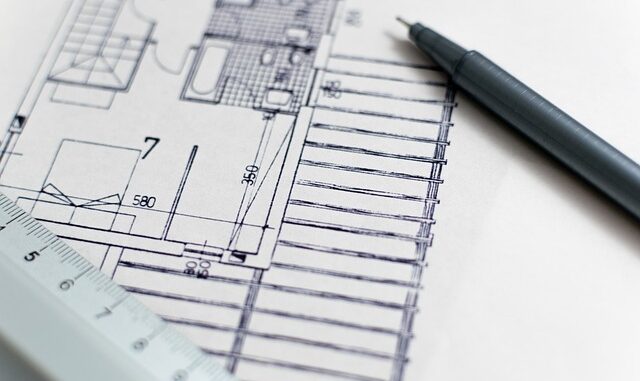
- Existing and Proposed Elevations and Floor Plans: These scaled drawings illustrate the appearance of your existing property and how it will look after the proposed changes. You’ll need elevations for all sides that are affected, and floor plans for each storey. They should clearly show all new windows, doors, materials, and heights.
- Design and Access Statement (DAS): Required for most major applications, and sometimes for smaller ones in sensitive areas. This is a written document explaining the design principles and concepts behind your proposal, how it responds to the site and its context, and how access will be provided for all users. It’s your narrative, your story of why your design is appropriate.
- Heritage Statement (if applicable): If your project impacts a listed building or a conservation area, this document assesses the historic significance and how your proposal affects it. It’s about demonstrating sensitivity and understanding.
- Arboricultural Report (if applicable): If there are significant trees on or near your site, especially those protected by Tree Preservation Orders (TPOs), you’ll need a report from an arborist detailing their health, impact of development, and protection measures.
- Ecological Surveys (if applicable): If there’s potential for protected species (e.g., bats, newts) or habitats on your site, an ecological survey might be necessary to identify them and propose mitigation strategies.
- Flood Risk Assessment (FRA): Essential if your site is in an area identified as being at risk of flooding.
- Contamination Report (if applicable): For sites with a history of industrial use, a report might be needed to assess potential land contamination.
- Photographs and other visual materials: While not always strictly required, good quality photos and visualisations (e.g., 3D renders) can be incredibly helpful in conveying your proposal’s impact and quality.
Tips for a Compelling Application
- Clarity and Accuracy: Ensure all drawings are to scale, accurately dimensioned, and clearly labelled. Inconsistencies are a red flag for planning officers.
- Quality over Quantity: While detail is good, ensure every document serves a purpose. Avoid irrelevant clutter.
- Address Concerns Proactively: If you know there might be concerns (e.g., overshadowing a neighbour), try to explain how your design mitigates this in your DAS or accompanying letter. Be transparent.
- Use the Planning Portal: Almost all applications in England are now submitted online through the Planning Portal. It streamlines the process, ensures you upload the correct documents, and calculates fees.
Incomplete applications are a huge source of frustration for LPAs and will inevitably lead to delays. The clock on their decision-making period won’t even start ticking until your application is ‘validated’, meaning all the necessary documents are present and correct, and the fee has been paid.
4. Understanding the Decision-Making Process: What Happens After Submission?
You’ve hit ‘submit’ on your planning application, perhaps with a sigh of relief, or maybe a tiny nervous flutter. Now what? The waiting game begins, but it’s not a passive wait. Understanding the machinery of the decision-making process can empower you to anticipate next steps, and respond effectively if needed. It’s an intricate process, with many moving parts.
The Application Journey: From Validation to Decision
- Validation: First, the LPA will check your application for completeness. Have you included all the required documents and paid the correct fee? If anything is missing or incorrect, they’ll write to you asking for more information. The statutory clock for a decision won’t start until your application is deemed ‘valid’. This can sometimes take a week or two, so patience is key.
- Publicity and Consultation: Once validated, your application becomes public. The LPA will often display site notices, publish details on their website, and notify immediate neighbours by letter. This is where members of the public, typically your neighbours, can submit comments or objections. They’ll also consult with ‘statutory consultees’ – organisations like Highways England, the Environment Agency, Historic England, or local conservation officers – if the project affects their areas of expertise.
- Case Officer Assessment: A planning officer will be assigned to your case. They’ll review all submitted documents, visit the site (if necessary), consider all public comments and consultee responses, and assess your proposal against the local development plan, the NPPF, and other ‘material considerations’. These material considerations can include things like precedent, visual impact, noise, traffic generation, and impact on local services. They won’t consider non-material considerations like property value, loss of a private view, or personal disputes with neighbours.
- Negotiation (Sometimes): If minor issues arise, the planning officer might contact you or your agent to suggest small revisions to make the scheme more acceptable. Being open to these reasonable tweaks can often smooth the path to approval.
- Decision Stage: The LPA has a statutory period to make a decision – usually 8 weeks for minor applications (like householder extensions) and 13 weeks for major developments (like large housing schemes). For exceptionally large or complex Environmental Impact Assessment (EIA) developments, it can be 16 weeks.
- Delegated Decisions: Most applications are decided by the planning officer under ‘delegated powers,’ meaning they have the authority to approve or refuse without it going to a committee.
- Planning Committee: More controversial, larger, or policy-sensitive applications, especially those with significant public interest or objections, will be decided by the council’s planning committee. This is a public meeting where councillors vote on the application, usually following a presentation from the planning officer and often allowing public speakers for and against the proposal.
Throughout this process, maintaining a polite, professional dialogue with your planning officer can be incredibly helpful. Remember, they’re trying to apply policy fairly, and clear communication from your side can aid that.
5. Be Prepared for Conditions or Refusals: It’s Not Always a Straight Road
So, the statutory period ticks by, and the decision lands. Fantastic, it’s approved! Or, perhaps, it’s a refusal. Either way, you need to understand the implications and your next steps. The planning journey very rarely concludes with a simple ‘yes’ or ‘no’, there’s usually a bit more to it.
Understanding Planning Conditions
If your application gets the green light, it’s likely to come with a set of planning conditions. These aren’t obstacles; they’re safeguards to ensure the development happens in an acceptable way and mitigates any potential negative impacts. Conditions can cover a wide range of things:
- Pre-Commencement Conditions: These must be discharged (i.e., you must gain the council’s approval) before any work starts on site. Examples include ‘materials to be approved in writing’, ‘details of proposed landscaping to be submitted’, or ‘a construction management plan to be agreed’.
- Pre-Occupation Conditions: These must be met before anyone moves into the building or occupies the new space. For instance, ‘car parking spaces must be provided and available for use prior to occupation’.
- Ongoing Management Conditions: These are stipulations that must be adhered to throughout the life of the development, such as ‘opening hours for a commercial unit’ or ‘no external lighting unless approved’.
- Time Limits: All permissions come with a time limit (typically 3 years from the date of approval) by which the development must be started.
Discharging Conditions: Don’t ignore conditions! You typically need to submit a separate application (and pay a fee) to ‘discharge’ each condition. Failure to do so can result in your planning permission being invalid, leaving you open to enforcement action. This is a common pitfall for new developers, always, always, read your decision notice carefully.
What if Your Application is Refused?
It can feel like a punch to the gut, but a refusal isn’t necessarily the end of the road. There are usually clear reasons given for the refusal, often citing specific planning policies that your proposal conflicts with. Common reasons include:
- Harm to Neighbouring Amenity: Issues like overshadowing, loss of privacy, or overbearing impact on nearby properties.
- Design and Appearance: The proposal might be deemed out of character with the area, or poorly designed.
- Impact on the Environment or Heritage Assets: Negative effects on conservation areas, listed buildings, or protected landscapes/species.
- Highway Safety Concerns: Increased traffic, inadequate parking, or poor access.
- Conflict with Local or National Planning Policy: The proposal simply doesn’t align with the strategic vision for the area.
Your Options After Refusal
You typically have two main paths forward:
- Appeal the Decision: You have the right to appeal to the Planning Inspectorate, an independent body, if you believe the council’s decision was incorrect. This is a formal process, usually handled by written representations, an informal hearing, or a public inquiry. You’ll need to clearly articulate why the LPA’s decision was flawed, addressing their stated reasons for refusal. There are strict time limits for appeals, usually six months for householder applications and minor developments.
- Revise and Resubmit: Often, the most pragmatic approach is to take on board the reasons for refusal, amend your plans to address those concerns, and submit a new application. This can be quicker and less adversarial than an appeal, and if the changes are minor, the LPA might even waive the resubmission fee if it’s within a certain timeframe.
Sometimes, a bit of both is the strategy. You might appeal on one point while resubmitting a revised version to show goodwill and explore an alternative path simultaneously. It all depends on the specific circumstances of the refusal and your project’s flexibility.
6. Considering Professional Assistance: Your A-Team for Success
Let’s be honest, navigating the planning process is often complex, technical, and full of potential pitfalls. While you can certainly go it alone for simpler projects, hiring a planning consultant or an experienced architect isn’t just an expense; it’s an investment that can significantly increase your chances of approval, save you time, and ultimately, save you money in the long run. Think of them as your Sherpas, guiding you through unfamiliar territory.
The Value Professionals Bring to the Table
- Expertise and Knowledge: They live and breathe planning policy. They understand the NPPF, the intricacies of local plans, and how to interpret complex regulations. They know the ‘material considerations’ inside out.
- Strategic Advice: A good planning professional won’t just fill out forms; they’ll offer strategic advice from the outset. They can identify potential issues early, suggest design modifications to avoid problems, and advise on the most effective route to permission (e.g., pre-app first, then full application).
- Negotiation Skills: Planning officers are busy. Professionals know how to communicate effectively with them, presenting a clear, well-reasoned case and negotiating minor issues to keep the application moving forward.
- Preparation of Robust Submissions: They ensure your application is comprehensive, accurately presented, and compelling. They know what supporting documents are truly necessary and how to present them effectively, which is vital for smooth validation and assessment.
- Project Management: For larger projects, they can coordinate the various specialist reports you might need (e.g., ecology, heritage, highways), ensuring everything is submitted on time and to the required standard.
- Mitigation of Risks: By foreseeing potential objections or policy conflicts, they can help you build a case that proactively addresses these concerns, significantly reducing the risk of refusal.
- Navigating Refusals and Appeals: If things don’t go to plan, a professional is invaluable in understanding refusal reasons, advising on whether to appeal or resubmit, and then managing that process effectively.
Who Should Be on Your Team?
- Architects: Essential for design, creating those crucial scaled drawings, and often have a good understanding of planning policy, especially for householder applications.
- Planning Consultants: Their speciality is planning policy and process. They’re excellent for complex applications, appeals, policy interpretation, and strategy.
- Surveyors: For accurate site surveys, which form the base for all other drawings.
- Specialist Consultants: Depending on your project, you might need ecologists, arborists, heritage consultants, transport consultants, or flood risk specialists. Your planning consultant or architect can advise on this and help coordinate.
Choosing the right professionals is paramount. Look for those with local experience, a strong track record, and whom you feel comfortable communicating with. It’s a collaborative effort, and a good team can turn a daunting challenge into a rewarding success.
7. Stay Informed About Local Policies: Know Your Local Rulebook
While the National Planning Policy Framework (NPPF) provides the overarching principles for planning in England, the real power, the nitty-gritty details, lies within your local planning authority’s policies. These are the rules that truly shape development on the ground, and understanding them is non-negotiable for anyone serious about getting a project off the drawing board. You simply can’t ignore them.
The Hierarchy of Planning Policy
Think of it as a layered cake of regulations:
- National Planning Policy Framework (NPPF): This is the foundation. It sets out the government’s planning policies for England and how these should be applied. All local plans must be consistent with the NPPF’s core principles of sustainable development.
- Local Plans: This is the most important document at the local level. Each council develops its own ‘Local Plan’, which sets out a vision and framework for future development in their area. It allocates land for different uses (housing, employment, green spaces), identifies areas for regeneration, and sets specific policies on things like design quality, parking standards, affordable housing, and protection of open spaces. It’s your council’s rulebook, really.
- Neighbourhood Plans: These are even more localised plans, developed by local communities (parish councils or neighbourhood forums). If adopted, they form part of the statutory development plan and carry significant weight in decision-making.
- Supplementary Planning Documents (SPDs): These documents provide more detailed guidance on specific policies within the Local Plan. For instance, a council might have an SPD on ‘Householder Extensions’ or ‘Design Guidance for Conservation Areas’, offering practical advice and visual examples.
Accessing and Interpreting Local Policies
All these documents are publicly available, usually on your local council’s website. They can be dense, yes, but reading the relevant sections for your type of development and location is essential. Don’t just skim, try to understand the ‘spirit’ of the policy, not just the letter. For instance, a policy might encourage ‘high-quality contemporary design’ but also require development to ‘respect local character’. Balancing these can be an art.
Familiarize yourself with specific policies related to:
- Design and Materials: What styles and materials are generally encouraged or discouraged in your area?
- Impact on Amenity: Policies detailing how to minimise overshadowing, loss of light, or privacy for neighbours.
- Parking and Access: How many parking spaces are required for new dwellings, or how access for vehicles and pedestrians should be managed.
- Green Infrastructure: Policies protecting trees, hedgerows, and green spaces.
- Specific Designations: If your property is in a Conservation Area, Green Belt, or near a listed building, there will be very specific policies that apply.
Local plans are dynamic; they undergo review and updates, sometimes quite frequently. Staying informed means checking for the latest adopted versions. A project perfectly acceptable five years ago might face different hurdles today if policies have shifted. This is another area where professional advice becomes invaluable, as consultants are always up to date with the latest policy changes and interpretations.
8. Engage with Your Neighbours: Building Bridges, Not Walls
Planning permission isn’t just a bureaucratic hurdle; it’s also a deeply social one. Your proposed development, no matter how small, will almost certainly impact your neighbours. Proactive engagement with them isn’t merely a polite courtesy; it’s a shrewd strategic move that can literally make the difference between a smooth approval and a drawn-out, contentious battle. It’s all about building goodwill and managing expectations early.
Why Neighbour Engagement Matters So Much
Councils are legally obliged to notify immediate neighbours of planning applications, inviting them to comment. And comments they will give! If your neighbours feel blindsided, ignored, or threatened by your plans, they’re far more likely to object. Strong, well-articulated objections can influence a planning officer’s recommendation or even trigger a committee decision, significantly prolonging the process and adding stress.
On the other hand, if you’ve had open, honest conversations with them from the outset, they’ll feel involved and respected. Even if they still have concerns, they’re more likely to be constructive rather than outright hostile. I remember a client who wanted to build a rather contemporary extension. His neighbours, initially sceptical, actually ended up supporting his application after he patiently explained the design, showed them the drawings, and demonstrated how he’d mitigated any privacy issues. It was a game-changer.
Practical Tips for Effective Engagement
- Start Early: Don’t wait for the council’s letter. Approach your neighbours before you even submit your application. This shows respect and gives them time to digest the information.
- Be Clear and Transparent: Explain exactly what you’re planning. Show them your preliminary drawings (even rough sketches can help). Point out how you’ve considered their property – perhaps a new window won’t directly overlook their garden, or a new wall is set back to minimise impact.
- Listen Actively: Don’t just talk at them; genuinely listen to their concerns. They might raise valid points you hadn’t considered, or they might just need reassurance. Sometimes, a small tweak to your plans can alleviate a major neighbourly worry.
- Address Concerns: If they have a legitimate worry (e.g., potential overshadowing of their garden), explain how your design tries to mitigate it. If you can’t fully mitigate it, be honest about that too.
- Offer Solutions (Where Possible): Could you plant a new screening hedge? Could a window be obscure glazed? Sometimes, a minor compromise can defuse a major objection.
- Understand ‘Material Considerations’: Remind your neighbours (and yourself) what planning officers can actually take into account. Objections about loss of a ‘view’ or property value aren’t usually material planning considerations, whereas overshadowing or loss of light very much are.
Engaging your neighbours isn’t about getting their ‘permission’ for your project. That’s the council’s job. It’s about fostering understanding, reducing anxiety, and ideally, preventing a flurry of objections that can complicate and delay your application. It’s about building community, which, when you think about it, is what planning is often about at its heart.
9. Be Aware of Timeframes and Costs: Budgeting for Success
Embarking on a building project is exciting, but it’s crucial to approach it with a clear-eyed understanding of both the financial outlay and the time commitment involved in securing planning permission. These aren’t just minor details; they can significantly impact your project’s viability and timeline. You’ve got to plan for the journey, not just the destination, you know?
The Cost of Planning: More Than Just the Application Fee
Yes, planning applications come with fees, and these vary based on the type and scale of your development. The Planning Portal provides an up-to-date fee schedule, and you must check this before submitting, as incorrect fees are a common cause for validation delays. Here are some typical fees for England (as of the latest updates, always verify):
- Householder Application (e.g., extensions, conservatories, outbuildings): Currently £234.
- Full Planning Application for one new dwelling: Around £517 per dwelling.
- Outline Planning Application (with some matters reserved): Also around £517 per 0.1 hectare for sites up to 2.5 hectares.
- Listed Building Consent: Free, but often requires significant supporting documentation from specialists.
- Lawful Development Certificate (LDC) (for existing or proposed works): Half the cost of a full planning application, so £117 for householder works, or £258.50 for new dwellings.
- Discharge of Conditions: Each request to discharge conditions typically costs £38 for householder applications and £116 for all other applications.
But the application fee is just the tip of the iceberg. You also need to budget for:
- Professional Fees: This is often the largest cost pre-construction. Think architects for drawings, planning consultants for strategy and application submission, surveyors, arboriculturalists, ecologists, or heritage consultants for specialist reports. These fees can run into thousands, or even tens of thousands, depending on project complexity.
- Community Infrastructure Levy (CIL): Many councils impose CIL on new developments, a charge calculated per square metre of new floor space. This can be substantial and is often paid after permission is granted but before work starts. Some developments are exempt, but it’s vital to check your LPA’s CIL charging schedule.
- Section 106 Agreements (S106): For larger or more complex developments, councils might negotiate a S106 agreement. This is a legally binding agreement between the developer and the LPA, often requiring contributions to local infrastructure, affordable housing, or green spaces. These can also be significant costs.
My advice? Always get detailed quotes from all professionals, and factor in potential CIL/S106 liabilities. An underestimated budget is a recipe for stress.
Understanding the Timeframes: Patience is a Virtue
The statutory decision periods are a good guide, but they’re not always the whole story. While councils aim for:
- 8 weeks for minor applications (e.g., householder).
- 13 weeks for major developments.
- 16 weeks for EIA developments.
…the reality can sometimes be longer. Why? Several reasons:
- Validation Delays: As mentioned, if your application is incomplete, the clock doesn’t start until it’s ‘validated’.
- Requests for Further Information: The planning officer might need more details or clarification during their assessment, pausing the process.
- Consultation Periods: Statutory consultees and neighbours have fixed periods to respond, which can sometimes be extended.
- Planning Committee Schedules: If your application goes to committee, it has to wait for the next available meeting, which might only be once a month.
- Workload and Backlogs: Sometimes, councils simply have high volumes of applications or staff shortages, leading to slower processing times.
- Negotiations: If there are issues that require design tweaks or discussions with the officer, this can add time, even if it ultimately leads to a better outcome.
What does this mean for you? Build contingency into your project timeline. If you’re hoping to start building in 6 months, don’t submit your planning application 8 weeks before that. Factor in potential delays, appeal periods, or resubmission times. A realistic timeframe for even a modest householder application, from initial idea to decision, could easily be 4-6 months, sometimes more if it’s complex. For new builds, prepare for 6-12 months, or even longer for larger schemes.
By following these expanded steps, staying proactive, and embracing a little patience, you’ll be much better equipped to navigate the UK planning permission process. You’re not just building structures; you’re building futures, and a solid understanding of this critical stage is your bedrock.
References
- Homebuilding & Renovating: Planning Permission for Extensions
- Homebuilding & Renovating: Pre-Application Advice
- Homebuilding & Renovating: Planning Permission
- GOV.UK: Plain English Guide to the Planning System
- Thomas Studio: How to Get Planning Permission UK
- Britwealth: Decoding UK Planning Permission
Be the first to comment