

Building Tomorrow: Your Guide to Designing Energy-Efficient New Homes
Designing a new home today isn’t just about aesthetics or functionality; it’s profoundly about foresight, about crafting a space that thrives in our rapidly changing world. More than ever, thinking about energy efficiency from the ground up, from those initial blueprint sketches, is absolutely critical. We’re not just aiming for comfort here, are we? We’re aiming for net-zero emissions, for a future where our homes contribute positively, not negatively, to the planet. By really digging into strategies like passive design, leveraging high-performance insulation, and thoughtfully integrating renewable energy, we can dramatically shrink a building’s carbon footprint. It’s a big goal, sure, but it’s entirely achievable, and the benefits ripple out, touching everything from your monthly utility bills to global climate efforts. In this comprehensive guide, we’re going to walk through practical, actionable steps to truly supercharge energy efficiency in new residential constructions. Let’s get started, shall we?
Successful low-energy building design hinges on careful planning. Focus360 Energy can help.
1. Master the Blueprint: Optimizing Building Orientation and Envelope
Think of your home’s orientation and its protective ‘skin’ – the building envelope – as its first line of defense against the elements. These aren’t just architectural details; they’re fundamental to minimizing energy consumption, influencing everything from how much you spend on heating in winter to keeping cool during summer’s sweltering days. Getting this right from the outset can drastically cut reliance on artificial heating and cooling, which, let’s be honest, saves a ton of energy and money over the long haul. You want to position the home, wherever possible, to dance with the sun. This means maximizing natural light and solar heat gain when it’s chilly, and cleverly minimizing unwanted heat gain when the mercury soars.
The Art of Orientation: Sun Paths and Prevailing Winds
It sounds simple, but truly optimizing orientation requires a bit of detective work and a keen understanding of your specific site. Are you in a northern climate where winter sun is a precious commodity, or a scorching southern region desperate for shade? For most temperate climates, an ideal orientation often means placing the longest side of the house along an east-west axis. Why? This allows south-facing windows to capture maximum sun exposure in winter, bathing interiors in warmth and light. Conversely, it minimizes exposure from the intense, low-angle sun on the east and west, which can overheat a home quickly and demand a lot from your AC unit. Imagine waking up to a sun-drenched kitchen in winter, feeling that natural warmth before the heating even kicks in. It’s truly something else.
But it’s not just about the sun; prevailing winds play a significant role too. Strategic window placement can harness cool summer breezes for natural ventilation, flushing out stale, warm air. On the flip side, you’ll want to shield your home from harsh, cold winter winds that can strip away heat. This might involve planting windbreaks like evergreen trees or designing your landscape to funnel or deflect air currents. It’s a nuanced dance with nature, really.
Crafting a Bulletproof Envelope: Insulation, Windows, and Airtightness
Once you’ve got the orientation sorted, it’s time to focus on the building’s ‘skin.’ A well-insulated, tightly sealed building envelope is non-negotiable for maintaining a comfortable indoor environment and, crucially, minimizing energy loss. We’re talking about a continuous barrier that resists heat transfer, preventing your hard-earned conditioned air from escaping and unwanted outdoor air from sneaking in.
-
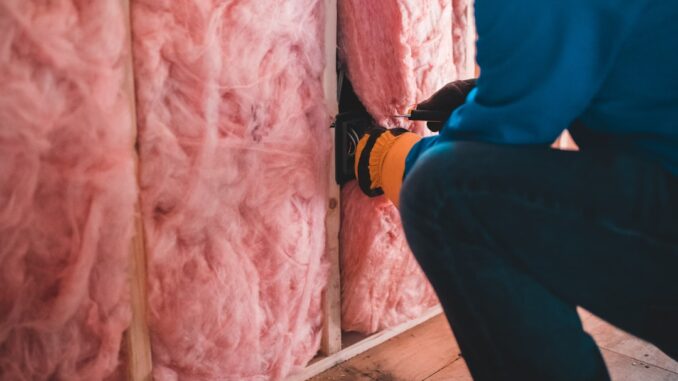
Insulation: This is where you don’t skimp. High-quality insulation materials, like dense-packed cellulose, closed-cell spray foam, or mineral wool, should be generously applied in walls, roofs (especially attics), and floors, including foundations and crawl spaces. We’re not just talking about stuffing batts into cavities; we’re considering continuous insulation on the exterior, thermal breaks, and achieving specific R-values (a measure of thermal resistance) appropriate for your climate zone. A robust insulation strategy means less work for your heating and cooling systems, translating directly to lower energy bills and a more consistent indoor temperature. It’s like wrapping your home in a cozy, high-tech blanket.
-
Windows and Doors: These can be notorious weak points if not chosen carefully. Forget single-pane options; those are practically relics. Opt for double- or, ideally, triple-pane windows with low-emissivity (Low-E) coatings. Low-E glass has microscopic metallic layers that reflect heat, keeping it indoors during winter and outdoors during summer. Look for inert gas fills, like argon or krypton, between the panes; they further reduce heat transfer. And don’t forget the frames! Vinyl, fiberglass, or wood frames often outperform aluminum in terms of thermal performance. Doors too need to be insulated and tightly sealed. I once consulted on a project where simply upgrading old, leaky windows to modern, efficient ones cut the client’s heating bill by almost 20%. It really makes that much difference.
-
Airtightness: This is often overlooked but profoundly important. You can have the best insulation in the world, but if your home is riddled with air leaks, it’s like wearing a winter coat with all the zippers open. Gaps around windows, doors, electrical outlets, plumbing penetrations, and where different building materials meet can allow significant air infiltration, meaning conditioned air escapes and unconditioned air enters. Proper sealing — using caulking, weatherstripping, and expanding foams — is essential. Consider performing a blower door test during construction and upon completion. This diagnostic tool depressurizes the house, revealing exactly where those sneaky air leaks are hiding. Achieving a high level of airtightness ensures your home remains a sealed, comfortable environment, keeping unwanted drafts and moisture out.
2. The Power of Performance: Incorporating High-Performance Insulation and Materials
Beyond simply ‘insulating,’ true energy efficiency embraces high-performance insulation strategies and selects materials for their entire lifecycle impact. This isn’t just about meeting minimum building codes; it’s about exceeding them, creating a truly resilient and efficient structure that actively reduces the need for constant heating and cooling, dramatically slashing your building’s operational energy consumption.
Advanced Insulation Techniques: A Deeper Dive
We’ve touched on some types, but let’s explore this further. There’s a whole spectrum of options, each with its unique advantages:
-
Rigid Foam Boards: Materials like expanded polystyrene (EPS), extruded polystyrene (XPS), and polyisocyanurate (polyiso) offer excellent R-values per inch and are often used as continuous insulation on the exterior of wall sheathing, breaking thermal bridges (points where heat can easily transfer through structural elements like studs). They’re fantastic for foundations and roofs too.
-
Mineral Wool (Rock Wool): This insulation, made from volcanic rock, offers superior fire resistance, sound dampening properties, and retains its insulating value even when wet, unlike some other materials. It’s a robust choice for walls and attics.
-
Structural Insulated Panels (SIPs): Think of SIPs as giant, pre-fabricated sandwiches. They consist of an insulating foam core (often EPS or polyiso) sandwiched between two structural facings, typically oriented strand board (OSB). SIPs can form entire walls, roofs, and floors, offering incredibly high R-values, exceptional airtightness, and faster construction times. This system dramatically reduces thermal bridging found in traditional stick-built framing.
-
Vacuum Insulated Panels (VIPs): For spaces where every inch counts, VIPs offer some of the highest R-values on the market. They’re like super-thin, super-efficient panels, perfect for challenging applications though they come with a higher price tag.
When designing, consider the ‘whole wall’ or ‘whole roof’ R-value, not just the nominal value of the insulation material itself. Thermal bridging through studs, joists, and rafters can significantly reduce overall performance, which is why continuous insulation or SIPs are often preferred for net-zero designs.
Beyond R-Value: Materials with a Conscience
High performance isn’t just about how well a material insulates; it’s also about its embodied energy and carbon footprint. Embodied energy refers to all the energy consumed to produce, transport, install, and eventually dispose of a material. For a truly sustainable build, we need to think beyond operational energy.
-
Low-Embodied Carbon Materials: Look for options like timber products from sustainably managed forests, recycled steel and concrete, straw bales, rammed earth, or even innovative mycelium-based insulation. Choosing materials like these significantly reduces the carbon debt of your home before anyone even moves in. It’s like starting with a clean slate, rather than already having a carbon deficit.
-
Locally Sourced and Recycled Content: Sourcing materials close to your build site reduces transportation energy and supports local economies. Similarly, materials with high recycled content lessen the demand for virgin resources and divert waste from landfills. It’s a win-win, don’t you think?
-
Healthy Interiors: While not strictly energy efficiency, choosing materials that are low in volatile organic compounds (VOCs) ensures better indoor air quality, which is crucial for occupant health and comfort. After all, a healthy home is a truly sustainable home. We’re building for human well-being here, too.
3. Powering the Future: Implementing Renewable Energy Systems
Even with an exceptionally efficient building envelope and smart design, a home will still have some energy demand. This is where renewable energy systems step in, offering a pathway to significantly offset or even entirely eliminate a building’s reliance on grid-supplied power generated from fossil fuels. Integrating these systems isn’t just about being ‘green’; it’s about energy independence, long-term savings, and increasing your property’s value.
Solar Photovoltaic (PV) Systems: Harvesting the Sun’s Power
When most people think of renewable energy for homes, solar panels are usually the first thing that springs to mind, and for good reason. Photovoltaic (PV) systems convert sunlight directly into electricity, a remarkably clean and robust technology.
-
Types of Panels: You’ll typically encounter monocrystalline, polycrystalline, and thin-film panels. Monocrystalline are generally the most efficient (and often the priciest), taking up less roof space for the same power output. Polycrystalline are a solid, cost-effective option, while thin-film is more flexible and lightweight, suitable for certain niche applications. For residential, monocrystalline or polycrystalline are the usual go-to.
-
Grid-Tied vs. Off-Grid: Most residential systems are grid-tied, meaning they remain connected to the utility grid. When your panels produce more electricity than you’re using, the excess can be fed back into the grid (net metering), earning you credits. When your panels aren’t producing (e.g., at night), you draw power from the grid. Off-grid systems, on the other hand, require battery storage to store excess energy for use when the sun isn’t shining. They offer complete energy independence but are more complex and expensive to install.
-
Battery Storage: The cost of home battery storage, like Tesla Powerwall or Enphase Encharge, has decreased dramatically, making it a more viable option for many. Batteries allow you to store surplus solar energy, use it during peak demand hours (when electricity prices are higher), or provide backup power during grid outages. It’s like having your own personal power plant and reserve tank, quite empowering really.
-
Sizing and Integration: Proper sizing is crucial; an experienced solar installer will assess your energy needs, roof space, and sun exposure to design a system that maximizes generation. Panels can be mounted on racks, or for a sleeker look, integrated directly into the roof tiles, blending seamlessly with the home’s aesthetic.
Beyond PV: Solar Thermal and Geothermal Systems
Solar isn’t just about electricity; it’s also excellent for heating.
-
Solar Thermal Systems: These systems use the sun’s energy to heat water or even assist with space heating. Flat-plate collectors or evacuated tube collectors absorb solar radiation, transferring heat to a fluid that then circulates to a hot water tank. This can significantly reduce the energy needed for domestic hot water, which is often a substantial energy load for a household.
-
Geothermal Heat Pumps: While not directly ‘solar,’ geothermal systems harness the stable temperature of the earth to provide incredibly efficient heating and cooling. A network of pipes (loops) buried underground circulates a fluid that exchanges heat with the earth. In winter, the system extracts heat from the ground and transfers it to your home; in summer, it reverses, moving heat from your home into the cooler earth. Geothermal systems are expensive upfront but offer phenomenal efficiency and very low operating costs, often paying for themselves over time. They’re really a marvel of engineering, a silent, powerful workhorse buried beneath your yard.
4. The Intelligent Home: Utilizing Smart Building Technologies
Today’s homes aren’t just structures; they’re increasingly intelligent ecosystems, designed to respond to our needs and environmental conditions with remarkable precision. Incorporating smart building technologies isn’t about futuristic gadgets; it’s about enhancing energy efficiency by optimizing heating, cooling, and lighting systems based on real-time data, occupancy, and usage patterns. These systems offer unparalleled control and insight, making your home more comfortable, more efficient, and perhaps a little bit magical.
Orchestrating Climate Control: Smart Thermostats and Zone Systems
-
Smart Thermostats: Gone are the days of simple on/off switches. Modern smart thermostats, like those from Nest or Ecobee, learn your preferences, sense occupancy, and can be programmed to adjust temperatures based on your schedule, weather forecasts, or even local utility rates. They allow for remote control via smartphone, so you can tweak the temperature on your way home, ensuring it’s perfect when you arrive. They can also provide detailed energy usage reports, helping you identify patterns and areas for improvement. It’s like having a dedicated energy manager for your home, all within a sleek little device.
-
Zone Control: For larger homes, or even smaller ones with distinct living areas, zone control systems are a game-changer. Instead of heating or cooling the entire house to a single temperature, these systems divide your home into independent zones, each with its own thermostat and dampers in the ductwork. Why heat an unused guest bedroom or cool a part of the house that’s empty all day? Zone control ensures you’re only conditioning the spaces you’re actually using, saving significant energy.
Lighting That Learns: Occupancy, Daylight, and Automation
-
Occupancy and Daylight Sensors: These simple yet effective devices ensure lights are only on when needed. Occupancy sensors automatically turn lights on when someone enters a room and off when it’s vacant. Daylight sensors monitor ambient light levels and dim or turn off artificial lights when there’s enough natural illumination. Think of how much energy is wasted by lights left on in empty rooms; these sensors virtually eliminate that waste.
-
Smart Dimmers and Automated Blinds: Dimmers not only set the mood but also save energy. Smart dimmers can be integrated into your home automation system, allowing for scheduled dimming or adjustments based on external conditions. Automated blinds or shades, controlled by timers or light sensors, can actively manage solar heat gain and loss. They can close during peak sun hours in summer to block heat and open in winter to welcome natural warmth, effectively working in tandem with your passive design strategies.
The Bigger Picture: Energy Monitoring and Integrated Platforms
-
Real-time Energy Monitoring: Many smart home systems now include integrated energy monitoring, displaying your electricity, gas, and even water consumption in real-time. This immediate feedback helps homeowners understand their usage patterns, identify energy vampires, and make more informed decisions. What gets measured gets managed, right?
-
Integrated Home Automation Platforms: The true power of smart technology lies in integration. Platforms like Apple HomeKit, Google Home, or Amazon Alexa (and many professional-grade systems) allow different smart devices—thermostats, lights, security systems, appliances, even smart plugs—to communicate and work together. You can create ‘scenes’ or ‘routines’ that trigger multiple actions with a single command or based on specific conditions. For instance, a ‘leaving home’ scene might turn off all lights, set back the thermostat, and arm the security system. The possibilities are vast, making your home not just efficient, but incredibly convenient.
5. Conscious Choices: Selecting Energy-Efficient Appliances and Lighting
Even with the most meticulously designed and insulated home, the appliances and lighting fixtures you choose have a significant impact on your overall energy consumption. This is where conscious consumerism meets sustainable living. Opting for the most energy-efficient options isn’t just a nod to environmental responsibility; it’s a shrewd financial move, ensuring minimal energy use without compromising performance. In fact, modern efficient appliances often outperform their older, energy-hogging counterparts.
Appliances: The Energy Star Advantage and Beyond
When shopping for new appliances, the Energy Star label is your trusted guide. This government-backed symbol indicates that a product meets strict energy efficiency guidelines set by the U.S. Environmental Protection Agency. But don’t just stop there; delve a little deeper.
-
Refrigerators and Freezers: These run 24/7, making their efficiency crucial. Look for models with smart features like vacation modes or door alarms. French-door styles can sometimes be more efficient as they limit the amount of cold air lost when opened. Think about capacity too; don’t buy a cavernous fridge if you live alone, as larger units generally consume more power.
-
Dishwashers: Modern dishwashers use significantly less water and energy than older models, often outperforming handwashing. Look for soil sensors that adjust water use, and air-dry options to save on heating elements.
-
Washing Machines and Dryers: Front-load washing machines typically use much less water and energy than top-loaders. High-efficiency (HE) models require less detergent and spin clothes drier, reducing the energy needed for drying. For dryers, consider heat pump dryers; they recirculate air and extract moisture, using far less energy than conventional electric dryers. Better yet, install a clothesline! It’s free energy and a lovely, fresh scent for your laundry.
-
Cooking Appliances: While gas stoves are often preferred by chefs, induction cooktops are incredibly energy-efficient. They heat cookware directly through electromagnetic fields, losing very little heat to the surroundings. They’re also faster, safer, and improve indoor air quality by not combusting fossil fuels within your home. It’s a compelling argument for switching, honestly.
Lighting the Way: The LED Revolution
Lighting accounts for a significant portion of a home’s electricity use, but thanks to LEDs, this has become one of the easiest areas to achieve massive savings.
-
LED Technology: Light Emitting Diodes (LEDs) are a revelation. They use up to 90% less energy than incandescent bulbs, last 25 times longer, and produce very little heat. This also reduces your cooling load in summer. From sleek recessed lighting to decorative fixtures, there’s an LED option for virtually every application. The days of harsh, blue-tinted LEDs are long gone; you can now find LEDs in a full spectrum of color temperatures, from warm, cozy whites to crisp, bright daylight tones.
-
Lumens vs. Watts: When buying LEDs, focus on lumens (brightness) rather than watts (energy consumption), as LEDs produce far more light per watt. A 10-watt LED can easily replace a 60-watt incandescent, providing the same light output with dramatically less energy use. It’s truly incredible how far this technology has come in such a short time, offering superior light quality with a clear conscience.
-
Smart Lighting Features: Combine LEDs with smart lighting controls—dimmers, occupancy sensors, and smart hubs—for ultimate flexibility and efficiency. You can program your lights to gently wake you in the morning, illuminate pathways at night, or even change color to suit your mood. It’s not just about saving energy; it’s about enhancing your living experience.
6. Building Blocks for a Better World: Prioritizing Sustainable Materials
Beyond insulation performance and energy numbers, true net-zero thinking extends to the very essence of what your home is built from. When designing net-zero energy buildings, choosing sustainable materials isn’t just a ‘nice-to-have’; it’s essential. You’ll want to focus on eco-friendly sourcing to minimize the environmental impact from the very first shovel in the ground. This holistic approach, often referred to as considering a material’s ‘lifecycle,’ examines everything from extraction to end-of-life.
Understanding Embodied Carbon: The Hidden Footprint
We’ve talked a lot about operational energy – the energy used to run your home. But there’s another crucial factor: embodied carbon. This refers to the greenhouse gas emissions associated with the entire lifecycle of building materials: their extraction, manufacturing, transportation, construction, and eventual disposal. A net-zero home that’s built with high-embodied carbon materials isn’t truly net-zero; it simply shifts the carbon burden upstream. Minimizing embodied carbon is about choosing smarter, greener building blocks.
Making Smart Material Choices
-
Renewable and Recycled Content: Look for materials that come from rapidly renewable resources, like bamboo or cork, which grow quickly and can be harvested without depleting natural ecosystems. Similarly, materials with a high percentage of recycled content—reclaimed wood, recycled steel, recycled concrete aggregates—reduce demand for virgin resources and keep waste out of landfills. Think about the story these materials tell; a reclaimed barn beam isn’t just beautiful, it carries history and a reduced environmental impact.
-
Locally Sourced: Reducing the distance materials travel from their origin to your construction site significantly cuts down on transportation-related carbon emissions. Prioritizing local suppliers supports regional economies and fosters community resilience. It’s common sense, really, to build with what’s around you.
-
Low-VOC and Non-Toxic: Sustainable materials also consider the health of the occupants and the planet. Choose paints, adhesives, sealants, and finishes that are low in volatile organic compounds (VOCs) to ensure excellent indoor air quality. Avoid materials that off-gas harmful chemicals, creating a healthier living environment for everyone.
-
Durability and Longevity: A truly sustainable material is one that lasts. Choosing durable materials reduces the need for frequent replacement, thereby extending its useful life and minimizing its overall environmental impact. This applies to everything from exterior cladding to roofing materials and flooring. Investing in quality upfront pays dividends in the long run.
-
Innovative Materials: The world of sustainable building is constantly evolving. Keep an eye out for innovations like mycelium-based insulation (made from mushroom roots!), carbon-sequestering concrete, or bio-based polymers. These cutting-edge materials offer exciting possibilities for future net-zero construction.
The Importance of Transparency
Don’t be afraid to ask suppliers for environmental product declarations (EPDs) or certifications like Cradle to Cradle, Forest Stewardship Council (FSC) for timber, or Green Seal for paints. These certifications provide transparent information about a material’s environmental performance and ethical sourcing, helping you make truly informed decisions. It’s about building with integrity, from the foundation to the finishes.
7. The Thirsty House: Implementing Water Conservation Strategies
While often associated more with direct energy use, conserving water is an incredibly essential part of building an energy-efficient home, and frankly, a sustainable lifestyle. Why? Because treating, pumping, and heating water consumes a significant amount of energy. So, every drop saved isn’t just about preserving a precious resource; it’s also about reducing your home’s energy footprint and saving money on utility bills. It’s a fundamental pillar of responsible living.
Smart Fixtures: Reducing Consumption at the Tap
This is perhaps the easiest place to start, offering immediate and noticeable savings.
-
Low-Flow Faucets and Showerheads: Modern low-flow fixtures are a far cry from their early, sputtering predecessors. Today’s options deliver excellent performance while using significantly less water. Look for showerheads rated at 1.5 to 2.0 gallons per minute (GPM) instead of the standard 2.5 GPM, and faucets around 1.0 to 1.5 GPM. You won’t even notice the difference in performance, but your water meter certainly will.
-
High-Efficiency Toilets: Toilets are historically major water users. Opt for dual-flush models (offering a choice between a full or half flush) or ultra-low-flush (ULF) toilets that use 1.28 gallons per flush (GPF) or even less, compared to older models that might use 3.5 to 5 GPF. It’s a massive saving with every flush, adding up to thousands of gallons annually.
Harnessing Nature’s Supply: Rainwater and Greywater Systems
Taking water conservation to the next level involves capturing and reusing water that would otherwise go to waste.
-
Rainwater Harvesting: Imagine collecting the rain that falls on your roof and putting it to good use. Rainwater harvesting systems typically consist of a catchment surface (your roof), gutters, downspouts, a filtration system, and a storage tank (cistern). Collected rainwater can be used for irrigation, flushing toilets, laundry, and even non-potable outdoor cleaning. With proper treatment, it can even be made potable. It’s a fantastic way to reduce your reliance on municipal water supplies, especially in areas prone to drought.
-
Greywater Recycling: Greywater is gently used water from sinks, showers, and laundry. It’s not wastewater from toilets (that’s blackwater), so it’s relatively easy to treat and reuse. A greywater recycling system can divert this water for irrigation or toilet flushing, significantly reducing your overall water demand. Regulations vary by region, so it’s important to check local codes, but the potential for savings and environmental impact reduction is huge.
Outdoor Water Wisdom: Landscaping and Irrigation
Your outdoor spaces also present significant opportunities for water conservation.
-
Xeriscaping and Drought-Tolerant Plants: Designing landscapes with plants that are native to your region or are naturally drought-tolerant (xeriscaping) dramatically reduces the need for supplemental irrigation. It’s about working with nature, not against it, selecting plants that thrive in your climate without constant watering. Plus, native plants often provide better habitat for local wildlife, a lovely bonus.
-
Efficient Irrigation Systems: If you do need irrigation, opt for drip systems or soaker hoses, which deliver water directly to the plant roots, minimizing evaporation and waste. Smart irrigation controllers that use weather data or soil moisture sensors can further optimize watering schedules, ensuring your landscape gets exactly what it needs, no more, no less. There’s no sense in watering the pavement, is there?
8. Embracing the Elements: Designing for Natural Ventilation and Daylighting
One of the most elegant and effective strategies for reducing energy consumption is to simply let your home interact intelligently with its natural surroundings. Designing for natural ventilation and daylighting isn’t just about saving energy; it’s about creating spaces that feel more alive, more connected to the outdoors, and inherently more comfortable and enjoyable to inhabit. Who doesn’t appreciate a home filled with sunlight and fresh air?
The Art of Daylighting: Illumination Without Electricity
Maximizing natural daylight significantly reduces the need for artificial lighting, which saves energy, and also enhances occupant well-being. Studies have shown that ample natural light can boost mood, productivity, and even improve sleep cycles. It’s truly a game-changer for interior ambiance.
-
Strategic Window Placement: This is foundational. Large windows on south-facing walls (in the Northern Hemisphere) can bring in abundant light, especially when paired with high ceilings to diffuse it deeper into the room. North-facing windows provide consistent, diffuse light perfect for workspaces without the harsh glare or heat gain. East and west-facing windows can be trickier due to low-angle sun, often requiring careful shading.
-
Light Shelves: These simple architectural features, placed above windows, reflect sunlight deep into a room while simultaneously shading the area immediately below the window from direct glare. They’re incredibly effective for commercial buildings, but can be scaled down for residential applications too.
-
Clerestory Windows: Placed high on a wall, typically above eye level, clerestory windows bring in diffuse light and can also be opened for ventilation without sacrificing privacy. They’re excellent for illuminating the core of a building.
-
Skylights and Light Tubes: For interior rooms that can’t benefit from wall windows, skylights can flood a space with overhead natural light. However, careful consideration must be given to heat gain and loss, so opt for high-performance, operable skylights. Light tubes (also called solar tubes or sun tunnels) are a brilliant, cost-effective solution for channeling daylight from the roof through a reflective tube into interior spaces like hallways or bathrooms, offering natural light without the heat or privacy concerns of a full skylight.
-
Interior Finishes: Light-colored walls, ceilings, and floors help reflect and distribute natural light throughout a room, amplifying the effect of your daylighting strategies. Darker surfaces tend to absorb light, making rooms feel dimmer.
The Breath of the House: Natural Ventilation
Imagine a summer evening where you don’t need the air conditioning, where a gentle breeze moves through your home, cooling it naturally. That’s the promise of good natural ventilation.
-
Cross-Ventilation: This is the simplest and most effective strategy. By placing operable windows on opposite sides of a room or house, breezes can flow directly through, exchanging warm interior air for cooler exterior air. The larger the openings, and the clearer the path, the better.
-
Stack Effect (Chimney Effect): Warm air rises, right? The stack effect utilizes this principle. By creating openings at low levels (e.g., ground-floor windows) and high levels (e.g., clerestory windows, exhaust vents in a central chimney or stairwell), warm air escapes through the top openings, drawing in cooler air from below. This passive system can be remarkably effective in drawing heat out of a building.
-
Whole-House Fans: While not entirely passive, whole-house fans draw cool air in through open windows and exhaust hot air through the attic and roof vents, rapidly cooling a home in the evening. They use significantly less energy than air conditioning and can effectively pre-cool a house for the next day.
-
Shading Strategies: To prevent unwanted heat gain from the sun, especially on east and west facades, integrate shading elements. Overhangs, awnings, exterior louvers, pergolas, and strategically planted deciduous trees (which provide shade in summer and lose leaves in winter for sun gain) are all excellent tools. Shading is really key to letting in light without letting in heat.
9. The Electric Revolution: Electrifying Building Systems
For a truly net-zero future, one of the most impactful steps we can take in new home construction is to eliminate direct fossil fuel combustion on-site. This means transitioning from traditional gas or oil-fired systems to all-electric alternatives for heating, cooling, and water heating. When combined with renewable energy generation (like solar PV), an all-electric home can achieve true carbon neutrality. It’s an essential move, given the urgency of climate goals.
Heat Pumps: The All-in-One Solution
Heat pumps are the undisputed champions of electrified heating and cooling. They don’t generate heat; they move it, which is inherently much more efficient than converting fuel into heat.
-
How They Work: In winter, heat pumps extract ambient heat from the outdoor air (even in very cold temperatures) or from the ground, and transfer it inside. In summer, the process reverses: they extract heat from your home’s interior and release it outside. This dual functionality means one system handles both heating and cooling, simplifying your HVAC setup.
-
Air Source Heat Pumps (ASHPs): These are the most common type, drawing heat from and rejecting it to the outside air. Modern cold-climate ASHPs are incredibly efficient, even in sub-zero temperatures, making them viable for almost any region. They offer efficiencies far exceeding traditional furnaces or boilers.
-
Ground Source Heat Pumps (GSHPs): As mentioned earlier, these utilize the stable temperature of the earth through buried loops. They are generally the most efficient type of heat pump, providing consistent performance regardless of extreme outdoor air temperatures. While the upfront cost is higher, the long-term savings and comfort are unparalleled.
Electric Water Heating: Hot Water, Lower Emissions
Heating water is a major energy consumer. Moving away from gas or electric resistance water heaters to more efficient electric options is crucial.
-
Heat Pump Water Heaters (HPWHs): Just like space heating heat pumps, HPWHs don’t create heat; they extract it from the surrounding air (often from the basement or garage) and transfer it to the water in the tank. They are incredibly efficient, using a fraction of the energy of conventional electric resistance heaters. They might even provide a bit of dehumidification to your basement in summer, a nice little bonus.
-
Tankless Electric Water Heaters: While not as efficient as HPWHs, tankless electric heaters provide hot water on demand, eliminating standby heat losses associated with traditional tanks. They save space and can be a good option for smaller homes or specific point-of-use applications.
Induction Cooktops: The Clean Kitchen
Electrifying your kitchen often means switching from a gas range to an induction cooktop. Beyond efficiency, induction offers benefits for indoor air quality by eliminating combustion byproducts and unburned methane emissions inside your home. It’s a cleaner, safer, and remarkably fast cooking experience.
Smart Grid Integration and Demand Response
As homes become all-electric, their relationship with the grid evolves. Smart electrical panels and appliances can integrate with the smart grid, allowing for demand response. This means appliances can automatically adjust their usage (e.g., charging a battery during off-peak hours) in response to grid signals, helping to balance energy supply and demand, and making the grid more resilient and sustainable overall. It’s a truly connected future.
10. The Long Game: Conducting Regular Maintenance and Performance Monitoring
Designing and building an energy-efficient home is a massive achievement, but the journey doesn’t end when the keys are handed over. To truly realize the long-term benefits and ensure your home continues to perform optimally, regular maintenance and proactive performance monitoring are absolutely essential. Think of it as nurturing your investment. Implementing a consistent maintenance schedule allows you to identify and address minor issues before they escalate into significant energy waste or costly repairs. It’s about staying ahead of the curve, keeping your home singing beautifully.
Keeping Systems Tuned: A Proactive Maintenance Schedule
Just like your car, your home’s complex systems need periodic check-ups to function at peak efficiency. Neglecting maintenance can lead to decreased performance, higher energy bills, and premature equipment failure. Who wants that, honestly?
-
HVAC System Maintenance: This is paramount. Change HVAC filters regularly (monthly or quarterly, depending on usage and filter type). Schedule annual professional tune-ups for your heat pumps or other heating/cooling equipment. Technicians will clean coils, check refrigerant levels, inspect electrical connections, and ensure all components are working efficiently. A well-maintained HVAC system can run 10-20% more efficiently than a neglected one.
-
Ductwork Inspection and Sealing: Over time, ductwork can develop leaks, allowing conditioned air to escape into unconditioned spaces like attics or crawl spaces. Periodically inspect visible ductwork for gaps or loose connections and seal them with mastic or foil tape. This is a common culprit for energy waste.
-
Window and Door Seals: Check weatherstripping and caulking around windows and doors annually. Replenish or replace as needed to maintain airtightness. Even small cracks can lead to significant drafts and heat loss/gain.
-
Renewable Energy Systems: For solar PV, ensure panels are kept clean of dirt, leaves, or snow to maximize generation. Periodically check connections and wiring. Geothermal systems require very little maintenance but an occasional check on pump performance is wise.
-
Water Fixtures: Inspect low-flow fixtures for drips or leaks. Even a slow drip can waste hundreds of gallons of water (and the energy to heat it) over a year.
Intelligent Oversight: Performance Monitoring and Audits
Beyond routine maintenance, actively monitoring your home’s energy performance provides invaluable insights and helps you truly understand how your home is using—or wasting—energy.
-
Smart Meters and Energy Dashboards: Many utilities now provide smart meters that offer real-time energy consumption data. Coupled with online dashboards or smart home apps, you can track your energy usage daily, weekly, or monthly, identifying trends and understanding the impact of different activities or seasonal changes. Seeing your energy consumption in clear graphs can be incredibly motivating.
-
Professional Energy Audits: For a deeper dive, consider a professional home energy audit every few years. Certified auditors use specialized equipment like blower door tests, thermal cameras, and duct blasters to pinpoint exactly where your home is losing energy. They provide a comprehensive report with prioritized recommendations for improvements. It’s like a full diagnostic workup for your home’s energy health.
-
Commissioning: For new constructions, proper commissioning is crucial. This is a systematic process of ensuring that all building systems (HVAC, lighting controls, renewable energy, etc.) are installed, calibrated, and operating exactly as designed. It catches issues early, preventing costly performance problems down the line.
By diligently integrating these strategies—from the initial blueprint to ongoing care—you’re not just designing new homes; you’re crafting high-performance living environments. These aren’t just spaces that meet the energy demands of their occupants; they actively contribute to environmental sustainability, offering unparalleled comfort, resilience, and a significantly reduced carbon footprint. Embracing these practices isn’t merely a trend; it’s a profound step toward a greener, more responsible future, one where energy efficiency, human comfort, and ecological harmony beautifully coexist. We’re building a better world, one home at a time, and it truly is exciting to be a part of it.
References
- commercialinteriordesign.com
- riograndecu.org
- firstgreen.co
- studiocarch.com
- re-thinkingthefuture.com
- rimkus.com
- buildings.com
Be the first to comment