

Breathe New Life into Old Bones: The Unrivalled Power of Energy-Efficient Building Retrofits
Ever walk into an older building, perhaps a grand old dame from the last century, and feel that chill, even when the heating’s blasting? Or maybe you’ve noticed the draft sneaking in, despite the windows being shut tight? It’s a common experience, isn’t it? These structures, full of character and history, often carry a hidden burden: a significant energy drain. But what if I told you we can transform these magnificent, sometimes inefficient, giants into beacons of modern efficiency, comfort, and sustainability, all while preserving their unique charm? That’s the magic of retrofitting, a true game-changer in our quest for a greener, more cost-effective future.
Retrofitting older buildings for energy efficiency isn’t just a trend; it’s an intelligent investment with a cascade of benefits. We’re talking about everything from eye-popping cost savings on utility bills to a dramatic reduction in environmental impact, all while boosting the overall performance, comfort, and market value of these cherished properties. It’s a win-win, really, for owners, occupants, and our planet. Let’s delve a bit deeper, shall we?
Successful low-energy building design hinges on careful planning. Focus360 Energy can help.
The Unseen Drain: Why Older Buildings Need Our Attention
Think about it: many of the buildings that define our cityscapes, the ones we live and work in, were built long before the concept of ‘energy efficiency’ was even a twinkle in an architect’s eye. Their construction methods, materials, and mechanical systems were simply not designed for the energy demands and environmental consciousness we champion today. This historical oversight, while understandable, leaves us with a vast inventory of buildings that are, frankly, energy guzzlers. And it’s something we’ve just got to address.
Unmasking the Energy Guzzlers
Those older structures typically suffer from a trifecta of inefficiencies. First off, insulation, if it exists at all, is often woefully inadequate or completely absent. Imagine a house trying to keep warm with a colander for a roof; that’s essentially what some buildings are doing with their old, thinly insulated walls and attics. Heat just bleeds out in winter and pours in during summer, making our HVAC systems work overtime. And it’s not just the walls, oh no. Floors, especially those over unheated basements or crawl spaces, can be culprits too, letting chilly drafts creep up and make our feet constantly cold. Nobody likes cold feet, do they?
Then there are the windows. Beautiful, perhaps, with their intricate frames, but often single-pane glass, offering almost no thermal resistance. It’s like having a permanent hole in your wall, letting conditioned air escape and outside temperatures dictate your indoor comfort. And don’t even get me started on the air leaks around those windows and doors! The drafts can be infuriating, creating hot and cold spots throughout a space, making it utterly uncomfortable. This constant battle against the elements drives energy consumption through the roof, sending those utility bills soaring higher than a kite on a windy day.
Finally, the heating, ventilation, and air conditioning (HVAC) systems themselves are often relics of a bygone era. Clunky, inefficient boilers, furnaces, and air conditioners that hum along, consuming vast amounts of energy to deliver lukewarm results. They lack the precision controls, variable speeds, and energy recovery capabilities of modern systems. It’s truly shocking how much energy these older systems waste, churning away unnecessarily.
The Power of Smart Upgrades
Retrofitting targets these vulnerabilities head-on, transforming a building’s entire energy profile. We’re talking about a comprehensive strategy that might include:
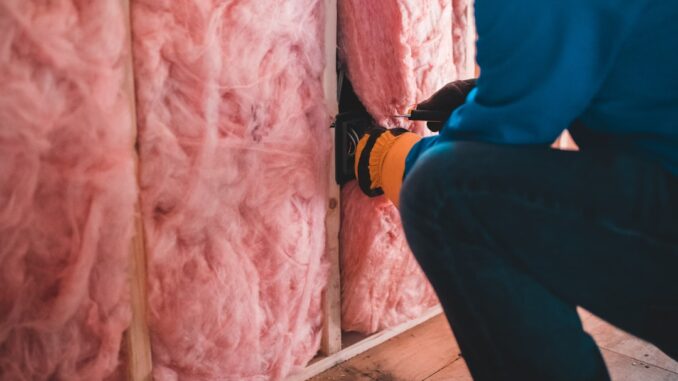
- Enhanced Insulation: Injecting dense-pack cellulose into wall cavities, laying down thick blankets of rigid foam or blown-in insulation in attics, and insulating basements and crawl spaces. This creates a much tighter, more thermally efficient envelope, akin to wrapping your building in a high-performance jacket. Suddenly, those drafts vanish, and temperatures stabilize, making the space consistently comfortable.
- High-Performance Windows: Replacing those leaky, single-pane units with double or even triple-glazed windows featuring low-emissivity (low-E) coatings. These technological marvels reflect unwanted heat away in summer and retain precious warmth in winter, all while maintaining clear views. The difference is palpable, cutting down noise pollution too, which is an unexpected bonus.
- Advanced HVAC Systems: Swapping out those old behemoths for modern, high-efficiency heat pumps (which can both heat and cool!), smart thermostats, and zoned systems. Heat pumps, for instance, don’t generate heat; they move it, making them incredibly efficient. Smart thermostats learn your habits, optimizing energy use, and zoning allows you to heat or cool only the areas you’re actually using, rather than the whole building, saving buckets of energy.
- LED Lighting: A simple yet incredibly effective upgrade. Swapping out old incandescent or fluorescent bulbs for LEDs slashes lighting energy consumption by 75-90% and they last ages! Plus, the quality of light is often much better, creating more inviting and productive environments.
- Integrated Building Management Systems (BMS): For larger buildings, a BMS acts as the brain, orchestrating all these systems – HVAC, lighting, security, and more – to work in harmony, maximizing efficiency and occupant comfort. It’s intelligent automation at its best.
A Real-World Triumph: The Empire State Building’s Masterclass
When we talk about retrofitting, we can’t ignore the poster child for success: the Empire State Building. This iconic New York landmark underwent a massive green retrofit, proving that even the grandest, oldest structures can be brought into the 21st century. They didn’t just tinker around the edges; they went deep. They refurbished over 6,500 windows, adding insulation and solar film, essentially turning them into super-efficient units. They upgraded their entire HVAC system, installed state-of-the-art insulation, and implemented smart controls. The result? A staggering reduction in energy usage by about 40%, translating to over $4 million in annual savings. (time.com) This wasn’t just good for the environment; it was a brilliant business decision, too. Imagine what such savings could do for your operational budget!
Beyond Bills: A Lighter Footprint for a Greener Tomorrow
While saving money is a powerful motivator, the environmental imperative behind retrofitting is equally, if not more, compelling. Buildings, believe it or not, are massive contributors to global energy consumption and greenhouse gas emissions. In many developed nations, they account for roughly 30-40% of total energy use and associated carbon emissions. That’s a huge slice of the pie, a slice we simply can’t ignore if we’re serious about tackling climate change.
Tackling the Climate Crisis, One Building at a Time
By implementing energy-efficient retrofits, we’re doing more than just tightening up a building’s envelope; we’re actively participating in the global effort to decarbonize our infrastructure. Every kilowatt-hour saved means less reliance on fossil-fuel-generated electricity, which in turn means fewer carbon dioxide, methane, and other harmful greenhouse gases released into our atmosphere. It’s a direct, tangible step towards a healthier planet.
Furthermore, embracing retrofitting demonstrates a commitment to corporate social responsibility (CSR) and environmental stewardship. For businesses, this isn’t just about feeling good; it resonates powerfully with employees, customers, and investors who increasingly prioritize sustainability. It burnishes a company’s brand image, making it an attractive partner in a world that’s becoming ever more conscious of its ecological footprint.
Harnessing Nature’s Power: Renewable Integration
Retrofitting also provides the perfect opportunity to integrate renewable energy sources. Picture this: a historic building, once powered solely by grid electricity, now proudly sporting a discreet array of solar panels on its rooftop, silently generating clean power. This blend of old and new, tradition and innovation, is truly exciting.
- Solar Photovoltaic (PV): These panels convert sunlight directly into electricity, dramatically reducing a building’s reliance on grid power and potentially even feeding excess energy back into the grid. The technology has become incredibly efficient and cost-effective, making it a no-brainer for many projects.
- Solar Thermal Systems: These aren’t for electricity; they capture the sun’s energy to heat water, providing hot water for domestic use or even contributing to space heating. It’s a simple, elegant solution for a constant demand.
- Small Wind Turbines: In suitable locations, small-scale wind turbines can complement solar, especially during darker, windier months, providing a diversified renewable energy portfolio.
- Geothermal Heat Pumps: These systems tap into the stable temperatures beneath the earth’s surface to provide highly efficient heating and cooling. While the initial installation can be more involved, the long-term energy savings and reduced emissions are substantial.
By combining deep energy retrofits with renewable energy generation, buildings can move closer to, or even achieve, net-zero energy status, meaning they produce as much energy as they consume over the course of a year. That’s a truly powerful concept, helping us achieve those ambitious net-zero goals we hear so much about. (downtoearth.org.in)
Stories in Stone: Preserving History, Building the Future
There’s something profoundly beautiful about older buildings. They carry stories in their bricks, echoes of past lives within their walls. Their architectural details, handcrafted elements, and the sheer longevity of their existence connect us to our heritage. But how do you reconcile preserving that irreplaceable character with the urgent need for modern efficiency? This is where retrofitting shines, offering a pathway to sustainability without sacrificing a building’s soul.
The Delicate Dance of Modernity and Heritage
Many property owners and historical societies worry that energy upgrades will inevitably deface or alter the original aesthetic of a historic building. And that’s a valid concern. Nobody wants to see a beautiful Victorian facade covered in clunky modern fixtures, do they? But the beauty of contemporary retrofitting techniques lies in their ability to be minimally invasive and aesthetically sensitive. It’s a delicate dance, balancing the imperative for performance with the reverence for heritage.
For instance, replacing historic single-pane windows with modern, high-performance units can be done in a way that replicates the original sash profiles, glass patterns, and even hardware. External insulation might be hidden behind a new facade that meticulously matches the original brickwork or rendering. Interior insulation can be applied in ways that respect original plasterwork or decorative elements. The goal is to enhance performance without screaming, ‘Hey, look at my new bits!’ It’s all about thoughtful integration.
Navigating the Nuances: Challenges and Creative Solutions
Preserving cultural heritage while enhancing energy efficiency often requires ingenuity and a deep understanding of both historic preservation principles and modern building science. This might involve:
- Careful Material Matching: Sourcing reclaimed materials, working with artisan craftspeople to replicate historical elements, or utilizing advanced composite materials that mimic traditional ones in appearance but offer superior performance.
- Non-Invasive Techniques: Opting for internal insulation systems where external changes are prohibited, using existing service shafts for new wiring or ventilation ducts, or selecting renewable energy solutions like rooftop solar that are hidden from street view or designed to integrate seamlessly.
- Navigating Regulations: Working closely with historical commissions and planning departments is crucial. They often have strict guidelines for alterations to listed buildings, and a collaborative approach ensures that proposed retrofits meet both energy goals and preservation requirements. It can be a bureaucratic maze sometimes, but it’s a necessary one to protect our past. For example, I worked on a project where we had to convince the local heritage board that triple-glazed windows, designed to exactly replicate the original Georgian sashes, were not only acceptable but desirable, as they would protect the interior from damp and temperature fluctuations, effectively preserving the building more effectively in the long run. It took time, but we got there.
By carefully considering the unique characteristics of each historic building, we can ensure that these structures remain functional, comfortable, and relevant for generations to come, continuing to tell their stories in an energy-efficient language. (thequantumgroup.uk.com)
More Than Bricks and Mortar: The Financial Upside
Let’s be honest, while the environmental benefits and historical preservation aspects are incredibly important, the bottom line often drives investment decisions. And this is where energy-efficient retrofitting really shines, offering compelling financial returns for building owners.
Boosting Your Building’s Bottom Line
It’s simple economics, really. A building that costs less to operate is inherently more valuable. Energy-efficient buildings, with their significantly lower utility bills, are becoming increasingly attractive to a discerning market of buyers and tenants. They represent not just a space, but a reduced ongoing expense.
Consider this: when you implement upgrades like improved insulation, highly efficient HVAC systems, LED lighting, and smart controls, you’re not just making a one-time purchase. You’re investing in long-term operational savings. These savings directly impact your net operating income (NOI), which in turn, has a positive multiplier effect on your property’s overall valuation. It’s not uncommon to see a ‘green premium’ emerge, where energy-efficient properties command higher rents and sell for more than their less efficient counterparts. (sfbayengineering.com)
Moreover, the concept of ESG (Environmental, Social, and Governance) investing is gaining immense traction. Institutional investors and funds are increasingly prioritizing assets that demonstrate strong sustainability credentials. An energy-efficient retrofit doesn’t just reduce your carbon footprint; it makes your property a more appealing asset in this evolving financial landscape. You’re not just future-proofing your building against rising energy costs; you’re also insulating it against potential future carbon taxes or stricter energy performance regulations. It’s a strategic move, plain and simple.
A Ripple Effect: Job Creation and Local Prosperity
The economic benefits of retrofitting stretch far beyond the individual building owner’s ledger. The entire process acts as a significant stimulus for local and regional economies. Think about all the hands involved:
- Skilled Trades: Electricians installing new LED systems, plumbers upgrading heating infrastructure, HVAC technicians configuring sophisticated controls, insulation specialists sealing envelopes, and carpenters fitting high-performance windows. These are all skilled jobs that keep local economies vibrant.
- Engineering and Design: Energy auditors assessing current performance, architects designing retrofit solutions, and mechanical engineers specifying new systems. This intellectual capital drives innovation and ensures optimized outcomes.
- Manufacturing and Supply Chain: The demand for energy-efficient products – from advanced insulation materials to smart thermostats and solar panels – fuels manufacturing industries, often creating jobs along the entire supply chain.
The savings generated from reduced energy bills don’t just disappear into thin air. For homeowners, that extra cash might mean reinvesting in other home improvements or simply having more disposable income, boosting local retail and services. For businesses, these savings can be reinvested into growth, hiring more staff, or product development, fueling further economic expansion. It’s a truly virtuous cycle. Governments and regional bodies often recognize this, offering various incentives, grants, and low-interest loans to kickstart retrofit projects, further amplifying these economic benefits. (lowcarbonbuildings.org.uk)
Smarter, Healthier, Happier: The Human Element
Beyond the financial and environmental gains, retrofitting older buildings profoundly impacts the people who inhabit them. We’re talking about tangible improvements in daily comfort, health, and overall well-being. And isn’t that what buildings are ultimately for? To shelter and serve us in the best possible way?
Breathing Easier: The Quest for Pristine Indoor Air
Older buildings can sometimes be unwitting hosts to a cocktail of indoor air pollutants. Poor ventilation systems often fail to adequately exchange stale indoor air with fresh outdoor air, leading to a build-up of volatile organic compounds (VOCs) from furnishings and cleaning products, allergens, dust mites, and even mold if moisture issues aren’t addressed. It’s a recipe for respiratory issues, headaches, and general malaise. Nobody feels their best when the air they’re breathing isn’t clean.
Retrofitting offers a golden opportunity to drastically improve indoor air quality (IAQ). This often involves:
- Upgraded Ventilation Systems: Installing modern ventilation systems, particularly those with heat recovery (HRV) or energy recovery (ERV) capabilities. These systems efficiently bring in fresh outside air while exhausting stale indoor air, and crucially, they recover a significant portion of the heat (or coolness) from the outgoing air, minimizing energy loss. This ensures a constant supply of fresh air without a corresponding spike in energy bills.
- Sealing Air Leaks: By meticulously sealing cracks and gaps in the building envelope – around windows, doors, penetrations for pipes and wires, and in the attic – we prevent uncontrolled infiltration of outdoor pollutants and drafts, allowing the ventilation system to work optimally.
- Addressing Moisture Issues: Improved insulation and air sealing often go hand-in-hand with addressing moisture problems, which are prime breeding grounds for mold and mildew. Controlling humidity levels is key to a healthy indoor environment.
The result? A healthier living and working environment. For residents, this can mean fewer allergy symptoms and better sleep. For employees, improved IAQ often translates to reduced sick days, enhanced cognitive function, and increased productivity. It’s a direct investment in human capital, frankly. (applicationsolutions.com.au)
Creating Cozy Havens: A Symphony of Comfort
Remember those drafts I mentioned earlier? Or the rooms that are always too hot in summer and frigid in winter? These inconsistencies are hallmarks of inefficient buildings and major detractors from occupant comfort. Retrofitting directly addresses these irritations.
- Thermal Comfort: With proper insulation and air sealing, a building maintains much more consistent indoor temperatures. Those hot and cold spots largely disappear. The feeling is one of uniform warmth in winter and pleasant coolness in summer. No more bundling up indoors or constantly fiddling with the thermostat.
- Acoustic Comfort: Believe it or not, better insulation and high-performance windows also act as excellent sound barriers. The hustle and bustle of city life, the noise from neighbors, or even the rumble of traffic are significantly reduced, creating quieter, more peaceful interiors. This can profoundly impact stress levels and improve concentration.
- Daylighting: Many retrofits also consider optimizing natural light. While often not an ‘energy efficiency’ upgrade in the strictest sense, maximizing daylight can reduce the need for artificial lighting during the day, contributing to overall energy savings and, more importantly, enhancing mood and well-being. Who doesn’t feel better in a sun-drenched room?
It’s about creating environments where people genuinely feel good, spaces that support both physical health and mental clarity. This isn’t just a nicety; it’s a fundamental aspect of high-quality living and working.
A Circular Mindset: Less Waste, More Value
Finally, let’s talk about waste. Traditional demolition and new construction generate colossal amounts of waste, much of which ends up in landfills. Retrofitting, by its very nature, embraces a more sustainable, circular economy approach.
By reusing existing structures and materials, we dramatically reduce the need for new raw materials and minimize the waste associated with tearing down and rebuilding. This isn’t just about throwing less in the bin; it’s about valuing the embedded energy and resources in existing buildings. It promotes responsible material sourcing, often encouraging the use of recycled or sustainably produced components for any new additions. It’s a conscious decision to make the most of what we already have, reducing our environmental footprint at every stage. (thequantumgroup.uk.com)
Embarking on Your Retrofit Journey: Practical Steps and Considerations
So, you’re convinced, right? The benefits are clear. But how does one actually go about retrofitting an older building? It’s not quite as simple as slapping on some new paint, but it’s certainly manageable with the right approach and a clear understanding of the steps involved.
The Initial Assessment: Knowing Your Starting Line
Every retrofit journey begins with a thorough energy audit. Think of it as a comprehensive health check for your building. A qualified energy auditor will use specialized tools like thermal cameras, blower door tests, and energy modeling software to pinpoint exactly where your building is losing energy. They’ll identify air leaks, insulation deficiencies, and inefficient systems.
This isn’t just about finding problems; it’s about understanding the specific performance characteristics of your building. Is your primary issue a leaky roof, single-pane windows, or an ancient boiler? The audit will tell you, providing a baseline and informing the most impactful interventions. This initial investment in diagnostics saves a lot of money and headaches down the line by ensuring you’re prioritizing the right upgrades.
Strategic Planning and Implementation
Once you have your audit results, the next step is developing a comprehensive retrofit plan. This involves:
- Prioritization: Based on the audit and your budget, decide which upgrades will offer the biggest bang for your buck, both in terms of energy savings and comfort improvements. Sometimes, simpler measures like air sealing or basic insulation yield surprisingly significant results.
- Design and Specification: Work with architects, engineers, and contractors experienced in energy-efficient retrofits. They can design solutions that integrate seamlessly with your building’s existing structure and aesthetics, ensuring compliance with local codes and, importantly, maximizing performance.
- Phased Approach (if needed): For larger or more complex projects, a phased approach can be highly effective. You might tackle the building envelope (insulation, windows, air sealing) in one phase, followed by HVAC system upgrades and renewable energy integration in subsequent phases. This allows for better budget management and minimizes disruption.
- Selecting Qualified Professionals: This is paramount. Choose contractors and installers with a proven track record in energy retrofitting. Don’t be afraid to ask for references, certifications, and examples of their previous work. A shoddy installation can negate even the best-designed plans.
- Monitoring and Verification: After the retrofit, it’s wise to monitor your energy consumption to verify that the projected savings are being achieved. Smart meters and building management systems can provide invaluable data, allowing for further fine-tuning and optimization.
Overcoming Common Hurdles
Yes, there can be challenges. Funding, for instance, is often a major concern, especially for extensive projects. However, a growing number of government incentives, green financing options, and utility rebates are becoming available to help offset upfront costs. Another common hurdle is dealing with the unknowns of an older structure – you might uncover hidden issues once you start opening up walls. That’s why building in a contingency budget is always a smart move. Finally, minimizing disruption to occupants during the retrofit process requires careful planning and clear communication. But, honestly, the long-term benefits far outweigh these temporary inconveniences.
The Future is Retrofitted: A Concluding Vision
Looking ahead, it’s clear that retrofitting isn’t just an option; it’s a necessity. With an aging building stock and urgent climate goals, we can’t afford to just demolish and build new all the time. The embodied energy in existing structures is too valuable to simply discard. Instead, we have the opportunity to lovingly restore, intelligently upgrade, and dramatically improve these buildings, making them fit for purpose in the 21st century and beyond.
Incorporating energy-efficient retrofitting isn’t just about smart economics or environmental responsibility. It’s about creating better spaces for people. It’s about turning drafty, uncomfortable, and costly buildings into vibrant, healthy, and sustainable living and working environments. It’s about respecting the past while building a brighter, more efficient future. Let’s embrace these upgrades with open arms and get to work creating a world where every building, no matter its age, performs at its peak. Our planet, our wallets, and our well-being will thank us for it.
References
- time.com – The Empire State Building’s Green Retrofit
- downtoearth.org.in – Making old buildings energy efficient can help achieve net-zero goals
- thequantumgroup.uk.com – What is Retrofitting Construction?
- sfbayengineering.com – Retrofitting SF Buildings
- lowcarbonbuildings.org.uk – The Benefits of Retrofitting Older Buildings for Energy Efficiency
- applicationsolutions.com.au – Challenges Retrofitting Older Buildings for Energy Efficiency
Given the increasing emphasis on ESG investing, how are financial institutions adapting their risk assessment models to account for the long-term value and resilience offered by energy-efficient retrofits in older building portfolios?
That’s a great point! Financial institutions are starting to recognize that ESG factors, including energy efficiency, impact long-term asset value. Some are incorporating energy performance data into their risk assessments, while others are offering preferential financing for green retrofits. It’s an evolving field, but definitely a positive trend for sustainable building practices. I wonder what other financial incentives would help accelerate this progress?
Editor: FocusNews.Uk
Thank you to our Sponsor Focus 360 Energy
The discussion of integrating renewable energy sources is crucial. How can policy incentives, such as tax credits or streamlined permitting, be structured to further encourage the adoption of solar, geothermal, or other on-site renewables during building retrofits, especially in historic districts?
That’s a vital question! Policy incentives are key. Beyond tax credits, perhaps we could explore grants specifically for historic districts, coupled with expert consultations to ensure renewable integrations are historically sensitive. Streamlined permitting, with dedicated heritage specialists, could also encourage adoption without compromising architectural integrity. It is great to see so much interest in renewable energy integration. What are everyone’s thoughts?
Editor: FocusNews.Uk
Thank you to our Sponsor Focus 360 Energy
The Empire State Building retrofit is inspiring. Considering the human element, what strategies can ensure that retrofitting projects prioritize both energy efficiency and occupant well-being, particularly regarding indoor air quality and thermal comfort in diverse climates?
That’s a great question! The Empire State Building is a fantastic example. Prioritizing occupant well-being alongside energy efficiency is crucial. I think climate-specific strategies for indoor air quality and thermal comfort are key; in hotter climates, better shading and ventilation, and in colder climates, improved insulation and heat recovery systems are essential. What strategies do you think are most effective?
Editor: FocusNews.Uk
Thank you to our Sponsor Focus 360 Energy
Love the Empire State Building example! But what about those smaller, less iconic structures? Surely, there’s a sweet spot where retrofitting becomes more appealing than just knocking them down and starting over? What factors really tip the scales, aside from iconic status?
That’s a fantastic point! Aside from iconic status, a key factor is often the embodied energy already present in the existing structure. Demolishing and rebuilding carries a hefty carbon footprint. Retrofitting, even with challenges, frequently wins out when you factor in the environmental cost of new construction. What other factors do you think should be considered?
Editor: FocusNews.Uk
Thank you to our Sponsor Focus 360 Energy
So, you’re saying my drafty Victorian could become a stealthy, energy-sipping ninja? I’m suddenly envisioning solar panels disguised as decorative gargoyles. Any tips on convincing the historical society that this isn’t a total aesthetic sacrilege?
Love the gargoyle idea! When presenting to historical societies, emphasizing the long-term preservation benefits can help. Point out how sensitive upgrades protect the original fabric of the building from moisture and decay, ensuring its survival for future generations. Highlighting the reduced carbon footprint is also beneficial.
Editor: FocusNews.Uk
Thank you to our Sponsor Focus 360 Energy
So, you’re saying my creaky floors and drafty windows are basically an untapped gold mine of energy savings? I’m off to find an energy auditor with a thermal camera…and maybe a ghost hunting kit, just in case! Who knows what else I’ll uncover behind these walls?
That’s the spirit! A thermal camera is a great start, you’ll be amazed by what it reveals. The ghost hunting kit is optional, but hey, a little adventure never hurt anyone! Let us know what you find, both energy-saving and paranormal!
Editor: FocusNews.Uk
Thank you to our Sponsor Focus 360 Energy
Considering the waste reduction benefits, how might deconstruction and material reuse be better integrated into the retrofitting process, rather than solely focusing on installing new, efficient components?
That’s a great point! Prioritizing deconstruction and material reuse is key to minimizing waste. Standardized material inventories during the audit phase could help identify reusable components. Also, incentivizing contractors who prioritize material salvage and reuse could make a big difference. What are some other ideas?
Editor: FocusNews.Uk
Thank you to our Sponsor Focus 360 Energy
The point about integrated building management systems is excellent. Expanding on this, proactive maintenance informed by real-time data analytics can further optimize energy use and identify potential issues before they escalate, enhancing long-term efficiency.
Great point about proactive maintenance using real-time data! Imagine buildings that ‘learn’ and adjust energy consumption based on occupancy patterns and weather forecasts. This predictive approach could significantly reduce energy waste compared to reactive adjustments. Thanks for sharing this valuable insight!
Editor: FocusNews.Uk
Thank you to our Sponsor Focus 360 Energy
So, if my building *could* talk, what juicy stories would its energy audit reveal about its past…and more importantly, its *future* energy-sipping potential? Inquiring minds (and wallets) want to know!
That’s a fun thought! Imagine a building’s energy audit as a tell-all biography! What if we could crowdsource building confessions? Maybe we could create a ‘Building Diaries’ series to showcase some energy audit transformations and get some good advice out there! Anyone interested in participating?
Editor: FocusNews.Uk
Thank you to our Sponsor Focus 360 Energy
The focus on thermal and acoustic comfort is so important. Thoughtful retrofits can enhance the quality of life for occupants, creating spaces that promote well-being through improved air quality and reduced noise pollution, leading to happier and more productive environments.
Absolutely! The impact on occupant well-being is a huge factor. When retrofitting, even small improvements to noise reduction and temperature stability can dramatically increase productivity. Thinking beyond just energy savings allows you to create a space that people truly want to be in, boosting morale and efficiency!
Editor: FocusNews.Uk
Thank you to our Sponsor Focus 360 Energy
So, if buildings are energy guzzlers, are we talking about converting them to run on *less* premium fuel? Perhaps a switch from high-octane to regular inefficiency? What’s the architectural equivalent of an engine tune-up?
That’s a great analogy! An architectural “engine tune-up” could definitely involve optimizing building systems like HVAC and lighting controls. Maybe adding smart tech to moderate operations and maximize existing elements, while still retaining the charm and design of the building.
Editor: FocusNews.Uk
Thank you to our Sponsor Focus 360 Energy
I’m interested in the integrated building management systems mentioned. Could these systems be scaled down and adapted for smaller residential buildings to optimize energy use in real-time, perhaps using AI to learn occupant behavior and adjust accordingly?
That’s a great question! Absolutely, scaling down IBMS for smaller residential buildings is becoming more feasible. The key is in modular designs and cloud-based platforms. AI integration, as you mentioned, could really personalize energy use based on individual living patterns! This would definitely increase energy efficiency in smaller structures. Thanks for your comment!
Editor: FocusNews.Uk
Thank you to our Sponsor Focus 360 Energy
Solar panels disguised as gargoyles, you say? Now you’re talking! I’m wondering if we could incorporate micro wind turbines into weather vanes? Functionality meets historical charm. Perhaps a challenge for innovative architects!
That’s a fantastic idea! Micro wind turbines in weather vanes offer a blend of renewable energy and architectural finesse. Finding the right balance between efficiency and aesthetic appeal would be key. Let’s hope some creative minds take on this challenge!
Editor: FocusNews.Uk
Thank you to our Sponsor Focus 360 Energy
The article mentions optimizing daylight. Could dynamic shading systems, adjusting to the sun’s position and intensity, be integrated into retrofits to further reduce energy consumption for lighting and HVAC while maintaining optimal natural light?
That’s a very insightful question! Dynamic shading would certainly be a great option to integrate. It offers an opportunity to use natural light more efficiently. Considering the architectural heritage of the building, these systems can use advanced materials to minimize their visual impact and maintain the building’s historical accuracy. Great comment!
Editor: FocusNews.Uk
Thank you to our Sponsor Focus 360 Energy
The article rightly highlights comfort as a key outcome. Integrating smart home technology to learn and adapt to occupant preferences—adjusting lighting, temperature, and ventilation—could further personalize the retrofitted space and optimize energy use based on individual needs.