

Breathe New Life into Old Bones: Your Guide to High-Impact Building Retrofitting
Ever walk into a beautiful, historic building and immediately feel the chill of a thousand whispering drafts, or perhaps notice that persistent hum of an ancient HVAC system struggling to keep up? It’s a common experience, isn’t it? But what if I told you that those grand old structures, the very fabric of our urban landscapes, hold immense untapped potential, just waiting for a smart upgrade? Retrofitting existing buildings isn’t just a nod to historical preservation, though that’s certainly a valuable aspect; it’s an absolutely essential, incredibly smart move for energy efficiency, long-term sustainability, and creating truly modern, comfortable spaces. We’re talking about a significant reduction in energy consumption, tangible savings on those ever-rising utility bills, and a robust contribution to a greener, healthier planet.
Think about it for a moment: we’ve got millions of square feet of existing building stock out there. Constructing brand new buildings has its own environmental footprint, a heavy one at that. Why not optimize what we already have? By thoughtfully upgrading these older structures, we’re not just making them ‘less bad’; we’re transforming them into high-performing assets, often surpassing the efficiency of many new builds. It’s a journey, no doubt, but one packed with rewards. So, let’s roll up our sleeves and dive deep into the myriad methods and undeniable benefits of retrofitting.
Successful low-energy building design hinges on careful planning. Focus360 Energy can help.
Unpacking the Toolkit: Effective Retrofitting Methods for a Smarter Building
When we talk about retrofitting, we’re not suggesting a one-size-fits-all magic bullet. Instead, it’s a strategic, multi-faceted approach, tailored to each building’s unique characteristics and challenges. From the foundational elements to the intricate systems that keep a building breathing, there are numerous avenues to explore. Here’s a detailed look at where you can make the biggest impact.
1. The Mighty Thermal Envelope: Insulation Upgrades
If you ask any energy efficiency expert, they’ll tell you that proper insulation is the absolute cornerstone, the bedrock, of energy efficiency. It’s the invisible shield that protects your building, preventing unwanted heat transfer. Imagine trying to keep ice frozen in a cooler with holes; that’s what a poorly insulated building is like. Whether it’s the scorching summer sun beating down or the biting winter winds trying to sneak in, a robust thermal envelope is your first line of defense. By significantly enhancing wall, attic, and floor insulation, you’re creating a powerful barrier that prevents heat loss when you need warmth most and keeps interiors blissfully cool when temperatures soar.
Now, the world of insulation isn’t just about batts of fluffy stuff anymore. We’ve got an impressive array of materials, each with unique properties and ideal applications:
- Fiberglass and Mineral Wool Batts: These are your traditional, often most cost-effective options, excellent for filling standard wall cavities, attic floors, and crawl spaces. They’re non-combustible and offer good sound dampening qualities, which is a nice bonus.
- Blown-In Cellulose or Fiberglass: Perfect for irregularly shaped cavities, existing wall voids, or attic spaces that are hard to access. Blown-in insulation fills every nook and cranny, creating a more continuous thermal barrier, often without needing to tear down walls.
- Rigid Foam Boards (XPS, EPS, Polyiso): These high-performance boards offer superior R-values per inch, making them ideal for exterior wall applications, basement walls, or under concrete slabs where space is at a premium. They also provide structural rigidity and act as air barriers.
- Spray Foam (Open-Cell and Closed-Cell): Ah, the marvel of modern insulation! Spray foam expands upon application, creating an incredibly tight seal that acts as both an insulator and an air barrier. Closed-cell foam offers exceptional R-value and moisture resistance, making it suitable for challenging environments, while open-cell is lighter, more flexible, and often more breathable. It’s like giving your building a custom-fitted, perfectly sealed jacket.
But here’s a crucial point: insulation alone isn’t enough. Effective insulation upgrades absolutely must be coupled with rigorous air sealing. All those tiny cracks around windows, doors, electrical outlets, and where different building materials meet? They’re highways for conditioned air to escape and unconditioned air to infiltrate. A comprehensive air sealing strategy, using caulks, foams, and weatherstripping, significantly amplifies the impact of your insulation investment. You also need to consider vapor barriers in certain climates to manage moisture and prevent condensation issues, and ensure proper attic or crawl space ventilation to maintain air quality and prevent mold.
I remember working on an old school building, beautiful brickwork, but you could practically feel the outside air indoors. We upgraded the attic insulation from a paltry few inches to R-60 blown-in cellulose, sealed every penetration, and added dense-pack insulation to the exterior walls. The difference? The staff actually reported feeling comfortable without needing to wear sweaters indoors in winter or bring fans to their desks in summer. It wasn’t just about energy savings; it was about human comfort and productivity, which, frankly, you can’t put a price on.
2. Sealing the Envelope’s Weak Points: Window and Door Replacements
Once the insulation is handled, let’s talk about those notorious energy villains: old windows and doors. They’re often major culprits in energy loss, acting like gaping holes in your otherwise carefully constructed thermal envelope. Think about the charming single-pane windows in many older homes or commercial properties; they’re essentially just glass barriers, doing very little to prevent heat from rushing out in winter or baking your interiors in summer. Upgrading to modern, energy-efficient models can make an incredibly noticeable difference, not just in energy performance but also in the building’s overall comfort, acoustic properties, and aesthetic appeal.
What makes a window or door ‘energy-efficient’?
- Double or Triple Glazing: This means two or three panes of glass separated by a small gap, typically filled with an inert gas like argon or krypton. These gases are denser than air and slow down heat transfer, significantly improving the window’s insulating value.
- Low-Emissivity (Low-E) Coatings: These microscopically thin, transparent metallic layers are applied to glass surfaces. They reflect radiant heat, keeping heat inside during winter and outside during summer. It’s like invisible sunscreen for your windows!
- Warm-Edge Spacers: These separate the panes of glass and are designed to reduce heat transfer at the edge of the glass, a common weak point in older sealed units.
- Quality Frames: The frame material also matters. Vinyl, fiberglass, and wood frames generally offer better insulation than traditional aluminum frames. Aluminum-clad wood offers the best of both worlds: durability outside, warmth inside.
- Superior Weatherstripping and Seals: For doors, a solid core construction is paramount, but robust weatherstripping around the perimeter and a good threshold seal are critical to prevent air infiltration.
Beyond the raw energy savings, consider the tangible benefits: reduced drafts, fewer cold spots near windows, better sound insulation from outside noise, and a fresher, more polished look for your building’s exterior. It’s a strategic investment that pays dividends in comfort, curb appeal, and cold, hard cash.
3. Smart Air: HVAC System Enhancements
Modernizing heating, ventilation, and air conditioning (HVAC) systems is often where some of the most substantial energy savings can be found, especially in larger commercial or institutional buildings. Older systems are frequently oversized, inefficient, and lack precise control, leading to significant energy waste. Implementing smart technologies and higher-efficiency equipment isn’t just about replacing like-for-like; it’s about optimizing the entire environmental control strategy.
What’s on the menu for HVAC upgrades?
- High-Efficiency Equipment: Swapping out an ancient boiler or furnace for a modern, high-efficiency condensing unit can deliver huge savings. Similarly, upgrading to more efficient chillers, rooftop units, or split systems dramatically cuts electricity consumption.
- Heat Pumps: These marvels of modern engineering are becoming the go-to solution for both heating and cooling. Air-source heat pumps extract heat from the outside air (even when it’s cold!) to warm a building, and reverse the process for cooling. Ground-source (geothermal) heat pumps are even more efficient, leveraging the stable temperatures of the earth. They’re incredibly versatile and, frankly, a game-changer for decarbonizing heating.
- Variable Speed Drives (VSDs): For motors in fans, pumps, and compressors, VSDs allow equipment to operate at varying speeds rather than just ‘on’ or ‘off.’ This means they only use the exact amount of energy needed to meet the current load, leading to massive energy savings, especially in systems with fluctuating demands. It’s like having a dimmer switch for your building’s mechanical heart.
- Smart Thermostats and Building Management Systems (BMS): These aren’t just fancy gadgets; they’re the brains of your building’s HVAC operation. Smart thermostats learn occupancy patterns and can be controlled remotely. BMS, on the other hand, is a sophisticated, centralized control system that monitors and manages all building services – HVAC, lighting, security, fire systems – from a single interface. They allow for precise scheduling, zone control, fault detection, and predictive maintenance, ensuring optimal performance and minimal waste. Imagine a system that knows when a meeting room is empty and automatically adjusts the temperature, preventing unnecessary heating or cooling. That’s efficiency in action!
- Ductwork Sealing and Optimization: Even the newest, most efficient HVAC system won’t perform optimally if its ductwork is leaky. Sealing leaks and ensuring ducts are properly sized and routed is a surprisingly impactful and often overlooked retrofit. Additionally, incorporating Energy Recovery Ventilators (ERVs) or Heat Recovery Ventilators (HRVs) ensures proper fresh air intake without throwing away conditioned air, enhancing indoor air quality without sacrificing efficiency.
I recently consulted on a mid-sized office building where the owners were convinced they needed an entirely new system. After a detailed audit, we found that by simply sealing the leaky ductwork, upgrading to VSDs on their main air handling units, and installing a modern BMS, they slashed their HVAC energy consumption by over 40%. The comfort complaints virtually disappeared, and the ROI was remarkably quick. It’s truly amazing what a bit of targeted intelligence can do.
4. Shedding Light, Saving Energy: Lighting Upgrades
Walk into almost any older office or commercial space, and you’ll likely find rows of fluorescent tubes humming away, perhaps a few incandescent bulbs still stubbornly glowing. These are often massive energy sinks. Switching to energy-efficient LED (Light Emitting Diode) lighting is one of the most straightforward and impactful retrofits you can undertake, delivering immediate reductions in electricity consumption and maintenance costs.
Here’s why LEDs are the future of lighting:
- Unparalleled Energy Efficiency: LEDs consume significantly less power than traditional incandescent or fluorescent bulbs for the same light output. We’re talking 75-80% less energy! This isn’t trivial; it adds up fast.
- Exceptional Lifespan: LEDs last an incredibly long time, often 25,000 to 50,000 hours or more. This drastically reduces the frequency of bulb replacements and the associated labor costs, especially in hard-to-reach fixtures.
- Improved Light Quality: Modern LEDs offer a wide range of color temperatures, from warm, inviting hues to cool, crisp daylight, allowing you to tailor the ambiance to specific spaces and activities. They also provide instant-on light, no flickering, and excellent color rendering.
- Durability: Being solid-state devices, LEDs are much more durable and resistant to breakage than fragile incandescent bulbs.
Beyond simply replacing bulbs, integrating smart lighting systems takes efficiency to the next level:
- Occupancy Sensors: These clever devices detect when a space is occupied and automatically turn lights on or off. Why light an empty hallway or conference room? It’s a no-brainer for energy savings.
- Daylight Harvesting Controls: In spaces with ample natural light, these systems dim or turn off artificial lights when enough daylight is available, providing seamless illumination while conserving energy.
- Dimming Capabilities: LEDs are inherently dimmable, allowing for precise control over light levels, saving energy, and creating flexible environments.
- Integration with BMS: As mentioned, a comprehensive BMS can manage lighting schedules, respond to real-time occupancy data, and even personalize lighting for individual workstations, optimizing both energy use and occupant well-being.
Think about the operational side: fewer maintenance calls for bulb changes, a brighter and more pleasant working environment for employees, and a noticeable dip in your electricity bill each month. It’s an immediate win-win-win situation.
5. Harvesting Nature’s Bounty: Renewable Energy Integration
While the previous methods focus on reducing a building’s energy demand, integrating renewable energy sources is about meeting that remaining demand with clean, sustainable power. Installing solar panels or exploring other renewable options can significantly offset your energy consumption, dramatically lower utility bills, and move your building closer to true energy independence. This isn’t just about ‘going green’; it’s about building resilience and future-proofing against volatile energy markets.
Key renewable energy technologies for building retrofits include:
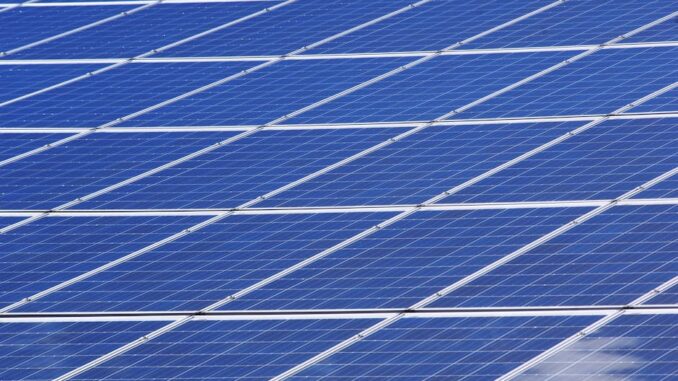
- Solar Photovoltaic (PV) Panels: The most recognized form of renewable energy, solar PV converts sunlight directly into electricity. Rooftop installations are common, but facade-integrated PV (BIPV) is gaining traction, turning the building itself into a power generator. Considerations include available roof space, shading, local solar irradiance, and grid-tie options (selling excess power back to the grid) versus battery storage for greater self-sufficiency.
- Solar Thermal Systems: These systems harness the sun’s energy to heat water, providing a renewable source for domestic hot water or even space heating. They’re often very efficient and can significantly reduce the load on conventional water heaters.
- Geothermal Energy: While often considered during new construction, geothermal systems can be retrofitted. They utilize the stable underground temperature to provide highly efficient heating and cooling, often achieving efficiencies far greater than conventional HVAC.
- Small-Scale Wind Turbines: In suitable, less-dense urban or rural locations with consistent wind resources, small wind turbines can contribute to a building’s energy supply, although they are less common for typical urban retrofits.
The integration of renewables, especially solar PV, is a powerful statement. It signals a commitment to sustainability, enhances your brand image, and transforms your building into an active participant in the clean energy transition. Plus, with various government incentives, tax credits, and financing options available, the economics are often very compelling.
The Ripple Effect: Undeniable Benefits of Retrofitting
Beyond the technical specifics, the real magic of retrofitting lies in its widespread positive impact. It’s a strategy that pays dividends on multiple fronts, creating value far beyond simple energy savings.
1. Significant Energy Savings: Fueling Your Future with Less
Let’s get straight to the bottom line. Upgrading insulation, windows, HVAC systems, and lighting doesn’t just chip away at energy waste; it can lead to monumental reductions in energy consumption. We’re not talking about marginal gains here. Many well-executed retrofitting projects have achieved a staggering 30-50% decrease in overall energy use, and some deep energy retrofits push that even further, sometimes hitting 70% or more! Imagine your energy bill slashed by half. That translates into substantial, recurring savings over the long term, freeing up capital that can be reinvested into your business or operations. The first step towards these savings is almost always a thorough energy audit, which pinpoints the biggest areas of waste and helps prioritize your retrofit investments for maximum impact.
2. Cost Reduction: Beyond the Utility Bill
While the initial investment in a comprehensive retrofit might seem considerable, it’s crucial to view it through the lens of long-term value. The immediate and consistent savings on utility bills are just the beginning. Consider the reduced maintenance costs for newer, more reliable equipment, the extended lifespan of building systems, and the decreased need for reactive, expensive repairs. All these factors contribute to a significantly lower total cost of ownership over the building’s lifetime. Moreover, an increasingly robust landscape of government grants, incentives, and financing programs specifically target energy efficiency retrofits. These can substantially offset initial capital outlays, making the financial case even stronger. It’s about smart financial planning, transforming an operating expense into a valuable capital asset.
3. Enhanced Comfort and Well-being: A Place People Love to Be
This is where the human element truly shines. Improved insulation and modern HVAC systems create a noticeably more comfortable indoor environment. No more drafty corners in winter, no more stifling hot zones in summer. Instead, you get consistent temperatures, better humidity control, and superior indoor air quality (IAQ) thanks to improved ventilation and filtration. For occupants, this means fewer distractions, less discomfort, and often, higher productivity. A comfortable environment fosters a sense of well-being, whether it’s an employee at their desk, a student in a classroom, or a resident in their home. It even contributes to reduced noise pollution from outside, creating a calmer, more focused atmosphere. Isn’t that a win-win?
4. Increased Property Value and Market Appeal: The Green Premium
In today’s competitive real estate market, energy-efficient buildings are no longer just a nice-to-have; they’re a significant differentiator. They’re demonstrably more attractive to potential buyers, tenants, and even investors. We’re seeing a clear ‘green premium’ emerge, where retrofitted properties often command higher market values, achieve quicker sales or leases, and attract a more desirable tenant base. Modernizing a building with a focus on efficiency makes it more competitive, more resilient to future energy price fluctuations, and aligns it with evolving tenant expectations for sustainable spaces. It’s about future-proofing your asset and ensuring its relevance in a rapidly changing world.
5. Positive Environmental Impact: Your Contribution to a Cooler Planet
Perhaps the most profound benefit, and certainly one that resonates deeply in our current climate, is the environmental impact. By drastically reducing energy consumption, retrofitting directly translates into lower greenhouse gas emissions. This isn’t just a drop in the bucket; considering the sheer volume of existing buildings, this collective effort is absolutely critical in global efforts to combat climate change and achieve net-zero goals. It reduces the strain on often fossil-fuel-dependent power grids, conserves natural resources by extending the life of existing structures, and lessens the need for energy-intensive new construction. Retrofitting isn’t just about saving money; it’s about being a responsible global citizen and building a more sustainable future for everyone. It’s something you can genuinely feel good about.
6. Enhanced Resilience and Future-Proofing: Ready for Tomorrow’s Challenges
Beyond the immediate benefits, retrofitting imbues buildings with a greater sense of resilience. Better insulation and tighter envelopes make buildings less susceptible to extreme weather events, helping them maintain comfortable temperatures even during power outages or intense heatwaves. Moreover, a retrofitted building is inherently future-proofed against evolving energy codes, stricter environmental regulations, and potential carbon taxes. It’s an investment in the long-term viability and adaptability of your asset, ensuring it remains relevant and compliant for decades to come, no matter what new challenges emerge.
The Retrofitting Journey: A Step-by-Step Approach to Transformation
So, you’re convinced that retrofitting is the way to go. But where do you even begin? Undertaking a successful retrofit project requires a structured, thoughtful approach. It’s not just about slapping on some new insulation; it’s a strategic undertaking.
Step 1: Initial Assessment and Energy Audit – Know Thyself (and Your Building)
Before you spend a single dime, you need to understand your building’s current performance. This starts with a comprehensive energy audit, performed by certified professionals. They’ll use tools like blower door tests (to measure air leakage), infrared cameras (to pinpoint insulation gaps and thermal bridges), and detailed analysis of past utility bills. The audit will identify where your building is hemorrhaging energy, prioritize potential upgrades based on ROI, and provide a clear roadmap. Without this diagnostic step, you’re simply guessing, and we certainly don’t want that.
Step 2: Goal Setting and Prioritization – What Do You Want to Achieve?
With the audit results in hand, it’s time to set clear, measurable goals. Are you aiming for a 30% reduction in energy use? A specific ROI within five years? Improved occupant comfort scores? Decarbonization? Prioritize the recommended measures based on their impact, cost-effectiveness, and alignment with your overarching objectives. Sometimes, tackling the ‘low-hanging fruit’ (like lighting upgrades or air sealing) first can generate quick savings that help fund larger, more complex projects.
Step 3: Design and Planning – The Blueprint for Success
This phase involves detailed engineering and architectural design. How will the new systems integrate with existing structures? What are the structural implications of adding new materials? For heritage buildings, how can modern efficiency be seamlessly integrated while preserving historical integrity? This is where you bring in architects, engineers, and specialist consultants to develop detailed plans, specifications, and construction documents. Proper planning here avoids costly surprises down the line.
Step 4: Funding and Incentives – Smart Money Moves
Explore all available avenues for financial support. This might include local, state, or federal grants, tax credits, utility rebates, or innovative financing mechanisms like Property Assessed Clean Energy (PACE) loans, which allow property owners to finance energy efficiency upgrades through an assessment on their property tax bill. A skilled project manager or consultant can often help navigate this complex landscape and secure the best possible funding package.
Step 5: Implementation and Project Management – Bringing the Vision to Life
With plans and funding secured, it’s time for execution. Select experienced contractors who specialize in energy efficiency retrofits. Effective project management is crucial to ensure the work stays on schedule, within budget, and meets quality standards. This often involves careful coordination to minimize disruption, especially in occupied buildings. Regular site visits and communication are key to keeping things running smoothly, because honestly, construction never quite goes as planned, does it?
Step 6: Post-Completion and Monitoring – Verifying the Gains
Once the retrofit is complete, the work isn’t quite over. It’s essential to commission the new systems to ensure they’re operating as designed. Ongoing monitoring of energy consumption, ideally through sub-metering and data analytics, allows you to verify the projected savings and make any necessary adjustments for continuous optimization. This feedback loop is invaluable for maximizing your investment and proving its value.
Navigating the Roadblocks: Challenges and Considerations
While the benefits of retrofitting are compelling, it would be disingenuous not to acknowledge the potential hurdles. Every worthwhile endeavor has its challenges, and retrofitting is no exception.
The Elephant in the Room: Initial Cost and Financing
Let’s face it, retrofitting requires an upfront investment. For many building owners, this initial capital outlay can be a significant barrier. However, as we’ve discussed, it’s critical to look beyond the immediate cost to the long-term ROI. Creative financing solutions, government incentives, and energy performance contracts (where a third party funds the upgrades and is repaid through shared energy savings) are increasingly available to bridge this gap. The key is to build a robust business case that clearly demonstrates the financial benefits.
The Buzz and the Bustle: Disruption to Occupants
Undertaking construction in an occupied building can be disruptive. Noise, dust, temporary relocation, and service interruptions are all potential headaches for tenants or employees. Careful planning, clear communication, and working with experienced contractors who specialize in occupied spaces are paramount. Phased renovations, after-hours work, and creative scheduling can help minimize impact, but it’s an aspect that requires meticulous management to maintain good relationships.
The Nitty-Gritty: Technical Complexity and Skill Gaps
Retrofitting older buildings often presents unique technical challenges. Existing conditions might be unknown, structural limitations could emerge, or integrating new, sophisticated systems with aging infrastructure can be complex. Furthermore, the specialized skills required for advanced retrofits (like air sealing techniques, precise HVAC commissioning, or heritage building preservation) may not be readily available in all markets. Investing in skilled labor and robust project management is essential to navigate these complexities effectively.
Red Tape and Roadblocks: Regulatory Hurdles
Depending on the age and designation of your building, you might face a labyrinth of permits, zoning restrictions, and even heritage preservation requirements. These can add time and complexity to the project. Engaging with local authorities early in the planning process, and having a design team experienced in navigating these regulations, can help smooth the path. Sometimes, the path forward isn’t straight, but with good planning, you can get there.
The Future is Retrofitted: A Concluding Thought
Retrofitting existing buildings is far more than just a renovation project; it’s a profound act of foresight and responsibility. It’s a proactive, intelligent approach to enhancing energy efficiency, slashing operational costs, significantly improving comfort, and championing environmental sustainability. By strategically implementing upgrades like cutting-edge insulation, high-performance windows, smart HVAC systems, LED lighting, and thoughtful renewable energy integration, we aren’t merely patching up old structures. We’re transforming them into modern, resilient, high-performing assets that will serve us well into the future.
The benefits, as we’ve explored, are undeniable and far-reaching: substantial energy savings that hit your bottom line, reduced long-term costs that free up capital, enhanced occupant comfort and productivity that fosters well-being, increased property value that secures your investment, and a tangible, positive environmental impact that contributes to a healthier planet. Embracing retrofitting doesn’t just breathe new life into existing buildings; it aligns our built environment with the urgent global push towards net-zero emissions, energy independence, and a truly sustainable future. It’s time to unlock the hidden potential within our existing infrastructure, one intelligent upgrade at a time.
Be the first to comment