

Building for Tomorrow: Your Comprehensive Guide to Low-Carbon Construction
We’re standing at a pivotal moment, aren’t we? Constructing low-carbon buildings isn’t just some fleeting trend we can dabble in; it’s a profound, undeniable necessity in our collective battle against climate change. It’s about crafting spaces that aren’t just aesthetically pleasing or functionally sound, but deeply responsible. By weaving together smart design, truly sustainable materials, and cutting-edge technologies, you can bring into existence structures that are both remarkably energy-efficient and profoundly kind to our planet.
But how do you actually get there, from concept to a gleaming, low-carbon reality? It might seem like a daunting mountain to climb, yet with a clear roadmap, it’s entirely achievable. Think of this as your practical playbook, brimming with actionable strategies to help you navigate the landscape of low-carbon building. Let’s dig in, shall we?
1. Prioritize Intelligent, Energy-Efficient Design from the Outset
Successful low-energy building design hinges on careful planning. Focus360 Energy can help.
Where do you even begin? Honestly, you start at the very drawing board. The most impactful changes, the ones that ripple through a building’s entire lifecycle, happen in those initial design phases. Your goal here is simple: craft a design that inherently minimizes energy consumption, almost effortlessly. It’s about being clever, not just complicated.
This means embracing the timeless wisdom of passive design principles. We’re talking about things like optimal building orientation, super high-quality insulation, and meticulously airtight construction. These aren’t just buzzwords; they’re the foundational pillars that dramatically slash heating and cooling needs, reducing reliance on expensive, energy-guzzling active systems right from day one.
Harnessing the Sun and Wind: The Art of Passive Design
-
Optimal Orientation: Picture this: a building carefully positioned to welcome the warming winter sun through south-facing windows (in the Northern Hemisphere, of course!) while strategically deflecting the harsh summer glare. It’s not rocket science, but it’s incredibly effective. This involves thoughtful placement on the site, considering seasonal sun paths and prevailing winds. For instance, designing with longer facades facing north and south can maximize daylight penetration without excessive heat gain or loss. Shading elements like deep overhangs, vertical fins, or even deciduous trees can be employed to block high summer sun while allowing lower winter sun to penetrate and warm interior spaces. It’s truly amazing what a little foresight can accomplish.
-
Thermal Mass Magic: Ever walked into an old stone building on a sweltering day and felt that distinct coolness? That’s thermal mass at work. Materials like concrete, brick, or even dense earth can absorb and store heat during the day, slowly releasing it when temperatures drop at night, and vice versa. It helps to smooth out temperature swings, reducing the need for mechanical systems to kick in. Imagine fewer peaks and valleys in your energy usage graph, sounds pretty good, doesn’t it?
-
Natural Ventilation Strategies: Why force air around with fans when nature offers a free, refreshing breeze? By carefully placing windows, vents, and even designing interior layouts to encourage cross-ventilation or the ‘stack effect’ (where warm air rises and exits high openings, drawing in cooler air from below), you can keep buildings comfortable without constantly running air conditioning. It’s an elegant dance with the elements, really. Think strategically placed operable windows on opposite sides of a room or stairwells designed as thermal chimneys to draw hot air upwards and out.
-
Daylighting Dominance: This one’s a no-brainer. Maximizing natural light not only drastically cuts down on the need for artificial lighting – a significant energy draw – but also dramatically improves occupant well-being and productivity. Who doesn’t feel better bathed in sunshine? Think about strategically placed windows, skylights, light shelves, and even light pipes to bounce natural light deep into the building’s core. Of course, you’ll want to specify high-performance glazing, like low-emissivity (low-e) coatings and double or triple-paned units, to manage heat transfer effectively while letting that beautiful light stream in.
-
The Air-Tightness Imperative: This is often overlooked but utterly critical. An airtight building envelope prevents uncontrolled air leakage, which is essentially like having a hole in your energy budget. Imagine trying to heat your home with the windows slightly ajar; it’s similar. Achieving exceptional airtightness, often measured with a ‘blower door test’, means insulation can actually do its job properly, minimizing drafts and vastly improving comfort. This also helps to prevent moisture infiltration, a silent killer for building materials and indoor air quality. It’s about sealing up those sneaky cracks and gaps, from foundation to roof, creating a consistent, controlled environment.
-
Super-Insulation: When we talk about insulation today, we’re not just talking about stuffing some fiberglass in the walls. We’re talking about incredibly high R-values (a measure of thermal resistance) and continuous insulation layers that wrap the building like a warm blanket, minimizing ‘thermal bridging’ – those pesky pathways where heat can still escape through structural elements. This could involve advanced materials or simply much thicker layers of conventional insulation, meticulously installed to avoid any gaps or compression. For instance, London’s Canary Wharf development, soon to be Europe’s largest Passive House project, is a testament to how urban-scale low-carbon buildings are not just dreams but tangible, achievable realities through these very principles.
2. Select Materials with a Conscience: Lowering Embodied Carbon
Once your design is locked in, the next major battlefront is material selection. Here, we’re talking about ’embodied carbon’ – the total greenhouse gas emissions generated by materials throughout their entire lifecycle. That includes extraction, manufacturing, transportation, construction, and even their eventual disposal or recycling. It’s a huge piece of the carbon puzzle, often making up a significant portion of a building’s lifetime emissions, especially for highly efficient structures where operational carbon is already low. So, choosing materials with a lower environmental impact isn’t just good; it’s essential.
-
Embracing Recycled and Reclaimed: This is one of the quickest wins. Opt for materials that have already lived a life, like recycled steel, reclaimed timber, or even salvaged bricks. This significantly reduces the demand for virgin resources, which in turn means less mining, less deforestation, and less energy expended on processing raw materials. Think about the character and story these materials bring too; it’s a double win! I’ve seen some stunning projects where reclaimed brick has given a new building an instant sense of history and warmth, something you just can’t replicate with new materials.
-
The Power of Bio-based Products: Mother Nature often holds the best solutions. Materials like wood, bamboo, and even straw or hemp aren’t just renewable; they actively sequester carbon from the atmosphere during their growth. When responsibly sourced – look for certifications like FSC (Forest Stewardship Council) – timber, for example, becomes a powerful carbon sink. Mass timber products like Cross-Laminated Timber (CLT) or Glued Laminated Timber (Glulam) are revolutionizing structural design, offering impressive strength-to-weight ratios and faster, quieter construction alongside their carbon-storing capabilities. There’s a certain warmth and natural beauty to timber that just can’t be matched by colder materials, don’t you think?
-
Rethinking Concrete: Concrete, while ubiquitous and incredibly useful, has a significant carbon footprint due to cement production. But innovation is happening! Look for low-carbon concrete mixes that incorporate supplementary cementitious materials (SCMs) like fly ash (a byproduct of coal combustion, clever!) or ground granulated blast-furnace slag (from steel manufacturing). Geopolymer concretes, which avoid traditional cement altogether, are also gaining traction. Some pioneering companies are even exploring carbon capture technologies, injecting CO2 directly into concrete mixes to sequester it permanently.
-
Sustainable Insulation: While we’ve discussed performance, the embodied carbon of insulation materials varies widely. Consider natural options like sheep’s wool, hemp fiber, cellulose (often made from recycled paper), or wood fiberboards. These typically have lower embodied carbon and often contribute to healthier indoor air quality due to their non-toxic nature. Even recycled denim insulation is a thing now, how cool is that?
-
Lifecycle Assessment (LCA): For the truly committed, understanding a material’s impact isn’t just about its initial manufacturing. A full LCA tool provides a comprehensive look at environmental impacts from ‘cradle to grave’ or ‘cradle to cradle’. It helps you make informed choices, comparing apples to oranges (or concrete to timber, in this case) across various environmental indicators, not just carbon.
3. Optimizing Structural Systems: Less is Truly More
Designing structures isn’t just about making them strong enough; it’s about making them smart enough. The goal is to use as little material as possible without ever compromising on safety or performance. This really challenges engineers to think creatively, exploring lightweight, high-performance designs that inherently lower embodied carbon. It’s a wonderful blend of art and science, demanding precision and innovation.
Building Smart: Efficiency and Longevity
-
Material Minimization through Advanced Analysis: Forget over-engineering. Modern structural analysis software allows engineers to optimize beam sizes, column spacing, and slab thicknesses with incredible precision. This means every pound of steel or cubic yard of concrete is working exactly as hard as it needs to, with no wasted material. It’s about finding that sweet spot of efficiency.
-
Hybrid Systems: Sometimes, the best solution isn’t one material, but a clever combination. Think steel frames with mass timber infill panels, or concrete cores paired with lighter timber floor systems. These hybrid approaches leverage the best properties of each material, often reducing overall material use and embodied carbon. For instance, steel might be perfect for long spans, while timber provides excellent thermal and acoustic properties for the building envelope.
-
Design for Disassembly (DfD): This is a really forward-thinking concept. Imagine a building whose components can be easily taken apart and reused at the end of its life, rather than ending up in a landfill. This means using mechanical fasteners instead of glues, standardized component sizes, and clear documentation. It’s a key principle of the circular economy, making materials truly reusable resources, not just waste in waiting.
-
Adaptive Reuse: The Ultimate Recycling: The greenest building, as the saying goes, is often one that’s already built. Giving an existing structure a new lease on life – converting an old warehouse into apartments, or a disused office block into a vibrant community hub – is perhaps the most powerful way to reduce embodied carbon. You’re essentially ‘inheriting’ all the carbon that went into its original construction, making massive savings compared to building from scratch. I once saw an abandoned textile factory transformed into a modern coworking space, and the sheer character, combined with the embodied carbon savings, was just phenomenal.
-
Foundations First: Even foundations, often overlooked as ‘just concrete in the ground,’ offer opportunities for reduction. Geotechnical investigations can help optimize foundation design, minimizing the amount of concrete needed. Alternatives like screw piles or ground improvement techniques can sometimes reduce the need for deep, carbon-intensive concrete foundations, especially on tricky sites.
4. Enhance Building Insulation: The Unsung Hero of Efficiency
We talked about insulation briefly in design, but it absolutely deserves its own spotlight. Proper insulation isn’t just important; it’s utterly crucial for drastically cutting the energy required to heat and cool buildings. Think about it: a building that’s poorly insulated is like trying to keep a leaky bucket full; you’re constantly pouring in energy just to maintain comfortable temperatures, leading to sky-high operational carbon emissions over time.
-
Beyond R-Value: Understanding the Whole Picture: While R-value (thermal resistance) is a key metric, it’s not the only one. We also consider U-value (thermal transmittance) for assemblies. Crucially, we must address ‘thermal bridging’ – those areas where insulation is interrupted by structural elements like studs or joists, creating pathways for heat to escape or enter. Continuous insulation layers on the exterior of a building are fantastic for mitigating this, wrapping the entire structure in an unbroken blanket.
-
The Crucial Link: Insulation and Air-tightness: It bears repeating: excellent insulation is only truly effective if paired with meticulous airtightness. Even the best insulation won’t perform optimally if cold air is constantly sneaking through gaps and cracks. It’s like wearing the warmest coat but leaving the zipper wide open – you’ll still feel the chill! So, meticulous sealing of all joints and penetrations is paramount.
-
A Deep Dive into Insulation Materials:
- High-Performance Synthetics: Materials like closed-cell spray foam, rigid foam boards (PIR, XPS), and mineral wool offer excellent thermal performance in relatively thin profiles. They’re often favored for their high R-value per inch, making them suitable where space is at a premium. However, it’s worth noting their embodied carbon footprint is generally higher than natural alternatives.
- Natural and Bio-based Options: These are truly exciting. Think hempcrete, straw bale, sheep’s wool, wood fiber boards, or dense-packed cellulose (often from recycled newspapers). These not only provide fantastic thermal performance but often boast lower embodied carbon, are breathable (helping with moisture management), and can contribute to healthier indoor environments. They’re usually less processed, which means less energy goes into their creation. Plus, there’s something genuinely satisfying about building with materials that grew from the earth.
- Cutting-Edge Materials: For super-thin, ultra-high-performance applications, consider vacuum insulated panels (VIPs) or aerogels. These can offer R-values several times higher than conventional insulation but come with a higher price tag and specific installation requirements, often reserved for niche or challenging areas.
-
Installation Quality is King: The best insulation in the world will underperform if it’s not installed correctly. Gaps, compression, or moisture intrusion can drastically reduce its effectiveness. This means careful attention to detail on site, proper training for installers, and thorough inspections to ensure a continuous, uncompromised thermal envelope. It’s an investment that pays dividends over the building’s entire lifespan.
5. Incorporate Renewable Energy Sources: Powering Up Sustainably
Once you’ve minimized your building’s energy demand through intelligent design and super insulation, the next logical, and immensely powerful, step is to meet the remaining demand with clean, renewable energy. This transition is absolutely critical for drastically reducing your building’s operational carbon footprint. It’s about letting the sun, wind, and earth do the heavy lifting.
On-Site Renewable Generation: Harnessing Nature’s Powerhouse
-
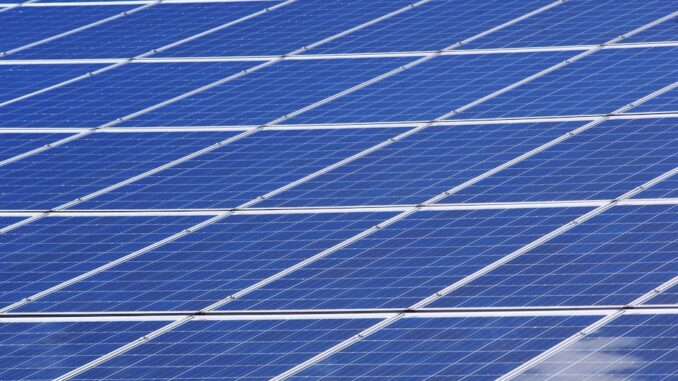
Solar Photovoltaics (PV): These are perhaps the most recognizable symbol of renewable energy. Rooftop solar panels are increasingly common, but don’t limit yourself. Building-integrated photovoltaics (BIPV) can turn facades, canopies, or even windows into power generators, blending seamlessly with architectural aesthetics. System sizing is key; it’s not just about throwing panels on the roof, but calculating optimal output based on energy needs, sun exposure, and local regulations. And let’s not forget battery storage – it’s becoming more affordable and crucial for storing excess energy for use during cloudy periods or at night, boosting self-sufficiency and resilience.
-
Solar Thermal Systems: While PV generates electricity, solar thermal systems use the sun’s energy directly to heat water for domestic use or even space heating. These are incredibly efficient for hot water production, though perhaps less common in new construction than PV. They often involve flat-plate collectors or evacuated tube collectors that absorb solar radiation and transfer it to a fluid, which then heats water in a storage tank.
-
Geothermal (Ground Source Heat Pumps – GSHP): This is where you tap into the stable temperature of the earth itself. GSHPs circulate a fluid through underground loops, extracting heat from the ground in winter to warm the building and rejecting heat into the ground in summer for cooling. They are incredibly efficient, typically achieving COPs (Coefficient of Performance) of 3-5, meaning for every unit of electricity consumed, they deliver 3-5 units of heating or cooling. Installation costs can be higher upfront due to drilling, but the long-term operational savings and minimal maintenance are significant.
-
Wind Turbines (Micro-turbines): While large wind farms are for utility-scale power, micro-turbines can be considered for specific urban or rural building applications. They’re more niche due to challenges like noise, visual impact, and planning regulations, but for the right site with consistent wind resources, they can contribute to on-site energy generation.
Beyond On-Site: Expanding Your Green Energy Reach
-
Off-site Renewable Energy Procurement: If on-site generation isn’t feasible or sufficient, you can still commit to renewables. Look into Power Purchase Agreements (PPAs) for off-site renewable projects, or subscribe to community solar programs. Many energy providers also offer ‘green tariffs’ where you can opt to have your electricity supplied from 100% renewable sources, effectively supporting the broader clean energy transition.
-
Smart Grid Integration: Our buildings are becoming smarter, and they can be active participants in the energy grid. Integrating renewable energy systems with smart controls means your building can respond to grid signals, shifting energy use to off-peak hours or even feeding excess power back to the grid when demand is high. This is demand-side management in action, a vital component of a resilient, decarbonized energy future.
6. Implement Efficient Waste Management: Building with Less Landfill
The construction industry has a notorious reputation for generating vast amounts of waste. But it doesn’t have to be this way! Minimizing construction waste isn’t just about tidiness; it’s a powerful strategy for reducing environmental impact and, frankly, saving money. Much of what typically goes into a landfill can, with a little foresight and effort, be reused, recycled, or even composted. For example, did you know that up to 40% of discarded lumber can often be repurposed for things like wood flooring material or even furniture? That’s a huge potential saving.
The 5 R’s of Construction Waste Management
It’s time to move beyond ‘reduce, reuse, recycle’ and embrace the fuller spectrum of responsible waste handling:
-
Refuse: The most potent ‘R’. Can you simply avoid using certain materials or processes that generate excessive waste in the first place? Perhaps a more efficient material, or a design that simplifies complex cuts.
-
Reduce: Optimize material quantities through precise planning, accurate ordering, and lean construction techniques. Just-in-time delivery means less material sitting around, exposed to damage or becoming surplus.
-
Reuse: Before sending anything to recycling, consider if components or materials can be directly reused on-site or off-site. This includes things like formwork, fixtures, doors, or even aggregates.
-
Recycle: For materials that can’t be reused, ensure they are properly sorted and sent to appropriate recycling facilities. This requires dedicated waste streams on-site – separate bins for wood, metal, cardboard, plastics, concrete, and drywall. It sounds simple, but it requires diligent site management and worker education.
-
Rot (Compost): For organic waste like landscaping debris or untreated wood scraps, composting can turn it into a valuable soil amendment, diverting it from landfill where it would produce methane, a potent greenhouse gas.
Strategic Waste Reduction in Practice
-
Pre-construction Waste Audits and Planning: Before a single shovel hits the dirt, analyze potential waste streams. Set clear waste diversion targets. This upfront planning is crucial for successful implementation. Identify materials that are likely to be wasted and plan strategies to reduce, reuse, or recycle them.
-
Deconstruction vs. Demolition: Whenever an existing structure needs to come down, prioritize deconstruction over demolition. Demolition is fast and destructive; deconstruction is careful, piece-by-piece dismantling to salvage maximum materials for reuse. It might take a bit longer, but the environmental benefits are enormous.
-
Material Exchanges and Networks: Don’t let perfectly good surplus materials become waste. Connect with local material exchanges, charities, or online platforms where builders can donate or sell excess materials to others who can use them. I’ve seen fantastic initiatives where perfectly good drywall cut-offs or slightly-too-much insulation finds a new home instead of going to the skip, it’s really satisfying to see.
-
Tracking and Reporting: What gets measured, gets managed. Implement systems to track waste generated, sorted, and diverted from landfill. This data helps identify areas for improvement and demonstrates your project’s commitment to sustainability.
7. Utilize Prefabrication and Modular Construction: Building Smarter, Faster, Greener
This is a real game-changer in the quest for low-carbon buildings. Assembling building components or entire modules off-site, in a controlled factory environment, brings a host of benefits that directly translate into reduced waste and minimized energy consumption throughout the construction process. It’s about bringing industrial efficiency to building construction, something we’ve seen revolutionize other industries for decades.
The Advantages of Off-Site Construction
-
Unparalleled Quality Control: Factory conditions mean consistent temperatures, protection from weather, and rigorous quality checks. This leads to higher precision, fewer defects, and a more robust final product. Imagine walls insulated and sealed to perfection without worrying about rain or wind on-site.
-
Dramatic Waste Reduction: In a controlled factory, materials can be cut with extreme precision, optimizing yields and minimizing offcuts. Any waste generated can be more easily collected, segregated, and recycled or reused right there in the factory, rather than being scattered across a messy construction site. This often means significantly less material going to landfill.
-
Accelerated Construction Schedules: With components or modules arriving on-site ready for assembly, the construction phase can be dramatically faster. Less time on-site means reduced disruption, lower site energy use (fewer generators, less temporary heating), and quicker project delivery. Imagine a building erected in weeks rather than months!
-
Enhanced Safety: A factory environment is generally much safer than an active construction site. Much of the hazardous work can be performed in a controlled setting, reducing risks for workers and improving overall safety records.
-
Cost and Schedule Predictability: The controlled nature of prefabrication allows for much greater certainty in terms of both costs and project timelines, reducing the common headaches and overruns associated with traditional construction.
-
Reduced Embodied Carbon on Site: Less site activity means less heavy machinery idling, less material transport to a fragmented site, and a generally more streamlined logistical footprint, all contributing to lower embodied carbon during the construction phase.
Types and Considerations
-
2D Panels: This involves manufacturing wall, floor, or roof panels off-site, complete with insulation, windows, and external finishes. These panels are then transported and lifted into place on the construction site.
-
3D Modules: The next level up, where entire volumetric units – think bathroom pods, kitchen modules, or even complete apartment sections – are manufactured and fully fitted out in the factory. These are then transported and stacked or connected on-site, like giant LEGO bricks, if you will.
-
Hybrid Approaches: Many projects blend traditional construction for the core structure with prefabricated elements for specific areas or for the building envelope. This offers flexibility while still capturing many of the benefits.
While design must account for transport logistics and crane access, the advancements in modular construction are undeniable. It’s not just for temporary structures anymore; high-rise hotels, student accommodation, and even bespoke residential projects are increasingly leveraging modular techniques to deliver high-quality, low-carbon buildings efficiently.
8. Optimize HVAC Systems: The Invisible Workhorse of Comfort
Even with the best passive design and insulation, modern buildings still require robust heating, ventilation, and air conditioning (HVAC) systems to maintain optimal comfort and indoor air quality. The key, however, is to select and implement high-efficiency HVAC systems that deliver precise conditioning while minimizing the energy needed to heat or cool spaces. This isn’t just about comfort; it’s a massive lever for operational carbon reduction.
Designing for Peak HVAC Efficiency
-
A Holistic Perspective: Remember, the smaller the heating and cooling load (thanks to great passive design and insulation!), the smaller and more efficient your HVAC system can be. It’s a virtuous cycle. Always tackle the building envelope first; it’s the biggest influencer on HVAC system size and energy consumption.
-
Beyond Traditional Boilers: While high-efficiency condensing boilers, which recover heat from exhaust gases, offer impressive energy cost savings (often at least 25 percent compared to older models), the real game-changer is often electrification.
-
Heat Pumps: The Electrification Revolution: Air Source Heat Pumps (ASHPs) and Ground Source Heat Pumps (GSHPs) are becoming the go-to solution for low-carbon buildings. They don’t generate heat; they move it. This means they are incredibly efficient, often delivering 3 to 5 units of heat for every unit of electricity consumed. They also provide both heating and cooling, offering a versatile, all-electric solution that can be powered by renewables. This is a crucial step towards decarbonizing building operations.
-
Energy Recovery Ventilators (ERVs) and Heat Recovery Ventilators (HRVs): For airtight, well-insulated buildings, controlled ventilation is essential for indoor air quality. ERVs and HRVs are heroes here. They bring in fresh outdoor air while recovering heat or coolness from the outgoing stale air, drastically reducing the energy loss associated with ventilation. Imagine breathing fresh air without simply throwing your expensive conditioned air out the window; that’s what these systems do.
-
Variable Refrigerant Flow (VRF) Systems: For larger commercial or multi-zone buildings, VRF systems offer incredibly precise, individualized temperature control for different areas. They allow for simultaneous heating and cooling in different zones, and their variable speed compressors mean they only deliver exactly the amount of conditioning needed, leading to significant energy savings.
-
Radiant Heating and Cooling: Systems like chilled beams, radiant floors, or ceiling panels provide comfortable, even temperatures through radiation rather than forced air. This often feels more comfortable, reduces air movement (and thus dust circulation), and can be more energy-efficient than traditional air-based systems.
-
Smart Controls and Building Management Systems (BMS): This is the brain of your HVAC system. Modern BMS integrate occupancy sensors, CO2 monitors, daylight sensors, and even predictive weather analytics to optimize system performance. They can learn building occupancy patterns, pre-condition spaces, and fine-tune settings to minimize energy use without sacrificing comfort. Think about automatically adjusting temperatures when a meeting room is empty, or pre-cooling an office floor before the heat of the day truly sets in.
-
Commissioning and Ongoing Maintenance: Even the most advanced HVAC system will underperform if it’s not properly commissioned (tested and tuned upon installation) and regularly maintained. Ongoing preventative maintenance ensures systems run at peak efficiency throughout their lifespan, protecting your investment and ensuring continued carbon savings.
9. Preserve and Protect Water: The Liquid Asset of Sustainability
Water might not immediately spring to mind when thinking about carbon emissions, but there’s a strong, often overlooked, link. Heating, pumping, and treating water all require significant amounts of energy, which in turn generates carbon. So, conserving water in our buildings isn’t just about saving a precious resource; it’s also a powerful strategy for lowering our energy consumption and carbon footprint.
Smart Water Use: Reducing, Reusing, Recycling
-
Low-Flow Fixtures are a Must: This is foundational. Installing low-flow toilets, showerheads, and tap aerators can dramatically reduce potable water consumption without sacrificing performance or comfort. Modern fixtures are designed to deliver a satisfying experience with far less water than their older counterparts.
-
Smart Irrigation and Landscaping: For exterior landscaping, embrace drought-tolerant native plants that require minimal irrigation. Implement smart irrigation systems that use rain sensors, soil moisture sensors, and weather forecasts to water only when necessary. Drip irrigation systems deliver water directly to plant roots, minimizing evaporation and waste.
-
Leak Detection Systems: Tiny leaks can lead to huge waste over time. Install smart leak detection systems that can alert building managers (or homeowners) to unusual water consumption patterns or actual leaks, preventing significant water loss and potential damage.
-
Rainwater Harvesting: Why use treated potable water for non-drinking purposes when rainwater is free and abundant? Rainwater harvesting systems collect and filter runoff from roofs, storing it for uses like toilet flushing, irrigation, and even laundry. It reduces strain on municipal water supplies and lowers the energy associated with treating and pumping that water.
-
Greywater Recycling: This is a step further. Greywater systems treat and reuse water from sinks, showers, and washing machines (excluding toilet water) for non-potable uses. While more complex to install and maintain, they can significantly reduce a building’s reliance on fresh water, especially in arid regions or large commercial buildings.
-
Waste Water Heat Recovery (WWHR) Systems: This is a particularly clever technology that directly links water and energy savings. WWHR systems capture the heat from warm wastewater (from showers, baths, laundry) before it goes down the drain. This captured heat is then used to pre-warm incoming cold fresh water, reducing the energy needed by the water heater. It’s like giving your water heater a head start, saving energy and money, and consequently lowering overall carbon emissions. Imagine getting a significant portion of your hot water pre-heated essentially for free, every time someone takes a shower!
-
Permeable Paving: In outdoor spaces, permeable paving materials allow stormwater to infiltrate the ground naturally, reducing runoff into storm drains and replenishing groundwater. This also mitigates urban heat island effects and can reduce the need for extensive conventional stormwater infrastructure.
10. Buy Local Materials: The Power of Proximity
It might seem like a smaller detail in the grand scheme of things, but the journey a material takes from its origin to your building site carries a significant carbon footprint. This is where the simple, yet profound, act of purchasing materials from local sources really shines. The transportation of materials, often over vast distances from manufacturing facilities to the construction site, adds substantially to the embodied carbon of your building.
The Multifaceted Benefits of Local Sourcing
-
Reduced Transportation Emissions: This is the most obvious win. Shorter supply chains mean less fuel consumed by trucks, trains, or ships, and consequently, fewer greenhouse gas emissions. Imagine a ton of steel traveling 100 miles versus 1,000 miles; the carbon savings are undeniable. When you’re thinking about the whole lifecycle of a product, those transport miles really add up.
-
Boosting the Local Economy: Beyond the environmental benefits, buying local supports regional businesses, creates jobs within your community, and keeps money circulating closer to home. It fosters a healthier, more resilient local economy, which is a big win in my book.
-
Enhanced Supply Chain Transparency and Resilience: When your materials come from nearby, it’s often easier to verify their sourcing, ethical production practices, and environmental credentials. Plus, local supply chains are generally less vulnerable to global disruptions, offering greater reliability and reducing lead times, which can keep your project on schedule.
-
Materials Suited to Local Context: Local materials often have a natural affinity for the regional climate and architectural vernacular. They might be inherently more durable or better performing in the local environment, and they can help a building feel more ‘rooted’ in its place, rather than an alien imposition.
-
Reduced Waste and Damage: Shorter transit times often mean less handling and less opportunity for materials to be damaged in transit, further reducing waste on-site.
Navigating the Local Landscape
-
Defining ‘Local’: What constitutes ‘local’ can vary. Some certifications define it as within 500 miles, others might be tighter, or broader depending on the material’s availability. The key is to strive for the shortest viable distance, balancing proximity with quality and performance requirements.
-
The Challenge of Availability: While the benefits are clear, sometimes specialized or high-performance materials simply aren’t available locally. This is where a balanced approach is needed, prioritizing local where feasible and making informed choices for materials that must come from further afield. It’s about being pragmatic, not dogmatic.
-
Certification and Verification: Ask questions about where materials are made, processed, and extracted. Look for documentation that supports local claims, such as invoices from regional suppliers. Sometimes it requires a bit of detective work, but it’s worth it to ensure your efforts are genuine.
By diligently implementing these comprehensive strategies – from the initial sketch of the design to the final selection of a local brick – you aren’t just constructing buildings; you’re actively shaping a more sustainable, resilient future. It’s a challenging, yet incredibly rewarding path, and one that every professional in our industry should wholeheartedly embrace. Let’s build buildings that truly inspire, for generations to come.
Be the first to comment