
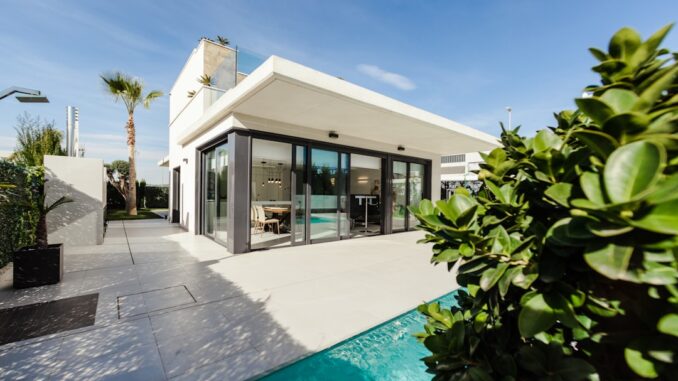

Crafting Your Legacy: A Deep Dive into Building a Bespoke, Low-Impact Home
Embarking on the journey to create a bespoke home with a minimal environmental footprint isn’t merely a construction project; it’s a profound commitment, a statement of values, and genuinely, one of the most exciting and rewarding ventures you can undertake. Imagine a living space that not only perfectly mirrors your style and needs but also whispers tales of thoughtful planning, sustainable choices, and a deep respect for our planet. That’s the dream, isn’t it? Bringing this vision to life demands meticulous attention to detail, innovative material selection, and the seamless integration of systems that champion energy efficiency. But trust me, the payoff—a home that’s healthier, more economical to run, and leaves a lighter touch on the Earth—is absolutely worth every bit of effort. Let’s really dig in and explore how you can transform this dream into a tangible reality, all while treading ever so lightly.
1. Laying the Green Foundation: Site Selection and Design
Successful low-energy building design hinges on careful planning. Focus360 Energy can help.
Before a single shovel breaks ground, the very first, and perhaps most pivotal, decision you’ll make revolves around your site. Choosing the right location isn’t just about the view or the neighborhood; it’s the foundational step towards genuine sustainability. A well-selected site can passively work with you, becoming an invisible partner in your home’s energy performance.
Finding Your Eco-Haven: Smart Site Selection Strategies
When you’re scouting locations, think beyond curb appeal. Opt for a site that inherently minimizes disruption to the existing natural environment. Are there mature trees you can preserve for natural shading? Does the land’s natural slope offer opportunities for smart drainage or even a walk-out basement that reduces excavation? Building on a south-facing slope, for instance, isn’t just aesthetically pleasing; it can become your best friend in colder climates, maximizing passive solar gain during winter months, pulling in that gorgeous, free warmth. Conversely, in warmer regions, selecting a site with natural shade from existing deciduous trees to the west and east can significantly reduce your cooling load.
Consider the site’s microclimate too. Are there prevailing winds that could be harnessed for natural ventilation or, conversely, blocked to prevent heat loss? What about the existing hydrological patterns? Minimizing interference with natural water flows helps prevent erosion and preserves local ecosystems. And, let’s not forget the bigger picture. Choosing a site that’s close to existing infrastructure, public transport, and local amenities can dramatically reduce your home’s long-term transportation emissions, making your daily life inherently more sustainable. Imagine being able to walk or bike to the local market; it’s not just charming, it’s profoundly green.
Designing with Nature: Passive Principles for a Healthier Home
Once you’ve secured your slice of paradise, the design phase becomes an exciting dance with nature. Your home’s orientation, window placement, and overall layout aren’t just about aesthetics, they’re critical tools in creating a comfortable, energy-efficient space. The goal? To harness natural light and ventilation so effectively that you barely need to flip a switch or crank the thermostat.
Incorporating generous, strategically placed windows, especially on the south side (in the Northern Hemisphere), isn’t just for letting the sunshine in. It can dramatically reduce the need for artificial lighting during the day and, as we touched on, contributes significantly to passive heating. But it’s not simply about big windows; it’s about smart windows. Think about incorporating overhangs, louvers, or even pergolas on those south-facing exposures to shade the interior from harsh summer sun while still allowing lower winter sun to penetrate. Similarly, designing for excellent cross-ventilation—placing windows on opposing walls to create a natural air current—can work wonders for enhancing indoor air quality and comfort, often negating the need for air conditioning on milder days. Remember, a cool breeze through the house on a summer evening? That’s luxury, and it’s free. We’re talking about a design that actively breathes, making your living environment feel fresher, more vibrant, and connected to the outdoors.
2. The Heart of Green Building: Sustainable Materials
The materials you choose literally form the bones and skin of your home, and their environmental impact varies wildly. This is where your commitment to sustainability really shines through, from the foundation to the finishes. Selecting eco-friendly materials is more than a trend; it’s a cornerstone of responsible construction.
Beyond the Conventional: Sourcing Smarter
My advice? Always lean towards locally sourced materials. Why? Because reducing transportation emissions is a huge win for the planet. Think about it: a material shipped across continents carries a much larger carbon footprint than one sourced from a regional supplier. Plus, buying local often means supporting local economies and craftspeople, which is a fantastic bonus.
But the journey doesn’t stop there. Reclaimed wood from old barns or factories, recycled steel salvaged from industrial projects, and other salvaged materials aren’t just environmentally sound choices; they tell a story. These materials often possess a character, a patina, that new materials simply can’t replicate, adding a unique, undeniable soul to your home. I once saw a stunning kitchen island crafted from reclaimed bowling alley lanes; the history in that wood was just palpable. Similarly, consider materials like straw bales for insulation or natural clay plasters. These aren’t newfangled ideas; they’re ancient building techniques rediscovered for their incredible thermal performance and minimal processing.
When evaluating materials, think about their entire lifecycle—from raw material extraction to manufacturing, transportation, installation, and ultimately, disposal or reuse. This is what’s called ’embodied energy.’ Materials like bamboo, a rapidly renewable grass, or cork, harvested from tree bark without felling the tree, offer excellent options. Recycled content materials, such as countertops made from recycled glass or insulation from recycled denim, divert waste from landfills and reduce the demand for virgin resources. Even concrete, often seen as a culprit, can be made more sustainable by incorporating fly ash or slag cement, byproducts that reduce the need for energy-intensive Portland cement. And for all wood products, insist on certifications like the Forest Stewardship Council (FSC) label, ensuring the timber comes from responsibly managed forests.
Breathing Easy: The Importance of Non-Toxic Finishes
This is a critical, yet often overlooked, aspect of building a healthy home: the air you breathe inside. Incorporating non-toxic paints, sealants, and finishes isn’t just ‘nice to have’; it’s essential for ensuring superior indoor air quality. Low-VOC (volatile organic compounds) products release significantly fewer harmful airborne pollutants into your living space. These chemical off-gassings can contribute to a range of health issues, from respiratory problems and headaches to more serious concerns.
Think about natural alternatives too: paints made from clay, milk, or plant-based pigments offer beautiful, durable, and truly non-toxic options. For flooring, consider natural linoleum, cork, or responsibly sourced hardwood with low-VOC finishes instead of synthetic carpets that can trap allergens and off-gas chemicals. It’s not just about what you see; it’s about creating a truly healthy envelope for you and your family, especially if there are children or individuals with sensitivities living there. A home that feels clean, pure, and genuinely fresh from the moment you step inside, that’s the real goal, isn’t it?
3. Powering Down: Unlocking Superior Energy Efficiency
An energy-efficient home isn’t just about saving money on utility bills; it’s about smart design, advanced technology, and creating a supremely comfortable living environment. This category, frankly, is where your home’s performance truly shines, dramatically reducing its operational footprint.
The Envelope, Please: Insulation and Air Sealing Mastery
Think of your home’s outer shell as a high-performance jacket. It needs to be incredibly well-insulated and virtually airtight to keep conditioned air in and unconditioned air out. This isn’t an area for compromise. Proper insulation in your walls, roof, and floors acts as a thermal barrier, preventing heat loss in winter and heat gain in summer, drastically reducing the demand on your heating and cooling systems. We’re not just talking about traditional fiberglass batt insulation here; consider options like dense-pack cellulose, rigid foam panels, mineral wool, or even spray foam, each offering different R-values (a measure of thermal resistance) and application benefits. Continuous insulation layers are key to preventing thermal bridging, which is essentially heat finding an easy path through framing members.
Equally crucial, if not more so, is sealing air leaks. All the insulation in the world won’t matter if conditioned air is constantly escaping through gaps and cracks. Sealing openings around windows, doors, electrical outlets, plumbing penetrations, and where different building materials meet with high-quality weatherstripping, caulk, and specialized tapes can make a monumental difference. A blower door test, performed by an energy auditor, can precisely pinpoint these invisible leaks, allowing you to seal them meticulously. This rigorous air sealing isn’t just about energy savings; it’s also vital for moisture control and preventing drafts, which means a far more comfortable, consistent indoor temperature. Have you ever sat near a window in winter and felt that chilling draft? That’s exactly what we’re aiming to eliminate.
And let’s not forget high-performance windows and doors. Look for double or even triple-glazed units with low-emissivity (low-E) coatings and inert gas fills (like argon or krypton) between the panes. These features drastically reduce heat transfer while still allowing light in. The frames themselves also matter; fiberglass, wood, or even high-quality vinyl composite frames offer superior thermal performance compared to standard aluminum.
Smart Systems: Efficient Appliances and HVAC
Beyond the building envelope, the mechanical systems and everyday appliances in your home play a huge role in its overall energy consumption. Investing in energy-efficient appliances and lighting will pay dividends for years to come.
Always, and I mean always, choose appliances with the ENERGY STAR label. This certification isn’t just a sticker; it indicates superior energy performance, meaning these products consume less energy without sacrificing features or performance. From your refrigerator and dishwasher to your washing machine and oven, making this choice can collectively reduce your household’s energy demand significantly.
When it comes to heating, ventilation, and air conditioning (HVAC), think smart. High-efficiency furnaces, boilers, and especially heat pumps (which move heat rather than generate it) are transformative. Air-source heat pumps are great in many climates, while ground-source (geothermal) heat pumps offer incredible efficiency, leveraging the stable temperature of the earth to provide heating and cooling. Also, integrate Energy Recovery Ventilators (ERVs) or Heat Recovery Ventilators (HRVs). These systems provide a continuous supply of fresh, filtered air without losing the heat or coolness you’ve already paid for. They’re game-changers for indoor air quality in a tightly sealed home. Don’t forget to ensure your HVAC ducts are properly sealed and insulated; leaks in the ductwork can waste a surprising amount of energy.
And for lighting? Make the switch to LED lighting throughout your entire home. LEDs consume a fraction of the electricity of traditional incandescent or even CFL bulbs, last dramatically longer, and offer excellent light quality. Many are dimmable, allowing you to create just the right ambiance while saving even more energy. Smart lighting systems, which allow for scheduling and remote control, can further enhance efficiency and convenience. Even small things, like using smart power strips to eliminate phantom loads from electronics, add up to substantial savings over time.
4. Harnessing Nature’s Power: Renewable Energy Systems
To truly push your home into the realm of ultra-low impact, integrating renewable energy sources is the logical next step. These systems aren’t just cutting-edge; they are robust, reliable, and increasingly affordable, effectively reducing your reliance on fossil fuels and often significantly lowering—or even eliminating—your utility bills.
Solar PV: Tapping into the Sun’s Bounty
Solar photovoltaic (PV) panels are probably the most recognized renewable energy system, and for good reason. They silently convert sunlight directly into electricity. You can install them on your rooftop, integrate them into your building materials (known as Building-Integrated Photovoltaics or BIPV), or even have ground-mounted arrays if you have the space. The beauty of solar is its versatility. Most residential systems are ‘grid-tied,’ meaning they’re connected to your local utility grid, allowing you to draw power when your panels aren’t producing enough (like at night) and feed excess power back to the grid (often through ‘net metering’ programs, which credit you for the power you produce).
For those seeking greater energy independence, ‘hybrid’ systems combine grid-tie with battery storage, allowing you to store excess solar energy for use during peak times or power outages. And for truly off-grid living, standalone solar-plus-battery systems are entirely feasible, though they require careful planning. The technology has matured incredibly; modern solar panels are efficient, durable, and require minimal maintenance, typically coming with long warranties—often 25 years or more. Imagine your electricity meter running backward; it’s a wonderfully satisfying feeling!
Geothermal: Unearthing Consistent Comfort
Beyond solar, geothermal heat pump systems represent another incredibly efficient way to heat and cool your home. Instead of relying on outside air temperatures, which fluctuate wildly, geothermal systems tap into the stable temperature of the earth a few feet below the surface. A network of underground pipes, called a ‘ground loop,’ circulates a fluid that absorbs or dissipates heat. In winter, the fluid absorbs heat from the earth and transfers it into your home; in summer, it reverses the process, carrying heat from your home back into the cooler ground.
These systems are remarkably efficient, often boasting Coefficients of Performance (COPs) far higher than traditional HVAC systems. This means they deliver several units of heating or cooling energy for every unit of electrical energy consumed. They are also incredibly quiet, have a very long lifespan (the underground loops can last 50+ years), and offer consistent comfort. While the initial installation can be more involved due to the excavation for the ground loop, the long-term energy savings and environmental benefits are substantial. There are different types of ground loops too: horizontal, vertical, and even pond loops if you have a suitable body of water on your property. Each site offers unique opportunities, and it’s worth exploring them.
Don’t forget solar hot water heaters either. These systems use collectors to absorb sunlight and heat water directly, providing a significant portion of your domestic hot water needs without consuming electricity or natural gas. Pair these systems with government incentives, like federal tax credits or state-specific rebates, and they become not just environmentally responsible but also financially smart investments.
5. Conscious Consumption: Water Conservation Strategies
Water is a precious resource, and frankly, too often taken for granted. A truly sustainable home integrates smart strategies to dramatically reduce its water footprint, both indoors and out. Every drop really does count.
Inside the Home: Smart Fixtures and Appliances
Starting indoors, implementing water-saving fixtures is a no-brainer. Low-flow faucets, showerheads, and dual-flush toilets are not just buzzwords; they’re essential tools in reducing your daily water consumption without compromising performance. Modern low-flow showerheads provide an excellent spray while using significantly less water per minute, often saving thousands of gallons annually. Dual-flush toilets give you the option for a ‘half-flush’ for liquid waste and a ‘full-flush’ for solids, drastically cutting down on water per use. Similarly, choose ENERGY STAR certified dishwashers and washing machines; these appliances are designed to use far less water (and energy) per cycle than older models. It’s truly amazing how much water we used to waste without even realizing it.
Outside the Home: Rainwater and Greywater Gold
The real game-changers, however, often lie outside the immediate plumbing. Installing a rainwater harvesting system is a fantastic way to capture a free resource directly from your roof. This collected rainwater, stored in cisterns or simple rain barrels, can then be used for irrigation, car washing, or even flushing toilets and doing laundry (after appropriate filtration). Not only does this reduce your reliance on municipal water, but it also helps manage stormwater runoff, preventing erosion and reducing strain on public infrastructure. Just be aware that some jurisdictions have specific regulations regarding rainwater harvesting, so always check local codes.
Taking it a step further, consider a greywater recycling system. Greywater is defined as wastewater from sinks, showers, and laundry—essentially, anything but toilet water (which is ‘blackwater’). This relatively clean water can be captured, minimally treated, and then reused for non-potable purposes like landscape irrigation. Imagine your showers feeding your garden; it’s a beautifully closed loop. It requires thoughtful plumbing design to separate greywater from blackwater, but the water savings are phenomenal, especially in drought-prone regions. And speaking of the garden, embrace xeriscaping—landscaping with drought-tolerant native plants—and implement smart irrigation techniques like drip systems and weather-sensing controllers to deliver water precisely where and when it’s needed, minimizing evaporation and waste.
6. The Circular Economy at Home: Waste Reduction
Waste reduction in green building isn’t just about what goes into your home, it’s also about what doesn’t go to the landfill during construction, and how your home supports waste reduction during its entire lifespan. This holistic approach is crucial for supporting a true circular economy.
Building Smart: Minimizing Construction Waste
Construction is notoriously wasteful, but your project doesn’t have to be. Proactive planning is the secret weapon here. Before construction even begins, work closely with your architect and builder on detailed material take-offs. This means calculating precisely how much of each material you’ll need, minimizing over-ordering and subsequent waste. Consider modular construction or prefabrication for certain components, as these methods often lead to less on-site waste because parts are built in a controlled factory environment.
Once on site, implement a rigorous waste management plan. This means dedicated bins for various recyclable materials—wood, metal, drywall, cardboard, plastics—and ensuring these are regularly collected and sent to appropriate recycling facilities. Usable off-cuts and scraps can often be donated to local schools, community projects, or salvaged for smaller tasks. In some cases, ‘deconstruction’ rather than demolition of existing structures on site allows for the salvage and reuse of a vast array of materials, from old-growth lumber to antique fixtures. The goal here is to divert as much as possible from ending up in a landfill. I’ve worked on projects where we achieved 90% waste diversion; it’s entirely achievable with commitment.
Living Thoughtfully: Designing for Future Waste
Waste reduction also extends to the operational life of your home. Design dedicated, convenient spaces for recycling bins and composting. Easy access encourages good habits. Furthermore, when selecting materials, consider their ‘end-of-life’ potential. Can that carpet be recycled? Can the composite decking be reused or repurposed decades down the line? This kind of foresight ensures that your sustainable home continues its low-impact legacy long after it’s built. Choosing products with minimal, recyclable, or compostable packaging is another small but significant way to reduce waste right from the delivery truck.
7. The Unseen Advantage: Elevating Indoor Air Quality (IAQ)
What’s the point of a beautifully green, energy-efficient home if the air inside makes you feel unwell? This is a question I often pose, because truly, excellent Indoor Air Quality (IAQ) is non-negotiable for a genuinely healthy home. It’s an unseen advantage that profoundly impacts your daily well-being.
A Breath of Fresh Air: Ventilation and Source Control
Ensuring good IAQ goes far beyond just using non-toxic materials, though that’s a critical starting point. It’s about proactive management of your home’s air. In our tightly sealed, energy-efficient homes, mechanical ventilation systems like Energy Recovery Ventilators (ERVs) or Heat Recovery Ventilators (HRVs) are absolute essentials. These systems continuously bring in fresh outdoor air while exhausting stale indoor air, and crucially, they do so with minimal energy loss, recovering heat or coolness. This constant air exchange prevents the buildup of pollutants, humidity, and odors.
Beyond mechanical systems, smart ventilation includes operable windows for natural airflow, and dedicated exhaust fans in kitchens and bathrooms to quickly remove moisture, cooking fumes, and other pollutants at the source. But ventilation is only one piece of the puzzle. ‘Source control’ is equally important. This means actively limiting the pollutants that enter or are generated within your home. Think about implementing a ‘shoes off’ policy at the door to prevent tracking in outdoor pollutants, or using robust entryway mats. Choose formaldehyde-free cabinetry, natural fiber carpets (or better yet, hard surfaces like wood, cork, or linoleum), and avoid synthetic air fresheners or harsh chemical cleaners that introduce harmful VOCs.
Filtering and Flourishing: Filtration and Biophilic Touches
Air filtration in your HVAC system also plays a vital role. Use high-quality filters with a good MERV (Minimum Efficiency Reporting Value) rating to capture dust, pollen, pet dander, and other airborne particles. For those with allergies or sensitivities, portable air purifiers with HEPA filters can offer an additional layer of protection in specific rooms.
And let’s not forget moisture control. Preventing mold and mildew growth is paramount for IAQ and, indeed, for the structural integrity of your home. Proper ventilation, sealing leaks, and quickly addressing any water intrusion are essential. Finally, consider the power of biophilic design. Incorporating indoor plants isn’t just for aesthetics; certain plants can naturally filter the air, removing common toxins and contributing to a more vibrant, oxygen-rich environment. It’s a wonderful, natural touch that completes the picture of a truly healthy home.
8. Making Green Attainable: Financial Incentives and Future Value
Building a sustainable home is an investment, absolutely, but it’s an investment that often comes with significant financial support and yields impressive long-term returns. Don’t overlook the myriad of incentives designed to make green building more accessible.
Unlocking the Savings: Rebates, Credits, and Certifications
Take advantage of every federal tax credit and rebate available for energy-efficient home improvements and renewable energy installations. In the U.S., for instance, the federal government offers robust tax credits for solar PV systems, geothermal heat pumps, and certain energy-efficient upgrades. These aren’t just small deductions; they can often offset a substantial portion of the initial investment, making these sustainable choices far more financially feasible. Beyond federal programs, many states and local municipalities offer their own incentives, such as property tax abatements for green homes, low-interest loans, or direct rebates from utility companies for installing energy-efficient appliances or upgrading insulation. It’s well worth researching what’s available in your specific area; these programs change, so staying current is key.
Furthermore, consider pursuing green building certifications for your home. Programs like LEED for Homes, Passive House, ENERGY STAR Homes, or the National Green Building Standard provide a rigorous framework for sustainable construction and offer third-party validation of your home’s environmental performance. These certifications aren’t just about bragging rights; they can significantly increase your home’s resale value. Buyers are increasingly recognizing the long-term savings and health benefits associated with certified green homes, often being willing to pay a premium. It’s an investment in both your present and your future equity.
The Long Game: ROI and Future-Proofing
Beyond the immediate incentives, the long-term Return on Investment (ROI) for a sustainable home is compelling. Lower utility bills, year after year, mean more money in your pocket. The increased durability and reduced maintenance needs of high-quality, sustainable materials also contribute to savings over the home’s lifespan. And let’s not forget the intangible, yet profoundly valuable, benefits: improved indoor air quality can lead to better health outcomes, potentially reducing medical costs and improving overall quality of life. Can you really put a price on feeling better in your own home?
Ultimately, building a green home is about future-proofing. As energy costs continue to fluctuate and climate change concerns mount, a home designed for resilience, efficiency, and self-sufficiency becomes an increasingly valuable asset. It’s an adaptation to a changing world, ensuring your living space remains comfortable, affordable, and aligned with your values for decades to come. This isn’t just about constructing walls and a roof; it’s about building a better future, one thoughtfully designed, low-impact home at a time.
By thoughtfully integrating these comprehensive strategies, from the initial spark of an idea to the very last detail, you can truly build a bespoke home that not only reflects your unique personal style and needs but also minimizes its environmental impact. Remember, every decision counts toward creating a sustainable, comfortable, and truly exceptional living space. It’s a journey, for sure, but one that promises deep satisfaction and a legacy you can be proud of.
Be the first to comment