

Designing and constructing an energy-efficient home, it’s a huge undertaking, isn’t it? But really, it isn’t just about shaving a few dollars off your monthly utility bills, though that’s certainly a welcome perk. No, it’s about crafting a sanctuary, a living space that breathes with you, offers unwavering comfort, and stands as a testament to sustainable living for decades to come. When we really focus on these critical areas during those foundational planning and building phases, you can honestly ensure your new home won’t just perform admirably, it’ll truly stand out in both its efficiency and the sheer quality of life it offers.
The Foundational Blueprint: More Than Just Four Walls
Before you even think about swinging a hammer, the choices you make on paper, in those initial design meetings, are absolutely paramount. Think of it like this: you’re not just building a house; you’re orchestrating a symphony of sustainable elements, each playing its part to create a harmonious, energy-smart environment. Let’s delve into these core strategies, peeling back the layers to reveal how each contributes to a home that’s not only kind to your wallet but also to the planet.
Successful low-energy building design hinges on careful planning. Focus360 Energy can help.
1. Optimize Building Orientation and Design: Harnessing Nature’s Free Resources
Believe it or not, the way you decide to position your home on its plot can profoundly influence its energy performance. It’s like setting a sail – you want to catch the wind just right. By generally orienting the building along an east-west axis, you inherently minimize the impact of the sun’s most intense heat. You see, west-facing windows, especially large ones, can become real heat traps in the late afternoon during summer, turning rooms into uncomfortable ovens. So, reducing their size or number on that western facade can make a world of difference.
But it’s not just about avoiding heat; it’s about inviting it in when you need it. South-facing windows, on the other hand, are your best friends in winter, welcoming in that lovely, low-angle solar warmth. Yet, come summer, that same south face needs a smart approach. Incorporating strategically designed shading devices – think deep eaves, pergolas adorned with deciduous vines, or even external movable blinds – allows you to control that solar heat gain beautifully. These elements provide shade when the sun is high and hot, while still letting it stream in during the cooler months when it’s lower in the sky. It’s a delicate dance with the sun, really. For instance, I once visited a home in Arizona that had these incredible automated louvers. In summer, they’d track the sun, blocking out the harsh rays, but in winter, they’d open completely, flooding the living spaces with warmth. It was genius, a true masterclass in passive control.
Beyond just windows, consider the overall shape of your home. A compact, often square or rectangular footprint, generally has less exposed surface area than a rambling, multi-winged design, meaning less opportunity for heat loss or gain. Also, don’t forget about the wind! Understanding the prevailing breezes in your area can inform window placement for effective cross-ventilation, creating natural cooling paths through your home. It’s a simple concept, but so often overlooked, wouldn’t you agree?
2. Enhance Insulation and Air Sealing: Your Home’s Thermal Armor
A building envelope that’s both well-insulated and practically airtight isn’t just important for energy efficiency, it’s absolutely crucial. Think of your home as a giant cooler, you want to keep the cold in during summer and the heat in during winter, right? High-quality insulation acts as that thermal barrier, slowing down the transfer of heat. You’ve got options here: traditional fiberglass batts, blown-in cellulose made from recycled paper, or cutting-edge spray foam (both open-cell and closed-cell varieties). Each has its own R-value – a measure of its thermal resistance – and specific applications in walls, roofs, and floors. For instance, closed-cell spray foam, while pricier, offers a fantastic R-value per inch and acts as an air barrier too, really giving you a double whammy of performance.
But insulation alone isn’t enough. Air sealing is its inseparable partner. Imagine blowing up a balloon with a tiny pinprick – all that effort for nothing. Similarly, if you’ve got gaps and cracks in your home’s envelope, conditioned air will leak out, and unconditioned air will sneak in, undermining even the best insulation. Common culprits include attic hatches, electrical outlets and switches on exterior walls, plumbing penetrations, and the often-forgotten rim joists in basements or crawl spaces. Properly sealing these pathways with caulk, expanding foam, or specialized tapes stops that unwanted air movement dead in its tracks. It’s truly amazing what a difference a meticulous air-sealing job makes. I remember living in an older apartment, and no matter how high I cranked the heat, I could always feel those icy tendrils of draft around the windows and baseboards. A properly sealed home just has a consistent, comfortable temperature throughout, no cold spots, no surprises, just pure bliss, honestly.
Another critical element here is thinking about a continuous insulation layer. This means minimizing thermal bridging, which is when structural elements like wood studs create pathways for heat to escape, even through otherwise insulated walls. External rigid insulation boards can help interrupt these bridges, creating a truly robust thermal shell for your home.
3. Select Energy-Efficient Windows and Doors: The Eyes and Entryways of Efficiency
Windows and doors are notorious weak points in a building’s thermal performance; they’re often the Achilles’ heel of an otherwise well-insulated home. But modern technology has come so far! Opting for double- or even triple-glazed windows means you’re getting multiple panes of glass separated by an inert gas like argon or krypton, significantly reducing heat transfer. Then there are Low-Emissivity (Low-E) coatings, incredibly thin, transparent metallic layers that reflect infrared light. This means they keep heat inside during winter and outside during summer, performing a neat trick of selective reflection depending on the season.
Beyond the glass, the frames matter too. Insulated frames – often made from vinyl, fiberglass, or wood with thermal breaks – prevent heat from escaping or entering through the frame itself, which can be a significant pathway. When you’re looking at specifications, pay attention to the U-factor (how well a window prevents heat from escaping), the Solar Heat Gain Coefficient (SHGC) which tells you how much solar radiation passes through, and the Visible Transmittance (VT), indicating how much light comes through. A low U-factor and an SHGC tailored to your climate are what you’re generally aiming for.
And let’s not forget the installation. Even the highest-rated window won’t perform if it’s poorly installed. Precise sealing around the frames with appropriate flashing and sealants is absolutely essential to prevent air leaks that can undermine the efficiency of the entire structure. For doors, solid core construction, robust weatherstripping around the perimeter, and insulated panels are key. A good, tight-fitting, well-sealed door feels substantial and effectively keeps the elements out, doesn’t it?
4. Incorporate Passive Solar Design: Letting the Sun Do the Work
Passive solar design is truly elegant because it harnesses the sun’s natural movement and energy to heat and cool your home without any mechanical systems. It’s like designing your home to breathe with the seasons. The core principle is straightforward: orient your building to maximize sunlight during the cold winter months and strategically minimize it in the scorching summer. This thoughtful approach drastically reduces your reliance on energy-intensive mechanical heating and cooling systems.
There are several clever passive solar strategies. Direct gain involves letting sunlight stream directly into living spaces through south-facing windows, warming thermal mass elements like concrete floors, masonry walls, or even water features. These materials absorb the sun’s heat during the day and slowly release it at night, evening out temperature swings. Indirect gain uses something like a Trombe wall – a thick, south-facing masonry wall with a glass panel in front, creating a sealed air space that warms up and radiates heat into the house. Then you have isolated gain, typically a sunspace or solarium, which acts as a greenhouse attached to the main living area, collecting heat and transferring it. I love visiting homes that have beautifully integrated sunspaces, especially on a chilly winter morning, it’s just glorious to feel that natural warmth.
Overhangs, pergolas, and carefully selected deciduous trees play pivotal roles in optimizing solar gains. They provide shade in summer when the sun is high and strong, but shed their leaves in winter, allowing the lower winter sun to penetrate and warm your home. Beyond heating, passive design embraces natural ventilation. Strategic window placement for cross-ventilation, where breezes enter through one side and exit through another, can create wonderful cooling air currents. Stack ventilation, utilizing the principle that warm air rises, can also draw hot air out through high-level vents as cooler air enters below. It’s all about thoughtful design that works with nature, not against it, giving you a naturally comfortable home with minimal energy input. Who wouldn’t want free heat and cooling from the sun, I ask you?
Advanced Systems and Sustainable Choices: Beyond the Basics
Once you’ve nailed the fundamental design elements, it’s time to think about the systems and materials that will further elevate your home’s energy performance and environmental footprint. These are the choices that push your home from merely ‘efficient’ to truly ‘high-performance’ and sustainable.
5. Invest in Energy-Efficient Appliances and Systems: Smart Consumption
Selecting energy-efficient appliances and mechanical systems can have a profound impact on your home’s overall energy consumption. This is where your investment really starts to pay dividends month after month. Let’s talk HVAC first. High-efficiency heat pumps, whether air-source or ground-source (geothermal), are incredibly efficient at both heating and cooling because they simply move heat rather than generating it. Look for high Seasonal Energy Efficiency Ratio (SEER) ratings for cooling and Heating Seasonal Performance Factor (HSPF) for heating. Ductless mini-splits are also fantastic for zoning, allowing you to heat or cool only the rooms you’re using. And if you’re set on a furnace, make sure it’s a high-efficiency model, often rated by its Annual Fuel Utilization Efficiency (AFUE).
Water heating is another major energy hog. Consider tankless water heaters that only heat water on demand, or even better, a heat pump water heater which extracts heat from the surrounding air. Solar hot water systems are also a brilliant option, using the sun to pre-heat your water. Beyond the big systems, every appliance counts. Look for Energy Star certified refrigerators, dishwashers, washing machines, and dryers. These labels aren’t just for show; they signify that the product meets strict efficiency guidelines. Smart controls, like programmable or learning digital thermostats, take efficiency a step further. They can learn your habits, adjust settings based on occupancy, and even integrate with weather forecasts to pre-condition your home. Imagine coming home to a perfectly comfortable house without ever touching the thermostat! My friend, Sarah, recently replaced her 15-year-old fridge with a new Energy Star model, and she literally saw her electricity bill drop by 10% the very next month. The immediate impact can be quite surprising, actually.
Don’t overlook lighting either. LED technology has revolutionized home illumination, offering incredible longevity and energy savings compared to incandescent or even CFL bulbs. And for maintaining healthy indoor air quality while preventing heat loss, consider an Energy Recovery Ventilator (ERV) or a Heat Recovery Ventilator (HRV). These systems bring in fresh outdoor air while recovering heat (or coolness) from the outgoing stale air, providing constant fresh air without compromising your indoor temperature. It’s a game-changer for airtight homes.
6. Utilize Renewable Energy Sources: Stepping Towards Energy Independence
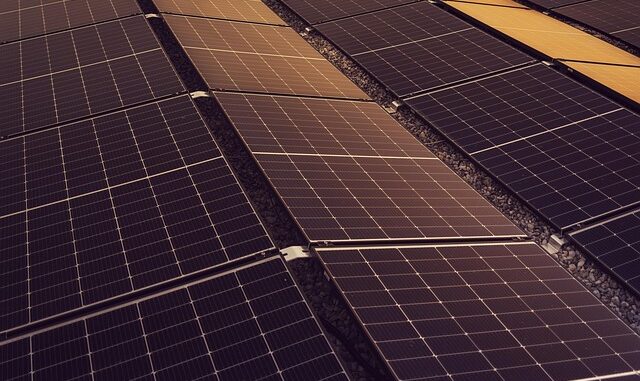
Integrating renewable energy systems into your home is arguably the most proactive step you can take towards energy independence and a minimal carbon footprint. We’re talking about generating your own clean power, right there on your property. Solar photovoltaic (PV) panels are the most common and recognizable option. They convert sunlight directly into electricity. You’ll typically connect them to the grid (grid-tied system), meaning you can draw power when your panels aren’t producing enough and send excess power back to the grid for credits (net metering). Adding battery storage can take it a step further, allowing you to store your self-generated power for use at night or during outages, enhancing your energy resilience. Before committing, it’s always wise to hire a professional to conduct a detailed solar feasibility study, determining optimal panel placement, potential generation, and suitable system size for your specific location and energy needs.
Geothermal systems are another fantastic, though often more substantial, investment. They tap into the stable underground temperatures to provide incredibly efficient heating and cooling. A network of pipes buried underground either absorbs heat from the earth in winter or dissipates it in summer. While the initial cost can be higher, the long-term operational savings are significant, and the comfort is unmatched. In certain rural or windy locations, small residential wind turbines might be a viable option, but these require specific site conditions and zoning considerations. Beyond these, there are emerging technologies like micro-hydro (if you have a flowing water source) or even biomass heating. It’s truly exciting to see how many ways we can now harness natural forces. And don’t forget about government incentives and tax credits; they can often make these initially larger investments far more palatable. You’ll truly feel a sense of pride, watching your meter spin backwards as you generate your own clean power, a powerful feeling, indeed.
7. Implement Smart Home Technologies: Your Home’s Digital Brain
Smart home technologies have moved well beyond mere gadgets; they are now sophisticated tools that can optimize energy usage with minimal effort on your part. The smart thermostat, as we mentioned earlier, is a classic example. It lets you set precise temperature schedules, ensuring your heating or cooling systems only run when you actually need them. Many even learn your routines over time, automatically adjusting settings for peak efficiency, anticipating your comings and goings. Some can even tell if you’ve left a window open and pause the HVAC until it’s closed, which is just brilliant, isn’t it?
But the capabilities extend far beyond temperature control. Smart lighting systems allow you to dim lights, set schedules, or even turn off all lights with a single command or when motion isn’t detected. Smart plugs can turn any ordinary appliance into a smart one, letting you monitor energy consumption and switch off devices remotely, tackling those sneaky ‘phantom loads’ that silently drain power. Imagine leaving for vacation and, halfway to the airport, remembering you left the curling iron on. A quick tap on your phone, and poof, it’s off! Smart blinds or shades can automatically adjust throughout the day to block sun in summer or welcome it in winter, further enhancing passive design benefits. Integrated energy monitoring systems can provide real-time data on your home’s electricity, gas, and water usage, empowering you to identify energy hogs and make informed adjustments. The level of control and insight these technologies offer is simply unparalleled, transforming your home into a truly responsive and efficient living environment.
8. Prioritize Water Conservation: Every Drop Counts
Conserving water isn’t just a good idea; it’s an absolutely essential component of building an energy-efficient home. You might wonder, ‘How does water conservation relate to energy?’ Well, heating water takes a substantial amount of energy, and pumping and treating water also consume significant power. So, every drop saved has an energy implication.
Installing low-flow fixtures throughout your home is a straightforward but highly effective step. Think about faucets that use just 1.5 gallons per minute (GPM) instead of the standard 2.2 GPM, showerheads that deliver a satisfying spray at 1.75 GPM or less, and toilets that use only 1.28 gallons per flush (GPF) or even less for dual-flush models. These fixtures reduce water consumption significantly without sacrificing performance or comfort. You barely even notice the difference, truly.
Taking it a step further, consider a graywater recycling system. This ingenious setup diverts water from sinks (excluding kitchen sinks for hygiene reasons), showers, and laundry machines for non-potable uses like toilet flushing or irrigating your garden. It’s like getting a second life out of your water. Rainwater harvesting systems, which collect rainwater from your roof into cisterns, are also excellent for outdoor irrigation and can even be treated for indoor non-potable uses. And for those who hate waiting for hot water, a hot water recirculation pump can deliver hot water quickly to fixtures without wasting gallons down the drain. Plus, don’t forget the outdoor space – embracing xeriscaping with drought-tolerant plants or permeable paving can drastically reduce your landscape’s water needs, an often-overlooked area of water waste.
9. Choose Sustainable and Locally Sourced Materials: Building with Conscience
Selecting sustainable and locally sourced materials is a choice that benefits both the environment and, very often, your health and the local economy. It’s about building with a conscience. Materials like rapidly renewable bamboo for flooring or cabinetry, reclaimed wood salvaged from old barns or factories, and recycled metal roofing or framing not only reduce the demand for virgin resources but also carry a significantly lower ’embodied energy.’ Embodied energy is essentially the total energy consumed during the lifecycle of a material, from extraction and processing to transportation and installation. Lower embodied energy means a smaller carbon footprint, which is a big win for the planet.
But the benefits extend beyond environmental impact. Locally sourced materials mean reduced transportation emissions and often support local economies and craftspeople. Furthermore, many sustainable materials are inherently healthier for indoor air quality, reducing the presence of volatile organic compounds (VOCs) that can off-gas from conventional materials like certain paints, glues, and plastics. Opt for natural finishes, low-VOC paints, and solid wood products over particleboard. Imagine the unique character a wall made from locally sourced reclaimed barn wood could bring to your living room; it tells a story, doesn’t it? Exploring options like straw bales, rammed earth, cork, or even mycelium composites for insulation or structural elements can also offer incredible performance with minimal environmental impact. It’s about thinking creatively and critically about what goes into your home, ensuring it’s healthy for you and for the world around us.
10. Conduct a Comprehensive Energy Audit: Knowledge is Power
Before you even break ground, and certainly before finalizing your building plans, considering a comprehensive energy audit is an incredibly smart move. Think of it as a thorough diagnostic check-up for your future home, identifying potential areas of inefficiency before they become costly problems. A professional energy audit will go beyond a simple checklist, often employing tools like a blower door test to measure your home’s airtightness (or lack thereof), and thermographic inspections that use infrared cameras to literally ‘see’ where heat is escaping or entering, revealing hidden insulation gaps or air leaks.
This assessment doesn’t just point out problems; it provides targeted solutions to enhance your home’s energy performance. The auditor can help you understand the cost-benefit analysis of various recommendations, prioritizing fixes that offer the greatest return on investment. They might suggest specific insulation upgrades, sealing strategies, or even different window specifications tailored to your climate. Even after construction, conducting a post-construction audit ensures everything was built to spec and performs as intended. And don’t stop there; regular audits every few years can help maintain efficiency over time, identifying wear and tear or new areas for improvement. Wouldn’t you want a detailed map before embarking on such a significant journey? It just makes sense, providing peace of mind and ensuring that your beautiful, new energy-efficient home truly lives up to its promise.
Building a Legacy, One Smart Choice at a Time
Integrating these comprehensive strategies into your new building project creates a home that isn’t just energy-efficient but is also supremely comfortable, profoundly healthy, and genuinely sustainable. Every single choice, from the orientation of your structure to the type of insulation in your walls and the smart tech on your thermostat, lays the foundation for your home’s long-term performance and its positive impact on the environment. It’s a holistic endeavor, where each element supports the others, creating a cohesive, high-performance living space. And frankly, there’s a real satisfaction that comes from knowing you’ve built something that will not only serve you well but will also tread lightly on our planet for generations to come. It’s not just building a house; it’s building a legacy.
Be the first to comment