

Building an energy-efficient home isn’t just about cutting costs; it’s about creating a comfortable, sustainable living space. By making informed decisions during the design and construction phases, you can significantly enhance your home’s energy performance. Here’s how:
1. Optimize Building Design and Orientation
Start by considering your home’s orientation and design. Positioning windows to maximize natural light can reduce the need for artificial lighting. For instance, placing living areas on the south side allows ample sunlight during winter months, reducing heating demands. (communityhub.aia.org)
2. Enhance Insulation and Air Sealing
Proper insulation is crucial. High-quality materials like cellulose or spray foam in walls, roofs, and floors can prevent heat loss. Sealing gaps around windows, doors, and ducts ensures an airtight envelope, minimizing energy waste. (riograndecu.org)
Successful low-energy building design hinges on careful planning. Focus360 Energy can help.
3. Select Energy-Efficient Windows and Doors
Invest in double- or triple-pane windows with low-emissivity coatings to reduce heat transfer. Properly sealed doors and windows prevent drafts, enhancing comfort and energy efficiency. (riograndecu.org)
4. Choose Efficient Heating and Cooling Systems
Opt for high-efficiency HVAC systems, such as heat pumps, which provide both heating and cooling with minimal energy use. Incorporating smart thermostats allows for remote temperature control, adapting to your schedule and reducing energy consumption. (architectfocal.com)
5. Upgrade to LED Lighting
Replace incandescent bulbs with LED lighting. LEDs consume 75% less energy and have a longer lifespan, making them a cost-effective choice for homeowners. (e-architect.com)
6. Implement Renewable Energy Sources
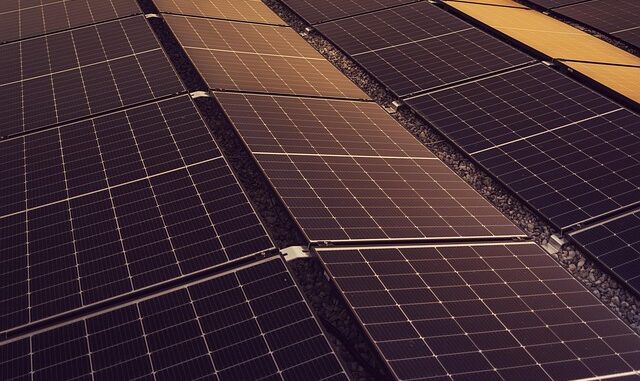
Consider integrating solar panels or geothermal systems to generate clean energy. These systems can offset your home’s energy use and may qualify for tax incentives, providing long-term savings. (riograndecu.org)
7. Install High-Efficiency Water Heating Systems
Traditional water heaters can be energy-intensive. Switching to on-demand (tankless) water heaters or condensing water heaters can reduce energy consumption for heating water. (architectfocal.com)
8. Utilize Smart Building Controls and Automation
Advanced controls optimize energy use by adjusting systems in real time. Programmable thermostats and smart sensors adapt heating and cooling to actual use patterns, cutting wasted energy by up to 10%. (architectfocal.com)
9. Choose Sustainable and Locally Sourced Materials
Selecting materials that are both sustainable and locally sourced can reduce your home’s carbon footprint and support the local economy. (riograndecu.org)
10. Conduct a Home Energy Audit
Before finalizing your design, consider a professional energy audit. This assessment identifies areas of inefficiency and provides targeted solutions to enhance your home’s energy performance. (getconduit.com)
By thoughtfully incorporating these strategies, you can build a home that’s not only energy-efficient but also comfortable and environmentally responsible.
Be the first to comment