

Building Your Dream Green Home: A Comprehensive Guide to Sustainable Living
Building a new home, it’s a huge undertaking, right? But it’s also this incredible chance, a blank canvas if you will, to create something truly special. I’m talking about a living space that’s not just beautiful and comfortable, but also deeply sustainable and incredibly energy-efficient. By thoughtfully integrating green building practices from the get-go, you’re doing more than just picking out pretty finishes; you’re significantly reducing your environmental footprint, you’ll slash those pesky utility bills, and honestly, you’ll enhance your home’s comfort and long-term durability in ways you might not even imagine. So, let’s dive into making your new build as green, as smart, and as future-proof as humanly possible.
1. Design with Foresight: Energy Efficiency as Your Blueprint
Before a single shovel hits the dirt, your very first step needs to be conceptualizing a home that inherently minimizes energy consumption. It isn’t just about picking high-tech gadgets; it truly begins with intelligent design. Opting for a compact, highly functional layout is often far more efficient than sprawling across a huge footprint. Think about it: larger homes, generally speaking, require more energy to heat, cool, and light. A smaller, well-designed home, however, can feel spacious and luxurious without the associated energy drain. It’s about working smarter, not necessarily bigger, wouldn’t you agree? (blueandgreentomorrow.com)
Successful low-energy building design hinges on careful planning. Focus360 Energy can help.
But energy-efficient design stretches far beyond just size. We’re talking about clever architectural strategies here. Consider the orientation of your home. In many climates, positioning your home to take advantage of passive solar gains in winter – allowing the low winter sun to stream in and warm your spaces – while carefully shading against the harsh summer sun, can make a monumental difference. Large south-facing windows (in the Northern Hemisphere, of course) with carefully calculated overhangs can capture that precious warmth when you need it, and then block the high summer sun when you don’t.
Then there’s natural ventilation. Strategically placed windows and vents can create cross-breezes, dramatically reducing the need for air conditioning during milder months. I remember a client, let’s call him Mark, who was building a house in a somewhat breezy area. His architect designed a brilliant ‘stack effect’ ventilation system, where hot air rises and exits through high windows, drawing cooler air in through lower ones. Mark told me he barely used his AC for the first three years. That’s smart design paying off, plain and simple. What about thermal mass? Incorporating materials like concrete, brick, or stone floors in sunny areas can absorb heat during the day and slowly release it at night, helping to stabilize indoor temperatures. It’s like having a natural, slow-release battery for heat.
And let’s not forget zoning. Designing your home with distinct heating and cooling zones means you’re not wasting energy conditioning unoccupied areas. Why blast the AC in the guest room when no one’s there? A well-thought-out design considers every angle, ensuring your home works with nature, not against it, which ultimately keeps your energy bills comfortably low.
2. Embrace the Earth: Choosing Truly Sustainable Materials
Once the design is locked, the next big decision involves the very bones and skin of your home: the materials. This is where you can make a huge impact. Focus on selecting building materials that are not only eco-friendly but also incredibly durable, built to last generations. Incorporating recycled-content materials, such as gorgeous reclaimed wood for flooring or structural elements, or recycled steel for framing, significantly conserves our precious natural resources. Imagine the stories those old timbers could tell, given a second life in your home! (greencoast.org)
Beyond recycled content, locally sourced materials are a game-changer. They dramatically reduce the energy consumed in transportation, shrinking your project’s carbon footprint, and simultaneously pump vitality into your local economy. Plus, you often find unique aesthetics and quality that mass-produced materials just can’t match. Have you ever seen custom stonework from a local quarry? It’s often breathtaking.
Let’s get specific about material choices. Instead of traditional concrete, consider fly ash concrete which replaces a portion of the cement with a byproduct from coal combustion, reducing waste and embodied energy. For insulation, look beyond fiberglass; cellulose insulation, made from recycled newspaper, offers fantastic thermal performance and breathability. Then there’s bamboo flooring or panels, a rapidly renewable resource with incredible strength and a distinctive look, or cork, another renewable material that’s naturally antimicrobial and incredibly soft underfoot. And for paints and finishes, always prioritize low-VOC (Volatile Organic Compound) options to ensure healthy indoor air quality – no one wants that ‘new house smell’ if it’s full of harmful chemicals.
Think about the life cycle of materials, too. From extraction to manufacturing, transport, use, and eventual disposal, every material has an environmental story. Your builder should be able to guide you towards materials with lower embodied energy and a smaller overall impact. For instance, opting for wood certified by the Forest Stewardship Council (FSC) ensures it came from responsibly managed forests. It’s about making choices that feel right, not just for your wallet, but for the planet, too.
3. The Unsung Hero: Investing in High-Quality Insulation and Air Sealing
If your home is a cozy sweater, then insulation is the yarn, and air sealing is the tight knit that keeps the warmth in. Proper, high-quality insulation is absolutely non-negotiable for energy efficiency. It’s the silent workhorse, helping to maintain consistent indoor temperatures and dramatically reducing the demands on your heating and cooling systems. (shenandoahvalley.nestrealty.com)
Let’s talk types. Blown-in cellulose, often made from recycled newspaper, is a fantastic option. It fills cavities completely, leaving no gaps, and offers excellent thermal performance. Then there’s spray foam insulation (both open-cell and closed-cell). Closed-cell spray foam, in particular, boasts a super-high R-value per inch, acts as its own air and vapor barrier, and can dramatically stiffen your wall structure. It’s a premium product, yes, but its air-sealing capabilities are unparalleled. Open-cell spray foam is a bit less dense but still offers excellent performance and breathability. You’ll definitely want certified professionals for spray foam installation, it’s not a DIY job.
But insulation alone isn’t enough. You could have the thickest insulation in the world, but if your home is leaky, it’s like wearing a winter coat with all the zippers open. This is where air sealing becomes critical. Sealing every tiny gap and crack in the building envelope prevents uncontrolled air leaks – that sneaky culprit responsible for so much energy waste. Think about all those places air can escape or sneak in: around electrical outlets, plumbing penetrations, sill plates, rim joists, attic hatches, and where walls meet ceilings. A professional energy audit, perhaps even a blower door test during construction, can pinpoint these hidden leakage points, allowing your team to seal them up tight before the drywall goes on. This makes a monumental difference to your home’s overall energy performance and comfort. You can practically feel the difference on a windy day when you walk into a properly sealed home; it’s quiet, calm, and consistently comfortable.
4. Your Home’s Eyes and Entryways: Energy-Efficient Windows and Doors
Windows and doors are often significant sources of energy loss, acting like gaping holes in your otherwise perfectly insulated shell if you’re not careful. That’s why making smart choices here is crucial. Always opt for double or triple-pane windows featuring low-emissivity (Low-E) coatings. These coatings are fantastic; they’re microscopically thin, transparent metal layers that reflect infrared light, helping to keep heat out in the summer and in during the winter, minimizing heat transfer. (buildnative.com)
Beyond the glass, the frames matter, too. Look for frames made from fiberglass, vinyl, or wood with a low-conductivity spacer between the glass panes. And consider argon or krypton gas fills between the panes; these inert gases are denser than air, further slowing heat transfer. When you’re comparing windows, pay attention to the U-factor (lower is better for insulation) and the Solar Heat Gain Coefficient (SHGC). In hot climates, you’ll want a lower SHGC to block heat; in cold climates, a higher SHGC can be beneficial for passive solar gain. It’s a delicate balance your architect and builder can help you strike.
Similarly, doors need equal attention. Ensure they are well-insulated, preferably solid core or with an insulated core, and, crucially, properly sealed with robust weatherstripping and a good threshold to prevent drafts. A drafty front door is like leaving a window open year-round! And while we’re talking about them, think strategically about their placement. Large windows on the north side, for instance, might offer great views but could be a major heat loss point in colder climates, so you’d want to ensure they’re exceptionally high-performance.
5. Harnessing Nature’s Power: Incorporating Renewable Energy Sources
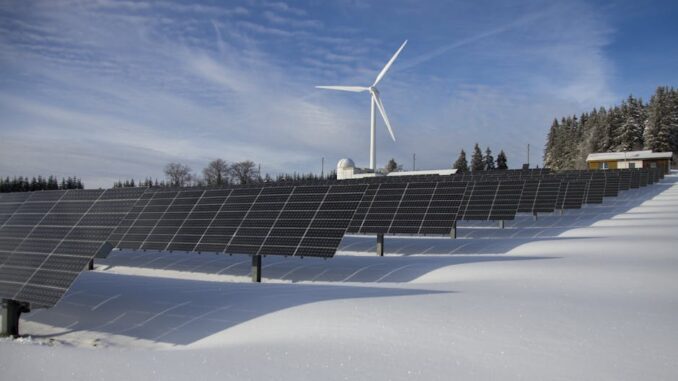
Now, this is where building green really starts to shine, quite literally. Integrating renewable energy into your new home can dramatically shrink your carbon footprint and liberate you, at least partially, from the whims of the utility company. It’s an investment, absolutely, but one that pays dividends for decades. (shenandoahvalley.nestrealty.com)
Solar photovoltaic (PV) panels are probably the first thing that comes to mind, and for good reason. They harness sunlight to generate clean electricity, directly powering your home. Consider a grid-tied system with net metering, where your home remains connected to the utility grid, and any excess electricity your panels generate is sent back to the grid, often earning you credits on your bill. In some cases, your meter might even spin backward! Don’t forget to factor in potential battery storage options, which can give you energy independence, especially during outages.
Then there are solar water heaters (solar thermal systems). These systems use the sun’s energy to provide hot water efficiently, often covering a significant portion of your domestic hot water needs. This is a wonderfully underrated technology, usually less complex and often more cost-effective than PV for hot water alone. Imagine taking a shower heated purely by the sun; it’s a pretty satisfying thought.
My personal favorite for overall efficiency has to be geothermal heating and cooling systems. These systems utilize the earth’s stable underground temperature (which hovers around 50-60°F year-round, just a few feet below the surface) to regulate indoor conditions. A ground-source heat pump exchanges heat with the earth, providing incredibly efficient heating in winter and cooling in summer. The upfront cost can be higher, yes, but the operational savings are immense, and they’re incredibly quiet and long-lasting. Plus, they don’t rely on fossil fuels like natural gas. I’ve heard clients describe them as ‘magical’ because of how consistently comfortable their homes feel, regardless of the weather outside.
6. Smart Choices: Energy-Efficient Appliances and Systems
Even after you’ve built the tightest, best-insulated, solar-powered fortress, the appliances and systems inside can still be energy hogs if you’re not careful. This is where choosing wisely truly pays off. Always select appliances and systems that consume less energy, it’s just smart business. Look for that familiar ENERGY STAR label, which indicates high efficiency, but don’t stop there – dig a little deeper into the specific models and their actual energy usage stats. (doee.dc.gov)
Let’s talk HVAC. High-efficiency furnaces with a high AFUE (Annual Fuel Utilization Efficiency) rating, or even better, heat pumps (which can both heat and cool) with high SEER (Seasonal Energy Efficiency Ratio) and HSPF (Heating Seasonal Performance Factor) ratings, are essential. And please, please, please, insist on properly sealed and insulated ductwork. Leaky ducts can waste up to 30% of your conditioned air, effectively throwing money out the window. A smart, programmable thermostat or, even better, a smart learning thermostat (like Nest or Ecobee) allows you to control heating and cooling schedules with precision, learning your habits and further conserving energy. You can even adjust them from your phone, which is wonderfully convenient.
For water heating, consider a heat pump water heater. They’re significantly more efficient than traditional electric resistance models, pulling heat from the surrounding air to warm your water. In the kitchen, an induction cooktop offers incredibly fast and efficient cooking, heating only the pot, not the air around it. And for laundry, a front-loading washing machine uses far less water and energy than a top-loader. As for lighting, LEDs are the undisputed champion. They consume a fraction of the energy of incandescent bulbs and last for decades. Incorporate smart lighting controls, occupancy sensors, and daylight harvesting where appropriate, and you’ll really be optimizing things. Every little bit truly adds up here, contributing to a significantly lower operating cost and a lighter touch on the environment.
7. Water Wisdom: Implementing Robust Water Conservation Measures
Water is a precious resource, and conserving it in your new home isn’t just about saving drops; it’s also about reducing the energy used for heating and processing that water. Every gallon of hot water you save also saves the energy it took to heat it, which is often considerable. (blog.nationwide.com)
Inside the house, low-flow fixtures are a no-brainer. Install dual-flush toilets that let you choose between a full flush and a lighter flush for liquids, significantly reducing water consumption with each use. Outfit all your showers with low-flow showerheads (look for 1.5 to 2.0 gallons per minute, GPM, rather than the old standard 2.5 GPM), and all your faucets with aerators. You’ll likely barely notice the difference in pressure, but you’ll certainly notice it on your water bill. Also, consider water-efficient appliances like front-loading washing machines and dishwashers with soil sensors that adjust water usage based on how dirty your dishes are.
But water conservation doesn’t stop at the walls of your home. Outdoor water usage is often the biggest culprit. Landscaping with native plants is a brilliantly simple strategy. Native species are naturally adapted to your local climate and soil conditions, meaning they require far less water, fertilizer, and pesticides. They’ll thrive with minimal intervention, support local ecosystems and pollinators, and look beautiful doing it. This concept is often called xeriscaping, designing your landscape to minimize the need for supplemental irrigation.
Beyond plant choice, think about rainwater harvesting. Installing rain barrels or even a larger cistern can collect rainwater from your roof, providing a free, chemical-free source of water for your garden. A drip irrigation system for your garden beds delivers water directly to the plant roots, minimizing evaporation and waste compared to traditional sprinklers. And a smart irrigation controller that adjusts watering schedules based on local weather forecasts and soil moisture levels can further optimize water use. It’s truly amazing how much water we can conserve with a little thoughtful planning, and it really puts a smile on my face to see a vibrant garden thriving on just rainwater and smart tech.
8. Breathing Easy: Ensuring Superior Indoor Air Quality with Proper Ventilation
In our quest for super-efficient, tightly sealed homes, there’s one critical aspect we absolutely can’t overlook: indoor air quality (IAQ). A well-sealed home is fantastic for energy efficiency, but it can also trap pollutants, allergens, and excess humidity inside, which is why proper ventilation is paramount for both comfort and health. (medium.com)
This is where Heat Recovery Ventilators (HRVs) or Energy Recovery Ventilators (ERVs) come into play. These systems are ingenious; they bring in a continuous supply of fresh outdoor air while simultaneously exhausting stale indoor air. The magic happens in their core, where they transfer heat (in HRVs) or both heat and humidity (in ERVs) from the outgoing air to the incoming fresh air. This means you get fresh air without losing all the conditioned energy you just paid to create. For instance, in winter, the HRV captures heat from the outgoing warm indoor air and transfers it to the cold incoming fresh air, warming it up before it enters your home. The opposite happens in summer. It’s a remarkably efficient way to maintain excellent air quality without significant energy penalties.
Beyond HRVs/ERVs, ensure your design includes robust exhaust fans in bathrooms (vented directly outside, not just into the attic!) and a powerful, properly sized range hood in the kitchen to remove cooking fumes, moisture, and odors. Consider whole-house dehumidification systems if you’re in a humid climate, integrated with your HVAC system. Also, think about material choices that contribute to IAQ, opting for low-VOC paints, finishes, and furnishings, as we discussed earlier. The goal is a home that feels fresh and vibrant, not stuffy or stale. There’s nothing quite like the feeling of clean, fresh air circulating throughout your home, it really enhances your sense of well-being, doesn’t it?
9. Future-Proofing Your Haven: Planning for Tomorrow’s Energy Needs
Building a new home is a long-term investment, so it makes perfect sense to design it with future energy needs and technological advancements firmly in mind. This foresight isn’t just about being green; it’s about being incredibly smart and adaptable. Anticipating future needs ensures your home remains relevant, efficient, and valuable for decades to come.
Consider your electrical infrastructure. Even if you’re not installing solar panels or an electric vehicle (EV) charger today, it’s incredibly cost-effective to oversize your electrical panel and run the necessary conduit during construction. Running conduit from your roof to your electrical panel, and from the panel to your garage (or wherever you envision an EV charging station), is a minor expense during the build but a major one to retrofit later. Think about a Level 2 EV charging station; that requires a dedicated 240-volt circuit. Pre-wiring for these types of future additions is simply brilliant. You might also want to pre-wire for a whole-home battery storage system to complement future solar, providing resilience and peak-shaving capabilities.
Beyond power, think about smart home technology. While wireless solutions are prevalent, running some ethernet cabling to key locations for smart hubs, security cameras, or high-bandwidth entertainment ensures a robust and future-proof network. Your home should be a canvas ready for evolving tech, not a roadblock. And what about adaptability of space? Designing flexible rooms that can transition from a home office to a media room or even an extra bedroom with minimal renovation allows your home to evolve with your family’s changing needs, preventing costly and resource-intensive remodels down the line. It’s all about building a resilient home that can gracefully handle whatever tomorrow brings.
10. The Dream Team: Working with Experienced Green Professionals
Honestly, trying to navigate the complexities of green building on your own can feel a bit like trying to solve a Rubik’s Cube blindfolded. That’s why assembling the right team is arguably the most critical step. Collaborate closely with builders and designers who genuinely specialize in and are passionate about green construction. Their expertise isn’t just a bonus; it’s absolutely essential to ensure that sustainable practices are effectively and holistically integrated into every single aspect of your home’s design and construction. (shenandoahvalley.nestrealty.com)
Finding the right professionals means looking beyond superficial claims. Ask about their past projects, request client references, and crucially, inquire about their specific experience with green building certifications. They can help you navigate programs like LEED (Leadership in Energy and Environmental Design), ENERGY STAR for Homes, or even the rigorous Passive House standard. Achieving these certifications doesn’t just give you a fancy plaque; it provides verified proof of your home’s performance, which can significantly enhance its resale value and, more importantly, guarantee lower operating costs and a healthier living environment for you and your family. I once had a client who went with a builder who ‘said’ they did green homes, but they completely botched the air sealing. The energy bills were outrageous! It just proves you need someone who truly understands the science behind it all.
Your dream team might include an architect, a specialized green builder, an energy consultant, and even a landscape designer who understands native plantings and water management. Interview them, ask probing questions: ‘What’s your approach to thermal bridging?’ or ‘Can you walk me through the ventilation strategy you envision?’ You want partners who are not just knowledgeable but also enthusiastic about building a truly sustainable home. Their guidance can help you avoid costly mistakes, leverage incentives, and ultimately deliver a home that isn’t just good for you, but good for the planet too. Isn’t your peace of mind and the long-term health of our environment worth investing in the right experts?
By diligently following these comprehensive steps, from the earliest design sketches to the final landscaping touches, you’re not just constructing a house. You are, in fact, creating a legacy – a new home that is profoundly energy-efficient, genuinely environmentally friendly, and an absolute joy to live in. Embracing these green building practices doesn’t just benefit you with lower bills and enhanced comfort; it makes a tangible, positive contribution to the health and future of our planet. And that, my friends, is something truly worth building.
Be the first to comment