

Building a Future-Proof Home: Your Comprehensive Guide to Sustainable Extensions
Embarking on a home extension project is truly an exciting venture, isn’t it? It’s not just about adding space; it’s a golden opportunity, actually, to significantly upgrade your home’s energy efficiency and really future-proof your living environment. By weaving sustainable practices into the very fabric of your new space, you’re not just creating a comfortable new room, you’re actively reducing your energy consumption, slashing those pesky utility bills, and making a tangible positive impact on the planet. Who wouldn’t want that?
Think of it as an investment, not just in square footage, but in a healthier, more economical, and environmentally responsible lifestyle. This guide will walk you through, step-by-step, how to build an extension that isn’t just beautiful but genuinely stands the test of time, both aesthetically and ecologically.
Why Sustainability Now?
The conversation around climate change and energy independence isn’t going anywhere. In fact, it’s only growing louder, and for good reason. Homeowners are increasingly feeling the pinch of rising energy costs and seeing the clear benefits of a greener approach. A sustainable extension isn’t just about ‘being green,’ it’s about smart design, long-term savings, and creating an incredibly comfortable home. Plus, let’s be honest, a well-designed, energy-efficient home just feels better. It’s quieter, more consistent in temperature, and often boasts better indoor air quality. Isn’t that what we all aspire to?
Successful low-energy building design hinges on careful planning. Focus360 Energy can help.
So, let’s roll up our sleeves and dig into the practical steps that’ll turn your vision of an energy-efficient extension into a concrete, cost-saving reality.
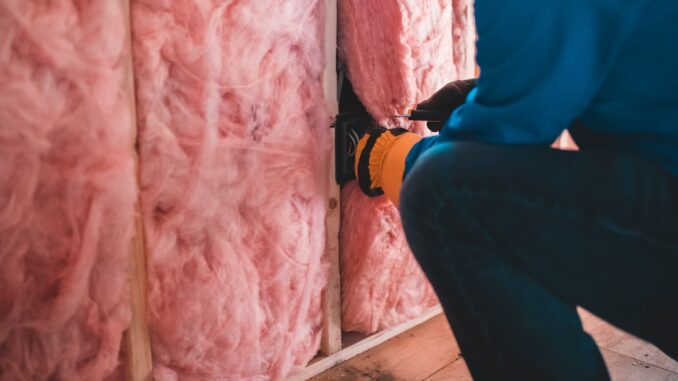
1. Master the Art of Insulation and Airtightness: The Foundation of Efficiency
When we talk about energy efficiency, the first thing that should come to mind, without a doubt, is insulation. It’s the silent hero, the impenetrable fortress that keeps your conditioned air exactly where it belongs – inside your home. Simply put, robust insulation in your walls, roof, and floor, coupled with meticulous airtightness, is the absolute cornerstone of an energy-efficient extension. It’s how you dramatically reduce heat loss in winter and keep the scorching summer heat at bay, ensuring your new space remains comfortable year-round without your HVAC system working overtime.
Delving into Insulation Types and R-Values
Not all insulation is created equal, of course. There’s a whole spectrum of materials, each with its own characteristics and ideal applications. You’ll often hear about ‘R-values,’ which measure a material’s thermal resistance – the higher the R-value, the better the insulation performs. When planning your extension, you’ll want to aim for the highest practical R-values your budget and space allow, exceeding minimum building code requirements whenever possible.
- Fiberglass and Mineral Wool: These remain popular choices, offering good thermal performance at a reasonable cost. They’re typically installed as batts or rolls between studs and joists. They’re fire-resistant and offer some sound dampening too. Installation requires careful attention to avoid gaps, which can compromise performance significantly.
- Rigid Foam Boards (PIR, XPS, EPS): These panels deliver excellent R-values per inch, making them fantastic for situations where space is at a premium, like exterior continuous insulation or under concrete slabs. They’re also quite moisture resistant.
- Spray Foam (Open-cell and Closed-cell): This is a fantastic option for sealing intricate cavities and creating an almost seamless thermal envelope. Closed-cell spray foam, in particular, offers very high R-values and acts as an effective air and vapor barrier. It expands to fill every nook and cranny, eliminating those sneaky drafts, but it can be more expensive and requires professional application.
- Natural and Sustainable Options: For those keen on eco-friendlier choices, materials like cellulose (recycled paper), hempcrete (hemp and lime), wood fiber, and even sheep’s wool are gaining traction. They often have lower embodied energy and can contribute to healthier indoor air quality, though their R-values might vary.
The Critical Role of Airtightness
Insulation does its job best when air isn’t bypassing it. That’s where airtightness comes in, and frankly, it’s often overlooked. You can have the thickest insulation in the world, but if cold air is whistling through gaps around windows, electrical outlets, or where walls meet the roof, you’re literally throwing money out the window. Achieving a truly airtight building envelope involves meticulous sealing of every joint, seam, and penetration.
- Strategic Sealing: This means using high-quality tapes, membranes, sealants, and gaskets during construction. Think of it like wrapping a present – you want no gaps, no exposed edges.
- Professional Air Testing: Many forward-thinking builders now conduct ‘blower door tests’ upon completion. This involves depressurizing the house to pinpoint exactly where air leaks are occurring, allowing for remedial action. It’s a hugely valuable tool, helping to ensure that the careful insulation work isn’t undermined by hidden drafts. I once worked on a project where the initial blower door test showed significant leakage, but after a diligent sealing effort, we saw a remarkable improvement, much to the client’s delight. They really felt the difference in comfort and their heating bills later confirmed it.
By focusing on both superior insulation and a meticulously sealed building envelope, you’re not just creating an energy-efficient extension; you’re building a space that’s inherently more comfortable, quieter, and significantly less expensive to heat and cool.
2. Windows and Doors: Your Home’s Eyes and Entryways to Efficiency
Next up, let’s talk about windows and doors. They aren’t just aesthetic features; they’re pivotal components in your extension’s thermal performance, often being the biggest culprits for heat loss or gain if you don’t choose wisely. Investing in high-efficiency windows and doors can dramatically impact your home’s energy consumption, so it’s a decision worth getting right.
The Magic of Modern Glazing
Gone are the days of single-pane glass where you could practically feel the cold radiating off them. Today’s technology is a game-changer:
- Double or Triple-Pane Glass: This is standard for good reason. Multiple panes create insulating air gaps. Triple-pane glass offers even greater thermal performance, especially valuable in colder climates or for very large windows, though it does add to the cost and weight.
- Low-Emissivity (Low-E) Coatings: These microscopic, transparent metallic layers are applied to one or more glass surfaces. They reflect infrared light, meaning they keep heat inside during winter and bounce solar heat away in summer. It’s like a tiny, invisible shield, subtly working to regulate your indoor temperature.
- Inert Gas Fills: The space between glass panes isn’t just air; it’s often filled with inert gases like argon or krypton. These gases are denser than air, so they conduct heat less effectively, further reducing heat transfer. Krypton is even better than argon, particularly for thinner gaps, but it’s a bit pricier.
Frame Materials Matter Too
It’s not just the glass; the frame material plays a big part in overall window and door efficiency:
- uPVC: A popular, cost-effective choice, uPVC frames are often multi-chambered, providing decent insulation. They’re also low maintenance, which is a definite plus for busy homeowners.
- Timber: Beautiful and natural, timber frames offer good insulation properties and can be incredibly durable if well-maintained. Sustainably sourced timber (FSC certified) is an excellent eco-friendly option. However, they do require more upkeep than uPVC.
- Aluminum: While slim and modern, aluminum is a good conductor of heat, so look for ‘thermally broken’ aluminum frames. These incorporate a non-metallic barrier within the frame to prevent heat transfer. They’re strong and durable but can be more expensive.
Installation: The Unsung Hero
Even the most expensive, high-performance windows and doors will fail to perform if they’re not installed correctly. Proper sealing and flashing around the frames are absolutely critical. Gaps here, however tiny, will lead to air leaks and potential moisture infiltration – two things you definitely don’t want. A professional, experienced installer knows the nuances of creating an airtight seal, ensuring your investment truly pays off.
Think about passive solar gain, too. Strategically placed windows on south-facing elevations can capture winter sunlight to naturally warm your space, reducing heating demand. Conversely, shading on west-facing windows can mitigate overheating in summer. It’s all part of a holistic design approach that truly leverages your windows and doors for optimal comfort and energy savings.
3. Harnessing the Power of Renewables: A Brighter, Greener Future
Integrating renewable energy sources into your home extension isn’t just a trend; it’s a clear statement of commitment to a sustainable future and a smart financial move. This approach significantly reduces your reliance on fossil fuels, slashes your carbon emissions, and in many cases, provides a healthy return on investment. Imagine generating your own power or heating your water with the sun – it’s a powerful feeling of self-sufficiency.
Solar Photovoltaic (PV) Panels: Tapping into Sunshine
Solar panels are probably what first springs to mind when we talk about renewable energy, and for good reason. These incredible devices convert sunlight directly into electricity, and they’re becoming more efficient and affordable all the time. Installing them on your extension’s roof, especially if it has a good south-facing aspect and minimal shading, is an excellent way to generate clean electricity.
- How They Work: PV panels are made of semiconductor materials, usually silicon, that create an electric field when exposed to sunlight. This generates a direct current (DC), which is then converted into alternating current (AC) by an inverter – the usable electricity for your home.
- Types of Panels: You’ll mostly encounter monocrystalline (sleek, high efficiency, but pricier) and polycrystalline (slightly lower efficiency, more affordable) panels. Thin-film panels are another option, often more flexible, but generally less efficient per square foot.
- Battery Storage: To maximize your solar investment, consider adding a battery storage system. This allows you to store excess electricity generated during the day and use it at night or during peak tariff periods, rather than feeding it all back to the grid for a minimal payment. It increases your energy independence substantially.
- Grid-Tied vs. Off-Grid: Most residential systems are grid-tied, meaning they remain connected to the national grid, drawing power when your panels aren’t producing enough and sending excess back. Off-grid systems are entirely self-sufficient but require significant battery storage and often a backup generator.
- Financial Incentives: Many regions offer grants, tax credits, or ‘feed-in tariffs’ (FITs) that pay you for the electricity you generate and export to the grid. These can make the initial investment much more palatable and shorten the payback period considerably.
Solar Thermal Systems: Hot Water on Demand
Distinct from PV, solar thermal panels are designed specifically to heat water for your home. They use the sun’s energy to warm a fluid that then circulates through a coil in your hot water cylinder, providing a significant portion of your domestic hot water needs. This is particularly effective during sunnier months, drastically reducing the load on your traditional water heater.
Heat Pumps: Efficient Heating and Cooling
Heat pumps, whether air source (ASHP) or ground source (GSHP), are another fantastic renewable technology. They don’t generate heat directly like a boiler; instead, they move heat from one place to another. An ASHP extracts heat from the outside air, even in winter, and transfers it into your home for heating, and can reverse the process for cooling in summer. GSHPs do the same but use the more consistent temperature of the earth as their heat source, making them incredibly efficient.
- Efficiency: Heat pumps are highly efficient, often producing 3-5 units of heat energy for every 1 unit of electricity they consume. This makes them significantly more efficient than traditional electric resistance heating and a compelling alternative to gas boilers, especially when paired with well-insulated homes and underfloor heating systems.
- Integration: They integrate beautifully with underfloor heating systems (which we’ll discuss more later) because these systems operate effectively at lower water temperatures, perfectly suiting a heat pump’s output.
While the upfront cost of these technologies might seem higher, the long-term savings on energy bills, coupled with the environmental benefits and potential incentives, make them a remarkably wise choice for any sustainable extension. It’s about thinking beyond today’s expenses and investing in tomorrow’s stability.
4. Smart Choices for Appliances and Lighting: Every Watt Counts
After you’ve sorted out the big-ticket items like insulation and renewable energy, it’s time to refine your approach with intelligent choices for the everyday elements that often fly under the radar: appliances and lighting. Believe it or not, these seemingly smaller decisions add up to substantial energy savings and contribute significantly to your home’s overall energy footprint.
Energy-Efficient Appliances: The Power of ENERGY STAR
When equipping your new kitchen or utility room, always look for appliances with the highest energy efficiency ratings. In many regions, this means looking for the ENERGY STAR label, or similar national rating systems. This certification indicates that the product meets strict energy efficiency guidelines set by government agencies.
- Refrigerators and Freezers: These run 24/7, so their efficiency is paramount. Modern models are vastly more efficient than older ones, thanks to better insulation and more advanced compressor technology. Features like smart temperature controls and improved defrosting mechanisms also play a role.
- Dishwashers: Look for models with soil sensors that adjust water usage and cycle length, and those with air-dry options instead of heated drying, which guzzles energy.
- Washing Machines: Front-loading machines typically use far less water and energy than top-loaders. High-efficiency models often incorporate sensors to detect load size and adjust water levels accordingly. Using cold water cycles whenever possible also provides huge energy savings, as heating water is a major energy drain.
- Ovens and Cooktops: Induction cooktops, for instance, are incredibly efficient, heating pots directly through electromagnetic fields rather than heating the air around them. Modern ovens with convection features also tend to be more efficient than conventional models.
Don’t forget the ‘vampire drain’ – the standby power consumed by electronics even when they’re turned off. Things like phone chargers, TVs, and coffee makers can collectively consume a surprising amount of electricity. Smart plugs (more on those later) can help you cut power to these devices when not in use.
LED Lighting: A Brilliant Investment
If you’re still using incandescent bulbs, or even older CFLs, it’s time to make the switch to LEDs. The benefits are simply undeniable:
- Unparalleled Efficiency: LEDs consume significantly less electricity than traditional bulbs, often using 75-80% less energy to produce the same amount of light. This translates directly into lower electricity bills.
- Exceptional Lifespan: An LED bulb can last 25,000 to 50,000 hours or more – that’s often 25 times longer than an incandescent bulb. Imagine not having to change bulbs for a decade or more! This isn’t just convenient; it reduces waste.
- Versatility: LEDs come in a vast array of shapes, sizes, and ‘color temperatures,’ from warm, cozy yellows (around 2700K) to crisp, cool whites (up to 5000K or more). This allows for precise control over the ambiance of your new space. Many are also dimmable, offering even greater flexibility and energy control.
- Instant On: Unlike some older CFLs, LEDs provide instant full brightness without any warm-up time.
When designing your lighting plan, think about layering. Combine general ambient lighting with task lighting (for reading or cooking) and accent lighting to highlight features. Integrating smart lighting controls (again, we’ll get there!) can further enhance efficiency by automatically adjusting brightness based on natural light levels or switching off lights in unoccupied rooms. It’s truly a no-brainer investment that pays dividends almost immediately.
5. Embrace Smart Home Technologies: Your Energy Efficiency Co-Pilot
Welcome to the future of home management! Integrating smart home technology into your extension isn’t just about convenience or showing off cool gadgets, though it certainly offers both. It’s a powerful tool for enhancing energy efficiency by giving you unprecedented control and insight into your home’s energy consumption. Think of these systems as your personal energy co-pilot, constantly optimising your environment.
Smart Thermostats: Learning Your Habits
These are probably the most common entry point into smart home tech, and for good reason. A smart thermostat, like a Nest or Ecobee, does so much more than just set a temperature:
- Learning Algorithms: Many learn your preferences and schedule over time, automatically adjusting temperatures to save energy when you’re away and ensuring comfort when you’re home.
- Remote Control: Forgot to turn the heating down when you left for holiday? No problem! Adjust it from your phone, wherever you are.
- Zoning: If your extension is on a separate heating zone, a smart thermostat here can ensure it’s only heated or cooled when needed, independent of the rest of the house. This avoids wasteful heating of unoccupied areas.
- Geofencing: Some can detect when you’re leaving or approaching home via your phone’s location, adjusting the climate proactively.
- Energy Reports: They often provide detailed reports on your energy usage, helping you identify patterns and areas for further savings. It’s incredibly empowering to see exactly where your energy is going.
Smart Lighting Systems: Illumination with Intelligence
Pairing those efficient LED bulbs with smart lighting controls takes their savings to the next level:
- Occupancy Sensors: Lights turn on when you enter a room and off when you leave. Simple, effective, and eliminates arguments about who left the lights on!
- Daylight Harvesting: Sensors detect natural light levels and automatically dim or brighten artificial lights to maintain a consistent illumination, saving energy during daylight hours.
- Scheduling: Set lights to come on and off at specific times, creating routines that match your lifestyle.
- Remote Control and Voice Activation: Turn lights on or off from your phone, or simply ask your smart assistant to do it for you. It’s convenient and can prevent wasted energy.
Smart Plugs and Power Strips: Taming the Vampire Drain
Those ‘vampire’ appliances drawing power even when off? Smart plugs are their nemesis. Plug your TV, coffee maker, or office equipment into a smart plug, and you can remotely switch off their power completely, eliminating standby drain. Some smart power strips even have individual control over each outlet.
Automated Blinds and Shades: Passive Climate Control
Imagine your blinds automatically lowering on a hot, sunny afternoon to block heat gain, or opening in winter mornings to let in passive solar warmth. Automated blinds or shades, integrated with your smart home system or weather data, can do exactly that, intelligently managing solar heat gain and loss throughout the day without you lifting a finger.
Integrated Systems and Energy Monitoring
The real power of smart home technology lies in its ability to integrate various devices into a cohesive system. Your thermostat can talk to your blinds, which can talk to your lighting, all controlled from a central hub or app. This level of control ensures energy is used precisely when and where it’s needed, adapting seamlessly to your lifestyle and dramatically reducing waste. Plus, many systems now offer comprehensive energy monitoring, giving you real-time data on your consumption, helping you to continuously identify areas for improvement. It’s not just about setting it and forgetting it; it’s about dynamic, intelligent energy management that keeps your extension at peak efficiency.
6. Optimize Heating and Cooling Systems: Comfort, Control, and Efficiency
Choosing the right heating and cooling systems for your extension is absolutely critical. It’s not just about staying warm in winter and cool in summer; it’s about achieving that comfort with maximum efficiency and minimal environmental impact. The days of simply slapping in a basic radiator and hoping for the best are long gone. Modern solutions offer incredible performance, precise control, and integrate beautifully with other sustainable elements of your home.
Beyond Traditional Boilers: A Broader Spectrum
While high-efficiency condensing boilers still have their place, especially for existing systems, new extensions offer a fantastic opportunity to embrace more advanced, often renewable, heating technologies:
- Air Source Heat Pumps (ASHPs) and Ground Source Heat Pumps (GSHPs): As touched on before, these are stellar choices. They extract heat from the air or ground, respectively, and transfer it into your home. Their efficiency is remarkable, often delivering 3-5 units of heat for every unit of electricity consumed. They can also provide cooling, offering a dual solution. ASHPs are generally easier and less costly to install than GSHPs, which require ground loops, but both represent significant steps towards decarbonizing your heating.
- Infrared Heating Panels: These discreet panels radiate heat directly to objects and people in a room, rather than heating the air. They can be very energy efficient for specific zones or rooms, providing a comfortable, gentle warmth.
Underfloor Heating: The Gold Standard for Comfort and Efficiency
If you’re building from scratch, underfloor heating (UFH) is often the recommendation for a truly sustainable and comfortable extension. And for good reason:
- Consistent Radiant Warmth: UFH heats the room from the ground up, providing an incredibly even and pervasive warmth. No cold spots, no stuffy air near radiators; just a delightful, consistent temperature throughout the space. It’s a sensory detail you’ll appreciate every single day.
- Lower Operating Temperatures: Critically, UFH systems operate effectively at much lower water temperatures (often 30-45°C) compared to traditional radiators (typically 60-80°C). This makes them incredibly efficient when paired with heat pumps, which perform best at lower flow temperatures. It’s a match made in efficiency heaven.
- Aesthetic Appeal: No bulky radiators taking up wall space or impacting your interior design. Your walls are free for furniture, art, or simply an uncluttered look.
- Zoning Potential: UFH systems can be easily zoned, allowing you to control the temperature in your new extension independently from the rest of the house, minimizing wasted energy.
Smart Radiator Valves and Zoning Controls
Even if you’re sticking with radiators, modern technology can drastically improve their efficiency. Smart thermostatic radiator valves (TRVs) allow you to control individual radiators remotely or via schedules. This means you can heat just the rooms you’re using, rather than the entire house, significantly reducing energy waste. Integrating these with a smart thermostat creates a sophisticated zoning system, giving you ultimate control over your comfort and energy bills.
Heat Recovery Ventilation (HRV / MVHR): Breathing Easy, Efficiently
As homes become more airtight (which is great for insulation!), proper ventilation becomes even more crucial for indoor air quality. That’s where Mechanical Ventilation with Heat Recovery (MVHR) systems come in. These brilliant units continuously extract stale, moist air from your home and supply fresh, filtered air, but here’s the clever bit: they recover up to 90% of the heat from the outgoing air and transfer it to the incoming fresh air. This means you’re not constantly losing heat every time you ventilate, maintaining excellent air quality without compromising your thermal envelope. It’s a key component for healthy, energy-efficient living in modern, airtight extensions.
Optimizing your heating and cooling systems is a significant investment, but the comfort, control, and long-term energy savings they deliver are truly transformative. It’s about creating a space that’s always just right, with the lowest possible environmental and financial cost.
7. Embrace Natural Ventilation and Daylighting: The Power of Passive Design
Beyond all the technology and insulation, some of the most powerful tools for a sustainable extension are absolutely free: natural light and fresh air. Designing your new space to intelligently harness natural ventilation and daylighting reduces your reliance on artificial lighting and mechanical heating/cooling systems, saving energy and creating a healthier, more pleasant living environment. It’s about working with nature, not against it.
The Art of Passive Design
Passive design principles are at the heart of natural efficiency. They involve orienting and shaping your building to take advantage of natural energy flows:
- Orientation: Placing large windows on south-facing elevations (in the Northern Hemisphere) allows for maximum passive solar gain during winter, helping to warm your space naturally. Conversely, minimizing large windows on east and west elevations can reduce unwanted heat gain in summer, as the sun is lower and more intense. Overhangs or external shading devices become crucial on south-facing windows to block high summer sun while allowing low winter sun in.
- Window Placement: Strategic window placement isn’t just for views. Think about creating cross-ventilation pathways. Placing windows on opposite sides of a room or extension allows air to flow freely through, carrying away heat and stale air. I once designed an extension for a client in a particularly stuffy old house, and simply adding a well-placed window on the north side, opposite an existing south window, completely transformed the airflow. They couldn’t believe the difference.
- Stack Effect (Chimney Effect): This utilizes the natural tendency of warm air to rise. If you have high-level windows, vents, or even a skylight, warm air can escape at the top, drawing in cooler air from lower openings. This creates a natural thermal siphon, cooling your space without needing an air conditioner.
Maximizing Natural Light: Daylighting Done Right
Why flick a switch when the sun offers free, beautiful light? Designing for optimal daylighting not only saves electricity but also enhances mood and well-being – it’s a key component of biophilic design, connecting us to the natural world. Artificial light simply can’t replicate the dynamic quality of natural light.
- Strategic Window Sizing and Placement: Consider larger windows where appropriate, but remember the balance between light and heat loss/gain (which your high-efficiency windows will help with!). Placing windows to bring light deeper into the room, perhaps along two walls, can distribute light more evenly.
- Skylights and Rooflights: These are brilliant for bringing light into the very heart of an extension, especially for deeper rooms or areas under a flat roof. They offer three times more light than a vertical window of the same size. Consider those with integrated blinds for solar control.
- Light Shelves: An external or internal horizontal surface placed above a window can reflect daylight deeper into a room, preventing glare near the window while brightening the back of the space. Clever, right?
- Reflective Surfaces: Light-colored interior finishes, strategically placed mirrors, and reflective flooring can bounce natural light around the room, maximizing its reach and brightness.
By thoughtfully incorporating these passive design strategies, you’re not just saving energy; you’re crafting an extension that feels brighter, airier, and more connected to the outside world. It truly creates a more pleasant and healthy living environment, and that, my friends, is priceless.
8. Thoughtful Material Selection: Building with a Conscience
When we talk about sustainable extensions, it’s not just about how the building performs once it’s finished; it’s also fundamentally about what it’s made of. The materials you choose carry an ’embodied energy’ – the total energy consumed by their extraction, manufacture, transport, installation, and eventual disposal. Opting for sustainable, recycled, and locally sourced materials significantly reduces the environmental impact of your construction project, making your extension truly eco-conscious.
Understanding Embodied Energy and Material Lifecycle
Every material has a story, and that story has an environmental cost. Some materials, like concrete or virgin steel, have very high embodied energy due to their intense manufacturing processes. Others, like timber, if responsibly sourced, can actually be carbon sinks. When selecting materials, consider:
- Source and Extraction: Is it from a sustainable source? Are destructive mining or logging practices involved?
- Manufacturing Process: How much energy and water are consumed? Are hazardous chemicals used?
- Transportation: How far does it have to travel to get to your site? Local sourcing drastically cuts down on transport emissions.
- Durability and Longevity: Will it last? A material that needs frequent replacement, however ‘green’ it seems initially, isn’t truly sustainable.
- End-of-Life: Can it be reused, recycled, or composted? Does it release harmful substances when disposed of?
Sustainable Material Choices for Your Extension
Let’s look at some fantastic options across different aspects of your build:
-
Structural Elements:
- Reclaimed Timber: Sourcing timber from salvaged buildings is a fantastic way to give material a second life, avoiding new logging and reducing waste. It often comes with beautiful character too.
- Glued Laminated Timber (Glulam) / Cross-Laminated Timber (CLT): These engineered wood products offer incredible strength and stability. When made from sustainably managed forests (look for FSC or PEFC certification), they are excellent low-carbon structural options.
- Structural Insulated Panels (SIPs): These highly insulated panels (often foam core between OSB or plywood) offer rapid construction, excellent thermal performance, and minimize construction waste.
-
Insulation (again!): Beyond the traditional options, consider:
- Cellulose: Made from recycled paper, often treated for fire resistance. It’s blown into cavities and offers good thermal performance with low embodied energy.
- Wood Fibre Insulation: A natural, breathable material that’s great for thermal and acoustic performance.
- Hempcrete: A mix of hemp hurds and lime, it’s breathable, insulative, and actually sequesters carbon.
- Sheep’s Wool: A natural, renewable, and breathable insulator with excellent thermal properties.
-
Cladding and External Finishes:
- Responsibly Sourced Timber (FSC/PEFC): Durable, beautiful, and renewable when managed correctly.
- Recycled Brick Slips: Using thin slices of reclaimed bricks gives an authentic look without the weight or embodied energy of new full bricks.
- Render with Lime: Lime renders are breathable and often have a lower environmental impact than cement-based renders.
- Reclaimed Stone: Local, natural, and beautiful, using reclaimed stone reduces demand for new quarrying.
-
Internal Finishes and Surfaces:
- Low-VOC Paints: Volatile Organic Compounds (VOCs) in traditional paints can degrade indoor air quality. Opt for low or zero-VOC paints for healthier interiors.
- Natural Plasters: Clay or lime plasters can regulate humidity and contribute to a healthier indoor environment.
- Recycled Glass or Concrete Countertops: Creative and durable options that give new life to waste materials.
- Bamboo or Cork Flooring: Renewable and durable alternatives to traditional hardwoods.
Sustainable Water Management
Don’t forget water! Your extension offers an opportunity to integrate smarter water use:
- Rainwater Harvesting: Collect rainwater from your roof for garden irrigation, car washing, or even for flushing toilets (requires a separate plumbing system). It reduces demand on treated mains water.
- Permeable Paving: For patios or driveways, permeable surfaces allow rainwater to soak naturally into the ground, reducing stormwater runoff and replenishing groundwater.
- Low-Flow Fixtures: Installing low-flow taps, showerheads, and dual-flush toilets significantly reduces water consumption without sacrificing performance.
By consciously selecting sustainable and recycled materials, you’re not just building an extension; you’re making a statement. You’re demonstrating that beautiful, durable construction can also be incredibly responsible, minimizing environmental impact while potentially adding unique character and talking points to your home. It’s a win-win, if you ask me.
9. Navigating the Legal Landscape: Ensuring Compliance with Building Regulations
Before you even think about putting a shovel in the ground, one of the most crucial steps in building a sustainable extension is ensuring complete compliance with local building codes and regulations. This isn’t just bureaucratic red tape; it’s a fundamental safeguard that ensures your project is structurally sound, safe, and, crucially for this discussion, meets minimum energy performance standards. Ignoring these can lead to significant headaches, costly rectifications, or even the dreaded demand to demolish your hard work. Nobody wants that, right?
Planning Permission vs. Building Control: Know the Difference
It’s a common point of confusion, but understanding the distinction between planning permission and building control is vital:
- Planning Permission: This primarily deals with the appearance and use of your extension. It ensures your project is in keeping with local development plans, doesn’t negatively impact neighbors (e.g., through overshadowing), and respects the character of the area. While not directly about energy efficiency, it can indirectly influence design choices that impact it.
- Building Control (or Building Permits): This is where energy efficiency really comes into play. Building control ensures your construction meets technical standards relating to structural integrity, fire safety, drainage, ventilation, and crucially, energy performance. These regulations are designed to ensure homes are safe, healthy, and increasingly, energy-efficient.
Focus on Energy Performance Regulations
Specific regulations vary by country and region, but they all aim to set a baseline for energy efficiency. For instance, in the UK, Part L (Conservation of Fuel and Power) of the Building Regulations dictates the energy performance requirements for new buildings and extensions. It covers aspects like:
- U-Values: Maximum allowable U-values for walls, roofs, floors, windows, and doors, indicating how well they prevent heat loss. These are essentially the inverse of R-values; lower U-values mean better insulation.
- Airtightness: Requirements for the airtightness of the building envelope, often measured by air permeability tests.
- Heating and Hot Water Systems: Efficiency standards for boilers, heat pumps, and other systems.
- Renewable Energy Contribution: In some cases, there might be requirements or strong recommendations for incorporating renewable technologies.
SAP Assessments and EPC Ratings (UK Specific Example)
For new extensions in the UK, a Standard Assessment Procedure (SAP) calculation is usually required. This is a complex methodology that calculates the energy performance and environmental impact of a dwelling. It considers everything from insulation levels and heating systems to lighting and ventilation. The output helps demonstrate compliance with Part L and informs the Energy Performance Certificate (EPC) rating. A new, efficient extension can significantly improve your home’s overall EPC rating, which is a valuable asset when it comes to selling your property.
The Value of Professional Guidance
Navigating these regulations can be complex, and frankly, it’s not something you want to guess at. This is where architects, architectural technologists, and energy consultants become invaluable. They possess the expertise to:
- Design for Compliance: They can design your extension from the outset to not just meet, but ideally exceed, regulatory requirements.
- Prepare Documentation: They’ll handle the necessary calculations, drawings, and applications for building control approval.
- Identify Incentives: They often know about local or national grants, subsidies, or green mortgage options available for energy-efficient projects, which can help offset costs.
- Liaise with Authorities: They can act as your representative, ensuring smooth communication with building inspectors.
Failing to comply can lead to legal issues, delays, financial penalties, and even difficulty selling your home later on. So, before any major commitment, always consult with professionals to ensure your sustainable vision aligns perfectly with the rules. It’s a small investment in time and money now that saves massive headaches down the line.
10. Monitor and Maintain: Sustaining Efficiency for the Long Haul
Congratulations! Your sustainable extension is built, looking fantastic, and already feeling wonderfully comfortable. But the journey towards peak energy efficiency doesn’t end with the last lick of paint. To truly reap the long-term benefits and ensure your investment continues to pay dividends, ongoing monitoring and diligent maintenance are absolutely crucial. Think of it as a commitment to keeping your high-performance machine finely tuned.
Post-Completion Performance Checks
Once everything is settled, consider a few checks to really understand your new extension’s performance:
- Thermal Imaging: A thermal camera can reveal ‘cold spots’ or areas where insulation isn’t performing as expected, often due to small gaps or thermal bridging. It’s a fantastic diagnostic tool.
- Another Blower Door Test: A second test can confirm that the final build achieved the desired airtightness, catching any compromises made during the finishing stages.
- Energy Audit: A professional energy audit can give you a comprehensive understanding of your home’s entire energy profile, including your new extension, offering tailored recommendations for further improvements.
Harnessing Smart Meters and Energy Monitoring Systems
One of the easiest ways to monitor your energy performance is through smart meters and associated apps. These provide real-time data on your electricity and gas consumption, allowing you to:
- Track Usage Patterns: See exactly when and how much energy you’re using. You might notice a spike in consumption at certain times of day, which can prompt you to investigate particular appliances or habits.
- Identify Energy Hogs: Pinpoint appliances or systems that are using more power than expected. Is that old fridge in the garage secretly costing you a fortune? Your energy monitor will tell you.
- Set Goals and Targets: Use the data to set personal energy reduction goals. It’s surprisingly motivating to see your consumption drop week by week!
- Remote Monitoring: Many systems allow you to check your energy usage from anywhere via your smartphone, giving you peace of mind and control even when you’re away.
Routine Maintenance: Keeping Everything Shipshape
Just like your car, your energy-efficient systems need regular servicing to operate optimally and extend their lifespan. Neglecting maintenance can slowly erode your carefully designed efficiency:
- HVAC Systems (Heat Pumps, MVHR): Schedule annual professional servicing for your heat pump and ventilation system. Filters need regular cleaning or replacement to ensure good airflow and efficiency. Ducts should be checked for leaks every few years.
- Windows and Doors: Periodically check seals, gaskets, and weather stripping around your high-efficiency windows and doors. Over time, these can degrade, leading to drafts. A quick inspection and some sealant can prevent significant heat loss.
- Solar Panels: While generally low-maintenance, solar panels benefit from occasional cleaning (especially if you live in a dusty area) to ensure maximum sunlight absorption. Check for any shading issues that might have developed from new tree growth.
- Insulation Integrity: While not a frequent check, be aware of any signs of pest intrusion or water damage that could compromise insulation effectiveness.
Behavioral Adjustments and Continuous Optimization
Ultimately, the most sophisticated systems still rely on human input. Educating everyone in the household about energy-saving habits – like turning off lights when leaving a room, closing blinds on hot days, or adjusting the thermostat when going out – reinforces the benefits of your sustainable build. Your extension is a dynamic system, and by actively monitoring its performance and carrying out routine maintenance, you ensure it continues to operate at peak efficiency for decades to come.
By implementing these strategies, you’re not just building a sustainable extension; you’re creating a comfortable, cost-effective, and environmentally responsible living space that will enhance your home’s value and contribute positively to the planet for many years to come. It’s a smart move, no question about it.
Be the first to comment