

Building Tomorrow, Today: A UK Developer’s Definitive Guide to Energy-Efficient New Builds
As a UK developer, you’re standing at a pretty pivotal moment in our industry. The drumbeat around sustainability and energy efficiency? It’s not just getting louder; it’s become the whole rhythm of modern construction. What was once a niche concern, a ‘nice-to-have’ perhaps, is now absolutely foundational, a critical pillar for any new build project. We’re talking about more than just ticking boxes for regulations; we’re talking about crafting future-proof homes that stand the test of time, offer real long-term financial benefits, and resonate with a market that’s increasingly savvy about its environmental footprint.
Indeed, the shift is palpable. Buyers, both residential and commercial, aren’t just looking for aesthetics and location anymore; they’re asking about EPC ratings, asking about running costs, wanting to know about the carbon impact of their new investment. This isn’t just about environmental responsibility – though that’s certainly paramount – it’s also about enhancing asset value, improving marketability, and, crucially, aligning with an ever-tightening regulatory framework that frankly, isn’t waiting around for anyone. We’ve got ambitious targets, and as developers, we’re right there on the front lines, shaping that future.
Successful low-energy building design hinges on careful planning. Focus360 Energy can help.
The Blueprint for Efficiency: Strategic Design from the Outset
Every truly energy-efficient building starts its life on the drawing board, long before the first spade breaks ground. This initial design phase, honestly, it’s where you bake in so much of your success. It’s not just about aesthetics; it’s a careful orchestration of form, function, and environmental interaction. Ignoring this critical stage means you’ll be fighting an uphill battle later, trying to retrofit solutions that should’ve been integral from day one.
Harnessing Natural Forces: Orientation and Passive Principles
One of the most fundamental yet often underestimated elements is building orientation. It sounds simple, doesn’t it? But strategically positioning a building to maximize natural light and heat gain during colder months, whilst simultaneously mitigating excessive solar gain in warmer periods, makes a colossal difference. Imagine designing a south-facing facade with carefully calculated overhangs. In winter, when the sun hangs lower, those rays penetrate deep into the living spaces, warming them naturally and reducing the reliance on your heating system. Come summer, with the sun higher in the sky, those same overhangs cast welcome shade, preventing overheating and keeping the interior cool without a flicker of air conditioning. It’s truly elegant, a design working with nature, not against it. We’re also considering the local microclimate here; is there a prevailing wind you can harness for natural ventilation, or one you need to shield against?
Beyond orientation, embedding passive design principles is absolutely non-negotiable. These aren’t fancy gadgets; they’re intelligent design choices that use the building’s fabric and site characteristics to manage energy flows naturally:
- Thermal Mass: Think of it as a natural battery for heat. Materials like concrete slabs, brick walls, or even dense screeds can absorb heat during the day (or from winter sun) and slowly release it as temperatures drop. Conversely, in summer, they can absorb internal heat, cooling the space, and then be ‘flushed’ at night through ventilation. It’s brilliant for stabilizing internal temperatures, smoothing out those daily peaks and troughs, and reducing the workload on your heating or cooling systems. You might use an exposed concrete floor, perhaps, which looks fantastic too.
- Natural Ventilation: Designing for effective cross-ventilation or employing the ‘stack effect’ (where warm air rises and exits through high-level openings, drawing cooler air in at lower levels) can drastically cut down on mechanical cooling needs. Careful placement of windows and internal openings is key, ensuring a gentle, constant flow of fresh air. And frankly, people just love a fresh breeze through their home.
- Daylighting Strategies: Maximizing natural light isn’t just about saving electricity on artificial lighting; it’s about occupant well-being, productivity, and connection to the outside world. Strategies include larger windows in key areas, light shelves to bounce light deeper into spaces, and even internal courtyards or atria. The goal is to flood spaces with diffused, glare-free daylight, minimizing the need to flip a switch until much later in the evening.
- External Shading: More than just overhangs, we’re talking about external louvres, brise soleil, or even strategically planted deciduous trees that provide shade in summer and allow sun penetration in winter. These are far more effective than internal blinds because they stop the heat before it even enters the building, a crucial point often overlooked.
The Power of Prediction: Advanced Modelling Tools
This isn’t guesswork. Today, we have sophisticated modelling tools at our disposal that take the uncertainty out of the equation. Software like IES VE, DesignBuilder, or even the Passivhaus Planning Package (PHPP) allows us to simulate a building’s energy performance long before construction starts. You can test different insulation levels, window specifications, shading devices, and HVAC systems against various weather patterns. It’s like having a crystal ball, revealing potential thermal bridges, predicting overheating risks, and pinpointing areas where you can squeeze out even more efficiency. I remember on one project, early modelling flagged an unexpected overheating risk in a west-facing office block. We tweaked the glazing and added external shading to the design then and there, saving a costly retrofit later. It’s an upfront investment that pays dividends, preventing expensive mistakes down the line.
Moreover, these tools can assist with early-stage Life Cycle Assessment (LCA), helping you understand the embodied carbon of material choices from the outset, enabling truly holistic sustainable design.
Building Blocks of Tomorrow: Mindful Material Choices
Once your design is watertight, the next crucial step is selecting the right materials. This isn’t just about their aesthetic appeal or structural integrity; it’s about understanding their entire lifecycle, from extraction to end-of-life. The choices we make here can significantly impact a building’s overall environmental footprint and its operational energy efficiency.
Understanding Embodied vs. Operational Carbon
When we talk about sustainable materials, it’s vital to differentiate between ’embodied carbon’ and ‘operational carbon.’ Operational carbon refers to the emissions generated from a building’s energy use once it’s occupied – heating, cooling, lighting, etc. Embodied carbon, on the other hand, is the sum of all greenhouse gas emissions associated with the production of building materials: extraction, manufacturing, transportation, construction, and eventual disposal. As our buildings become ever more energy-efficient in operation, the proportion of embodied carbon in a building’s total lifetime emissions becomes increasingly significant. So, choosing materials with a low embodied carbon footprint is paramount.
The Local, the Renewable, and the Reborn
- Locally Sourced Materials: Opting for materials quarried, manufactured, or processed within a reasonable proximity to your site isn’t just a nod to local businesses; it dramatically reduces transportation emissions. Think about how many lorries a distant supplier necessitates, then consider a local one. It supports the regional economy, fosters community relationships, and often means shorter lead times, too. And if you ask me, there’s something satisfying about building with materials that intrinsically belong to the landscape.
- Renewable Materials: These are materials derived from naturally replenishing resources, ideally managed sustainably. Think FSC (Forest Stewardship Council) certified timber, which locks away carbon during its growth. Or perhaps natural insulation options like hemp, sheep’s wool, or even cork. These materials often boast excellent thermal performance, breathability (which helps manage moisture), and generally lower embodied energy than synthetic alternatives. Plus, the feel of a timber-rich interior is just something else.
- Recycled and Reclaimed Materials: Embracing the principles of the circular economy means looking at what already exists. Reclaimed bricks, recycled aggregates, steel with high recycled content, or even innovative products made from recycled plastics can significantly reduce demand for virgin resources and divert waste from landfills. It’s about giving materials a second life, sometimes even a third or fourth. I recall a stunning commercial project in Manchester that incorporated reclaimed timber beams throughout; it gave the space incredible character and a story you simply couldn’t replicate with new materials.
High-Performance Fabrics: Insulation and Glazing
This is where you make huge strides in reducing your operational carbon. High-performance insulation and glazing are your first line of defence against heat loss and gain.
- Insulation Types: We’re moving far beyond just basic loft roll. Think rigid PIR (polyisocyanurate) or phenolic boards for cavity walls, external wall insulation (EWI), or flat roofs, offering excellent thermal performance in slim profiles. Mineral wool, made from recycled glass or rock, provides great acoustic and fire performance. Then there are the natural fibre insulations mentioned earlier. The key is to achieve continuous insulation layers across all elements – walls, floors, and roofs – minimizing those sneaky ‘thermal bridges’ where heat can escape or enter easily. For cavity walls, rigid PIR boards, for instance, can help you achieve U-values of 0.18 W/m²K or better, easily hitting stringent building regulation targets (homebuilding.co.uk).
- Glazing Advancements: Double glazing is now the absolute minimum, with triple glazing becoming the standard for truly high-performance buildings, especially in the UK’s cooler climate. Beyond the number of panes, it’s about the entire window system: low-emissivity (Low-E) coatings that reflect heat, argon or krypton gas fills between the panes (which are denser than air and reduce heat transfer), and ‘warm edge’ spacers that prevent heat loss at the glass edges. Look at the U-value of the entire window unit, not just the glass, for a true picture of performance. We want those large windows to be assets, not liabilities, in your energy balance.
Beyond the Norm: Low-Carbon Concrete and Water Efficiency
Concrete, traditionally a high-carbon material due to cement production, is seeing innovation. Specifying concrete that incorporates industrial by-products like ground granulated blast-furnace slag (GGBS) or pulverized fuel ash (PFA) can significantly reduce its embodied carbon. These ‘geopolymer’ concretes are becoming more prevalent, offering robust performance with a greener footprint. And while not strictly ‘energy’ efficiency, remember that sustainability is holistic: specifying low-flow taps, dual-flush toilets, and efficient showerheads drastically reduces water consumption, lessening the energy needed to heat and pump water.
It can be a complex decision matrix, balancing cost, performance, availability, and embodied carbon. But by integrating these considerations early, we build structures that are not only performant but also genuinely responsible from the ground up.
Smart Comfort: Next-Gen Heating & Cooling Solutions
Let’s be honest, those old, inefficient gas boilers? They’re rapidly becoming relics of a bygone era. The future of heating and cooling in new builds is firmly rooted in advanced, low-carbon technologies. Not only do these systems drastically reduce operational emissions, but they also offer your future occupants lower running costs, a significant selling point in today’s market. This isn’t just about complying with future regulations; it’s about giving homes a competitive edge.
The Rise of Heat Pumps: An Efficient Heart for Your Home
Heat pumps are absolutely central to the UK’s decarbonization strategy, and for good reason. They’re not generating heat by burning fuel; instead, they efficiently move existing heat from one place to another. Think of it like a fridge, but in reverse, or rather, it can do both. They extract latent heat from the air (air source heat pumps), the ground (ground source heat pumps), or even water bodies (water source heat pumps) and transfer it into your building for heating and hot water.
- How They Work: At a basic level, a refrigerant fluid absorbs low-grade heat from the external environment, then a compressor increases the temperature of this fluid. This higher-temperature fluid then passes through a heat exchanger, transferring its heat to the building’s heating system (like underfloor heating or radiators). The process is incredibly efficient, often delivering 3-4 units of heat energy for every 1 unit of electrical energy consumed. We measure this efficiency with a Coefficient of Performance (CoP), and seeing figures of 3 or 4 isn’t uncommon, especially when correctly sized and installed.
- Air Source Heat Pumps (ASHPs): These are perhaps the most common for new builds due to their relative ease of installation compared to ground source. They require an external unit, similar to an air conditioning condenser, which extracts heat from the ambient air. While their performance can dip slightly on the coldest winter days (requiring a boost from an immersion heater), modern units are remarkably effective even in sub-zero temperatures, employing defrost cycles to keep them running smoothly. You’ll need to consider placement carefully though, for noise and aesthetics, though modern units are much quieter than they used to be.
- Ground Source Heat Pumps (GSHPs): These offer even higher, more consistent efficiencies because ground temperatures are much more stable year-round than air temperatures. However, they demand more space for their ground loops (either horizontal trenches or vertical boreholes), making them more suitable for larger plots or developments. The upfront cost can be higher, but the long-term running costs are often lower.
- Integration: Heat pumps perform best when paired with low-temperature heating systems, like underfloor heating, which distributes warmth evenly and gently. They can work with radiators too, but often require larger or more modern, highly efficient ones to achieve optimal performance.
Ventilation with a Purpose: MVHR Systems
As our buildings become super-insulated and incredibly airtight (which is fantastic for energy efficiency!), natural ventilation alone often isn’t enough to maintain optimal indoor air quality and prevent condensation. This is where Mechanical Ventilation with Heat Recovery (MVHR) systems become absolutely crucial. An MVHR system continuously extracts stale, moist air from ‘wet’ rooms (kitchens, bathrooms, utility rooms) and supplies fresh, filtered air to ‘dry’ rooms (living rooms, bedrooms). The magic happens in the heat exchanger, where up to 90% of the heat from the outgoing stale air is transferred to the incoming fresh air, without mixing the air streams. This ensures you have a constant supply of fresh, filtered, warmed air, without losing all the precious heat you’ve worked so hard to retain. It truly transforms the internal environment, providing comfort, preventing damp, and tackling common allergens. Honestly, for an airtight home, it’s a game-changer.
Government Support: The Boiler Upgrade Scheme
The UK government is actively pushing for the adoption of low-carbon heating, and the Boiler Upgrade Scheme (BUS) provides financial incentives for homeowners and developers to make the switch. It’s a grant that can significantly offset the upfront cost of installing air source or ground source heat pumps, making these greener options more financially accessible (homebuilding.co.uk). Understanding the eligibility criteria and how to apply is key for any developer looking to offer these advanced systems.
Consider also district heating for larger developments, where a central plant (perhaps powered by a large heat pump array or even biomass) provides heat and hot water to multiple properties, often achieving economies of scale and higher efficiencies. The direction is clear: move away from direct fossil fuel combustion, embrace efficient, renewable heat sources.
Sealing the Deal: The Twin Pillars of Performance – Insulation & Airtightness
If intelligent design is the brain of your energy-efficient build, then insulation and airtightness are undeniably its lungs and skin. These two elements, often considered together as part of a ‘fabric first’ approach, are fundamental to creating a comfortable, cost-effective, and truly sustainable building. Getting this right means you’re building a home that actively reduces energy demand before any fancy tech even comes into play.
The ‘Fabric First’ Philosophy: Why It Matters Most
My take? Before you even think about slapping solar panels on the roof or installing a cutting-edge heat pump, you must get the building’s thermal envelope right. The ‘fabric first’ approach prioritizes maximizing the performance of the walls, roof, and floor. Why? Because a well-insulated, airtight building simply needs less energy to heat or cool in the first place. You’re minimizing heat loss through conduction, convection, and radiation. It’s the most robust, passive, and long-lasting energy-saving measure you can implement. Everything else is essentially compensating for heat lost through a leaky, poorly insulated envelope, which just feels… inefficient, doesn’t it?
Detailed Insulation Strategies: Walls, Roofs, Floors
Proper insulation isn’t a single product; it’s a system tailored to each part of the building. And the impact is huge: uninsulated walls, for example, can account for approximately 25% of a building’s heat loss (homebuilding.co.uk). That’s a quarter of your heating bill just vanishing!
- Walls:
- Cavity Wall Insulation: For new builds, this typically involves installing rigid insulation boards (like PIR or phenolic foam) within the cavity during construction. This method is incredibly effective, creating a continuous thermal barrier. Alternatively, for existing cavities, blowing in EPS beads or mineral wool can transform a chilly home. The goal is a U-value that often surpasses current regulatory minimums, aiming for 0.18 W/m²K or better.
- External Wall Insulation (EWI): While more common for retrofits, the principles apply. EWI involves fixing insulating boards to the external face of the wall and rendering over them. It creates a continuous thermal layer, virtually eliminating thermal bridges and drastically improving performance, particularly for solid wall constructions.
- Internal Wall Insulation (IWI): Less common for new builds but sometimes used for specific internal partitions or where external aesthetics are critical. It requires careful detailing to manage moisture and avoid interstitial condensation.
- Roofs: The roof is a huge surface area, meaning significant heat loss if not properly insulated.
- Loft Insulation: For cold roof constructions (where the loft space is unheated), rolling out mineral wool or similar materials between and over the joists is standard. You’re aiming for a thickness that will achieve a very low U-value, typically 270mm or more.
- Warm Roofs: Increasingly popular, especially for rooms in the roof or flat roofs. Here, the insulation is placed above the rafters or deck, keeping the roof structure warm. Rigid boards like PIR are often used, offering high thermal performance in a compact form.
- Floors: Don’t forget the ground beneath you!
- Solid Floors: Laying rigid insulation boards over the concrete slab before screeding or adding finished flooring is essential. This prevents heat loss into the ground.
- Suspended Timber Floors: Insulating between the joists with mineral wool or rigid boards is key, often combined with an airtight membrane below to prevent draughts from entering the void.
The Silent Stealer: Airtightness and Thermal Bridging
Insulation’s best friend is airtightness. You can have the thickest insulation in the world, but if air is whistling through gaps and cracks, you’re effectively letting all that hard-earned heat (or cool air) escape. This uncontrolled air movement, often called ‘infiltration,’ can easily negate the benefits of good insulation. It brings draughts, makes rooms feel colder, and can lead to condensation problems.
- Targeting Leaks: We’re looking for an airtightness layer, a continuous envelope that prevents air from bypassing the insulation. This means meticulous attention to detail at all junctions: where walls meet roofs, walls meet floors, around window and door frames, and critically, where services (pipes, cables, ventilation ducts) penetrate the building fabric. Specialized airtightness membranes, tapes, and sealants are your allies here.
- Blower Door Testing: This is how we verify airtightness. A large fan is temporarily fitted into an external doorway, pressurizing or depressurizing the building to 50 Pascals. The fan measures the amount of air needed to maintain that pressure, giving you an ‘air changes per hour’ (ACH) figure. Modern UK new builds aim for targets often below 5 m³/(h·m²) at 50 Pa, with Passivhaus standards pushing for an even more ambitious 0.6 ACH. If a test fails, it’s a forensic hunt for those elusive leaks, and I’ve certainly been on site for a few of those! It’s amazing where you find them – often in the most unexpected spots, like around a poorly sealed electrical box.
- Thermal Bridging: This is where structural elements or junctions bypass your continuous insulation layer, creating a ‘bridge’ for heat to escape. Think of a concrete floor slab extending through an insulated wall, or a steel lintel over a window. These bridges create cold spots, lead to localized heat loss, and can even cause condensation. Careful design, including thermal breaks (materials with low conductivity), and robust detailing are essential to minimize Y-values (the linear thermal transmittance coefficient), which quantify these losses. It’s truly about eliminating every single weak point.
The combined effect of superior insulation and rigorous airtightness? A building that stays warmer in winter, cooler in summer, has consistent internal temperatures, fewer draughts, and significantly lower energy bills. It’s about providing comfort without constantly demanding energy, and that’s a win for everyone.
Harnessing Nature’s Power: On-Site Renewables
While robust building fabric and efficient heating systems form the bedrock of an energy-efficient home, integrating on-site renewable energy sources is how we truly empower buildings to generate their own clean power. This moves us from merely reducing energy consumption to actively offsetting it, lessening reliance on fossil fuels and external grid supply. It’s about empowering your buildings to be part of the energy solution.
Solar Photovoltaic (PV): Capturing the Sun’s Bounty
Solar PV panels are probably the most recognizable and widely adopted on-site renewable technology in the UK. They work by converting sunlight directly into electricity using semiconductor materials.
- How They Work: When photons from sunlight strike the silicon cells in a PV panel, they excite electrons, creating an electric current (the photovoltaic effect). This DC (direct current) electricity is then fed into an inverter, which converts it into AC (alternating current) suitable for use in the building or for export to the national grid.
- Types and Integration: You’ll typically encounter monocrystalline panels (highly efficient, dark appearance) or polycrystalline panels (slightly less efficient but often more cost-effective). Integration can range from traditional roof-mounted systems (racked onto the existing roof covering) to building-integrated photovoltaics (BIPV), where the panels are the roof tiles or facade elements, offering a sleeker aesthetic. Optimizing placement means considering south-facing roofs (though east/west can still be very productive), appropriate tilt angles, and crucially, conducting detailed shading analysis to avoid performance degradation from nearby trees or other buildings.
- The Battery Revolution: Historically, any solar electricity not immediately used was exported to the grid. While the Smart Export Guarantee (SEG) still pays for this exported power, the real game-changer now is battery storage. Integrating a battery allows occupants to store excess solar electricity generated during the day for use in the evening, significantly increasing ‘self-consumption’ and further reducing reliance on grid electricity, particularly during peak, more expensive times. This is a massive value-add for homebuyers.
Solar Thermal: Heating Water with Sunlight
Often confused with PV, solar thermal systems use the sun’s energy to heat water, not generate electricity. Flat plate collectors or evacuated tubes installed on a roof absorb solar radiation and transfer that heat to water circulating through them, which then pre-heats your domestic hot water cylinder. It’s a fantastic way to reduce the energy load on your primary hot water system, especially during sunnier months. They’re often seamlessly integrated with a heat pump or traditional boiler for backup when solar gain is insufficient.
Wind Turbines: A Niche, Yet Powerful, Option
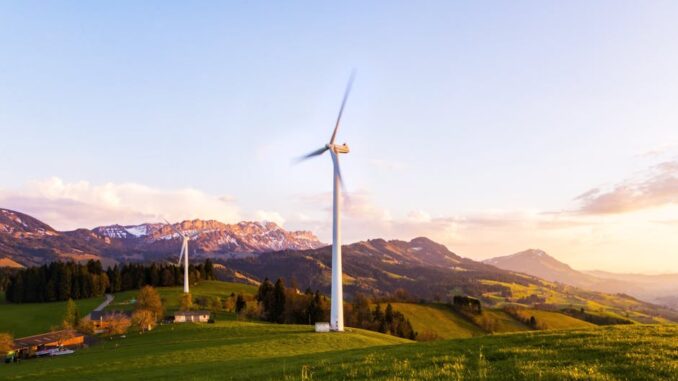
While less common for individual residential new builds due to planning complexities and site requirements, micro wind turbines can be viable for larger, more exposed rural developments or even some commercial projects. They require consistent wind resources and careful consideration of noise and visual impact. For urban or suburban settings, their feasibility is generally quite limited compared to solar PV.
The Merton Rule and Beyond
It’s worth remembering the legacy of policies like the Merton Rule, pioneered by Merton London Borough Council. This rule, introduced way back in 2003, famously required new non-residential buildings over 1,000m² to generate at least 10% of their energy needs from on-site renewable sources (en.wikipedia.org). While national regulations have evolved, the Merton Rule set a precedent, influencing many local planning authorities to impose similar, or even more ambitious, renewable energy requirements on new developments. Always check local planning policy; it often goes above and beyond national minimums, especially in progressive councils.
Integrating renewables isn’t just about compliance; it’s about future-proofing. As electricity grids decarbonize and smart grid technologies advance, buildings that can generate and manage their own power will be incredibly resilient and desirable. Imagine a community of homes, all contributing to a local energy network, that’s genuinely exciting!
Intelligent Homes: The Power of Connectivity
We live in an increasingly connected world, and our buildings are no exception. Smart building technologies aren’t just about novelty; they’re powerful tools for optimizing energy use, enhancing comfort, and providing occupants with unprecedented control over their environment. It’s about moving from passive efficiency to active, intelligent management, squeezing out every last drop of potential energy savings.
The Brains of the Building: Building Management Systems (BMS)
For larger developments, multi-residential blocks, or commercial properties, a comprehensive Building Management System (BMS) acts as the central nervous system. This sophisticated network monitors and controls various building systems – heating, ventilation, air conditioning (HVAC), lighting, security, and even access control – from a single interface. A well-implemented BMS can dynamically adjust settings based on occupancy, time of day, external weather conditions, and even predictive algorithms. This leads to substantial energy savings by preventing unnecessary operation, identifying inefficiencies, and providing valuable data for ongoing optimization. It’s like having a dedicated energy manager working 24/7.
Personalized Comfort: Smart Thermostats and Zoned Heating
At the individual home level, smart thermostats have truly revolutionized how people interact with their heating. Devices like Nest or Hive don’t just let you remotely control your heating from your phone; many incorporate learning algorithms that observe occupant behaviour and schedules, then automatically adjust settings to optimize comfort and efficiency. They can even detect when a home is empty and dial down the heating. Paired with zoned heating systems, where different areas of a home can be heated independently, these technologies ensure energy is only used precisely where and when it’s needed. For instance, why heat the entire house when everyone is asleep, and only the bedroom needs warmth? (sanctuary-homes.co.uk).
Illuminating Efficiency: Smart Lighting
Lighting typically accounts for a significant portion of a building’s electricity consumption. Smart lighting solutions tackle this head-on:
- Occupancy Sensors: Lights automatically switch off when a room is vacant, ensuring you’re not lighting empty spaces.
- Daylight Harvesting: Sensors detect the amount of natural light available and dim artificial lights accordingly, saving energy on bright days.
- Automated Dimming and Scheduling: Pre-programmed schedules adjust lighting levels throughout the day, and dimmable LED fixtures (which are inherently efficient) allow for precise control and energy savings without sacrificing ambiance. Plus, modern LEDs are just so much more reliable and long-lasting, minimizing maintenance too.
Empowering Occupants: Smart Metering and Demand-Side Management
Giving occupants real-time, granular data about their energy consumption through smart meters is incredibly powerful. When people can see the direct impact of their actions, they’re far more likely to make energy-saving choices. Beyond mere monitoring, smart technologies are paving the way for ‘demand-side management,’ where energy-intensive appliances (like EV chargers or dishwashers) can be programmed to operate during off-peak hours when electricity is cheaper and often ‘greener’ (from renewables), or even automatically respond to grid signals. This fosters a more flexible and resilient energy system.
Ultimately, smart technologies transform a building from a passive consumer to an active participant in its own energy management. They offer a level of control and optimization that was previously unimaginable, making homes not just efficient but genuinely intelligent, adapting to their inhabitants and the wider energy ecosystem. The challenge, of course, is making these sophisticated systems user-friendly; a complex interface will deter even the most well-intentioned homeowner. That’s our job, to ensure the tech is intuitive and delightful.
Navigating the Landscape: Regulatory Compliance & Future-Proofing
Staying ahead of the curve when it comes to regulations isn’t just about avoiding penalties; it’s about anticipating market trends, future-proofing your assets, and demonstrating genuine leadership. The UK’s legislative framework around energy efficiency is constantly evolving, reflecting our national and international climate commitments. As developers, we’re not just building for today; we’re building for a future shaped by these policies.
The Evolving Part L and EPC Ratings
Building Regulations Part L (Conservation of Fuel and Power) has been the cornerstone of energy performance standards in England for decades. It sets targets for the energy efficiency of new and existing buildings, focusing on elements like insulation, heating systems, and airtightness. Over the years, Part L has been progressively tightened, pushing for ever-higher standards. It assesses performance through metrics like the Target Fabric Energy Efficiency (TFEE) and Target Emission Rate (TER), requiring your ‘as-built’ performance to match or exceed these targets. Crucially, the emphasis is shifting from simply designing a compliant building to ensuring it performs as intended once constructed.
Energy Performance Certificates (EPCs) are also vital. They provide a standardized measure of a building’s energy efficiency and carbon emissions, rated on a scale from A (most efficient) to G (least efficient). An EPC is legally required when a property is built, sold, or rented. For developers, achieving high EPC ratings (ideally A or B) for new builds isn’t just about compliance; it significantly enhances market appeal, as buyers are increasingly aware of the running costs associated with a home’s energy performance. A strong EPC acts as a clear indicator of a well-built, future-ready home.
The Future Homes Standard: A Game Changer
Perhaps the most significant piece of upcoming legislation for UK developers is the Future Homes Standard (FHS), set to be implemented in 2025. This isn’t just another incremental tightening of Part L; it’s a fundamental shift. The core objective is ambitious: to ensure all new homes built from 2025 will produce 75-80% less carbon emissions than homes built under current (Part L 2013) standards. The absolute headline from FHS? New homes will not be allowed to connect to the gas grid, effectively banning fossil fuel heating systems like gas boilers. This means a decisive move towards heat pumps and other low-carbon heating technologies, supported by very high levels of fabric efficiency and airtightness.
This will have profound implications for design, procurement, construction practices, and indeed, the entire supply chain. Developers need to start preparing now – reviewing designs, training staff, engaging with suppliers for heat pump and MVHR systems, and understanding the nuances of the new regulatory landscape. Waiting until 2025 simply won’t be an option; agile businesses are already building to FHS standards, gaining invaluable experience.
Beyond the Minimum: Voluntary Standards and Local Planning
While Building Regulations set the minimum legal requirements, many developers choose to go further. Voluntary standards like BREEAM (Building Research Establishment Environmental Assessment Method) for commercial buildings, or the Home Quality Mark (HQM) for residential properties, offer frameworks for achieving even higher levels of sustainability across a broader range of criteria, including health and wellbeing, water use, and ecology. And then there’s the gold standard of Passivhaus, an incredibly rigorous design methodology that results in ultra-low energy buildings with exceptional comfort levels. Adopting these standards not only demonstrates leadership but can also fetch a market premium and enhance brand reputation.
Furthermore, always keep a keen eye on local planning policies. While national regulations set a baseline, many local authorities, particularly in major cities, have their own, often more stringent, sustainability requirements, ranging from specific carbon reduction targets to requirements for certain percentages of on-site renewables or sustainable urban drainage systems (SUDS). Ignoring these can lead to costly planning delays or refusals.
The UK government has made its ambition clear: for all buildings to be energy efficient with low-carbon heating by 2050 (gov.uk). By proactively embracing these energy-efficient practices and staying well-informed, developers can not only ensure compliance but also build a reputation as forward-thinking, responsible leaders in the construction sector, avoiding those potential penalties and, more importantly, building a better future.
The Sustainable Horizon: A Holistic Approach
So, there you have it. Achieving truly optimal energy efficiency in new buildings is a multifaceted journey, isn’t it? It’s far more than just bolting on a few solar panels or adding a bit of extra insulation. It demands a holistic, integrated approach that starts with thoughtful, climate-responsive design, moves through the meticulous selection of low-embodied-carbon materials, embraces advanced, low-carbon heating and cooling systems, and absolutely relies on a robust, airtight building fabric. Then, of course, we layer on the power of on-site renewables and the intelligence of smart building technologies, all while meticulously navigating an increasingly stringent regulatory landscape.
This isn’t just about meeting compliance standards; it’s about building genuinely desirable, high-performing homes and commercial spaces that not only deliver significant long-term financial benefits for owners and occupants through dramatically reduced running costs but also contribute meaningfully to our collective environmental responsibility. These are properties that will hold their value, attract discerning buyers, and offer unparalleled comfort and health benefits to those who live and work within their walls.
As UK developers, we have a unique opportunity – and frankly, a responsibility – to be at the forefront of this transformation. By embracing these strategies, by seeing energy efficiency not as a burden but as a core value proposition, we can create sustainable, cost-effective, and deeply comfortable spaces. We’re not just constructing buildings; we’re crafting the future, one intelligent, energy-efficient home at a time. Let’s make sure the UK’s built environment doesn’t just adapt, but truly leads the way.
Be the first to comment