

Building for Tomorrow: A Community Organization’s Comprehensive Guide to Sustainable Construction
Embarking on the journey to commission a sustainable building, especially for a community organization, is genuinely exhilarating and profoundly rewarding. You’re not just erecting walls and a roof; you’re crafting a legacy, a living testament to environmental stewardship and a beacon of hope for future generations. This isn’t merely about constructing a functional space; it’s about setting a powerful precedent, demonstrating what’s possible when vision meets dedication. Achieving optimal energy efficiency, a cornerstone of any truly sustainable structure, demands a thoughtful, strategic approach, one that stretches from those initial brainstorming sessions all the way through to ongoing post-occupancy evaluation. Ready to dive in? Here’s a detailed, step-by-step roadmap to help you navigate this intricate, yet incredibly impactful, process.
1. Establish Clear, Ambitious Performance Goals from the Get-Go
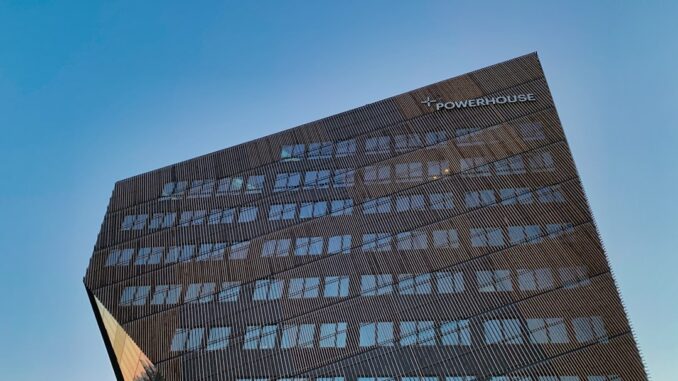
Successful low-energy building design hinges on careful planning. Focus360 Energy can help.
Before you even think about sketching a single line or moving a shovel of dirt, it’s absolutely crucial to define what success truly looks like for your project. This isn’t just a nicety; it’s the bedrock upon which every subsequent decision will rest. Are you merely aiming to be ‘a bit greener,’ or are you truly reaching for net-zero energy consumption, or perhaps even net-positive, generating more energy than you use? Do you have specific, measurable targets for reducing carbon emissions, or for water conservation, perhaps aiming for a certain percentage reduction from a conventional building? Maybe you’re looking at specific certifications like LEED Platinum, Passive House, or even the incredibly ambitious Living Building Challenge.
Setting these goals early, with crystal clarity, ensures that every single design choice, every material specification, every construction method, aligns perfectly with your overarching sustainability objectives. Without them, you’ll find yourselves adrift, making ad-hoc decisions that might inadvertently undermine your ultimate vision. For instance, the American Institute of Architects (AIA) consistently highlights the non-negotiable importance of drastically reducing energy use and systematically eliminating dependence on fossil fuels. And they don’t stop there, urging us to simultaneously improve building performance, enhance functionality, boost occupant comfort, and ultimately, elevate the sheer enjoyment of the space. It’s a holistic view, you see.
Why Detailed Goals Matter More Than You Think
Think of your goals as your project’s compass. Without it, how will you know if you’re heading in the right direction? Detailed goals provide a tangible framework for your entire team. They offer a benchmark against which you can measure progress, justify costs, and inspire innovation. Say you’re aiming for a 70% reduction in potable water use. That specific target immediately informs the choice of low-flow fixtures, rainwater harvesting systems, and even landscape design, doesn’t it? It transforms vague aspirations into concrete, actionable steps.
Moreover, these ambitious targets can actually unlock unforeseen opportunities. When you challenge your design team to achieve, say, Passive House certification, they’re forced to think creatively, to explore innovative solutions they might not otherwise consider. This often leads to more robust, more resilient, and ultimately, more beautiful buildings. Remember that community center in my town? They initially just wanted a ‘green’ building. But after a few impassioned workshops, led by a local environmental champion, they collectively decided to push for net-positive energy. It wasn’t just a technical goal; it became a rallying cry, energizing the entire community and leading to incredibly thoughtful design choices, like integrating solar pergolas that doubled as shaded gathering spots, truly brilliant.
So, what does true success look like for your community? Are you just aiming for compliance, or for actual, transformative impact? Spend time with your stakeholders, your community members, and your future building users. What do they value most? What future do they envision? Their input is invaluable, because ultimately, you’re building for them. Document these goals clearly, make them visible, and let them be your guiding star.
2. Assemble a Competent, Passionate Project Team
Your project team isn’t just a collection of individuals; it’s the beating heart of your entire endeavor. Finding the right people – those with not only the technical chops but also a genuine passion for sustainability – can make or break your project. This isn’t just about hiring an architect, an engineer, and a general contractor; it’s about curating a multidisciplinary cohort that truly understands the nuances of green building practices.
Beyond the core roles, consider specialists. You’ll want a dedicated sustainability consultant, someone who lives and breathes green certifications and can guide you through the maze of options. A commissioning agent, introduced early, is non-negotiable; they’re your quality control guardian. Don’t forget an energy modeling expert, who can simulate performance and help optimize design choices long before construction begins. And for a community project, a dedicated community liaison can be incredibly helpful, ensuring local voices are heard and incorporated. Their collective expertise, especially when integrated from the earliest conceptual stages, will be absolutely invaluable in navigating the sometimes-complex world of sustainable design and construction.
Cultivating Collaboration and Expertise
My personal belief is that finding people who genuinely care about sustainability, who aren’t just ticking boxes but are driven by a deeper purpose, makes all the difference. When you have a team that shares your vision, communication flows more easily, problems are solved more creatively, and the resulting building truly embodies its sustainable goals. I once worked on a project where the architect and the HVAC engineer were practically at war, each pushing their own agenda, and it led to endless, costly redesigns. Conversely, I recall a small library project where the team, from the facilities manager to the landscape architect, worked in such seamless harmony, even catching a potential issue with the rainwater harvesting system during a brainstorming session, saving thousands. That’s the power of a truly cohesive, competent team.
When vetting potential team members, go beyond their portfolio of pretty pictures. Ask pointed questions about their specific experience with sustainable projects. Have they worked on net-zero buildings? What certifications do their previous projects hold? Demand references, and actually call them. Ask about their problem-solving approach, their communication style, and their ability to collaborate effectively. Remember, as highlighted by organizations like the Green Building Alliance, commissioning – a critical quality assurance process – is most effective when you introduce it right at the very start of the design process. This early involvement allows for a comprehensive, holistic review of all systems and operations, preventing costly fixes down the line. A strong team means issues are flagged and addressed proactively, not reactively.
3. Implement Robust Energy Benchmarking for Informed Decisions
Understanding your building’s current or projected energy performance is not just ‘nice to have’; it’s absolutely crucial for making intelligent, data-driven decisions. Energy benchmarking provides you with a clear snapshot of your building’s energy consumption, allowing you to compare it against similar properties, both locally and nationally. This process helps you pinpoint areas of inefficiency, celebrate successes, and most importantly, sets a crucial baseline for future performance goals and improvements.
How to Benchmark Effectively
So, what exactly is benchmarking, and how do you go about it? Essentially, it involves collecting and tracking your building’s energy use data – think electricity, natural gas, water – over a specific period, usually a year. Then, you normalize this data based on factors like building size, operating hours, and even climate, to produce metrics like Energy Use Intensity (EUI), typically expressed as kBtu per square foot per year. This EUI is your gold standard for comparison.
Several excellent tools can assist you here. ENERGY STAR Portfolio Manager is a widely recognized and free online tool that lets you track and assess your building’s energy and water consumption. Many local utility companies also offer their own benchmarking programs and resources, sometimes even providing incentives for participation. For existing community buildings considering a retrofit, benchmarking is your diagnostic tool. It can uncover hidden energy hogs – perhaps an ancient boiler, leaky ductwork, or inefficient lighting that’s silently draining your budget. The Michigan Green Building Collaborative, for instance, offers a practical guidebook to help commercial buildings navigate this very process, underscoring its widespread utility.
Even for new construction, benchmarking is invaluable. Before you even build, you can set a target EUI based on best practices and similar high-performing buildings. This target then becomes a key performance indicator (KPI) for your design team, pushing them to optimize every system and material choice to meet or exceed that benchmark. Imagine a community library that, through initial benchmarking, discovered its proposed design would consume 30% more energy than comparable, well-performing libraries in the region. That’s a wake-up call, prompting design revisions and a deeper dive into more efficient systems, ultimately saving significant operational costs for years to come. This process isn’t just about numbers; it’s about turning data into actionable insights, making sure every dollar you spend is an investment in long-term efficiency.
4. Prioritize Passive Design Strategies: Letting Nature Do the Work
Here’s where the art and science of sustainable building truly come alive: leveraging the innate power of nature to create comfortable, energy-efficient spaces. Passive design strategies are all about minimizing your reliance on mechanical heating, cooling, and lighting systems by intelligently harnessing natural elements like sunlight, wind, and thermal mass. When implemented effectively from the very first conceptual sketches, these strategies can dramatically reduce your building’s energy footprint and operational costs, often resulting in a more pleasant and healthy indoor environment too.
Key Passive Design Elements to Master
-
Site Orientation: This is foundational. Imagine a crisp winter morning, sunlight streaming deep into your lobby, warming the space naturally. That’s the power of smart orientation. By carefully positioning your building on its site, you can maximize beneficial solar gain in colder months while minimizing unwanted heat gain during the summer. You’re also considering prevailing winds for natural ventilation and daylighting opportunities. A slightly angled façade, seemingly minor, can have a profound impact on energy performance.
-
Optimized Building Envelope: Think of your building’s skin. A high-performance envelope is incredibly well-insulated – walls, roof, and floor – acting like a high-tech thermos. We’re talking about insulation levels far exceeding standard code requirements, minimizing heat loss in winter and heat gain in summer. Crucially, relentless air sealing prevents uncontrolled drafts and energy leakage. Pair this with carefully selected windows (high-performance glazing with low-emissivity coatings) and external shading devices (overhangs, fins, vegetation), and you’ve got a formidable barrier against energy waste. I remember a youth center that, despite beautiful south-facing windows for winter sun, completely overlooked summer glare. They ended up needing expensive external shading retrofits later. Such a simple oversight can lead to significant headaches and costs if not addressed early.
-
Natural Ventilation & Airflow: Why run the AC when a gentle breeze can do the job? Designing for natural ventilation means strategically placing operable windows, vents, and internal airflow paths to encourage cross-ventilation. Techniques like the ‘stack effect,’ where warm air rises and exits through high vents, drawing cooler air in through lower openings, are incredibly effective. This not only reduces cooling loads but also provides fresh air, enhancing occupant comfort and indoor air quality. Who doesn’t love a fresh breeze through a building on a mild day?
-
Daylighting Strategies: Maximize natural light and slash your electric lighting bill. This involves careful window sizing and placement, but also more advanced techniques like light shelves that bounce daylight deep into a room, or solar tubes that pipe sunlight into interior spaces. Coupling these with automated lighting controls that dim electric lights when sufficient daylight is available takes it to the next level. Bright, naturally lit spaces aren’t just energy efficient; they’re also proven to boost mood, productivity, and overall well-being. The AIA Framework for Design Excellence consistently champions the central role of passive design in achieving genuine energy efficiency, and honestly, it’s just smart design.
-
Thermal Mass: This involves using dense materials like concrete, stone, or even water to absorb and store heat during the day, releasing it slowly at night. In hot climates, it can absorb internal heat gains, keeping spaces cooler. In cooler climates, it can store solar heat and release it after the sun sets, stabilizing indoor temperatures. It’s a subtle yet powerful strategy for moderating temperature swings.
These passive strategies are your building’s first line of defense against energy waste. They’re often the most cost-effective solutions in the long run because, once designed and built correctly, they work tirelessly, powered only by the sun and wind, with virtually no ongoing operational costs. Ignoring them means you’ll spend more money and energy trying to fix problems with mechanical systems that could have been avoided in the first place.
5. Select Energy-Efficient Systems and Sustainable Materials Thoughtfully
Once you’ve maximized your passive design strategies, it’s time to choose the active systems and materials that will complement and elevate your building’s energy performance. This is where cutting-edge technology meets environmental consciousness, making a substantial difference to both your operational budget and your ecological footprint. Remember, every decision here has ripple effects for the building’s entire lifecycle.
Smarter Systems for a Greener Future
-
High-Efficiency HVAC Systems: Gone are the days of oversized, inefficient HVAC units. Today, we have incredibly sophisticated options. Consider Variable Refrigerant Flow (VRF) systems, which can simultaneously heat and cool different zones, or ground-source (geothermal) heat pumps, which tap into the Earth’s stable temperature to provide highly efficient heating and cooling. Dedicated Outdoor Air Systems (DOAS) deliver fresh, conditioned air independently, reducing the load on other systems, and demand-controlled ventilation ensures you’re only ventilating spaces when and where it’s needed, based on occupancy or CO2 levels. These choices might have a higher upfront cost, but their long-term operational savings are significant, often providing a compelling return on investment.
-
Advanced Lighting Solutions: LED technology has revolutionized lighting. It’s not just about energy savings; LEDs offer superior longevity, durability, and control. Combine these with daylight harvesting controls (which dim or turn off artificial lights when natural light is abundant) and occupancy sensors (which ensure lights are only on when a space is occupied), and you’ve got an intelligent lighting system that practically manages itself. Imagine a youth center that chose high-efficiency lighting with smart controls; it wasn’t just for energy savings, but also because the dynamic lighting created a more inviting and adaptable space for different activities, from quiet study to energetic dance classes. It transforms the space.
-
Harnessing Renewable Energy Sources: This is where you really start to generate your own clean power. Solar photovoltaic (PV) panels are perhaps the most common, whether they’re rooftop arrays, ground-mounted systems, or even integrated into the building façade itself. Small-scale wind turbines might be an option in specific, windy locations, and if you’ve already considered ground-source heat pumps, you’re already tapping into geothermal energy. Integrating renewables often brings substantial long-term savings, provides energy independence, and makes a powerful public statement about your commitment to sustainability.
Sustainable Materials: Beyond Just ‘Green’
Selecting materials for a sustainable building goes far beyond simply choosing something ‘green.’ It involves a holistic assessment of their entire lifecycle, from extraction and manufacturing to transportation, installation, and eventual disposal or recycling. You’re looking for materials that:
- Have Low Embodied Energy: This refers to the total energy consumed to produce, transport, and install a material. Locally sourced materials often have lower embodied energy due to reduced transportation, and recycled content materials also score well here.
- Are Durable and Long-Lasting: The most sustainable material is often the one you don’t have to replace frequently. High-quality, durable materials reduce waste and resource consumption over the building’s lifespan.
- Contain Recycled Content: Choosing materials made from recycled industrial waste or post-consumer products reduces demand for virgin resources and diverts waste from landfills.
- Are Locally Sourced: Supporting local economies and reducing transportation emissions are key benefits.
- Are Non-Toxic and Promote Healthy Indoor Air Quality: Materials free from harmful VOCs (Volatile Organic Compounds) and other pollutants are essential for the health and well-being of building occupants.
- Are Sustainably Harvested or Manufactured: For wood products, look for FSC (Forest Stewardship Council) certification. For other materials, understand the manufacturing processes.
Balance the upfront cost of these systems and materials with their long-term operational savings and environmental benefits. Look for certifications like ENERGY STAR for appliances, WaterSense for fixtures, and Cradle to Cradle for materials, as these provide a solid indication of performance and sustainability attributes. The Sustainable Energy Communities Guide rightly suggests that commissioning is ideally performed prior to initial occupancy and then on an ongoing basis to ensure these meticulously chosen systems operate exactly as efficiently as intended.
6. Engage in Rigorous Commissioning and Retro-Commissioning
This step, often undervalued, is truly your insurance policy for a high-performing sustainable building. Commissioning (Cx) isn’t just a fancy term; it’s a meticulous, quality-based process that ensures all building systems and components are planned, designed, installed, tested, operated, and maintained to function optimally, exactly as specified in the design documents and owner’s performance goals. Think of it as the ultimate quality control check, ensuring your building doesn’t just look good on paper, but actually performs beautifully in the real world.
The Importance of Commissioning (Cx)
Commissioning involves an independent commissioning agent (CxA) who acts as an advocate for the owner, verifying that every system – HVAC, lighting, controls, plumbing, renewable energy, and more – works as intended, both individually and as an integrated whole. This process typically spans several phases:
- Pre-Design & Design Phase: The CxA reviews the owner’s project requirements (OPR) and basis of design (BOD), ensuring sustainability goals are clearly defined and incorporated. They also review design documents for commissionability and efficiency. Catching design flaws here is infinitely cheaper than fixing them during construction.
- Construction Phase: The CxA verifies that equipment is installed correctly, participates in functional performance testing, and ensures proper documentation and training for facility staff.
- Post-Occupancy Phase: The CxA verifies seasonal performance and addresses any lingering issues, ensuring continuous optimal operation. I remember a newly completed office building that, thanks to commissioning, discovered its HVAC system was running simultaneously with its heating system in certain zones due to a programming error – a massive energy waste averted before anyone even moved in! Without that independent check, it could have run for months, silently bleeding money.
Organizations like the Green Building Alliance rightly note that commissioning is a quality-based process that meticulously documents the efficiency of a facility and all of its systems. It’s about proactive problem-solving, identifying the most effective opportunities for both energy and cost savings before they become expensive headaches or, worse, compromise your building’s intended performance.
Retro-Commissioning (RCx) for Existing Buildings
For existing community buildings, especially those undergoing renovation or struggling with high energy bills, retro-commissioning (RCx) is your secret weapon. RCx applies similar principles but focuses on optimizing existing systems that may have drifted from their original design intent over time due to deferred maintenance, changes in occupancy, or control system glitches. It’s like giving your building a full physical and tune-up. RCx often uncovers significant savings by:
- Identifying and fixing control sequence errors (like the heating/cooling conflict mentioned above).
- Optimizing equipment scheduling and setpoints.
- Calibrating sensors and actuators.
- Finding and repairing leaky ducts or pipes.
- Improving overall system interaction.
Many studies show that RCx projects typically yield a payback period of just 1-3 years through energy savings, making it an incredibly attractive investment for community organizations looking to green their existing footprint. It’s often the lowest-hanging fruit for substantial energy and cost reductions. Both commissioning and retro-commissioning are absolutely vital steps, ensuring that the beautiful, energy-efficient vision you’ve worked so hard to create actually comes to fruition and continues to deliver its promised performance.
7. Monitor Performance Continuously and Adjust as Needed
Your sustainable building isn’t a static monument; it’s a living, breathing entity, constantly interacting with its environment and its occupants. Therefore, the journey doesn’t end when the ribbon is cut. In fact, that’s just the beginning of its operational life. Continuously monitoring its performance and being prepared to make adjustments is absolutely critical for realizing and sustaining the energy efficiency and environmental goals you so carefully established. This post-occupancy phase is where the rubber truly meets the road, and it’s where you gather invaluable insights for future projects, too.
The Feedback Loop: How to Keep Your Building Performing Optimally
-
Establish a Robust Monitoring System: This might involve sub-metering key energy loads (HVAC, lighting, plug loads) and water use, integrating with your building management system (BMS) for real-time data, and even deploying smart sensors. The more granular your data, the better you can understand where energy is going. The International Green Construction Code (IGCC) provides excellent guidelines for improving the sustainability and environmental performance of buildings during their design, construction, and operation – emphasizing this continuous loop.
-
Regular Data Review and Analysis: Don’t just collect data; analyze it! Set up a routine for reviewing energy and water consumption trends. Are there unexpected spikes? Is consumption higher than your benchmark or design targets? Tools like ENERGY STAR Portfolio Manager can help you visualize and track this data over time, making anomalies jump out. This process helps you make informed decisions about maintenance schedules, operational adjustments, and potential upgrades. A community kitchen, for instance, once found its water usage spiking on weekends. Turns out, a few dedicated volunteers were leaving a sink running for convenience. A simple communication, a quick fix, and huge savings, all found through diligent monitoring.
-
Occupant Engagement and Feedback: People are part of the system! Educate building users about how their actions impact energy consumption. Encourage them to use natural light, dress appropriately for the indoor climate, and report any comfort issues. Post-occupancy evaluations (POE) – which can involve surveys, interviews, and even direct observation – provide qualitative insights that quantitative data can’t capture. Are people comfortable? Do they understand how to use the controls? Their feedback can reveal subtle operational issues or opportunities for behavioral changes that yield big results.
-
Ongoing Commissioning (OCx) and Preventative Maintenance: Consider integrating ongoing commissioning, sometimes called monitoring-based commissioning (MBCx), which uses continuous data analysis to identify and diagnose operational faults, ensuring systems are always running at peak efficiency. Couple this with a proactive preventative maintenance schedule. Regular checks, cleaning, and tuning of equipment – from HVAC filters to lighting controls – prevent minor issues from becoming major, costly problems. This extends the lifespan of your systems and maintains their efficiency.
This continuous loop of monitoring, analysis, and adjustment is often overlooked, yet it’s truly where the long-term savings and valuable lessons are learned. Your building is a dynamic, evolving asset, and like any valuable asset, it needs ongoing care and feeding. Patience, persistence, and a commitment to learning will not only ensure your building remains a high-performing beacon of sustainability but will also provide invaluable insights that can inform your organization’s future projects. The journey to a sustainable building is indeed a marathon, not a sprint, and every step, especially the final ones, helps shape a greener, more resilient future for your community.
Be the first to comment