
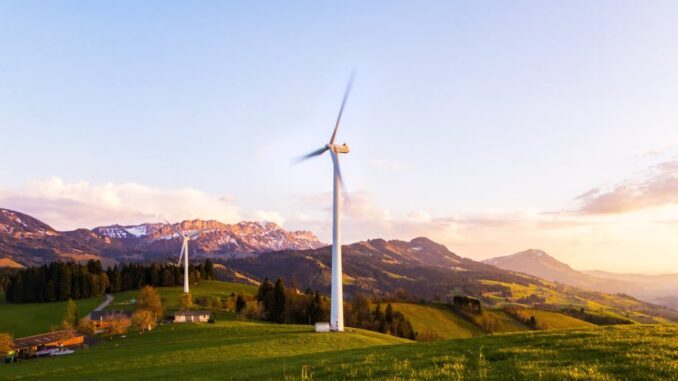

The United Kingdom’s Green Infrastructure Revolution: A Deep Dive into Energy Transformation by 2035
Many thanks to our sponsor Focus 360 Energy who helped us prepare this research report.
Abstract
The United Kingdom is strategically positioning itself at the vanguard of global energy transition, embarking on an unparalleled journey to fundamentally reshape its energy infrastructure. This ambitious undertaking necessitates a projected investment exceeding £35 billion annually by 2035, underscoring the scale and commitment to achieving net-zero emissions. The comprehensive strategy encompasses a multifaceted approach, notably a robust wind power strategy aiming to nearly double existing installed capacity, pivotal international collaborations such as the £7.5 billion agreement with Japan focusing on advanced clean energy technologies and hydrogen initiatives, and critical, substantial investments in grid modernization and energy storage. This extensive report furnishes an in-depth, analytical examination of these transformative developments, meticulously exploring the underlying technological advancements, profound economic implications, intricate regulatory challenges, and vital environmental and social considerations inherent in this national energy metamorphosis. By delving into these interconnected facets, this analysis aims to provide a holistic understanding of the UK’s pathway to a sustainable and secure energy future.
Many thanks to our sponsor Focus 360 Energy who helped us prepare this research report.
1. Introduction: Catalysing a Sustainable Energy Future
The global imperative to address anthropogenic climate change has unequivocally driven nations worldwide to critically reevaluate and fundamentally transform their energy infrastructures. The overwhelming scientific consensus regarding the urgency of this challenge, coupled with geopolitical considerations emphasizing energy security and economic resilience, has propelled the United Kingdom to commit to a comprehensive and radical overhaul of its existing energy systems. This commitment is enshrined within the framework of the ‘Green Infrastructure Revolution,’ a strategic blueprint designed not merely to reduce carbon emissions but to decisively position the UK as a pre-eminent leader in clean energy innovation, deployment, and policy by 2035. This ambitious timeframe reflects both the urgency of the climate crisis and the opportunity for economic revitalization through green growth. The UK’s binding legal commitment to achieve net-zero greenhouse gas emissions by 2050, reinforced by a series of ambitious interim carbon budgets, forms the bedrock of this transformative agenda. The Sixth Carbon Budget, for instance, mandates a 78% reduction in emissions by 2035 compared to 1990 levels, covering all sectors of the economy and necessitating deep decarbonisation across power, transport, industry, and buildings. (gov.uk, 2021)
This report systematically delves into the intricate components of this revolution, dissecting the strategic plans employed, the innovative technologies driving change, and the broader economic, policy, and societal implications. Beyond mere technological deployment, the transition necessitates profound shifts in market design, regulatory frameworks, public engagement, and international collaboration. The aspiration is to not only meet climate targets but also to bolster energy independence, create high-value jobs, and foster a new era of industrial growth rooted in sustainable practices. The UK’s geographical advantages, particularly its abundant offshore wind resources, and its historical legacy of energy innovation, provide a unique foundation upon which to build this future. However, the path is fraught with significant challenges, ranging from securing substantial and sustained investment to navigating complex planning processes and ensuring a just transition for all segments of society. This detailed analysis seeks to illuminate both the immense potential and the formidable hurdles on the UK’s journey towards a truly green infrastructure.
Many thanks to our sponsor Focus 360 Energy who helped us prepare this research report.
2. Strategic Investment in Renewable Energy: Powering the Future
2.1 Wind Power Expansion: The Unseen Giant of the North Sea
Wind energy, particularly offshore wind, stands as the unequivocal cornerstone of the UK’s renewable energy strategy, representing a monumental commitment to harnessing its unparalleled natural resources. The government’s ambitious plan to nearly double the installed wind power capacity from around 28.5 GW in 2023 to over 50 GW by 2030, with a significant proportion from offshore, is a clear testament to this commitment. (pveurope.eu, 2025) This target, outlined in the British Energy Security Strategy, aims to make the UK one of the largest offshore wind markets globally.
Offshore wind farms, benefiting from stronger and more consistent winds compared to their onshore counterparts, are poised to play a particularly pivotal role. The UK’s extensive coastline and relatively shallow continental shelf in areas like the North Sea make it ideally suited for fixed-bottom offshore wind development. Projects like Hornsea One, Two, and Three off the Yorkshire coast, developed by Ørsted, exemplify the scale of these developments, with Hornsea Two alone being one of the world’s largest, capable of powering over 1.3 million homes. (orsted.co.uk)
The Green Volt offshore wind farm, proposed off the coast of Scotland, is a crucial example of innovative floating offshore wind technology, expected to become operational by 2029. This project, and others like it emerging from the ScotWind leasing round, will contribute significantly to the national grid and demonstrate the viability of accessing deeper water sites with higher wind speeds. (en.wikipedia.org)
Onshore wind, while facing more localized planning challenges, remains a cost-effective and crucial component. The government has recently reaffirmed its commitment to easing planning restrictions to ‘kickstart an onshore wind revolution,’ acknowledging its potential to unlock up to 45,000 jobs by 2030. (gov.uk, 2025) This dual approach—maximized offshore capacity combined with strategic onshore deployment—is vital for achieving the ambitious decarbonisation targets for the power sector.
2.2 Solar Energy Initiatives: Harnessing the Sun’s Potential
Solar photovoltaic (PV) technology has witnessed a dramatic reduction in costs over the past decade, solidifying its position as a highly cost-effective and scalable solution for renewable energy generation. The UK’s strategic plan envisions substantial investments in solar PV, aiming to harness its potential to meet a significant portion of the nation’s energy needs, with targets aiming for a five-fold increase in solar capacity to 70 GW by 2035. (gov.uk, 2022)
This growth is expected across various scales. Utility-scale solar farms, often co-located with battery storage, are becoming increasingly common, leveraging economies of scale. Furthermore, rooftop solar installations on commercial, industrial, and residential buildings are actively encouraged through policies such as the Smart Export Guarantee (SEG), which ensures that small-scale generators are paid for electricity exported to the grid. The planning system is also being reformed to facilitate easier deployment of rooftop solar, recognising its minimal land footprint and direct consumption benefits. Challenges remain, particularly concerning land use for large-scale solar farms and grid connection bottlenecks, which are being addressed through strategic spatial planning and grid reinforcement initiatives. The integration of solar PV with agricultural practices, known as agri-voltaics, is also gaining traction as a way to mitigate land use conflicts and maximize efficiency.
2.3 Other Renewable Sources: Diversifying the Portfolio
While wind and solar dominate the UK’s renewable strategy, other sources contribute to a diversified and resilient energy mix. Hydropower, though largely saturated in terms of large-scale potential, continues to provide reliable, flexible generation from existing schemes, particularly in Scotland and Wales. Biomass, often controversial due to sustainability concerns, plays a role in baseload power generation, particularly at converted coal plants like Drax, where efforts are being made to integrate carbon capture technologies (Bioenergy with Carbon Capture and Storage, BECCS) to achieve net-negative emissions. (drax.com)
Moreover, the UK possesses significant tidal and wave energy resources, particularly around its coastlines. While these technologies are still largely in the research and development phase, they offer predictable, baseload renewable energy. Projects like Orbital Marine Power’s O2 tidal turbine off Orkney demonstrate the technological readiness and potential for future deployment, although commercial viability at scale remains a challenge. The government continues to support innovation in these areas through funding mechanisms, recognising their long-term strategic importance for energy security and diversity. The potential for geothermal energy, particularly in regions with suitable geological conditions, is also being explored, offering a stable and low-carbon heat source for district heating networks.
Many thanks to our sponsor Focus 360 Energy who helped us prepare this research report.
3. International Collaborations and Investments: Global Partnerships for a Green Future
3.1 Partnership with Japan: Forging a Hydrogen and Clean Energy Alliance
The £7.5 billion agreement with Japan emphatically underscores the UK’s commitment to strategic international collaboration in advancing clean energy technologies. This partnership extends far beyond mere financial investment, focusing on accelerating the development and deployment of hydrogen technologies, which are critical for decarbonizing hard-to-abate sectors. The collaboration encompasses joint research and development projects aimed at improving hydrogen production efficiency, storage solutions, and end-use applications across various industries, including steelmaking, chemical production, and heavy transport. (gov.uk, 2023)
Furthermore, the alliance facilitates knowledge exchange in advanced nuclear technologies, smart grid development, and carbon capture, utilization, and storage (CCUS). For the UK, this partnership leverages Japan’s industrial prowess and technological innovation, while for Japan, it offers access to the UK’s leadership in offshore wind and expertise in energy system integration. The strategic importance of this collaboration also lies in diversifying supply chains for critical clean energy components and fostering resilient energy security through shared technological advancement, ultimately accelerating the global transition to a low-carbon economy. This bilateral relationship is crucial for driving progress in areas where both nations possess complementary strengths and common climate goals, fostering a robust platform for future green industrial growth.
3.2 Xlinks Morocco–UK Power Project: An Ambitious Interconnector Rejected
The proposed Xlinks Morocco–UK Power Project represented an extraordinarily ambitious endeavour to establish a 3.6 GW high-voltage direct current (HVDC) interconnector. The project aimed to transmit vast quantities of solar and wind-generated electricity from Morocco, where solar irradiation is intense and wind resources are abundant, directly to the UK grid. The concept was innovative: leveraging geographical differences in renewable resource availability to provide reliable, baseload clean power to the UK, potentially reducing reliance on domestic generation fluctuations. The initial projections anticipated operational status within a decade, promising a significant contribution to UK energy security and decarbonisation goals. (en.wikipedia.org)
However, in June 2025, the UK government made the decision to reject the project. The reasons cited were complex, likely encompassing concerns over project viability, cost-effectiveness, and the strategic implications of relying on such a long-distance, single-source interconnector for a significant portion of national demand. Technical challenges associated with the sheer length of the undersea cables (approximately 3,800 km), transmission losses, and the complexities of grid synchronization across vast distances were undoubtedly factors. The decision reflects a broader strategy prioritizing domestic energy generation and more localized interconnectors to enhance energy independence, although the concept of importing stable renewable power from diverse, high-resource regions remains strategically attractive for long-term energy security.
3.3 Broader International Energy Diplomacy and Interconnection
Beyond bilateral agreements, the UK actively participates in broader international energy diplomacy, including its significant role in hosting and engaging with UN Climate Change Conferences (COPs) and promoting global climate action. The UK’s commitment to interconnectivity extends to its European neighbours, with existing HVDC interconnectors such as IFA (to France), BritNed (to the Netherlands), NEMO Link (to Belgium), and North Sea Link (to Norway). These interconnectors are crucial for grid stability, allowing the UK to import and export electricity, balancing supply and demand, and leveraging price differentials across markets. New projects, such as Viking Link (to Denmark) and Eastern Green Link 1 and 2 (domestic offshore links for Scottish wind), further enhance this interconnectedness, contributing to regional energy security and enabling greater penetration of intermittent renewables. (nationalgrideso.com) These connections enable the UK to trade surplus renewable energy and import power during periods of low domestic generation, thereby increasing system resilience and reducing the need for fossil fuel peaker plants. The strategic importance of such interconnections is growing as the UK moves towards higher shares of variable renewable energy in its mix, allowing for greater grid flexibility and economic efficiency across national borders.
Many thanks to our sponsor Focus 360 Energy who helped us prepare this research report.
4. Technological Innovations Driving the Transformation: The Engine of Change
4.1 Advanced Hydrogen Production: A Versatile Energy Carrier
Hydrogen is increasingly recognised as a pivotal energy carrier that will play a crucial, versatile role in the UK’s future energy landscape, particularly in decarbonizing sectors challenging to electrify directly. The UK’s strategy places a strong emphasis on ‘green’ hydrogen, produced through the electrolysis of water using renewable electricity, thereby generating zero emissions at the point of production. Alongside this, ‘blue’ hydrogen, derived from natural gas with carbon capture, utilisation, and storage (CCUS), is also viewed as an important transitional pathway to scale up production rapidly while green hydrogen infrastructure matures. (gov.uk, 2021)
Advanced hydrogen production technologies are central to this strategy. Electrolysis is becoming increasingly efficient, with various technologies like Proton Exchange Membrane (PEM) and Alkaline Electrolysers seeing rapid development. The UK aims for 10 GW of low carbon hydrogen production capacity by 2030, with at least half of this from green hydrogen. This hydrogen is earmarked for several critical applications: as an industrial feedstock for sectors such as chemicals, refining, and steel production; for heavy transport modes like shipping, aviation, and heavy goods vehicles, where batteries are less viable; for power generation, potentially replacing natural gas in gas turbines; and, controversially, for heating, through blending into the existing gas grid or dedicated hydrogen heating networks in specific areas. Major hydrogen hubs are being developed in industrial clusters like Teesside and the Humber, leveraging existing industrial infrastructure and proximity to offshore wind resources for production and CCUS facilities for blue hydrogen. These hubs are designed to create interconnected hydrogen economies, stimulating demand and supply simultaneously.
4.2 Floating Offshore Wind: Unlocking Deeper Frontiers
Floating offshore wind technology represents a significant, transformative advancement in harnessing the immense potential of wind energy. Unlike traditional fixed-bottom turbines that are limited to shallower waters (typically less than 60 meters deep), floating platforms enable the deployment of turbines in deeper, more consistent wind resources located further from shore. This expands the potential for offshore wind energy generation exponentially, particularly in regions like Scotland, where vast deep-water areas offer excellent wind conditions but are unsuitable for fixed-bottom installations. The Green Volt offshore wind farm in Scotland exemplifies this innovation, utilising floating turbines to access these deeper and more powerful wind regimes. (en.wikipedia.org)
The technology typically involves large substructures – such as semi-submersibles, spar buoys, or tension-leg platforms – moored to the seabed, with the turbine mounted on top. While still more expensive than fixed-bottom alternatives, costs are rapidly declining due to technological maturation, economies of scale, and increased deployment. Floating wind offers several advantages: reduced visual impact from shore, potentially less disruption to marine habitats during installation (as fabrication occurs onshore), and access to superior wind resources. The UK is a global leader in floating wind R&D and demonstration, with initiatives like the ScotWind leasing round prioritizing projects using this innovative technology to meet ambitious decarbonisation targets and establish a strong domestic supply chain.
4.3 Small Modular Nuclear Reactors (SMRs) and Advanced Nuclear Technologies
Small Modular Reactors (SMRs) offer a promising solution for providing low-carbon, reliable, and dispatchable energy, complementing the intermittency of renewables. The UK’s investment in SMRs reflects a strategic move to diversify its energy mix, enhance energy security, and leverage its long-standing expertise in nuclear technology. Unlike conventional large-scale nuclear plants, SMRs are factory-built, standardized, and assembled on-site, offering benefits such as faster deployment, lower upfront capital costs, and greater flexibility in siting and power output (typically 300 MWe or less). (gov.uk, 2022)
Companies like Rolls-Royce are developing proprietary SMR designs in the UK, with the goal of deploying the first operational unit by the early 2030s. These SMRs are envisioned not only for electricity generation but also for providing high-grade heat for industrial processes or for hydrogen production, further integrating nuclear power into the broader clean energy economy. The UK is also investing in advanced nuclear technologies beyond fission, notably the Spherical Tokamak for Energy Production (STEP) project, which aims to develop a prototype fusion power plant. (en.wikipedia.org) Fusion, if successfully commercialized, promises virtually limitless, clean energy from abundant fuel sources with minimal long-lived radioactive waste. While STEP is a long-term endeavour, it underscores the UK’s commitment to pushing the boundaries of energy innovation. Alongside SMRs, large-scale nuclear projects like Hinkley Point C and Sizewell C remain crucial for providing a stable baseload power source, reducing reliance on fossil fuels and underpinning grid stability.
4.4 Carbon Capture, Utilisation, and Storage (CCUS): Decarbonising Heavy Industry
Carbon Capture, Utilisation, and Storage (CCUS) technologies are indispensable for achieving net-zero, particularly for decarbonizing heavy industries (cement, steel, chemicals) and for enabling blue hydrogen production. The UK is aggressively pursuing the development of industrial CCUS clusters, aiming to capture and store 20-30 MtCO2 per year by 2030. Key projects include the East Coast Cluster (combining Humber and Teesside industrial emissions with offshore storage in the North Sea) and HyNet North West. These clusters integrate capture technologies at industrial sites, transport CO2 via pipelines, and store it permanently in geological formations, typically depleted oil and gas reservoirs or saline aquifers beneath the North Sea. (gov.uk, 2023)
Beyond simply storing CO2, research and development are also focused on Carbon Capture, Utilisation (CCU), which involves converting captured CO2 into valuable products like synthetic fuels, building materials, or chemicals. While CCU offers economic benefits, its scale of emissions reduction is typically smaller than permanent geological storage. The success of CCUS is critical not only for industrial decarbonisation but also for creating a viable ‘blue’ hydrogen economy and for potential negative emissions through Bioenergy with Carbon Capture and Storage (BECCS), where CO2 from burning biomass is captured and stored.
Many thanks to our sponsor Focus 360 Energy who helped us prepare this research report.
5. Economic Implications: Growth, Jobs, and Global Competitiveness
5.1 Investment and Job Creation: The Green Collar Economy
The colossal investments slated for renewable energy infrastructure are anticipated to act as a potent catalyst for significant economic growth and widespread job creation across the UK. The government’s target of investing £35 billion annually by 2035 translates into sustained demand for skilled labour and domestic manufacturing. The onshore wind strategy alone is projected to unlock up to 45,000 jobs by 2030, spanning a diverse array of sectors including high-skill engineering, advanced manufacturing, construction, project management, and long-term operations and maintenance. (gov.uk, 2025)
This job creation extends far beyond wind. The expansion of solar PV, the development of hydrogen production facilities, the construction of SMRs and large-scale nuclear plants, and the build-out of CCUS infrastructure will generate hundreds of thousands of ‘green collar’ jobs. Analysis suggests that the UK’s green economy could support up to 2 million jobs by 2030. (gov.uk, 2023) These jobs are often geographically dispersed, offering opportunities for regional economic development and contributing to the ‘levelling up’ agenda, particularly in coastal areas for offshore wind and industrial heartlands for hydrogen and CCUS. The long-term economic benefits include reduced reliance on volatile fossil fuel imports, improving the UK’s balance of payments and shielding consumers from global energy price shocks. Furthermore, becoming a leader in green technologies positions the UK to export expertise, services, and manufactured components globally, creating new avenues for international trade and economic influence.
5.2 Supply Chain Considerations: Building Domestic Resilience
The rapid and unprecedented expansion of renewable energy technologies necessitates the urgent development of robust and resilient domestic supply chains. The current landscape presents significant challenges, including a historical reliance on foreign manufacturing for key components (e.g., solar PV modules predominantly from China, wind turbine components often from European manufacturers) and a global competition for raw materials. Critical minerals such as lithium, cobalt, and rare earth elements, essential for batteries and permanent magnets in wind turbines, often originate from a limited number of countries, raising concerns about geopolitical risks and supply chain vulnerabilities. (IEA, 2023)
Strategic planning and substantial investment are imperatively required to address these challenges and ensure the timely, secure, and sustainable deployment of energy infrastructure. This involves fostering domestic manufacturing capabilities for wind turbine blades, towers, and foundations; developing a local solar panel assembly and component industry; and building out the specialized infrastructure for hydrogen production and transport. Furthermore, port infrastructure requires significant upgrades to handle the increasingly large components of offshore wind turbines. Addressing the skills gap is paramount, necessitating investment in education, training, and apprenticeships to cultivate a workforce proficient in green technologies. The emphasis is not just on deployment but also on maximizing UK content and value retention within the domestic economy, transforming the UK into a manufacturing hub for the green industrial revolution.
5.3 Energy Costs and Competitiveness: Balancing Affordability and Decarbonisation
The economic implications also extend to energy costs and the competitiveness of UK industries. While the marginal cost of generating electricity from renewables is often near zero, the system costs for integrating variable generation (e.g., grid reinforcement, storage, balancing services) can be substantial. The UK has successfully driven down the levelized cost of electricity (LCOE) for offshore wind through mechanisms like Contracts for Difference (CfDs), making it cheaper than new gas-fired power. However, the overall impact on consumer bills is a complex interplay of generation costs, network charges, policy levies, and wholesale market dynamics. (Lazard, 2023)
In the long term, reducing reliance on fossil fuel imports is expected to insulate the UK economy and consumers from volatile global commodity prices, leading to greater energy price stability. Access to cheap, clean, and domestically produced power can also provide a competitive advantage for UK industries, particularly energy-intensive sectors, helping them to decarbonise and remain competitive in a global economy increasingly valuing sustainable production. However, careful market design and regulatory oversight are essential to ensure that the transition is managed equitably, avoiding disproportionate impacts on vulnerable households and industries while maintaining a robust and investable energy market. This balance is critical to securing public and industrial buy-in for the rapid pace of change.
Many thanks to our sponsor Focus 360 Energy who helped us prepare this research report.
6. Regulatory and Policy Challenges: Navigating the Transition
6.1 Planning and Permitting: Accelerating Deployment, Managing Conflict
Accelerating the deployment of renewable energy projects and associated infrastructure, such as grid connections and interconnectors, critically requires streamlined planning and permitting processes. The current system, while robust in ensuring environmental protection and public consultation, has often been criticised for bureaucratic delays and protracted timelines, impeding the swift realisation of vital energy projects. The UK government has initiated various reforms aimed at expediting these processes, particularly for nationally significant infrastructure projects. This includes updates to National Policy Statements (NPSs) which provide overarching guidance for major energy developments, aiming to give clearer policy direction to planning inspectors and decision-makers. (gov.uk, 2023)
Despite these efforts, challenges persist. Local opposition to onshore wind and solar projects, often driven by concerns over visual impact, noise, or land use, can significantly slow down or halt developments. Grid connection queues, with projects waiting many years for network upgrades, represent another major bottleneck. The tension between rapid deployment for climate goals and ensuring comprehensive environmental assessments and meaningful public engagement is a delicate balance. Effective community engagement strategies, coupled with clear benefits for local populations (e.g., community ownership schemes, direct financial benefits), are crucial for fostering social acceptance and streamlining the planning pathway. Furthermore, robust environmental impact assessments are vital to ensure that new infrastructure does not inadvertently harm biodiversity or sensitive ecosystems, particularly in marine environments for offshore wind.
6.2 Policy Alignment and Long-term Certainty: The Need for Consistency
Ensuring that energy and climate policies are consistently aligned with the UK’s legally binding net-zero targets and interim carbon budgets is paramount for investor confidence and effective implementation. Recent policy decisions have, at times, raised concerns about the consistency of the UK’s commitment. For example, the delay in the ban on new petrol and diesel car sales from 2030 to 2035 by Prime Minister Rishi Sunak, citing concerns over household costs, raised questions among climate advocates and investors about the long-term policy trajectory and the pace of decarbonisation. (apnews.com, 2023)
Such shifts can create uncertainty, which is detrimental to attracting the substantial long-term private investment required for large-scale energy infrastructure. A stable and predictable policy framework, underpinned by clear legislative mandates and consistent government messaging, is essential for de-risking investments in capital-intensive projects such as offshore wind farms, nuclear plants, and hydrogen infrastructure. Furthermore, the debate around new oil and gas licensing in the North Sea, while framed by the government as enhancing energy security during the transition, has also drawn criticism for potentially undermining the UK’s climate leadership. (apnews.com, 2023) The Climate Change Committee (CCC), an independent statutory body, plays a vital role in providing expert advice and scrutinizing government policy against climate targets, offering a crucial check on policy alignment and progress.
6.3 Market Design and Incentives: Enabling Innovation and Investment
Effective market design and targeted incentive mechanisms are fundamental to driving investment in new, cleaner energy technologies. The Contracts for Difference (CfD) scheme has been instrumental in de-risking investment in renewable generation, particularly offshore wind, by providing developers with a stable, predictable revenue stream. This has been a key factor in driving down the cost of renewable electricity in the UK. (gov.uk, 2024)
However, as the energy system evolves with higher penetrations of variable renewables, the existing electricity market arrangements (EMA) need to adapt. The government’s Review of Electricity Market Arrangements (REMA) is exploring fundamental reforms to ensure the market can efficiently integrate more intermittent generation, attract investment in flexibility solutions (like storage), and maintain security of supply at least cost. This includes potential changes to wholesale market pricing, capacity market design, and specific business models for emerging technologies like hydrogen, CCUS, and SMRs, which require bespoke long-term revenue stability mechanisms to attract initial investment. The challenge is to design a market that fosters innovation and competition while ensuring affordability and security of supply throughout the transition period.
Many thanks to our sponsor Focus 360 Energy who helped us prepare this research report.
7. Grid Modernization and Energy Storage: The Backbone of the New Energy System
7.1 Grid Infrastructure: Towards a Smart, Resilient Network
Modernizing and significantly expanding the national electricity grid is not merely beneficial but absolutely essential to accommodate the escalating penetration and variable nature of renewable energy sources. The existing grid infrastructure, largely designed for centralized, fossil-fuel-based power generation, is ill-equipped to handle the bidirectional power flows, increased volatility, and remote locations of new renewable generation. The UK needs to build out vast new transmission capacity, particularly to connect the burgeoning offshore wind farms in the North Sea and the north of Scotland to demand centres further south. Projects like Eastern Green Link 1 and 2, which are new undersea and underground HVDC links from Scotland to England, are crucial for alleviating congestion and enabling the transfer of renewable power. (nationalgrideso.com)
Investments in grid expansion are coupled with the deployment of smart grid technologies. These include advanced sensors, automation, digital controls, and sophisticated software that can monitor, manage, and optimize the flow of electricity in real-time. Smart grids enable greater flexibility, enhanced resilience against disruptions, and facilitate demand-side response, where electricity consumption is actively managed in response to supply conditions or price signals. The National Grid Electricity System Operator (ESO) plays a critical role in forecasting future energy scenarios and planning the necessary upgrades, working within regulatory frameworks (such as Ofgem’s RIIO price controls) that aim to incentivize efficient network investment while protecting consumers. Without substantial and timely grid upgrades, the full potential of renewable energy deployment will remain untapped, leading to curtailment of clean power and increased costs.
7.2 Energy Storage Solutions: Mitigating Intermittency and Enhancing Flexibility
Developing and deploying advanced energy storage solutions on a large scale is critical to mitigate the inherent intermittency of renewable energy sources like wind and solar. Storage technologies provide the flexibility needed to balance supply and demand, store excess energy during periods of high generation and low demand, and release it during periods of high demand or low renewable output, thereby ensuring grid stability and reliability. A diverse portfolio of storage solutions is being explored and deployed:
-
Large-scale Battery Storage Systems: Primarily lithium-ion batteries, these facilities are rapidly being deployed across the UK for short-duration grid balancing, frequency response, and ancillary services. They can respond within milliseconds to grid fluctuations, making them invaluable for maintaining system stability. Research into longer-duration battery technologies, such as flow batteries, is also ongoing to extend their utility. (gov.uk, 2022)
-
Pumped Hydro Storage (PHS): This mature technology, exemplified by facilities like Dinorwig in Wales, offers long-duration, large-scale energy storage. Water is pumped uphill to a reservoir when electricity is cheap and abundant, and released through turbines to generate power when demand is high. While new sites are limited by geography, proposals for expanding existing facilities or developing new ones are being considered, recognising their unique ability to provide substantial grid resilience.
-
Hydrogen Storage: As hydrogen production scales, the ability to store it for long durations and in large volumes becomes crucial. Salt caverns, such as those being developed in Teesside and the Humber, offer a promising solution for storing hydrogen, linking directly to the hydrogen economy for industrial use, transport, or re-electrification. This could provide seasonal storage capabilities, addressing longer periods of low renewable generation.
-
Other Technologies: Flywheels, compressed air energy storage (CAES), and thermal energy storage (for industrial heat or district heating) are also being explored for specific applications. The economic and technical challenges of deploying these diverse storage technologies at the required scale are significant, necessitating supportive policy frameworks, innovative financing models, and continued R&D to drive down costs and improve performance. This holistic approach to storage is fundamental to creating a fully decarbonised, resilient, and flexible energy system.
Many thanks to our sponsor Focus 360 Energy who helped us prepare this research report.
8. Environmental and Social Considerations: A Just and Sustainable Transition
8.1 Environmental Impact: Balancing Green Benefits with Localized Challenges
While renewable energy projects inherently offer significant environmental benefits by reducing greenhouse gas emissions, their deployment is not without localized environmental impacts that necessitate careful assessment and mitigation. The development of offshore wind farms, for example, can impact marine ecosystems through noise pollution during piling (affecting marine mammals), bird collision risks (especially for migratory species), and habitat alteration on the seabed. Cumulative impacts from multiple projects in concentrated areas are a growing concern. Comprehensive environmental impact assessments (EIAs), strategic environmental assessments (SEAs), and robust monitoring programmes are essential to understand and mitigate these effects, alongside research into bird-friendly turbine designs and innovative piling techniques.
Onshore, large-scale solar installations can affect land use, biodiversity, and visual amenity. Careful siting to avoid prime agricultural land or ecologically sensitive areas is crucial. Agri-voltaics, which combine solar energy generation with agricultural production, offer a potential solution to mitigate land use conflicts. Onshore wind farms also face concerns regarding visual impact, noise, and potential impacts on local wildlife (e.g., bats and birds). Lifecycle assessments are important for all renewable technologies to understand their full environmental footprint, from raw material extraction and manufacturing to decommissioning and recycling, ensuring that the shift to renewables does not simply displace environmental burdens. The responsible management of waste streams, particularly for end-of-life wind turbine blades and solar panels, is also a growing consideration.
8.2 Social Acceptance and Just Transition: Engaging Communities and Ensuring Equity
Public perception and social acceptance are absolutely vital for the successful and timely implementation of large-scale energy infrastructure projects. Projects that lack local community support often face significant delays, legal challenges, or outright rejection. Effective engagement strategies are therefore paramount, involving early and transparent consultation with communities, addressing legitimate concerns, and ensuring that local benefits are clearly communicated and realized. These benefits can include local job creation, community benefit funds (e.g., for local projects or energy bill reductions), and opportunities for local ownership or investment in renewable energy schemes. The ‘not in my backyard’ (NIMBY) phenomenon remains a significant hurdle for many onshore developments, highlighting the need for developers and government to build trust and demonstrate tangible local value. (gov.uk, 2023)
Beyond local acceptance, the concept of a ‘just transition’ is gaining prominence. This global framework ensures that the societal and economic benefits and costs of the energy transition are distributed fairly and equitably. This means protecting vulnerable communities from disproportionate energy costs, retraining workers from traditional fossil fuel industries for green jobs, and ensuring that the transition does not exacerbate existing inequalities or create new forms of energy poverty. Policies must consider the affordability of new energy technologies, access to green financing, and support for energy efficiency measures for all households. A successful ‘Green Infrastructure Revolution’ must be one that brings all citizens along, ensuring that the benefits of clean, secure energy are accessible to everyone, and that no community is left behind in the shift to a sustainable future.
Many thanks to our sponsor Focus 360 Energy who helped us prepare this research report.
9. Conclusion: Forging a Path to a Green and Resilient Future
The United Kingdom’s Green Infrastructure Revolution represents a bold, comprehensive, and ultimately essential approach to fundamentally transforming the nation’s energy landscape. Through strategic and sustained investments, pioneering technological innovation, and robust international collaboration, the UK is unequivocally positioning itself to achieve its ambitious clean energy and climate objectives by 2035 and its legally binding net-zero target by 2050. The scale of investment, exceeding £35 billion annually, underscores the national commitment to a future powered predominantly by renewables, complemented by nuclear energy and a burgeoning hydrogen economy.
Key pillars of this transformation include the unparalleled expansion of wind power, both fixed-bottom and floating offshore, substantial growth in solar energy, and the strategic embrace of advanced nuclear technologies like SMRs and fusion. Hydrogen is emerging as a critical energy carrier for decarbonising hard-to-abate sectors, supported by significant investment in production and infrastructure. International partnerships, such as the extensive collaboration with Japan, are leveraging global expertise and resources to accelerate innovation and de-risk deployment, while a modernized, smart, and expanded national grid, coupled with diverse energy storage solutions, forms the indispensable backbone for integrating these new energy sources.
However, realizing this ambitious vision is not without its complexities and requires diligent and sustained attention to a multitude of interconnected factors. Economic considerations necessitate fostering robust domestic supply chains, attracting continuous private investment through predictable policy, and managing energy costs to ensure affordability and competitiveness. Regulatory challenges, particularly streamlining planning and permitting processes while ensuring strong environmental safeguards and community engagement, are paramount. Furthermore, maintaining consistent policy alignment and providing long-term certainty for investors are crucial to avoid undermining progress. Finally, the environmental and social dimensions demand careful stewardship of natural resources and a steadfast commitment to a ‘just transition,’ ensuring that the benefits of a green future are shared equitably across all communities.
In essence, the UK’s journey is a testament to the fact that achieving net-zero is not merely an environmental imperative but a multifaceted national project with profound economic, social, and technological implications. Success hinges on sustained political will, coordinated action across government, industry, and civil society, and a willingness to adapt and innovate in the face of evolving challenges. By successfully navigating these complexities, the UK stands poised to not only secure a sustainable and equitable energy future for its citizens but also to cement its position as a global leader in the fight against climate change and the pioneering development of a green industrial revolution.
Many thanks to our sponsor Focus 360 Energy who helped us prepare this research report.
References
- Associated Press. (2023). UK leader Rishi Sunak delays ban on new gas and diesel cars by 5 years in contentious climate shift. (apnews.com)
- Associated Press. (2023). Britain approves new North Sea oil drilling in welcome news for the industry but not activists. (apnews.com)
- Associated Press. (2025). UK announces $19 billion investment in first major nuclear plant since the 1990s. (apnews.com)
- Associated Press. (2025). The UK says at an energy summit that green power will boost security, as the US differs. (apnews.com)
- Drax Group. (n.d.). Carbon Capture & Storage. (drax.com)
- Great British Energy. (2025). Strategic Plan 2025. (gbe.gov.uk)
- International Energy Agency (IEA). (2023). Critical Minerals Outlook 2023. (iea.org)
- Lazard. (2023). Lazard’s Levelized Cost Of Energy, Version 17.0. (lazard.com)
- National Grid ESO. (n.d.). Future Energy Scenarios. (nationalgrideso.com)
- National Grid ESO. (n.d.). Eastern Green Link 1. (nationalgrideso.com)
- Ørsted. (n.d.). Hornsea 2. (orsted.co.uk)
- PV Europe. (2025). UK on track for 172.7 GW renewables capacity by 2035. (pveurope.eu)
- The Week. (2025). Are we entering a ‘golden age’ of nuclear power? (theweek.com)
- UK Government. (2021). UK enshrines new target in law to slash emissions by 78% by 2035. (gov.uk)
- UK Government. (2021). UK Hydrogen Strategy. (gov.uk)
- UK Government. (2022). British Energy Security Strategy. (gov.uk)
- UK Government. (2023). Net Zero Strategy: Build Back Greener. (gov.uk)
- UK Government. (2023). National Policy Statement for Energy (EN-1 to EN-5) Update. (gov.uk)
- UK Government. (2023). Carbon Capture, Usage and Storage (CCUS) Strategy. (gov.uk)
- UK Government. (2023). UK and Japan boost economic ties with landmark trade deal. (gov.uk)
- UK Government. (2023). Community Energy Strategy. (gov.uk)
- UK Government. (2024). Contracts for Difference (CfD) Scheme. (gov.uk)
- UK Government. (2025). New plan to kickstart onshore wind revolution. (gov.uk)
- UK Government. (2025). Clean energy future to be ‘built in Britain’. (gov.uk)
- Wikipedia. (2025). Great British Energy Act 2025. (en.wikipedia.org)
- Wikipedia. (2025). Green Volt offshore wind farm. (en.wikipedia.org)
- Wikipedia. (2025). Spherical Tokamak for Energy Production. (en.wikipedia.org)
- Wikipedia. (2025). Western Isles HVDC connection. (en.wikipedia.org)
- Wikipedia. (2025). Xlinks Morocco–UK Power Project. (en.wikipedia.org)
Be the first to comment