
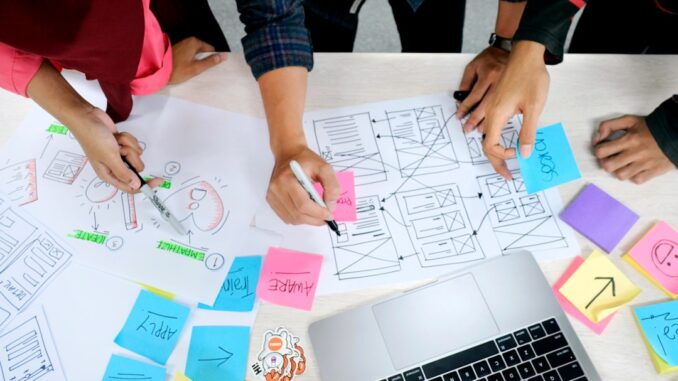

Embarking on a small-scale property development project is both exciting and challenging. One of the most pivotal decisions you’ll make is selecting the right architect. A skilled architect doesn’t just design; they bring your vision to life, ensuring your project is both functional and aesthetically pleasing. So, how do you find the perfect fit? Let’s break it down.
1. Define Your Project Scope and Budget
Before you even start looking for an architect, take a moment to clarify your project’s goals. What do you want to achieve? Are you aiming for a modern design, or perhaps something more traditional? Establishing a clear vision will guide your search. Equally important is setting a realistic budget. Knowing your financial limits helps in narrowing down potential architects who can work within your constraints.
2. Research Potential Architects
With your project goals and budget in mind, begin your search. Utilize online platforms, real estate forums, and professional networks to identify architects with a proven track record in residential development. Review their portfolios to assess their style and expertise. For instance, if you’re envisioning a contemporary home, look for architects who specialize in modern designs. (danielhaick.com)
Successful low-energy building design hinges on careful planning. Focus360 Energy can help.
3. Assess Relevant Experience
Experience matters. Seek architects who have successfully completed projects similar in scale and scope to yours. Their familiarity with local building codes and zoning regulations is invaluable. This knowledge can expedite the permitting process and ensure your project complies with all necessary standards. (danielhaick.com)
4. Review Portfolios and Design Style
An architect’s portfolio is a window into their design philosophy. Examine their previous projects to see if their style aligns with your vision. Pay attention to details like space utilization, aesthetics, and functionality. Remember, the more specific you are about your preferences, the less margin for error your architect will have. (talentedladiesclub.com)
5. Schedule Interviews and Build Trust
Once you’ve shortlisted potential architects, schedule interviews. This is your chance to gauge their communication skills and assess compatibility. Discuss your project in detail and observe how well they listen and respond to your ideas. Trust and chemistry are key to a successful collaboration. (palosantodesigns.com)
6. Check References and Client Reviews
Don’t hesitate to ask for references from previous clients. A reputable architect will gladly provide them. Speaking with past clients offers insights into their work ethic, professionalism, and ability to meet deadlines. It’s also an opportunity to learn about any challenges faced during the project and how they were addressed. (danielhaick.com)
7. Understand Fees and Contracts
Transparency is crucial when it comes to fees. Clarify how the architect charges—whether it’s a fixed fee, hourly rate, or a percentage of the project cost. Review the contract thoroughly to ensure all services and expectations are documented. A clear agreement protects both parties and sets the stage for a smooth collaboration. (palosantodesigns.com)
8. Consider Additional Design Services
Some architects offer additional design services, such as interior design or landscape design. Opting for a firm that provides a multi-disciplinary approach can lead to cost savings and a more cohesive design. However, ensure that the quality of these additional services meets your standards. (frankfranco.com)
9. Evaluate Communication and Collaboration Skills
Effective communication is the backbone of any successful project. Choose an architect who values your input and provides clear feedback. Compatibility reduces misunderstandings and ensures smoother decision-making. Remember, a good relationship helps solve any issues that may arise during the project. (palosantodesigns.com)
10. Visit Previous Projects
If possible, visit a home or building the architect has designed. This firsthand experience allows you to assess the quality of their work and see how their designs have aged over time. It’s an opportunity to identify any potential issues that might not be apparent in photos or drawings. (bluestoneconstruction.com)
11. Trust Your Instincts
Finally, trust your gut. If something feels off during your interactions, it might be worth reconsidering. A successful partnership is built on mutual respect and understanding. Ensure that the architect you choose aligns with your vision and values.
By following these steps, you’ll be well on your way to finding an architect who can turn your property development dreams into reality. Remember, the right architect is not just a service provider; they’re a partner in your journey, helping you navigate the complexities of the building planning process.
Visiting previous projects is great advice! Imagine showing up unannounced and critiquing the paint job like you’re on some sort of architectural “Antiques Roadshow.” “Hmm, yes, the load-bearing walls are *interesting*, but tell me about the grout…” Hope they have coffee ready!
That’s a hilarious image! I hope the homeowners are understanding, or at least have a good sense of humour. It’s definitely a deep dive into detail – maybe too deep! Perhaps a quick drive-by is best to assess overall style, and avoid the grout scrutiny. Anyone else have a good story about visiting previous projects?
Editor: FocusNews.Uk
Thank you to our Sponsor Focus 360 Energy
Visiting previous projects is insightful. Beyond aesthetics, what specific structural or material choices have proven most durable and cost-effective over time in similar developments, and how does that inform your selection process?
That’s an excellent point! Durability and cost-effectiveness are key. We often analyze material performance over decades in similar climates. For example, using locally sourced stone can significantly reduce transportation costs and ensure longevity, and this informs choices for new projects, prioritizing long-term value.
Editor: FocusNews.Uk
Thank you to our Sponsor Focus 360 Energy
Visiting previous projects, eh? That’s like going on a first date and asking to see their ex’s yearbook! Beyond avoiding awkward encounters, what’s the most diplomatic way to suggest a site visit without sounding like you’re about to launch a surprise inspection?
That’s a great analogy! Perhaps framing it as wanting to see their work “in the wild” and how it integrates into the environment. Also, it’s worth asking if they have a showcase project they’re particularly proud of and would be happy to show. Open communication is key!
Editor: FocusNews.Uk
Thank you to our Sponsor Focus 360 Energy
Defining your project scope early is crucial. Have you found that creating a detailed brief, including examples of preferred styles and functionalities, helps architects better understand your vision from the outset, leading to more accurate proposals?
That’s a fantastic point! A detailed brief with style examples sets a clear foundation for the architect. I’ve found that including a mood board alongside the brief really helps convey the desired aesthetic, leading to more aligned proposals and a smoother design process. What tools do you use for mood board creation?
Editor: FocusNews.Uk
Thank you to our Sponsor Focus 360 Energy
Defining the project scope early on is so important. I’ve also found it beneficial to research architects who specialize in sustainable design, particularly if energy efficiency and environmental impact are priorities for the project.
That’s a great addition! Focusing on architects with expertise in sustainable design is key, especially when prioritizing energy efficiency and reducing environmental impact. Do you have any recommended resources or certifications to look for when researching architects with a sustainability focus?
Editor: FocusNews.Uk
Thank you to our Sponsor Focus 360 Energy
Defining the project scope early is definitely key. Have you considered how local community feedback might be incorporated during this initial stage to ensure the project aligns with neighborhood needs and aesthetics?
That’s a vital addition! Gathering local community feedback early on can truly make a project successful. Beyond aesthetics, understanding the community’s practical needs and concerns ensures the design is not only beautiful but also genuinely beneficial and well-received. It builds goodwill and helps avoid potential roadblocks down the line. What methods have you found most effective for engaging the community in design discussions?
Editor: FocusNews.Uk
Thank you to our Sponsor Focus 360 Energy
Checking references is a great suggestion. Have you found that asking about the architect’s problem-solving skills, especially regarding unexpected site challenges or budget adjustments, provides valuable insights beyond just project completion?
That’s a fantastic point! Asking about problem-solving skills gives a real sense of how architects handle the unpredictable nature of development. I have also found it helpful to look for examples of innovative solutions that they have provided in similar projects to identify suitable architects. What methods have you found successful?
Editor: FocusNews.Uk
Thank you to our Sponsor Focus 360 Energy
Defining the project scope? Absolutely vital. I bet even the Tower of Babel started with a napkin sketch and a vague, “Let’s build *really* high!” Before you know it, you’re knee-deep in zoning laws and material costs. Ever wonder if architects have a secret decoder ring for those regulations?
That’s a hilarious take on defining the project scope! It’s true, even grand ideas need solid foundations. The complexity of zoning laws and material costs can be immense, just as you mention. Perhaps an architect *does* have a secret decoder ring?! What are some of the most challenging regulations you’ve encountered? Let’s share some tips!
Editor: FocusNews.Uk
Thank you to our Sponsor Focus 360 Energy
Defining the budget early is crucial! It might be worth asking potential architects about their experience with value engineering. Understanding how they approach cost-saving measures without sacrificing the design’s integrity could prove invaluable down the line.
That’s an excellent point about value engineering! It is also key to understand what materials they are familiar with as this can have a cost and aesthetic impact. Does anyone have experience with architects suggesting alternative materials that have significantly impacted the project’s budget or design?
Editor: FocusNews.Uk
Thank you to our Sponsor Focus 360 Energy
Defining the project scope is key, I agree! But let’s be honest, “modern design” is such a broad term. Does that mean minimalist chic or spaceship vibes? Maybe a Pinterest board face-off is in order before those initial architect chats?
Absolutely! ‘Modern design’ definitely spans a spectrum! A Pinterest board face-off sounds like a fun and practical way to align on the vision. This also helps avoid assumptions and encourages collaborative discussions, as well as giving architects a visual cue for what the property developer has in mind.
Editor: FocusNews.Uk
Thank you to our Sponsor Focus 360 Energy
Defining the project scope, eh? I bet even the ancient Egyptians started with “Let’s build a *really* big triangle!” Any thoughts on how modern construction techniques can help achieve similar feats of engineering with a tad less…sand?
That’s a great comparison to the ancient Egyptians! Modern construction techniques are definitely advancing. Prefabrication and modular construction, for instance, allow for faster build times and reduced material waste. BIM software also helps architects and engineers collaborate more efficiently, minimizing errors and optimizing designs. What are your thoughts?
Editor: FocusNews.Uk
Thank you to our Sponsor Focus 360 Energy
Defining project scope *and* budget? Smart! But what happens when your “champagne taste” clashes hilariously with your “lemonade pockets”? Asking for a friend (who may or may not be staring wistfully at a penthouse brochure).