

Mastering the EPC: Your Comprehensive Guide to High-Performing New Commercial Buildings
Let’s face it, in today’s commercial property landscape, a high Energy Performance Certificate (EPC) rating isn’t just a nice-to-have; it’s absolutely non-negotiable. For new commercial buildings, achieving an excellent EPC from the get-go is fundamental for regulatory compliance, yes, but it’s also a powerful driver for significant long-term cost savings, enhanced market value, and, critically, demonstrating a genuine commitment to sustainability. We’re not just talking about ticking boxes here, we’re talking about building a truly future-proof asset.
Think about it for a moment: potential tenants and buyers are increasingly savvy. They don’t just look at square footage anymore; they’re keenly assessing operational costs and environmental credentials. A building that’s a drain on energy and resources just isn’t attractive, plain and simple. This comprehensive guide walks you through actionable steps, detailing how to embed superior energy efficiency into every stage of your new commercial build. Implementing these strategies proactively will undoubtedly lead to enduring benefits for both building owners and the people who’ll eventually occupy these spaces.
Successful low-energy building design hinges on careful planning. Focus360 Energy can help.
It’s a journey, sure, but one that pays dividends, often substantial ones.
1. Prioritize Intelligent Building Design and Orientation: The Blueprint for Efficiency
The absolute cornerstone of energy efficiency, without a shadow of a doubt, lies in truly thoughtful building design. This isn’t just about aesthetics; it’s about making the building work with, not against, its environment. Imagine a structure that feels naturally comfortable, requiring less mechanical intervention to maintain ideal conditions. That’s the power of passive design.
One of the first, and arguably most impactful, considerations is your building’s orientation on its site. Why fight the sun when you can harness its power, right? Strategically positioning the building to maximise natural light penetration means you’ll reduce your reliance on artificial lighting for a good chunk of the day. Furthermore, clever orientation can either invite or deflect solar heat gain, depending on the season and your specific climate. For instance, in cooler climates, orienting long facades to face south can welcome valuable passive solar heating during winter months, cutting down heating bills considerably. Conversely, in warmer regions, minimising west-facing glazing helps mitigate the intense afternoon sun, thereby reducing cooling loads. It’s a delicate balance, and it varies greatly by location.
We need to dive deeper into passive design principles here, because they are the unsung heroes of energy performance. Think about elements like:
- Strategic Window Placement and Sizing: It’s not just about putting windows in; it’s about where, how big, and what type. Large windows on south-facing facades (in the northern hemisphere) can be a boon for daylighting and winter warmth, but they’ll need careful shading to prevent overheating in summer. North-facing windows offer consistent, glare-free light, perfect for workspaces. East and west-facing windows often present the biggest challenges due to low-angle sun, demanding more sophisticated shading solutions. Glazing to wall ratios also play a huge role, too much glass can be a thermal Achilles’ heel.
- Thermal Mass Materials: Incorporating materials like concrete, brick, or even water features into the building’s structure allows them to absorb heat during the day and release it slowly at night, or vice-versa. This evens out internal temperatures, smoothing out those uncomfortable peaks and troughs and reducing the demand on your HVAC systems. It’s like a natural thermal battery for your building, and it’s surprisingly effective.
- Natural Ventilation Strategies: Can the building ‘breathe’ on its own? Cross-ventilation, stack effect ventilation, and wind-driven ventilation can all dramatically reduce the need for energy-intensive mechanical cooling. Think about operable windows, strategically placed vents, and even building geometry that encourages air movement. Of course, you’ll need to consider air quality and noise, but the potential savings are huge.
- Shading Devices: External shading – overhangs, louvres, fins, even strategically planted trees – is far more effective at preventing solar heat gain than internal blinds. Once the sun’s rays are inside, the heat is already largely in the building, and you’re essentially just trapping it. External shading intercepts that heat before it even reaches the glass, keeping the interior significantly cooler.
- Building Form Factor: A compact, well-proportioned building generally has less exterior surface area relative to its internal volume, which means less opportunity for heat loss or gain. Sprawling, complex shapes might look striking, but they often come with a higher energy penalty.
Before you even put pen to paper for the full architectural drawings, a thorough site analysis is absolutely critical. This isn’t just a cursory glance; it’s a deep dive into local climate data, prevailing wind directions, sun paths, surrounding buildings that might cast shadows, and even potential noise sources. Armed with this knowledge, your design team can craft a building that inherently performs better, right from the very first sketch.
2. Invest in High-Quality Insulation: Your Building’s Thermal Jacket
If intelligent design is the skeleton, then insulation is undeniably the skin – a thick, protective thermal jacket that keeps your building comfortable and miserly with its energy. Effective insulation is paramount because it directly minimizes heat loss in winter and heat gain in summer, leading to significantly lower energy consumption for heating and cooling. We’re not just talking about warmth, but year-round thermal stability. Without it, you’re essentially trying to heat or cool the outdoors.
Think about the science for a moment: heat naturally flows from warmer areas to cooler ones. Good insulation acts as a barrier to this flow, slowing it down dramatically. When designing a new commercial building, you really must focus on insulating every part of the building envelope: walls, roofs, floors, and even foundations. Each element presents its own unique challenges and opportunities for improvement.
Let’s consider the array of insulation materials available and their properties:
- Mineral Wool (Rock Wool/Glass Wool): A fantastic all-rounder, often made from recycled materials, offering excellent thermal and acoustic performance. It’s non-combustible and breathable, which can be a real plus for moisture management within walls. It’s also relatively cost-effective. You’ll often see it as slabs in cavity walls or rolls in loft spaces. Its fibrous nature means it traps air, which is the actual insulator.
- PIR (Polyisocyanurate) Boards: These rigid foam boards offer exceptional thermal performance for their thickness, meaning you can achieve high R-values (thermal resistance) with a thinner profile. This is super important where space is at a premium, like within wall constructions or flat roofs. They’re lightweight and easy to handle, though often a bit pricier than mineral wool.
- Phenolic Foam Boards: Similar to PIR but generally offering even better thermal performance per unit of thickness. If you need the absolute best insulation with minimal space, phenolic might be your go-to. Again, the cost can be higher.
- Expanded Polystyrene (EPS) and Extruded Polystyrene (XPS): EPS is often seen in bead or board form, popular for cavity wall insulation and external wall insulation systems. XPS is denser and closed-cell, making it more resistant to moisture, ideal for basements or inverted roofs. Both are cost-effective but generally offer slightly lower thermal performance than PIR or phenolic.
- Cellulose Insulation: Often made from recycled paper, this is a more eco-friendly option, typically blown into wall cavities or lofts. It offers good thermal and acoustic properties and can fill irregular spaces well. It’s treated to be fire and pest resistant.
- Vacuum Insulated Panels (VIPs): These are the kings of thermal performance, offering incredibly high R-values in ultra-thin panels. They’re expensive and have specific installation requirements but are invaluable where space is severely limited, perhaps around window frames or in highly sensitive areas.
Don’t forget the impact of thermal bridging. This is where parts of the building envelope have a significantly lower thermal resistance than the surrounding materials, allowing heat to ‘bridge’ the insulation layer. Common culprits include structural elements like concrete slabs extending through walls, steel beams, or even poorly installed window frames. Meticulous design detailing and clever use of thermal breaks are crucial to eliminate these energy leaks. It’s often said that a well-insulated loft can improve an EPC rating by 10-15 points, and that’s absolutely true, but a poorly insulated wall or a major thermal bridge can undo a lot of that good work. It’s about comprehensive attention to detail across the entire envelope.
Comprehensive Envelope Strategy
For walls, consider continuous insulation on the exterior, often more effective than cavity insulation alone because it minimizes thermal bridging through the structural frame. For roofs, particularly flat roofs, incorporating sufficient PIR or phenolic board directly above the structural deck can create a ‘warm roof’ construction that prevents interstitial condensation and significantly reduces heat loss. And for floors, especially those over unheated basements or on the ground, ensure robust insulation is installed either under the slab or between joists. Every square metre counts, and neglecting even one part of the envelope means you’re leaving money on the table, plain and simple.
3. Select Energy-Efficient Windows and Doors: The Eyes and Entrance to Efficiency
Windows and doors are often the weakest links in a building’s thermal envelope. They’re fantastic for natural light and access, obviously, but they’re also prime suspects for heat loss and gain. So, when it comes to new commercial builds, upgrading to truly energy-efficient options isn’t just a suggestion; it’s an absolute necessity. It really impacts comfort and, of course, your energy bills.
Let’s delve into the specifics:
- Glazing Technology:
- Double or Triple Glazing: This is your starting point. Multiple panes of glass separated by a sealed cavity significantly reduce heat transfer compared to single glazing. Triple glazing, as you might expect, takes this a step further, offering even better insulation. It’s a no-brainer, really.
- Low-Emissivity (Low-E) Coatings: This is where the magic happens. A microscopically thin, transparent metallic coating is applied to one of the glass surfaces within the sealed unit. It’s designed to reflect radiant heat. In winter, it reflects internal heat back into the room, keeping you warmer. In summer, it reflects external solar heat away, keeping the interior cooler. It’s like a one-way mirror for heat, and it’s incredibly effective without noticeably impacting light transmission.
- Argon or Krypton Gas Fills: Instead of just air, filling the gap between the glass panes with an inert gas like argon or krypton improves thermal performance even further. These gases are denser than air, so they conduct heat less effectively, reducing heat transfer through convection within the sealed unit. Krypton is even better than argon but also more expensive, so it’s typically used in thinner units or where maximum performance is needed.
- Frame Materials: The glass isn’t the whole story; the frame matters too.
- uPVC: Cost-effective, good thermal performance, and low maintenance. A popular choice.
- Timber: Offers natural insulation properties and a classic aesthetic. Requires more maintenance but can be very sustainable if sourced responsibly.
- Aluminium: Strong and durable, allowing for slim frames and large expanses of glass. Historically a thermal weak spot, but modern aluminium frames incorporate thermal breaks (insulating barriers within the frame profile) that dramatically improve their U-value.
- Composite: Often a combination of materials, like timber internally for warmth and aluminium externally for durability and low maintenance. These can offer excellent performance but come at a higher price point.
- U-values for Windows: You’ll hear about ‘U-values’ a lot. This metric measures the rate of heat loss through a building element. A lower U-value means better insulation and less heat loss. Aim for the lowest U-values you can reasonably achieve for your budget and design. For windows, a typical modern double-glazed unit might have a U-value around 1.4-1.6 W/m²K, while a high-performance triple-glazed unit could be as low as 0.8 W/m²K or even less. Compare that to a single-glazed window, which might be 5.0 W/m²K – the difference is monumental.
Beyond the choice of windows themselves, air tightness is paramount. What’s the point of fantastic glazing if air is whistling through the gaps around the frame? Meticulous installation and high-quality draught-proofing seals around all windows and doors are absolutely critical. Air leakage, or uncontrolled ventilation, can account for a significant percentage of a building’s heat loss, rendering even the best insulation and glazing less effective. Every tiny gap, crack, or unsealed penetration is a mini-highway for energy leakage. Building control will be looking for this, and so will your EPC assessor. It’s a simple, often overlooked detail that contributes massively to a higher EPC rating and, crucially, to occupant comfort – nobody wants a chilly draft!
4. Implement Advanced Heating, Ventilation, and Air Conditioning (HVAC) Systems: The Building’s Lungs and Thermostat
The HVAC system is effectively the lungs and central nervous system of your commercial building, dictating its internal climate. Gone are the days of simple on/off systems; modern, high-efficiency HVAC solutions are sophisticated, intelligent, and designed to optimize energy use with remarkable precision. Opting for these advanced systems isn’t just about comfort; it’s a huge lever for improving your EPC and dramatically reducing operational costs.
Let’s explore some of the cutting-edge options:
- Variable Refrigerant Flow (VRF) Systems: These are incredibly versatile. A single outdoor unit can connect to multiple indoor units (like wall-mounted, cassette, or ducted units) across various zones. The key here is ‘variable’ – VRF systems can precisely control the refrigerant flow to each indoor unit, allowing different zones to be heated, cooled, or even both simultaneously (heat recovery VRF). This granular control means you’re only conditioning the spaces that need it, and exactly to the degree required. Imagine an office building where one side needs cooling because the sun’s beating down, while the other side, in shadow, needs a little heat. VRF can handle that, sharing energy between zones. It’s incredibly efficient.
- Heat Pumps (Air-Source and Ground-Source): These are perhaps the most talked-about renewable heating and cooling solutions right now. Instead of generating heat by burning fuel, heat pumps move existing heat from one place to another.
- Air-source heat pumps (ASHPs) extract heat from the outside air, even when it’s cold, and transfer it indoors for heating. In reverse, they can extract heat from indoors and release it outside for cooling. They’re relatively easy to install and very efficient, especially when paired with low-temperature heating systems like underfloor heating.
- Ground-source heat pumps (GSHPs) are even more efficient as they tap into the stable temperature of the earth (via buried pipe loops). While the initial installation costs are higher due to the groundwork, their operational costs are incredibly low, and they offer consistent, reliable performance regardless of ambient air temperature. They are a genuinely sustainable solution, especially for larger new builds where the groundwork can be integrated into the construction phase.
- Chilled Beams and Radiant Panels: These systems move away from forced-air convection. Chilled beams, for instance, circulate chilled water through a ceiling-mounted unit, providing quiet, draft-free cooling primarily through radiation and natural convection. Radiant heating and cooling panels work similarly. They’re often seen as providing a higher level of thermal comfort, as they cool or heat surfaces and occupants directly rather than just the air. They’re also excellent for spaces with high ceiling heights where traditional air conditioning struggles.
- Displacement Ventilation: Instead of mixing conditioned air with room air, displacement ventilation introduces cool, fresh air at a low level (near the floor) at low velocity. This cool air displaces the warmer, stale air, which then rises and is exhausted at a high level. It’s very effective in spaces with high ceilings and can be more energy-efficient for air quality and comfort than traditional overhead mixing systems.
- Heat Recovery Ventilation (HRV/ERV): A non-negotiable for modern, airtight buildings. As buildings become more insulated, simply opening windows isn’t always enough or efficient for air quality. HRV (Heat Recovery Ventilation) and ERV (Energy Recovery Ventilation) systems recover heat (and sometimes moisture) from the outgoing stale air and transfer it to the incoming fresh air. This means you get excellent indoor air quality without throwing away all the energy you’ve used to heat or cool the indoor air. It’s truly a game-changer for maintaining comfort and efficiency simultaneously.
The Intelligence Factor: Smart Controls
Equally important as the hardware are the smart controls that orchestrate these systems. Modern HVAC absolutely must be equipped with sophisticated Building Management Systems (BMS) or intelligent controls that adjust to occupancy patterns and environmental conditions, optimizing energy use in real-time. This includes:
- Occupancy Sensors: Turning down or off conditioning in unoccupied zones.
- CO2 Sensors: Adjusting fresh air intake based on actual occupancy levels, not just a fixed schedule. Why ventilate an empty room?
- Temperature and Humidity Sensors: Providing precise, localized climate control.
- Integration with Weather Data: Anticipating external conditions to pre-condition spaces.
- Zoning: Allowing different areas of the building to have different temperature setpoints and operating schedules. This is crucial for multi-tenanted or diverse-use commercial spaces.
Finally, and this often gets overlooked, regular maintenance isn’t just about preventing breakdowns; it’s about ensuring your sophisticated systems operate at peak efficiency. Filters need changing, coils need cleaning, and controls need calibration. A well-maintained system will always outperform a neglected one, protecting your investment and your EPC rating. Think about it, a slightly clogged coil or a faulty sensor can quietly hike up energy consumption by significant percentages, totally eroding your anticipated savings. It’s definitely worth the ongoing attention.
5. Upgrade to LED Lighting with Smart Controls: Illuminating Efficiency
Lighting is a surprisingly significant energy hog in commercial buildings, often accounting for 20-30% of total electricity consumption. If you’re building new, specifying anything other than LED lighting with integrated smart controls from the outset would be a serious missed opportunity. It’s not just about efficiency; it’s about better quality light and greater control.
The Power of LEDs
Let’s talk about why LEDs are simply superior:
- Unparalleled Energy Efficiency: LEDs use up to 80% less energy than conventional incandescent or fluorescent lighting. This isn’t a small saving; it’s massive. They convert a far greater percentage of electricity into light, with very little wasted as heat. This also means less heat introduced into the building, which can actually reduce your cooling load – a fantastic knock-on effect.
- Exceptional Lifespan: LEDs last significantly longer, often tens of thousands of hours, compared to a few thousand for traditional bulbs. This translates to vastly reduced maintenance costs (fewer bulb changes, less disruption) over the building’s lifetime.
- Durability: They’re solid-state devices, meaning they’re much more robust and less prone to breaking than fragile glass bulbs or tubes.
- Instant On/Off and Dimming Capabilities: Unlike some traditional lighting, LEDs provide instant full brightness and are easily dimmable, which is crucial for smart control strategies.
- Improved Light Quality and Colour Rendition: Modern LEDs offer excellent colour rendering index (CRI) and a wide range of colour temperatures, allowing for environments that are not only energy efficient but also visually comfortable and productive. You can tailor the light to the specific task or atmosphere, from bright, cool task lighting to warmer, more relaxed communal areas.
The Intelligence of Smart Lighting Controls
Even the most efficient LED fixture can waste energy if it’s on when no one’s around, or if it’s shining brightly when ample natural light is streaming in. This is where smart controls become indispensable. Integrating them means your lighting system isn’t just on or off; it’s adaptive, intelligent, and responsive.
- Occupancy Sensors: Perhaps the most straightforward yet effective control. These detect presence and absence, automatically turning lights on when a space is occupied and off (or dimming them significantly) when it’s empty. Think about meeting rooms, corridors, restrooms – areas often left unnecessarily lit.
- Daylight Harvesting (Daylight-Responsive Controls): These systems use photosensors to measure the amount of natural light entering a space. If there’s enough daylight, the artificial lights are automatically dimmed or even switched off in that zone. This is particularly effective in spaces with significant glazing. Why use artificial light when the sun is doing the work for free? It’s a beautifully simple concept with profound energy savings.
- Time-Based Scheduling: Program lights to turn on and off based on building occupancy schedules. For instance, common areas might have lights on from 7 AM to 7 PM, but individual office zones could be linked to tenant hours.
- Task Lighting and Personal Control: Providing individual occupants with control over their immediate workspace lighting can improve comfort and also allow for overall ambient lighting to be set at a lower, more energy-efficient level.
- Networked Lighting Control Systems: This is the big picture. Modern systems integrate all these elements into a centralized, networked platform. This allows for fine-tuning, data analytics (identifying usage patterns, pinpointing inefficiencies), and even integration with other building systems like HVAC and security. You can literally map out your lighting usage and identify where changes will have the biggest impact.
- Human-Centric Lighting (HCL): While perhaps a step beyond pure energy efficiency, HCL systems adjust light colour temperature and intensity throughout the day to mimic natural daylight cycles. This can positively impact occupant well-being, mood, and productivity, creating a more desirable and comfortable working environment. Happier occupants often means more careful energy usage, too.
By leveraging both the inherent efficiency of LEDs and the adaptive intelligence of smart controls, you’re not just reducing your lighting load; you’re creating a dynamic, responsive, and significantly more sustainable illuminated environment. This isn’t just an upgrade; it’s a complete paradigm shift in how we light commercial buildings. It’s a fundamental part of a high-performing new build.
6. Incorporate Renewable Energy Sources: Harnessing Nature’s Power
Moving towards true energy independence and robust sustainability credentials means embracing renewable energy sources. Integrating technologies that generate clean energy on-site isn’t just good for the planet; it directly reduces your reliance on grid electricity, hedges against volatile energy prices, and significantly bolsters your building’s EPC rating. When you’re building new, the upfront integration is almost always more cost-effective and architecturally seamless than a retrofit.
Let’s unpack the most viable options for commercial new builds:
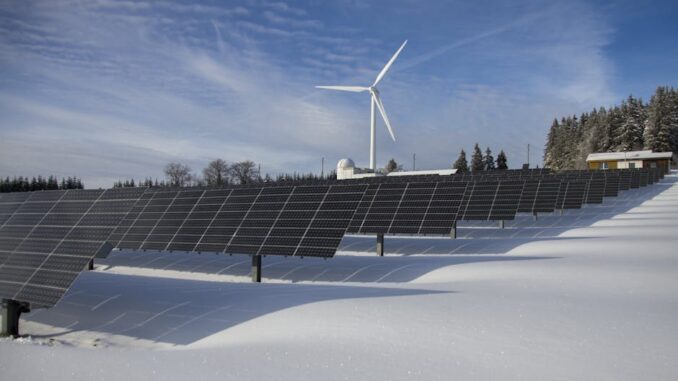
- Solar Photovoltaic (PV) Panels: This is often the first thing people think of, and for good reason. Solar PV panels convert sunlight directly into electricity.
- Types: Monocrystalline panels (sleek, high efficiency, often darker), polycrystalline panels (slightly lower efficiency, more blueish), and thin-film panels (flexible, lighter, good for irregular surfaces, but lowest efficiency).
- Mounting: Can be roof-mounted (pitched or flat), building-integrated (BIPV, where the panels are the roof or facade material, offering aesthetic and structural benefits), or even ground-mounted for larger sites.
- Battery Storage: Increasingly, commercial solar installations are paired with battery storage systems. This allows you to store excess electricity generated during peak sun hours and use it during periods of low generation (evenings, cloudy days) or during peak demand tariffs, further maximizing self-consumption and economic benefits. It provides an extra layer of resilience too.
- Feasibility: Key considerations include available roof/facade area, shading from adjacent buildings, structural capacity, and local planning regulations. A detailed solar irradiance study is essential.
- Ground-Source Heat Pumps (GSHPs): We touched on these under HVAC, but they really belong here too. GSHPs are a highly efficient, stable renewable heating and cooling solution. They extract heat from the earth (which remains at a relatively constant temperature year-round) using a closed loop of buried pipes. This heat is then concentrated and used to warm the building. In reverse, they can dissipate heat into the ground for cooling. While the initial capital outlay for the ground loops (boreholes or horizontal trenches) can be substantial, especially for commercial scale, the operational savings and environmental benefits are enormous. They offer superior efficiency and lower running costs compared to air-source systems in many climates and are incredibly reliable with a long lifespan for the ground array itself. A real commitment to long-term sustainability.
- Air-Source Heat Pumps (ASHPs): Again, a cross-over from HVAC. While perhaps not as efficient as GSHPs in very cold climates, modern ASHPs are incredibly effective at extracting heat from ambient air down to surprisingly low temperatures. They’re much easier and cheaper to install than GSHPs as they don’t require extensive groundwork, making them a very popular and accessible renewable heating solution for many commercial new builds.
- Solar Thermal Systems: These systems harness the sun’s energy to heat water directly, typically for domestic hot water supply. They use collectors (flat plate or evacuated tube) on the roof to absorb solar radiation and transfer it to a hot water cylinder. While not generating electricity, they significantly reduce the energy demand for water heating, which can be considerable in some commercial settings (e.g., hospitality, offices with showers/kitchens).
- Wind Turbines (Micro/Building-Integrated): For sites with consistent, suitable wind profiles, small-scale or building-integrated wind turbines can contribute to on-site electricity generation. However, careful assessment of wind resources, noise, planning restrictions, and visual impact is crucial. They are generally less common for urban commercial buildings than solar PV.
- Biomass Boilers: These systems burn organic matter (wood pellets, chips) to generate heat for space heating or hot water. If the biomass is sourced sustainably, it can be considered carbon-neutral. They require space for fuel storage and careful management of emissions, so are more suitable for larger rural sites or those with direct access to sustainable fuel supplies.
Critically, for any new build, a feasibility statement assessing the viability and optimal combination of on-site renewable generation technologies absolutely must be provided to the local authority during the pre-approval planning stages. This isn’t just a bureaucratic step; it’s an opportunity to truly integrate these systems into the building’s fabric and operational strategy from day one, ensuring maximum efficiency and impact. Ignoring renewable energy in a new commercial build today feels a bit like designing a car without seatbelts; it’s just not forward-thinking.
7. Utilize Smart Building Management Systems (BMS): The Brain of Your Building
Imagine a maestro orchestrating every instrument in an orchestra to create a perfect symphony. That’s essentially what a sophisticated Building Management System (BMS) does for your commercial property. It’s the central brain, the digital nervous system that allows real-time monitoring, control, and optimization of virtually every energy-consuming system within the building. For a new commercial build, integrating a robust BMS isn’t just smart; it’s absolutely fundamental to achieving and maintaining a high EPC rating and peak operational efficiency.
What a BMS Does
At its core, a BMS is a computer-based control system that supervises and manages a building’s mechanical and electrical equipment, including:
- HVAC Systems: Controlling temperature setpoints, fan speeds, air quality, zoning, and scheduling.
- Lighting: Managing on/off, dimming, daylight harvesting, and occupancy-based controls.
- Energy Monitoring: Tracking electricity, gas, and water consumption, often down to individual circuits or zones.
- Security and Access Control: Integrating with CCTV, intruder alarms, and door access systems.
- Fire Detection and Life Safety Systems: Monitoring and responding to alarms.
- Lifts and Escalators: Potentially optimizing their operation based on occupancy.
- Water Management: Detecting leaks, monitoring flow rates, controlling pumps.
The real power of a BMS isn’t just in controlling individual elements, but in how it integrates them. For instance, the BMS can detect that a meeting room is empty via an occupancy sensor (lighting control), then instruct the HVAC system to set back the temperature in that zone, and perhaps even trigger a ‘sleep mode’ for any associated AV equipment. This kind of cross-system intelligence is where the significant energy savings really kick in.
Beyond Basic Control: Advanced BMS Capabilities
Modern BMS are far more than just glorified timers. They leverage data and advanced analytics to do some truly impressive things:
- Real-time Monitoring and Dashboards: Providing a clear, instantaneous overview of the building’s performance. Facility managers can see energy consumption trends, system statuses, and identify anomalies at a glance. Visualisation is key here, often presented through user-friendly graphical interfaces.
- Predictive Maintenance: Instead of waiting for a system to fail, the BMS can analyze operational data (e.g., motor vibrations, unusual temperature fluctuations, increased fan speeds for the same airflow) and predict potential equipment failures before they happen. This means preventative maintenance can be scheduled, avoiding costly breakdowns and unexpected disruptions.
- Fault Detection and Diagnostics (FDD): The BMS can automatically identify when a system isn’t operating as it should (e.g., a damper stuck open, a sensor providing an erroneous reading) and alert operators, often with suggested solutions. This prevents energy waste from ‘drifting’ systems that are technically working but not efficiently.
- Optimized Start/Stop Routines: The BMS can learn the thermal characteristics of the building and calculate the optimal time to start heating or cooling before occupancy to reach setpoint exactly when needed, avoiding wasteful over-conditioning or pre-heating too early.
- Load Shedding: During periods of peak demand (and thus higher electricity prices), the BMS can be programmed to temporarily reduce non-critical energy loads (e.g., slightly raising temperature setpoints or dimming lights in non-critical areas) to minimize peak demand charges.
- IoT Integration: The rise of the Internet of Things (IoT) means BMS are increasingly integrating with smart sensors and devices (e.g., smart waste bins, asset tracking, indoor air quality monitors) that provide even more granular data for optimization and facility management.
The Benefits are Broad
While energy savings are a primary driver (and they can be substantial, often 10-30% on existing buildings, even more when integrated from new), the advantages of a robust BMS extend further:
- Enhanced Occupant Comfort and Productivity: By maintaining precise environmental conditions, a BMS contributes to a more comfortable and therefore more productive workforce.
- Reduced Operational Costs: Beyond energy, smart controls reduce maintenance costs, extend equipment lifespan, and streamline facility management tasks.
- Data for Decision Making: The rich data collected by the BMS provides invaluable insights for future building upgrades, energy strategies, and sustainability reporting.
- Compliance and Reporting: A well-configured BMS can automate much of the data collection needed for energy reporting and EPC updates.
Implementing a smart energy management system from the ground up for your new commercial building ensures you’re building in efficiency and intelligence, creating an asset that’s not only high-performing but also responsive, resilient, and ready for the future. It’s definitely not an area to cut corners on during the design phase.
8. Ensure Compliance with MEES Regulations: The Legal Imperative
Ah, MEES – the Minimum Energy Efficiency Standards. For commercial property owners and developers in the UK, understanding and complying with these regulations isn’t just good practice; it’s a legal obligation with significant implications. If you’re building a new commercial property, you need to be designing beyond today’s minimums, because those goalposts are definitely moving.
Currently, the MEES regulations require commercial properties to meet a minimum EPC rating of ‘E’ before they can be legally let or renewed on a lease. Any property with an F or G rating can’t be legally let, plain and simple, unless a valid exemption is registered. Failure to comply can result in hefty fines, potentially up to £150,000, and the inability to generate rental income, which no developer or owner wants, right?
But here’s the kicker, and this is crucial for new builds: the government has ambitious plans to continually raise this minimum requirement. By April 2027, the proposed minimum EPC rating will increase to ‘C’ for all commercial properties, and then to ‘B’ by April 2030. Think about that for a second. A building designed to just scrape an ‘E’ today will be non-compliant within a few short years, rendering it potentially unlettable and significantly devalued.
The Impact of Non-Compliance
Let’s really consider the ramifications of not future-proofing your new build:
- Financial Penalties: As mentioned, fines are a real threat, impacting your bottom line directly.
- Asset Devaluation: A property with a poor EPC rating will be seen as a liability, not an asset. Its market value will inevitably diminish, and it will become less attractive to investors and lenders who are increasingly focused on ‘green’ assets.
- Inability to Let: This is perhaps the most immediate and painful consequence. If you can’t legally let your property, it becomes a vacant, income-draining shell. Higher vacancy rates are a nightmare for any property owner.
- Reputational Damage: In an era of increasing environmental consciousness, being seen as having an inefficient, non-compliant building can harm your company’s reputation, potentially impacting future projects and tenant relationships.
- Stranded Assets: Properties that fail to meet future MEES targets are often referred to as ‘stranded assets’ – assets that suffer from unanticipated or premature write-downs, devaluations, or conversion to liabilities. You absolutely don’t want your new build falling into this category.
EPC Rating Methodology and Green Leases
The EPC rating itself is a measure of the building’s energy efficiency based on its construction, heating, cooling, ventilation, and lighting systems. It’s calculated by a qualified energy assessor using a standardized methodology, which estimates the typical energy costs for heating, hot water, lighting, and ventilation. The rating runs from A (most efficient) to G (least efficient).
When planning a new commercial build, aim for a ‘B’ rating as an absolute minimum, and ideally an ‘A’. This not only ensures immediate compliance but also builds in resilience against future regulatory changes and demonstrates leadership in sustainable development.
Furthermore, consider incorporating ‘green lease’ clauses into your tenancy agreements. These are clauses that encourage landlords and tenants to work collaboratively to improve the environmental performance of the building, sharing responsibilities and benefits. For instance, they might include commitments to share energy data, use energy-efficient appliances, or adhere to sustainable waste management practices. This ensures that the energy-efficient design of your new build is complemented by responsible occupant behaviour, maximizing its long-term performance. MEES isn’t just about the building’s physical attributes; it’s about its operational life too. It’s a vital piece of the commercial property puzzle, one you can’t afford to ignore.
9. Conduct a Professional Energy Audit: The Diagnostic Before the Prescription
You wouldn’t start a significant renovation without a clear understanding of the existing structure, would you? Similarly, for a new commercial building, conducting a professional energy audit – even during the design phase – is like getting a comprehensive diagnostic before you write the prescription. It’s about truly understanding your building’s anticipated energy performance, identifying potential inefficiencies before they’re built in, and creating a robust roadmap for optimization. This isn’t just for existing buildings; it’s arguably even more crucial for new construction.
What an Energy Audit Entails (Even for New Builds)
For new builds, an ‘energy audit’ is often more accurately described as a comprehensive energy assessment or performance modelling exercise at various design stages. A qualified energy assessor (often a CIBSE accredited consultant or similar) plays a pivotal role here:
- Design Review and Modelling: At the early design stages (concept, schematic, design development), the assessor will review architectural drawings, specifications for HVAC, lighting, insulation, and glazing. They’ll use advanced simulation software (like IES-VE or Tas) to create a detailed energy model of your proposed building. This model predicts energy consumption for heating, cooling, lighting, and other loads under various conditions.
- Identifying Inefficiencies in Design: This is where the magic happens. The energy model will highlight areas where the proposed design might be falling short. Perhaps the window-to-wall ratio is too high on a west-facing facade, or the U-values for the roof insulation aren’t optimal, or the HVAC system chosen isn’t the most efficient for the building’s intended use. These are theoretical inefficiencies, but catching them here is incredibly cheap to fix.
- Scenario Planning: The assessor can run multiple ‘what-if’ scenarios. ‘What if we use triple glazing instead of double?’ ‘What if we add external shading?’ ‘What’s the impact of incorporating VRF instead of a traditional chiller-boiler system?’ This allows the design team to make data-driven decisions about specification choices and their impact on energy performance and cost.
- Lifecycle Cost Analysis (LCA): A good audit goes beyond just initial capital cost. It will incorporate a lifecycle cost analysis, looking at the total cost of ownership over the building’s projected lifespan, including initial investment, operational energy costs, maintenance, and even eventual decommissioning. This helps prioritize upgrades that deliver the best return on investment (ROI) and shortest payback periods, even if their upfront cost is higher. Sometimes, spending a bit more now saves you a fortune later, right?
- Compliance Verification: The audit process also ensures that the design will comply with relevant building regulations (e.g., Part L of the Building Regulations in the UK) and informs the predicted EPC rating.
- Providing a Roadmap for Improvement: The audit report isn’t just a list of problems; it’s a strategic document. It provides a clear, prioritized roadmap of recommendations for enhancing energy performance. These recommendations will be supported by data, including projected energy savings, carbon reductions, and financial metrics (ROI, payback).
The Importance of Early Intervention
Think of it this way: making changes on paper is infinitely cheaper and easier than making them once concrete is poured and walls are up. Identifying a thermal bridge in a CAD drawing costs nothing to fix. Discovering it after construction is complete, however, could mean significant remedial work, delays, and cost overruns. An energy audit performed at critical design milestones – especially during concept and detailed design – helps avoid costly mistakes and ensures that energy efficiency is truly embedded, not merely bolted on as an afterthought.
This audit highlights hidden energy waste – or potential waste in a new build scenario – and crucially helps prioritize upgrades that deliver the best bang for your buck. It’s a proactive investment that safeguards your new commercial building’s long-term energy performance and its future value. Don’t skip it; it’s absolutely vital intelligence.
10. Educate Occupants on Energy Efficiency Practices: The Human Element
All the advanced design, cutting-edge technology, and smart systems in the world won’t achieve their full potential if the people using the building aren’t on board. The ‘human element’ in energy consumption is often underestimated, but it’s incredibly powerful. Educating occupants on energy efficiency practices isn’t just about saving a few quid; it’s about fostering a culture of sustainability and ensuring your state-of-the-art building delivers on its promise. After all, a building is only as efficient as its users allow it to be.
Think about it: who turns off the lights? Who adjusts the thermostat? Who powers down equipment? It’s the occupants, day in and day out. Their collective actions, or inactions, can significantly impact your building’s actual operational energy performance, which can sometimes deviate quite a bit from its theoretically excellent design EPC. This gap between predicted and actual performance is sometimes called the ‘performance gap’, and occupant behaviour is a huge part of it.
Strategies for Effective Occupant Engagement
So, how do you encourage energy-conscious behaviour without sounding like the office killjoy? It’s about clear communication, making it easy, and providing feedback.
- Clear Communication and Signage: Simple, friendly reminders are often surprisingly effective. ‘Please switch off lights when leaving’, ‘Close windows if the heating/cooling is on’, ‘Unplug chargers at the end of the day’. Place these strategically, near light switches, windows, and power outlets. Make them visually appealing and concise.
- Onboarding and Induction: For new tenants or employees, integrate energy efficiency into their onboarding process. Explain how the building’s systems work (e.g., how the smart lighting responds to daylight, how to use the local thermostat controls effectively) and why these practices matter. A brief, engaging presentation or a simple welcome pack outlining energy-saving tips can go a long way.
- Energy-Saving Campaigns and Challenges: Make it a bit of fun! Launch internal campaigns, maybe even friendly competitions between departments or floors, to see who can achieve the greatest energy reductions. Offer small incentives or recognition. People love a good challenge, especially if there’s a prize or bragging rights involved.
- Provide Feedback and Data: People respond when they see the impact of their actions. If your BMS can provide real-time energy consumption data, display it prominently on digital screens in common areas or through an intranet portal. Show how collective efforts translate into energy savings and carbon reductions. A live ‘energy dashboard’ can be incredibly motivating.
- Empowerment through Control: Where appropriate, give occupants local control over their environment (e.g., individual task lighting, localized temperature adjustments within sensible parameters). This sense of ownership can lead to more responsible usage.
- ‘Soft Landings’ Approach: This is a fantastic concept for new builds. A ‘soft landings’ process involves a planned, structured handover from the construction team to the operational team and, critically, to the occupants. It includes detailed training, ongoing support, and post-occupancy evaluation to ensure the building performs as intended and occupants understand how to use it effectively. It’s about ensuring the building ‘lands’ gently into operational life, rather than being simply dumped on the end-users.
- Encourage Equipment Shutdown: Promote a ‘power down’ culture at the end of the working day. Encourage individuals to shut down computers, monitors, and other non-essential equipment, and unplug chargers. Standby power, or ‘vampire draw’, can quietly add up across hundreds of devices.
- Proper Use of Heating and Cooling Systems: Explain the ideal temperature range and discourage extreme adjustments. A building designed for a comfortable 21°C will work inefficiently if occupants constantly crank it up to 25°C in winter or down to 18°C in summer.
Engaging occupants in energy-saving practices isn’t just about micro-managing. It’s about creating a shared understanding and responsibility for the building’s performance. When everyone plays their part, the collective impact on reducing energy consumption and maintaining a stellar EPC rating can be truly significant. It really bridges that gap between design intent and real-world performance. You’ve invested so much in a high-performing building, so don’t let the human element be its Achilles’ heel. Foster that sustainable culture.
Conclusion: Building a Brighter, More Efficient Future
Achieving a high EPC rating for your new commercial building is far more than a regulatory hurdle; it’s a strategic investment in the future. By meticulously implementing these detailed strategies – from the fundamental choices in building design and orientation to the sophisticated integration of smart systems and, crucially, the ongoing engagement of occupants – you’re creating an asset that stands head and shoulders above the rest.
Think about the ripple effects: not only will you enjoy significant, tangible cost savings on energy bills year after year, but your property will command a higher market value and attract premium tenants who prioritize sustainability and operational efficiency. You’ll future-proof your investment against increasingly stringent regulations, avoiding the pitfalls of non-compliance and asset devaluation. And perhaps most importantly, you’ll be making a genuine, positive impact on the environment, reducing your carbon footprint and contributing to a more sustainable built environment for us all. It’s a win-win-win scenario, really.
Don’t just aim for compliance; strive for excellence. Build smarter, build greener, and build for the long term. The benefits, both financial and environmental, are simply too compelling to ignore.
Building a brighter future, eh? So, if I plant a money tree strategically, can I claim carbon offset on my EPC? Asking for a friend… who may or may not be me, plotting world domination via photosynthesis and real estate!
That’s a fantastic question! While a money tree might not directly offset your EPC, thinking about incorporating green spaces and sustainable landscaping can contribute to a building’s overall environmental performance and potentially influence things like BREEAM ratings. Let’s brainstorm some EPC friendly planting!
Editor: FocusNews.Uk
Thank you to our Sponsor Focus 360 Energy
The emphasis on occupant education is key. Promoting user awareness of energy consumption, perhaps through real-time feedback displays, can significantly bridge the gap between predicted and actual building performance.
Absolutely! Real-time feedback is a game-changer. Imagine occupants seeing how their actions directly impact energy use. We could extend this with gamification, turning energy saving into a fun, collaborative challenge within the building. Maybe a leaderboard showing departmental progress? Thanks for highlighting this critical point!
Editor: FocusNews.Uk
Thank you to our Sponsor Focus 360 Energy
The point about prioritizing intelligent building design is critical. Exploring modular construction techniques could further enhance energy efficiency by minimizing waste and improving precision in assembly, ultimately contributing to a higher EPC rating.
Absolutely! I’m glad you highlighted the importance of intelligent building design. Modular construction is a brilliant addition to the conversation! The precision and reduced waste can significantly impact EPC ratings. What other innovative techniques are you seeing that push the boundaries of sustainable construction?
Editor: FocusNews.Uk
Thank you to our Sponsor Focus 360 Energy
The emphasis on lifecycle cost analysis is insightful. To what extent do current valuation methodologies for commercial properties adequately factor in long-term operational energy costs and potential future carbon tax liabilities when assessing market value and investment returns?
That’s a brilliant point! The integration of lifecycle cost analysis in property valuation is definitely gaining traction, but it’s not yet universally applied. A more standardized approach, factoring in long-term energy costs and potential carbon tax liabilities, would provide a much clearer picture of a property’s true investment value. This would also incentivise sustainable building practices. What are your thoughts?
Editor: FocusNews.Uk
Thank you to our Sponsor Focus 360 Energy
Excellent guide! But if we make buildings *too* efficient, where will future generations find the charming quirks of draughty windows and unpredictable heating? Is there a heritage EPC category for properties that are endearingly inefficient? Asking for a friend who loves wearing a sweater indoors.
That’s a hilarious point! Perhaps we need a ‘character’ rating alongside the EPC. Imagine a points system for original fireplaces and wonky floorboards! Seriously though, balancing efficiency with retaining heritage features is a key challenge in refurbishment. Maybe incentives for preserving and showcasing those original, ‘inefficient’ elements alongside modern upgrades could be the way forward.
Editor: FocusNews.Uk
Thank you to our Sponsor Focus 360 Energy
The discussion of renewable energy sources highlights the increasing feasibility of integrating battery storage systems with solar PV installations for commercial buildings. What are the typical payback periods currently observed for these combined systems, and how do government incentives impact their adoption?
That’s a great point! Battery storage is definitely becoming more viable. Typical payback periods are shortening, often within 5-10 years, especially with government incentives like tax credits or grants. These incentives can significantly offset initial costs, accelerating adoption and ROI for businesses. Let’s keep the conversation going, what has been your experience with this?
Editor: FocusNews.Uk
Thank you to our Sponsor Focus 360 Energy
This comprehensive guide highlights the crucial role of occupant education. Extending that, providing accessible data on energy consumption through a user-friendly app could further empower building users to make informed decisions and contribute to a more sustainable environment.
Thanks for the comment! The idea of a user-friendly app is excellent. Visualizing real-time energy data through an app could provide immediate feedback, motivating building users to adjust their habits. The gamification suggestions are great! It will be exciting to see future app integrations.
Editor: FocusNews.Uk
Thank you to our Sponsor Focus 360 Energy
The point about incorporating green lease clauses is interesting. Could you elaborate on how these clauses can be structured to effectively share the responsibilities and benefits of energy efficiency improvements between landlords and tenants?
That’s a great question! Structuring green lease clauses often involves a collaborative approach. Responsibilities, such as energy audits or upgrades, can be divided based on control (landlord for building systems, tenant for appliance usage). Benefits like cost savings from efficiency improvements could be shared through adjusted rent or service charges. Clear metrics and reporting are key for transparency and accountability! What are some examples you have seen?
Editor: FocusNews.Uk
Thank you to our Sponsor Focus 360 Energy