
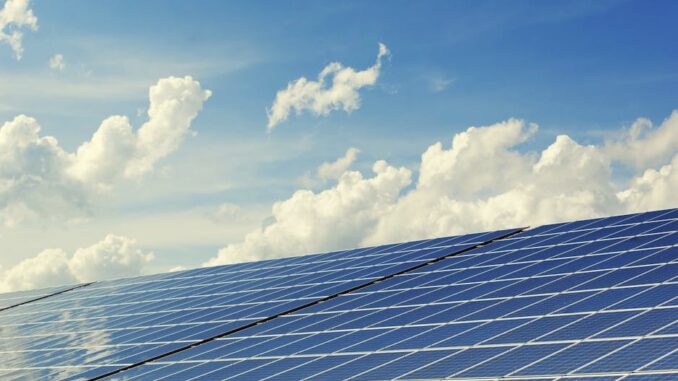

Abstract
The imperative to mitigate climate change, enhance energy security, and foster urban resilience has profoundly reshaped contemporary building practices. Within this transformative landscape, the integration of rooftop solar photovoltaic (PV) panels into deep energy retrofits stands as a cornerstone strategy, offering a multifaceted approach to elevate building performance, catalyze the transition towards net-zero energy status, and significantly bolster resilience through advanced battery storage solutions. This comprehensive research report meticulously examines the intricate and synergistic role of rooftop PV systems within the overarching framework of deep energy retrofits. It delves into their profound impact on critical dimensions including energy efficiency, long-term economic viability, and the imperative for enhanced grid resilience. Through a rigorous analysis encompassing the evolution of current photovoltaic technologies, a granular exploration of best-practice implementation strategies, and an in-depth review of salient case studies from diverse geographical and functional contexts, this report endeavors to furnish a holistic and nuanced understanding of precisely how rooftop PV panels contribute indispensably to sustainable building paradigms and the broader pursuit of energy independence. Furthermore, it addresses the prevailing challenges and elucidates future trajectories for widespread adoption, positioning this integration as a pivotal element in the decarbonization of the built environment.
Many thanks to our sponsor Focus 360 Energy who helped us prepare this research report.
1. Introduction
The twenty-first century presents an unprecedented confluence of challenges related to climate change, escalating energy demand, and geopolitical energy vulnerabilities. These systemic pressures have catalyzed an urgent and intensified global pursuit of sustainable building solutions, recognizing the built environment as a significant contributor to greenhouse gas emissions and energy consumption. Deep energy retrofits, a sophisticated and holistic approach characterized by comprehensive, systematic upgrades to a building’s entire envelope and core operational systems, have emerged as a critically important intervention. Their fundamental aim is to achieve transformative reductions in operational energy consumption and associated carbon emissions, often targeting a decrease of 50% or greater compared to the original baseline performance.
Integrating on-site renewable energy generation, particularly through rooftop solar PV panels, into these meticulously planned deep retrofits represents a powerful and logical progression. This integration presents a compelling opportunity to not only further offset a building’s residual energy demand, significantly reducing its reliance on fossil fuel-derived grid electricity, but also to propel it towards or beyond net-zero energy status. A building is considered net-zero energy when its annual energy consumption is balanced by its annual on-site renewable energy production. Moreover, the strategic coupling of PV systems with advanced battery energy storage solutions introduces a critical dimension of enhanced building resilience, ensuring a continuous and uninterrupted power supply for essential services and critical loads during periods of grid instability, planned outages, or unforeseen disruptions stemming from extreme weather events. This capability is becoming increasingly vital in an era marked by climatic volatility.
This report embarks on a detailed exploration of the multifaceted integration of rooftop solar PV panels within deep energy retrofits. It systematically assesses the myriad benefits spanning environmental, economic, and social dimensions, critically examines the inherent challenges that impede widespread adoption, and elucidates the profound implications for future building design, construction, operation, and maintenance practices. By synthesizing current research, technological advancements, and practical applications, this document aims to serve as a foundational resource for policymakers, building owners, designers, and researchers committed to advancing sustainable and resilient built environments.
Many thanks to our sponsor Focus 360 Energy who helped us prepare this research report.
2. Deep Energy Retrofits: An Overview
Deep energy retrofits constitute a paradigm shift from conventional, incremental building upgrades towards a holistic, systems-thinking approach aimed at achieving transformational improvements in energy performance. Unlike superficial retrofits that might address isolated components such as replacing a single appliance or a few windows, deep retrofits involve a comprehensive and often simultaneous evaluation, design, and upgrade of nearly all energy-consuming elements within a building. The underlying principle is to treat the building as an integrated system where improvements in one area, such as the envelope, can synergistically reduce the load on other systems, like heating and cooling, thereby maximizing overall efficiency gains. The primary, overarching objectives are to achieve substantial reductions in energy use and associated greenhouse gas emissions, frequently targeting reductions of 50% or greater compared to the building’s original energy performance baseline. Some ambitious projects even aim for ‘net-zero energy ready’ or ‘net-zero energy’ outcomes through this process.
2.1. Foundational Principles and Methodologies
The methodology of deep energy retrofits typically adheres to a ‘fabric-first’ approach, prioritizing improvements to the building’s passive systems before addressing active ones. This principle posits that it is inherently more efficient and cost-effective to first minimize energy demand through structural and envelope enhancements, thereby reducing the required capacity and operational load on subsequent mechanical and electrical systems. Key stages typically include:
- Comprehensive Energy Audit: A thorough assessment of existing energy consumption patterns, building envelope integrity, mechanical system efficiencies, and occupant behavior. This often involves techniques like blower door tests for air leakage detection, infrared thermography for insulation gaps, and detailed metering data analysis.
- Integrated Design Process: A collaborative approach involving architects, engineers, energy modelers, and contractors to develop optimized solutions that consider the interdependencies of various building systems.
- Phased Implementation (if necessary): While comprehensive, retrofits can sometimes be phased to manage costs or minimize disruption, provided the overall deep retrofit goals remain intact.
- Measurement and Verification (M&V): Post-retrofit monitoring to ensure actual energy savings align with projected performance, allowing for optimization and validation of the investment.
2.2. Key Strategies in Deep Energy Retrofits
The implementation of deep energy retrofits involves a suite of interconnected strategies, each contributing significantly to the overall reduction in energy demand:
2.2.1. Building Envelope Improvements
This is often the most critical phase, focusing on minimizing uncontrolled heat transfer through the building shell. Strategies include:
- Enhanced Insulation: Upgrading insulation levels in walls, roofs, floors, and foundations. This can involve adding rigid foam insulation, blown-in cellulose or mineral wool, or exterior insulation and finish systems (EIFS). The goal is to increase the thermal resistance (R-value) of the envelope, reducing heat loss in winter and heat gain in summer.
- Air Sealing: Meticulous sealing of air leaks, which can account for a significant portion of energy waste. Techniques include caulking, weatherstripping, spray foam, and ensuring proper sealing around penetrations (e.g., pipes, electrical conduits, windows, doors). Blower door tests are instrumental in identifying and quantifying air leakage.
- Advanced Window and Door Technologies: Replacing old, inefficient windows and doors with high-performance alternatives. This includes triple-pane glazing, low-emissivity (low-e) coatings to reflect radiant heat, inert gas fills (argon or krypton) between panes to reduce conductive heat transfer, and thermally broken frames. These improvements drastically lower U-values (overall heat transfer coefficient) and reduce unwanted solar heat gain or heat loss.
- Thermal Bridging Mitigation: Addressing points in the building envelope where insulation is interrupted by more conductive materials (e.g., studs, concrete slabs), creating ‘bridges’ for heat to bypass insulation. This requires careful detailing and material selection during design and construction.
2.2.2. HVAC System Upgrades
Modernizing heating, ventilation, and air conditioning (HVAC) systems is crucial once envelope loads are reduced. Key upgrades include:
- High-Efficiency Heat Pumps: Replacing conventional furnaces and air conditioners with advanced air-source, ground-source, or mini-split heat pump systems. These systems move heat rather than generating it, offering significantly higher coefficients of performance (COP) for heating and seasonal energy efficiency ratios (SEER) for cooling. They are particularly effective when coupled with a well-insulated envelope.
- Energy Recovery Ventilation (ERV) and Heat Recovery Ventilation (HRV) Systems: Essential for maintaining indoor air quality in tightly sealed buildings without significant energy penalty. ERVs and HRVs recover heat (and sometimes humidity) from exhaust air to temper incoming fresh air, reducing the load on the main HVAC system.
- Demand-Controlled Ventilation (DCV): Using sensors (e.g., CO2 sensors) to adjust ventilation rates based on actual occupancy, preventing over-ventilation and saving energy.
- Smart Thermostats and Advanced Controls: Implementing programmable thermostats and sophisticated building management systems (BMS) that learn occupant preferences, optimize scheduling, and integrate with weather forecasts to intelligently manage heating and cooling.
2.2.3. Lighting and Electrical Systems Optimization
Reducing electrical loads across the building contributes to overall energy savings and lowers the demand on renewable energy systems:
- LED Lighting Retrofits: Replacing incandescent, fluorescent, or halogen lighting with highly efficient Light Emitting Diode (LED) fixtures and bulbs. LEDs offer significantly longer lifespans, lower power consumption per lumen, and improved light quality.
- Daylighting Strategies: Maximizing the use of natural light through optimized window placement, light shelves, and tubular daylighting devices to reduce the need for artificial lighting during daylight hours.
- Occupancy Sensors and Smart Lighting Controls: Deploying sensors to turn off lights in unoccupied areas and using smart controls to dim lights based on ambient light levels or time-of-day schedules.
- Energy-Efficient Appliances and Equipment: Specifying ENERGY STAR® rated appliances and optimizing plug loads through smart power strips and educating occupants on phantom load reduction.
2.2.4. Renewable Energy Integration
After comprehensive demand reduction, integrating on-site renewable energy sources becomes highly effective. While other renewables like geothermal and small-scale wind might be considered, rooftop solar PV is overwhelmingly the most common and versatile option for the built environment due to its modularity, decreasing cost, and widespread applicability. This strategy directly offsets the remaining energy demand, significantly contributing to net-zero goals.
By systematically addressing multiple facets of a building’s energy consumption, deep energy retrofits deliver profound benefits far beyond mere energy savings. These include enhanced occupant comfort due to more stable indoor temperatures and improved air quality, reduced operational and maintenance costs, decreased greenhouse gas emissions, and a substantial increase in the long-term value and marketability of the property. This comprehensive approach is applicable across a wide spectrum of building types, from single-family residences to large commercial and institutional complexes.
Many thanks to our sponsor Focus 360 Energy who helped us prepare this research report.
3. Role of Rooftop Solar Photovoltaic Panels in Deep Energy Retrofits
Rooftop solar PV panels represent a pivotal technological component in the pursuit of sustainable building practices, serving as direct converters of solar radiation into usable electricity. Their integration into deep energy retrofits is not merely an add-on but a critical enabler for achieving advanced energy performance goals, particularly after the demand-side management measures have significantly curtailed a building’s energy appetite. This strategic placement within the retrofit framework allows PV systems to deliver a range of substantial advantages, transforming buildings into proactive energy producers rather than passive consumers.
3.1. Energy Demand Offset and the Path to Net-Zero
The fundamental principle underlying the integration of rooftop PV is to offset a building’s electricity demand with clean, on-site generation. Following the implementation of extensive energy efficiency measures during a deep retrofit, the building’s operational energy requirements are substantially reduced. This diminished demand creates an ideal scenario for on-site renewable energy systems to supply a significant, if not complete, portion of the remaining load. Rooftop PV panels are exceptionally well-suited for this purpose due to their direct access to solar insolation and minimal spatial footprint requirements beyond the roof itself.
This synergy is central to achieving net-zero energy building (NZEB) status. An NZEB is defined as a building that produces as much renewable energy as it consumes on an annual basis. In some highly efficient deep retrofit scenarios, particularly those with optimal solar resources and sufficient roof area, buildings can even become ‘net-positive,’ generating more electricity than they consume and feeding the surplus back into the grid. This contributes to regional decarbonization efforts. The ability of PV systems to significantly decrease reliance on grid electricity not only lowers operational energy costs but also contributes to reduced carbon emissions associated with electricity generation, especially if the grid relies heavily on fossil fuels. The concept extends beyond just electricity to total energy, as modern heat pumps (often a key part of deep retrofits) are powered by electricity, meaning PV can effectively offset heating and cooling loads as well.
PV systems can operate in several configurations:
- Grid-tied systems: The most common, where PV generates electricity and feeds it directly into the building’s electrical system, with any excess sent to the utility grid (often compensated via net metering). When PV generation is insufficient, the building draws power from the grid.
- Off-grid systems: Entirely independent of the utility grid, relying solely on PV generation and battery storage. These are more complex and costly, primarily used in remote locations.
- Hybrid systems: Combine grid connection with battery storage, offering the benefits of both grid interaction and energy independence during outages.
3.2. Robust Economic Benefits and Financial Viability
The economic rationale for integrating rooftop PV systems into deep energy retrofits is increasingly compelling, driven by declining PV costs, rising electricity prices, and supportive financial mechanisms. While the initial capital outlay can be substantial, the long-term financial advantages often outweigh these upfront expenditures.
- Operational Cost Savings: By generating electricity on-site, building owners significantly reduce or eliminate their monthly electricity bills. For homeowners, estimates suggest potential savings of approximately $50,000 over a 25-year lifespan of a rooftop solar system, as indicated by data from energy.gov. This figure varies based on system size, local electricity rates, and solar resource availability, but it underscores the substantial long-term financial return.
- Increased Property Value: Numerous studies have demonstrated that homes and commercial properties equipped with solar PV systems command higher sale prices and spend less time on the market compared to comparable non-solar properties. Appraisers are increasingly incorporating the value of these assets into property valuations, recognizing the future energy savings as a tangible asset.
- Inflation Hedge: Electricity prices are subject to volatility and long-term upward trends. By generating a significant portion of their own electricity, building owners effectively hedge against future price increases, providing greater financial predictability and stability.
- Synergy with Roof Replacement: When a deep energy retrofit coincides with the need for a roof replacement, substantial cost efficiencies can be realized. Integrating solar panel installation with new roofing can save approximately $4,000, as documented by energy.gov. This is primarily due to reduced labor and scaffolding costs, as both projects can leverage shared infrastructure and staging.
- Incentives and Tax Credits: Government incentives play a crucial role in improving the economic viability of PV integration. In the United States, the federal Investment Tax Credit (ITC) offers a significant percentage of the system cost as a tax credit. State and local governments often provide additional rebates, property tax exemptions, sales tax exemptions, or low-interest loan programs. Net metering policies, where utilities credit solar owners for excess electricity fed back to the grid, also contribute to financial returns by effectively turning the grid into a virtual battery. These incentives collectively reduce the payback period and enhance the overall return on investment (ROI).
3.3. Enhanced Grid Resilience and Reliability
The integration of rooftop PV systems, particularly when paired with robust battery energy storage, offers profound advantages in enhancing a building’s resilience and reliability during periods of grid instability or complete power outages. This capability is becoming increasingly critical in the face of aging grid infrastructure and the growing frequency and intensity of extreme weather events attributed to climate change, which often lead to widespread and prolonged power disruptions.
- Backup Power Capability: During a grid outage, a properly configured PV-plus-battery system can ‘island’ from the main grid. This means it disconnects from the utility and creates its own localized microgrid, continuing to supply electricity to essential loads within the building. These critical loads typically include refrigerators, lighting circuits, medical equipment, and communication devices, ensuring continuity of vital services. The U.S. Department of Energy highlights solar’s pivotal role in enhancing resilience, especially when combined with storage.
- Microgrid Formation: At a larger scale, aggregated PV-plus-storage systems within a community or campus can form microgrids, which are localized grids capable of operating independently from the main grid. This provides a robust solution for ensuring community-level resilience during widespread outages, as demonstrated by early research on increasing energy resiliency to hurricanes with intelligent control systems for battery and rooftop solar (Gaikwad, Raman, & Barooah, 2021).
- Demand Response and Grid Services: Beyond immediate backup, distributed PV-plus-storage systems can provide valuable ancillary services to the utility grid. Through intelligent energy management systems (EMS), these systems can participate in demand response programs, reducing their draw from the grid during peak demand periods or even injecting power, thereby helping to stabilize the grid and avoid costly infrastructure upgrades for utilities. This contributes to a more robust and flexible grid architecture.
- Reduced Vulnerability to External Shocks: By generating power locally, buildings become less vulnerable to failures in centralized generation, transmission, or distribution infrastructure. This decentralization of power generation is a key component of modern grid modernization efforts aimed at creating a more distributed, resilient, and intelligent energy network.
In essence, rooftop PV systems, particularly when augmented with battery storage, transform buildings from passive recipients of grid power into active participants in a more sustainable and resilient energy ecosystem. This dual benefit of significant energy offset and enhanced resilience positions PV integration as an indispensable strategy within contemporary deep energy retrofits.
Many thanks to our sponsor Focus 360 Energy who helped us prepare this research report.
4. Integration Strategies and Considerations
Successfully integrating rooftop PV panels into deep energy retrofits demands meticulous planning, technical expertise, and a comprehensive understanding of various interconnected factors. The optimal performance, long-term durability, and economic viability of the system hinge on careful consideration of design, structural integrity, regulatory compliance, and synergistic technologies.
4.1. System Design and Sizing
The core of effective PV integration lies in accurate system design and sizing, which must be precisely aligned with the building’s significantly reduced energy consumption post-retrofit and the physical constraints of the available roof space. A rigorous process involves several key steps:
- Energy Audit and Load Profile Analysis: The deep energy retrofit itself provides invaluable data. The first step after demand reduction is to establish the building’s new, optimized energy consumption baseline and its typical load profile (hourly, daily, seasonal energy usage). This determines the total kWh requirement that the PV system needs to offset annually.
- Site Assessment and Solar Resource Analysis: A detailed assessment of the roof’s characteristics is paramount. This includes:
- Available Roof Area: Measuring the usable roof space, accounting for setbacks from edges, fire code pathways, and obstructions (e.g., HVAC units, vents, skylights).
- Solar Insolation: Analyzing the average daily solar radiation (kWh/m²/day) for the specific geographical location.
- Shading Analysis: Crucial for optimizing performance. Specialized tools and software are used to map potential shading from adjacent buildings, trees, chimneys, or other roof structures throughout the year. Even partial shading on a single module can disproportionately reduce the output of an entire string of panels.
- Azimuth and Tilt Angle: Determining the optimal orientation (azimuth, typically south-facing in the Northern Hemisphere) and tilt angle for maximum annual energy harvest. While fixed systems are common, tracking systems (single or dual-axis) can yield more energy but are generally impractical and costly for rooftop installations.
- Module Selection: Choosing appropriate PV module technology. Options include:
- Monocrystalline Silicon: High efficiency, sleek appearance, good performance in high temperatures.
- Polycrystalline Silicon: Slightly lower efficiency than monocrystalline but often more cost-effective.
- Thin-Film: Flexible, lighter, performs better in diffuse light and high temperatures, but typically lower efficiency per unit area, requiring more space.
- Efficiency ratings and temperature coefficients are key performance metrics to consider.
- Inverter Technology Selection: Inverters convert the direct current (DC) produced by PV panels into alternating current (AC) usable by the building and grid. Options include:
- String Inverters: Most common, connecting multiple panels in a ‘string’ to a single inverter. Cost-effective but susceptible to ‘bottlenecking’ if one panel is shaded.
- Microinverters: Installed on each individual panel, optimizing power production per panel and eliminating the ‘Christmas light effect’ (where one shaded panel reduces output for the entire string). Offers module-level monitoring.
- Power Optimizers: Hybrid approach, similar to microinverters in optimizing individual panel output but still feeding into a central string inverter.
- Hybrid Inverters: Combine inverter functionality with battery charge controller capabilities, suitable for systems with integrated storage.
- System Sizing Calculation: Based on the annual energy demand, solar resource, module efficiency, and system losses (e.g., wiring, temperature, dust), engineers calculate the required number of panels and their total DC and AC output. Over-sizing can lead to unnecessary costs and potential utility export limits, while under-sizing will not meet the desired energy offset.
- Software Tools: Professional PV design software (e.g., PVsyst, Aurora Solar, Helioscope) is indispensable for accurate energy yield predictions, shading analysis, and financial modeling.
4.2. Structural Assessment and Roof Considerations
Before any PV installation, a rigorous structural assessment of the building’s roof is absolutely critical. The additional dead load of PV panels, mounting hardware, and associated cabling, combined with potential live loads from wind and snow, must be safely accommodated. This is particularly important for older buildings undergoing deep retrofits.
- Load Bearing Capacity: An engineer must confirm that the existing roof structure (trusses, rafters, decking) can support the additional weight. PV panels typically add 2-5 pounds per square foot (psf), but this can increase significantly with ballasted non-penetrating systems on flat roofs or heavy snow loads.
- Roof Condition and Lifespan: The lifespan of a PV system is typically 25-30 years. It is highly advisable to install solar panels on a roof that has at least 10-15 years of remaining useful life. If the roof is nearing the end of its life, coordinating a roof replacement with PV installation is often the most cost-effective approach, as it avoids the expense of removing and reinstalling panels later. This synergy, as highlighted earlier by energy.gov, can lead to substantial savings.
- Roof Type and Material: Different roof types (pitched, flat) and materials (asphalt shingles, metal, tile, membrane) require specific mounting solutions:
- Pitched Roofs: Often use rail-based systems that attach to rafters or purlins. Penetrations through the roofing material must be meticulously sealed to prevent leaks.
- Flat Roofs: Can utilize tilted racking systems or ballasted systems (non-penetrating, held down by weight). Ballasted systems require careful consideration of wind uplift forces to prevent displacement.
- Wind Uplift and Seismic Loads: Mounting systems must be engineered to withstand local wind loads (especially in hurricane-prone areas) and seismic forces, ensuring panels remain securely attached under extreme conditions.
- Fire Safety: Clearances must be maintained around PV arrays for fire department access and ventilation, as stipulated by local fire codes.
4.3. Regulatory Compliance and Incentives
Navigating the complex landscape of regulatory requirements, local building codes, zoning ordinances, and available financial incentives is a crucial pre-requisite for PV integration.
- Permitting and Building Codes: Almost all PV installations require electrical and structural permits. Compliance with the National Electrical Code (NEC) in the U.S. (or equivalent international standards) is mandatory, covering wiring, grounding, overcurrent protection, and rapid shutdown requirements. Local building departments also have specific requirements.
- Zoning Regulations and HOAs: Local zoning ordinances may have restrictions on panel visibility, height, or placement. Homeowners’ Associations (HOAs) can also impose aesthetic guidelines, though many jurisdictions have ‘solar access laws’ that protect a homeowner’s right to install solar.
- Federal Investment Tax Credit (ITC): In the U.S., the ITC (currently 30% for residential and commercial systems) is a significant incentive. It’s a direct dollar-for-dollar reduction in income tax liability. Eligibility and carryforward provisions need to be understood.
- State and Local Incentives: These vary widely and can include:
- Rebates: Upfront cash payments based on system size.
- Sales Tax Exemptions: Eliminating sales tax on PV equipment.
- Property Tax Exemptions: Excluding the added value of a solar system from property tax assessments.
- Renewable Energy Credits (RECs) or SRECs: Market-based instruments representing the environmental attributes of renewable energy generation, which can be sold for additional revenue.
- Low-interest Loan Programs: State or utility-backed financing options.
- Net Metering Policies: This is a critical policy for grid-tied PV. It allows PV system owners to send excess electricity generated to the grid and receive credits on their utility bill, typically at the retail rate. When the PV system isn’t generating enough (e.g., at night), the building draws from the grid, and these credits offset the cost. Policies vary by state and utility, with some jurisdictions moving towards ‘successor tariffs’ that offer lower compensation for exported power, affecting economic returns. Understanding the specific net metering rules is essential for financial modeling.
4.4. Integration with Battery Storage
Integrating battery energy storage with rooftop PV significantly amplifies its benefits, particularly in enhancing resilience and optimizing energy management. Batteries store excess PV generation for later use, enabling true energy independence or optimized grid interaction.
- Battery Technologies: While lead-acid batteries were historically used, lithium-ion batteries (e.g., Lithium Iron Phosphate (LFP) or Nickel Manganese Cobalt (NMC)) are now dominant due to their higher energy density, longer cycle life, faster charging/discharging rates, and declining costs. Flow batteries are an emerging technology for larger, longer-duration storage.
- System Architectures:
- AC-coupled Storage: The PV system uses a standard string inverter, and a separate battery inverter/charger handles the battery. This is often easier to retrofit into existing PV systems.
- DC-coupled Storage: The battery is connected directly to the DC side of the PV system, often through a hybrid inverter, before the main inverter. This can be more efficient as it avoids one DC-AC conversion.
- Battery Sizing: Determined by factors such as the critical loads to be powered during an outage, the desired duration of autonomy (how long the battery can power loads without PV input), and the depth of discharge (DoD) limitations of the battery chemistry. Over-sizing is costly; under-sizing may not meet resilience goals.
- Intelligent Control Systems: Advanced Energy Management Systems (EMS) are crucial for optimizing PV-plus-battery systems. These systems use predictive algorithms, often incorporating weather forecasts, electricity price signals, and historical load data, to decide when to charge the battery from PV, when to discharge it to power the building, or when to export power to the grid (e.g., for peak shaving or demand response). Research, such as that by Gaikwad, Raman, & Barooah (2021), highlights the importance of intelligent control for maximizing resilience during events like hurricanes.
- Safety Considerations: Proper ventilation, thermal management, and fire suppression systems are essential for battery installations to prevent thermal runaway and ensure safe operation.
4.5. Smart Home/Building Energy Management Systems (HEMS/BEMS)
Beyond basic controls, sophisticated HEMS/BEMS platforms integrate the PV and storage systems with other building loads and smart appliances. These systems provide:
- Load Shifting: Automatically shifting energy consumption of non-critical loads (e.g., EV charging, washing machines) to periods of high PV generation or low electricity prices.
- Real-time Monitoring and Data Analytics: Providing detailed insights into energy generation, consumption, battery state-of-charge, and system performance, enabling continuous optimization.
- Grid Interaction: Facilitating participation in utility demand response programs and potentially enabling future vehicle-to-grid (V2G) or vehicle-to-home (V2H) functionalities with electric vehicles.
By carefully addressing these integration strategies and considerations, deep energy retrofits can effectively leverage rooftop PV technology to achieve unprecedented levels of energy performance, economic benefit, and operational resilience.
Many thanks to our sponsor Focus 360 Energy who helped us prepare this research report.
5. Case Studies
Examining real-world implementations provides concrete evidence of the transformative potential of integrating rooftop solar PV into deep energy retrofits. These case studies illustrate diverse applications, challenges, and successful outcomes across various building types and geographical contexts.
5.1. Westwood Hills Nature Center, Minnesota
The Westwood Hills Nature Center in St. Louis Park, Minnesota, serves as a compelling example of a public facility achieving net-zero energy status through a comprehensive deep energy retrofit coupled with significant renewable energy integration. The original building, constructed in 1981, was identified as a candidate for a deep retrofit to significantly reduce its environmental footprint and operational costs.
Pre-Retrofit Context: Before the retrofit, the nature center was a typical public building with conventional insulation, older single-pane windows, and an inefficient gas-fired heating system, resulting in substantial energy consumption and associated greenhouse gas emissions, particularly given Minnesota’s harsh winters and warm summers.
Deep Energy Retrofit Measures: The retrofit began with a thorough upgrade of the building envelope. This included substantial enhancements to wall and roof insulation, replacement of all windows with high-performance, double-pane units with low-emissivity coatings, and meticulous air sealing across the entire structure. Crucially, the outdated HVAC system was replaced with a highly efficient ground-source heat pump (GSHP) system. GSHPs utilize the stable temperature of the earth to provide highly efficient heating and cooling, drastically reducing the building’s thermal loads.
Rooftop PV Integration: To achieve net-zero energy, these demand-side reductions were complemented by the installation of a 122 kW rooftop PV array. This array was strategically sized to meet the remaining annual electricity demand, which was significantly lowered by the GSHP and envelope upgrades. The PV system was grid-tied, allowing for excess generation to be fed back to the utility. The choice of a large rooftop array maximized available space and ensured sufficient generation to cover all operational needs, including the electricity consumed by the ground-source heat pumps for heating and cooling, lighting, and other plug loads.
Outcome and Performance: The combination of aggressive energy efficiency measures and the 122 kW PV array enabled the Westwood Hills Nature Center to achieve net-zero energy status, producing more energy annually than it consumed. This resulted in substantial operational cost savings, eliminated its carbon footprint related to building operations, and provided an educational beacon for sustainable practices in the community. The project demonstrated the effectiveness of pairing a high-efficiency mechanical system (GSHP) with a robust on-site renewable energy source to achieve ambitious sustainability goals (Neuroject, n.d.). The integration highlighted that even in regions with less intense solar insolation than sunnier climates, comprehensive retrofits can yield net-zero outcomes.
5.2. Residential Implementation in Florida during Hurricane Irma (2017)
This case study illustrates the critical role of rooftop PV systems coupled with battery storage in enhancing residential resilience during severe natural disasters. A study focusing on a single-family home in Florida provided valuable insights into the operational performance of such a system during Hurricane Irma in September 2017, which caused widespread power outages across the state.
System Configuration: The residential home was equipped with a rooftop PV system, though the specific size was not detailed in the original reference, it was designed to offset a significant portion of the home’s daily energy needs. Crucially, this PV system was integrated with battery storage. The entire setup was managed by an intelligent control system, which dynamically optimized energy flows between the PV array, the battery, the critical loads, and the utility grid when available.
Performance during Outage: During Hurricane Irma, the utility grid experienced a prolonged outage. The intelligent control system played a pivotal role in managing the home’s energy resources. It automatically detected the grid outage and disconnected the home from the utility (islanding mode). The PV system continued to generate electricity during daylight hours, directly powering the home’s critical loads and recharging the battery. During nighttime or periods of low solar production, the stored energy in the battery was strategically discharged to maintain power to essential appliances and systems, such as refrigeration, lighting, and communication devices. The control system prioritized these critical loads to maximize the duration of backup power (Gaikwad, Raman, & Barooah, 2021).
Key Findings: The study demonstrated that the PV-plus-battery system, under intelligent control, successfully provided continuous power to critical loads throughout the entire duration of the grid outage. This allowed the occupants to maintain basic living conditions and safety, significantly reducing the impact of the disaster. The findings underscored the immense potential of distributed energy resources to enhance building resilience, particularly in regions vulnerable to extreme weather events. It highlighted that the intelligent management of energy flows is as important as the hardware itself for maximizing the benefits of such systems during emergencies.
5.3. Multi-Family Retrofit: The Passive House Institute US (PHIUS) Headquarters, Chicago
The PHIUS headquarters in Chicago stands as a testament to deep energy retrofits achieving extremely high performance in a challenging urban climate, ultimately aiming for net-zero. While not solely a rooftop PV case study, the integration of PV was essential to reach its stringent energy goals.
Pre-Retrofit Context: The building, an existing masonry structure, was initially an uninsulated, leaky, and energy-intensive building typical of older urban construction in the Midwest, facing extreme temperature swings.
Deep Energy Retrofit Measures: The project underwent a deep energy retrofit targeting Passive House certification, which requires extremely low energy demand. Key measures included:
- Super Insulation: Adding a thick layer of continuous exterior insulation (R-value of 40 for walls, R-60 for roof) to create a robust thermal envelope.
- Airtightness: Achieving exceptional airtightness, quantified by a blower door test result far exceeding typical code requirements, dramatically reducing uncontrolled air infiltration.
- High-Performance Windows: Installing triple-pane, low-e windows with insulated frames, strategically sized and placed to balance daylighting and minimize heat loss/gain.
- High-Efficiency HVAC with HRV: Implementing small, highly efficient electric heat pumps for heating and cooling, coupled with an energy recovery ventilator (HRV) system to provide continuous fresh air while recovering heat.
Rooftop PV Integration: After slashing the building’s energy demand by over 80% through the Passive House approach, a modest 10 kW rooftop PV system was installed. This system was carefully sized to offset the remaining, significantly reduced electricity consumption, which primarily came from lighting, plug loads, and the highly efficient heat pumps. While not a massive array, its impact was amplified by the prior deep energy demand reductions.
Outcome and Performance: The PHIUS headquarters successfully achieved Passive House Plus certification (a tier requiring net-zero energy). The integrated approach demonstrated that deep energy retrofits, by drastically reducing energy loads first, make the achievement of net-zero energy much more feasible and cost-effective with smaller, more manageable PV systems. The project became a living laboratory for demonstrating ultra-low energy retrofits in a cold climate, proving that net-zero is achievable even for existing, challenging building stock.
These case studies collectively underscore the versatility and effectiveness of rooftop PV integration within deep energy retrofits. They highlight the diverse benefits, from achieving ambitious environmental targets to enhancing critical infrastructure resilience, validating the strategic importance of this approach in advancing sustainable and secure built environments.
Many thanks to our sponsor Focus 360 Energy who helped us prepare this research report.
6. Challenges and Barriers
Despite the clear and compelling benefits of integrating rooftop solar PV systems into deep energy retrofits, several significant challenges and barriers continue to impede their widespread adoption. Addressing these obstacles is crucial for unlocking the full transformative potential of this strategy.
6.1. High Initial Costs
The upfront capital expenditure required for purchasing and installing comprehensive PV systems, particularly when combined with battery storage, remains a primary deterrent for many property owners. While module costs have decreased dramatically over the past decade, ‘soft costs’ related to permitting, installation labor, customer acquisition, and financing still represent a substantial portion of the total system price. For a residential deep energy retrofit, the addition of a PV system can add tens of thousands of dollars to an already significant investment.
- Capital Expenditure Burden: The initial lump sum required can be prohibitive for individuals or organizations with limited access to capital. This challenge is particularly acute for low-income households or small businesses.
- Financing Mechanisms: While various financing options exist (e.g., green mortgages, property assessed clean energy (PACE) loans, commercial loans, leases, power purchase agreements (PPAs)), navigating these can be complex. PACE loans, for instance, are tied to property taxes, which may not be suitable for all property owners. The availability and terms of these mechanisms vary significantly by region.
- Incentive Volatility: The level and availability of government incentives (e.g., tax credits, rebates, net metering rates) can fluctuate with political cycles and economic conditions. This uncertainty can make long-term financial planning challenging and reduce investor confidence.
- Split Incentives: In rental properties, landlords bear the upfront costs of PV installation, while tenants reap the benefits of lower electricity bills. This ‘split incentive’ problem often leads landlords to underinvest in energy efficiency and renewable energy, as they do not directly benefit from the operational savings.
6.2. Technological and Market Barriers
The rapid evolution of renewable energy and smart grid technologies, while offering immense potential, also introduces complexities and barriers related to integration and market readiness.
- Fragmented Protocols and Interoperability: The ecosystem of distributed energy resources (DERs) includes PV, batteries, electric vehicles (EVs), and smart appliances, often from different manufacturers. A lack of standardized communication protocols and data exchange formats leads to interoperability challenges, making it difficult for diverse systems to communicate seamlessly and optimize energy flows. For instance, achieving full vehicle-to-grid (V2G) or vehicle-to-home (V2H) integration requires overcoming significant technological and communication hurdles between EV charging infrastructure, home energy management systems, and utility controls (Kobashi et al., 2025).
- Immature Business Models: While the technology for V2G and aggregated virtual power plants (VPPs) exists, the business models to commercialize these advanced services are still nascent. Utilities and regulatory bodies are often slow to adapt to new compensation structures that appropriately value the flexibility and grid services provided by DERs.
- Regulatory Misalignments: The traditional regulatory frameworks for energy and transportation sectors are often siloed. This misalignment creates barriers to integrating PV with EVs, for example, as regulations governing grid connection, electricity pricing, and vehicle charging infrastructure may not be harmonized. This can hinder the deployment of innovative solutions that span both sectors (Kobashi et al., 2025).
- Cybersecurity Concerns: As PV systems, batteries, and smart home devices become increasingly interconnected and reliant on digital controls, they also become potential targets for cyberattacks. Robust cybersecurity measures are essential to protect critical energy infrastructure and sensitive user data, adding another layer of complexity and cost.
- Grid Hosting Capacity: In some areas, the existing grid infrastructure may not be designed to handle large-scale bidirectional power flow from numerous distributed PV systems. This can lead to grid congestion, voltage fluctuations, and the need for expensive utility upgrades, which can delay or restrict PV interconnections.
6.3. Social Equity Concerns
While rooftop solar offers significant benefits, its deployment can inadvertently exacerbate existing social inequalities if not carefully managed. The ‘solar coaster’ effect, referring to the boom and bust cycles of solar incentives, can disproportionately impact vulnerable communities.
- Unequal Access: Access to rooftop PV systems is often skewed towards homeowners with higher incomes, suitable roof conditions (e.g., unshaded, structurally sound), and the financial means to afford the upfront costs or qualify for financing. This leaves renters, low-income households, and residents of multi-family dwellings at a disadvantage, preventing them from realizing the financial and environmental benefits of solar (U.S. Department of Energy, Benefits of Rooftop Solar Energy, n.d.).
- Exacerbation of Energy Burden: If low-income households are unable to access solar, they may continue to face higher energy burdens (the percentage of income spent on energy) compared to their wealthier counterparts who benefit from reduced electricity bills through solar.
- NIMBYism (Not In My Backyard): While less common for rooftop solar, aesthetic concerns from neighbors or homeowners’ associations can occasionally impede installations, particularly in historically sensitive areas or communities with restrictive covenants, disproportionately affecting residents with fewer resources to contest such restrictions.
- Workforce Development: Ensuring equitable access to the job opportunities created by the solar industry, particularly for underserved communities, is a persistent challenge. Without targeted training and recruitment programs, the benefits of green job creation may not be broadly distributed.
6.4. Regulatory and Policy Challenges (Beyond Incentives)
Beyond financial incentives, the broader regulatory and policy environment poses significant hurdles.
- Permitting Bureaucracy: Inconsistent and complex permitting processes across different municipalities can create significant delays, increase soft costs, and deter potential adopters. Streamlining and standardizing permitting are often cited as critical needs.
- Net Metering Evolution: As distributed solar penetration increases, utilities sometimes push for changes to net metering policies, arguing that existing structures disproportionately shift grid maintenance costs to non-solar customers. While some reforms may be necessary, poorly designed successor tariffs can severely undermine the economic viability of PV for homeowners and businesses.
- Lack of Long-Term Vision: A lack of consistent, long-term policy vision at federal, state, and local levels can create uncertainty, making it difficult for businesses to invest and for consumers to plan.
Addressing these multi-faceted challenges requires a concerted effort from policymakers, industry stakeholders, researchers, and community advocates. Only through comprehensive strategies that encompass technological innovation, equitable policy design, and targeted financial support can the full potential of rooftop PV in deep energy retrofits be realized.
Many thanks to our sponsor Focus 360 Energy who helped us prepare this research report.
7. Future Directions
The trajectory of rooftop solar PV integration within deep energy retrofits is poised for significant evolution, driven by relentless technological advancements, evolving policy frameworks, and innovative business models. These future directions promise to enhance the feasibility, attractiveness, and widespread adoption of this critical strategy for a sustainable built environment.
7.1. Technological Advancements
Continuous innovation in PV and energy storage technologies will be pivotal:
- Next-Generation Photovoltaics: Research into advanced solar cell materials, such as perovskite solar cells, holds immense promise for higher efficiencies (potentially exceeding silicon’s theoretical limits), lower manufacturing costs, and increased flexibility. Bifacial PV modules, which capture sunlight from both sides, are becoming more common, increasing energy yield, particularly on lighter-colored roofs or ground-mounted arrays. Transparent and flexible PV films could unlock new architectural integration opportunities beyond traditional rooftops, such as building facades, windows, and urban infrastructure. The U.S. Department of Energy continues to expand solar energy opportunities from rooftops to full building integration (U.S. Department of Energy, 2024).
- Advanced Energy Storage Solutions: While lithium-ion batteries currently dominate, ongoing research is exploring alternatives that offer improved safety, higher energy density, longer cycle life, and lower costs. Solid-state batteries, for example, promise enhanced safety by eliminating flammable liquid electrolytes. Flow batteries offer scalability for longer-duration storage, potentially suitable for commercial or community-scale applications. Hydrogen storage, though more complex, could emerge as a long-term seasonal storage solution for larger deep retrofit projects or microgrids.
- Smart Inverters and Grid Edge Intelligence: Future inverters will be increasingly ‘smart,’ capable of providing advanced grid services like voltage and frequency regulation, reactive power support, and autonomous grid-forming capabilities for microgrids. Integrated communication protocols will enable seamless interaction with the utility grid, maximizing the value of distributed PV-plus-storage assets.
- Artificial Intelligence and Machine Learning (AI/ML): AI and ML algorithms will play an increasingly sophisticated role in optimizing building energy management. These systems will leverage vast datasets (weather forecasts, electricity prices, occupancy patterns, system performance) to predict energy demand and generation, dynamically control PV output, battery charging/discharging, and smart appliance operation. This predictive optimization will maximize self-consumption, minimize costs, and enhance grid stability.
- Building-Integrated Photovoltaics (BIPV): The trend towards BIPV will accelerate, moving beyond rack-mounted panels to PV elements that are seamlessly integrated into building materials themselves, serving as roofing shingles, facade cladding, or even transparent windows. This enhances aesthetic appeal, reduces installation costs by combining construction trades, and broadens the applicability of solar to a wider range of architectural designs.
7.2. Policy and Regulatory Evolution
Supportive and forward-looking policies are critical to accelerate adoption and ensure equitable access:
- Performance-Based Incentives: Shifting from upfront capital subsidies towards performance-based incentives that reward actual energy generation or grid services provided (e.g., demand response, peak shaving). This encourages system optimization and long-term reliability.
- Modernized Net Metering and Successor Tariffs: Developing sustainable net metering policies that fairly compensate PV owners for exported electricity while ensuring all grid users contribute equitably to grid infrastructure costs. This may involve time-of-use rates, value-of-solar tariffs, or community solar credits that reflect the actual value of PV generation to the grid at different times.
- Streamlined Permitting and Interconnection: Standardizing and simplifying permitting processes across jurisdictions, potentially through digital platforms, to reduce soft costs and installation timelines. Harmonizing interconnection rules will make it easier and faster for distributed PV-plus-storage systems to connect to the grid.
- Support for Microgrids and Community Energy: Policies that actively encourage the development of local microgrids, neighborhood solar-plus-storage projects (Knudsen, Majumder, & Srivastava, 2023), and virtual power plants will empower communities to take greater control of their energy future and enhance regional resilience.
- Carbon Pricing and Mandates: Implementing robust carbon pricing mechanisms or ambitious renewable energy mandates (e.g., requiring all new or significantly renovated buildings to be net-zero energy ready) will create strong market signals and incentives for PV adoption.
7.3. Innovative Business Models
New business models will emerge to make PV more accessible and financially attractive:
- Energy-as-a-Service (EaaS): Building owners contract for energy services rather than owning the PV and storage assets outright. This removes the upfront capital barrier, with a third party owning and maintaining the system, and the customer paying for the energy consumed or the services provided.
- Virtual Power Plants (VPPs): Aggregating thousands of distributed PV-plus-storage systems into a single, coordinated resource that can provide flexibility and ancillary services to the grid, participating in wholesale energy markets.
- Peer-to-Peer Energy Trading: Blockchain-enabled platforms could allow individual PV owners to directly trade surplus electricity with neighbors, fostering local energy markets and potentially unlocking new revenue streams.
- Inclusive Financing: Expanding programs like on-bill financing (where retrofit costs are repaid through utility bills) and targeted grants for low-income communities will broaden access to solar benefits.
7.4. Holistic Building Design and Urban Planning
Future approaches will integrate PV into a broader, more holistic sustainability framework:
- Integrated Design for Resilience: Designing buildings and communities with PV and storage from the outset, considering both energy efficiency and resilience to climate change impacts (Gaikwad, Raman, & Barooah, 2020).
- District-Level Energy Planning: Moving beyond individual buildings to optimize energy generation and consumption at a neighborhood or district level, sharing renewable resources and storage capacity for greater efficiency and resilience.
- Circular Economy Principles: Incorporating lifecycle thinking into PV systems, from sustainable manufacturing practices to end-of-life recycling, to minimize environmental impact.
The confluence of these technological, policy, and market advancements will collectively pave the way for a future where rooftop solar PV is not just an option but an inherent and expected component of deep energy retrofits, driving the widespread decarbonization and resilience of the built environment.
Many thanks to our sponsor Focus 360 Energy who helped us prepare this research report.
8. Conclusion
The integration of rooftop solar photovoltaic (PV) panels into deep energy retrofits represents a cornerstone strategy for addressing the pressing challenges of climate change, energy security, and urban resilience. This detailed examination has underscored the multifaceted and synergistic benefits derived from this approach, positioning it as an indispensable pathway towards enhancing building performance, achieving ambitious net-zero energy targets, and significantly improving resilience through advanced battery storage solutions.
Deep energy retrofits, by first drastically reducing a building’s energy demand through comprehensive envelope and system upgrades, create the ideal foundational conditions for rooftop PV to operate at peak effectiveness. Following these demand-side interventions, PV systems assume a critical role in offsetting residual energy consumption, driving buildings towards energy independence and substantially reducing their carbon footprint. The economic rationale for this integration is robust, characterized by significant long-term operational cost savings, enhanced property values, and insulation against volatile energy markets, further strengthened by a diverse array of federal, state, and local incentives.
Crucially, the coupling of rooftop PV with battery energy storage transforms buildings into resilient energy hubs, capable of sustaining critical loads during grid outages caused by extreme weather or infrastructure failures. This capability is not merely a convenience but an increasingly vital component of disaster preparedness and climate adaptation strategies, as exemplified by real-world case studies demonstrating sustained power during prolonged blackouts.
However, the path to widespread adoption is not without its impediments. High initial costs, complex technological interoperability issues, the immaturity of certain advanced market models (such as V2G), and critical social equity concerns all present formidable barriers. Furthermore, fragmented regulatory landscapes and the evolving nature of grid interconnection policies necessitate careful navigation and proactive reform. Addressing these challenges requires a concerted, multi-pronged effort involving continuous technological innovation in PV, storage, and smart grid solutions; the development of supportive and stable policy frameworks; the emergence of innovative and inclusive business models; and a holistic approach to building design and urban planning.
In summation, the strategic integration of rooftop solar PV panels into deep energy retrofits is not merely a technical upgrade but a fundamental re-envisioning of the built environment’s relationship with energy. It is a compelling and imperative strategy for fostering sustainable, economically viable, and resilient buildings that are essential to achieving a decarbonized and energy-secure future. Continued research, robust policy support, and equitable implementation are paramount to realizing the full, transformative potential of this integration across the global building stock.
Many thanks to our sponsor Focus 360 Energy who helped us prepare this research report.
References
- Gaikwad, N., Raman, N. S., & Barooah, P. (2020). Smart Home Energy Management System for Power System Resiliency. arXiv preprint arXiv:2003.05570.
- Gaikwad, N., Raman, N. S., & Barooah, P. (2021). Increasing Energy Resiliency to Hurricanes with Battery and Rooftop Solar Through Intelligent Control. arXiv preprint arXiv:2102.04406.
- Knudsen, S., Majumder, S., & Srivastava, A. K. (2023). Securely Implementing and Managing Neighborhood Solar with Storage and Peer to Peer Transactive Energy. arXiv preprint arXiv:2302.11753.
- Kobashi, T., et al. (2025). The SolarEV City Paradox: A Critical Review of the Fragmented Integration of Rooftop Photovoltaics and Electric Vehicles for Urban Decarbonization. arXiv preprint arXiv:2511.15091.
- Neuroject. (n.d.). 3 Solar Storage & Thermal Hybrid Strategies for Net‑Zero Buildings. Retrieved from https://neuroject.com/solar-storage/
- U.S. Department of Energy. (n.d.). Benefits of Rooftop Solar Energy. Retrieved from https://www.energy.gov/eere/solar/benefits-rooftop-solar-energy
- U.S. Department of Energy. (n.d.). Deep Energy Retrofits. Retrieved from https://www.energy.gov/femp/deep-energy-retrofits
- U.S. Department of Energy. (n.d.). Solar and Resilience Basics. Retrieved from https://www.energy.gov/eere/solar/solar-and-resilience-basics
- U.S. Department of Energy. (2024). Expanding Solar Energy Opportunities: From Rooftops to Building Integration. Retrieved from https://www.energy.gov/eere/solar/articles/expanding-solar-energy-opportunities-rooftops-building-integration
So, if we made buildings *breathe* solar (BIPV everywhere!), would we then need to teach them good manners so they don’t hog all the sunshine from their neighbors? Asking for my ficus.
That’s a fantastic point! The idea of buildings “breathing” solar through BIPV is exciting, but it definitely opens up questions about equitable access to sunlight in dense urban environments. Perhaps we need solar rights or innovative urban planning that prioritizes solar access for all – buildings and ficuses alike! This is a great discussion point, and it’s vital to think about access for all.
Editor: FocusNews.Uk
Thank you to our Sponsor Focus 360 Energy
The report highlights the increasing importance of battery storage with rooftop PV. As grid-tied systems evolve, how can policy and technology best support bi-directional energy flow to maximize grid stabilization services and fairly compensate prosumers for their contributions to grid resilience?
Great question! You’re spot on about the importance of bidirectional flow. Policy really needs to catch up to support fair compensation for prosumers. Standardized interconnection agreements and dynamic pricing models could be key to unlocking the full potential of distributed energy resources for grid stabilization. Thoughts?
Editor: FocusNews.Uk
Thank you to our Sponsor Focus 360 Energy
The report’s focus on integrating battery storage with rooftop PV to enhance grid resilience is particularly insightful. How might virtual power plants, aggregating distributed PV and storage, further optimize grid stabilization and create new revenue streams for prosumers?
Thanks for highlighting grid resilience! Virtual Power Plants (VPPs) could definitely be a game-changer. Imagine VPPs using AI to predict energy demand and dynamically dispatch power from aggregated PV and storage. This could balance the grid more effectively and create new markets for prosumers to sell excess energy, like frequency regulation. Any thoughts on the regulatory hurdles?
Editor: FocusNews.Uk
Thank you to our Sponsor Focus 360 Energy
“Energy-as-a-Service,” eh? So, instead of *owning* sunshine, we’re just leasing it now? I wonder if they offer premium sunbeam packages with faster charging? Hope the fine print doesn’t say anything about cloudy day surcharges.
That’s a fun way to look at it! The “leasing vs. owning sunshine” analogy is quite apt. The EaaS model is definitely a shift. I think the potential benefit is lower upfront costs and guaranteed performance. It remains to be seen whether the “cloudy day surcharges” materialize in the fine print! Thanks for the comment!
Editor: FocusNews.Uk
Thank you to our Sponsor Focus 360 Energy
The point about AI/ML optimizing building energy management is exciting. How might these algorithms be trained to prioritize not just cost savings, but also carbon reduction or grid stabilization, allowing users to align system behavior with broader environmental goals?
That’s a critical question! We could train AI/ML using multi-objective optimization. Weights can be assigned to cost, carbon, and stability. Users could then adjust these weights to reflect their priorities. This approach would allow the system to dynamically adapt to changing conditions and user preferences, which opens the door to community-level control.
Editor: FocusNews.Uk
Thank you to our Sponsor Focus 360 Energy
The discussion on future AI/ML applications for optimizing building energy is interesting. Considering the increasing complexity of energy systems, how can we ensure the AI algorithms used are transparent and understandable to building operators? This explainability will be crucial for trust and effective decision-making.
That’s a great point! Explainability is key. We could require AI to provide a clear breakdown of its recommendations, like a “reasoning report,” which highlights the data points and logic behind each decision. This builds trust and allows operators to learn from the AI’s insights, leading to better collaboration. What do you think about that approach?
Editor: FocusNews.Uk
Thank you to our Sponsor Focus 360 Energy
Given the significance of extreme weather events, how can current building codes be updated to mandate or incentivize PV and battery storage integration to ensure community-level resilience?
That’s an excellent point about extreme weather events! Perhaps building codes could incorporate a “resilience score” based on factors like PV + battery capacity and backup power capabilities. Incentives could then be tiered to reward higher scores, fostering community-wide energy security. What are your thoughts on a resilience rating?
Editor: FocusNews.Uk
Thank you to our Sponsor Focus 360 Energy
This report effectively highlights the importance of standardized communication protocols for DERs. Greater interoperability between PV, batteries, and EVs could unlock significant efficiencies and create more robust, integrated energy systems at the building and grid levels.
Thanks for pointing out the importance of standardized protocols! We see the need for a universal language for DERs. As EV adoption grows, imagine bidirectional charging seamlessly interacting with home energy systems. Standardized protocols are paramount to managing these complex energy flows and maximizing efficiency at the grid edge. It needs to be a priority.
Editor: FocusNews.Uk
Thank you to our Sponsor Focus 360 Energy
Net-zero energy buildings: sounds delightful! Though, after slashing energy demand, what about the embodied carbon in the *existing* building materials? Seems like a waste to tear down an otherwise solid structure and start from scratch. Are deep energy retrofits always the answer, or is there an argument for strategic demolition?
That’s an excellent point about embodied carbon! The decision between deep energy retrofits and strategic demolition really depends on a thorough lifecycle assessment. We need to factor in not only the operational energy savings but also the carbon footprint of new materials versus retaining existing ones. It is never a one size fits all.
Editor: FocusNews.Uk
Thank you to our Sponsor Focus 360 Energy
The point about social equity is crucial. Expanding access to on-bill financing and targeted grants for low-income communities could democratize the benefits of solar PV and ensure a just transition to a sustainable energy future.